01A private symposium composed around the Seikilos song
Archaeopolis transformed the surviving song associated with the Seikilos inscription — its reflection on the radiance and brevity of life — into the organising idea for an intimate private commission.
02Music, inscription and memory as a single narrative
The commission was created for private clients from the world of music. That relationship shaped the experience at every level: the ancient notation was not treated as a decorative graphic, but as material to be read, heard, interpreted and translated into a contemporary live encounter for listeners with a developed musical sensibility.
03Historical gastronomy for an audience of musicians
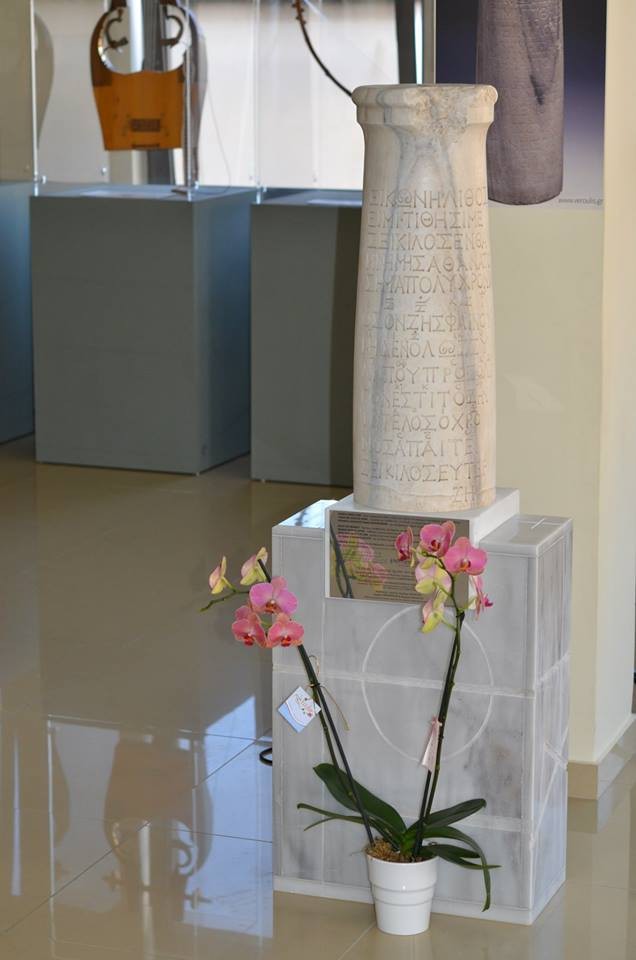
The experience was structured around a reconstructed marble Seikilos column carrying the text and musical notation. Rather than acting as decoration, the object gave the evening a physical and interpretive centre around which dining, music and movement could unfold.
04Objects, movement and sound inside one environment
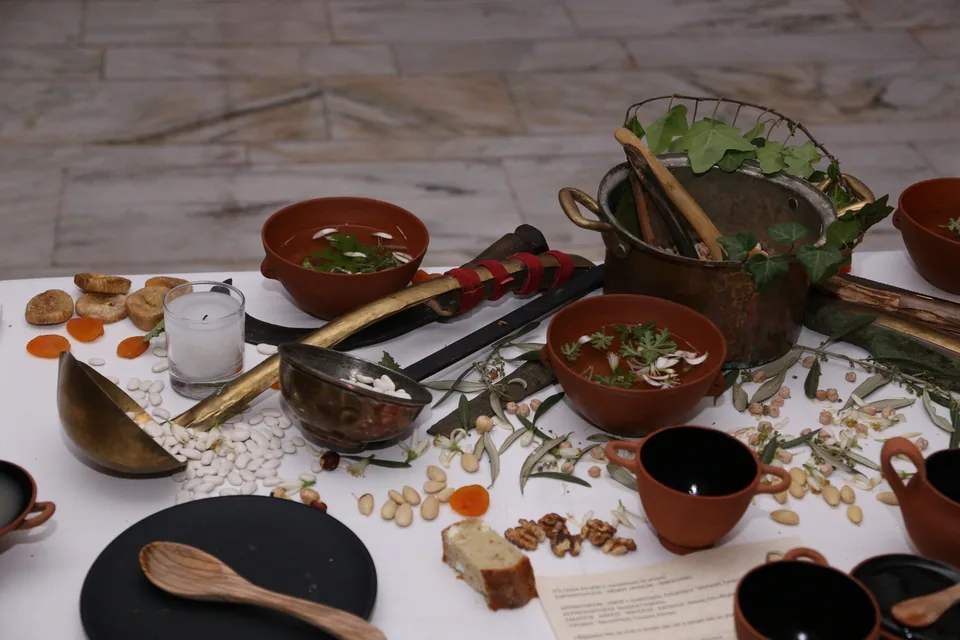
The Maeander menu translated the ancient Ionian frame into a complete sequence: a welcome of bread and wine; three specially developed breads; olives, legumes, dairy, vegetables, grains and herbs; chicken with thirteen seasonings; historically inspired sweets; and drinks drawing on honey, wine, milk, herbs and botanical flavours.
05A confidential commission documented without guests
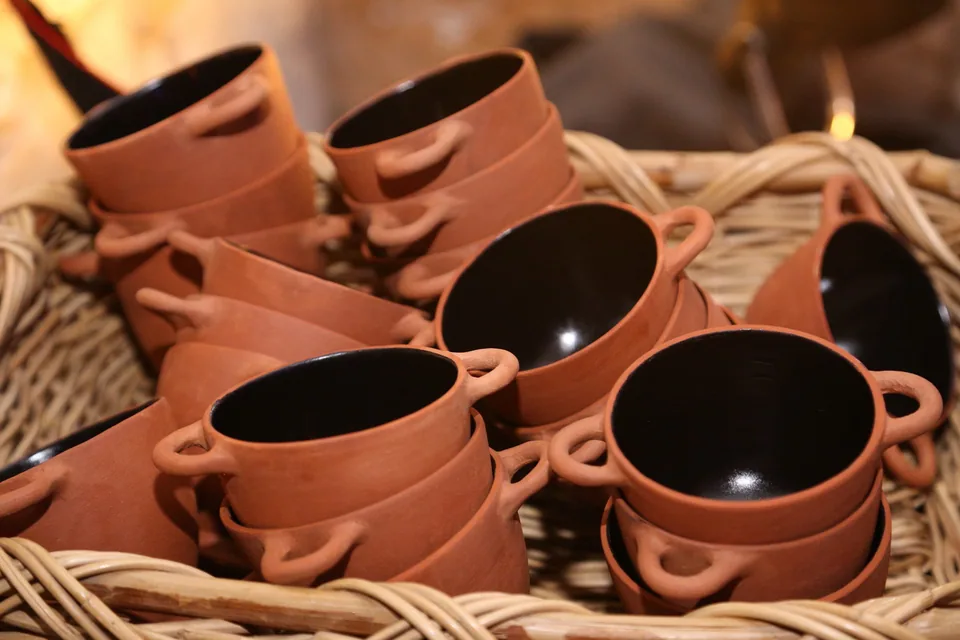
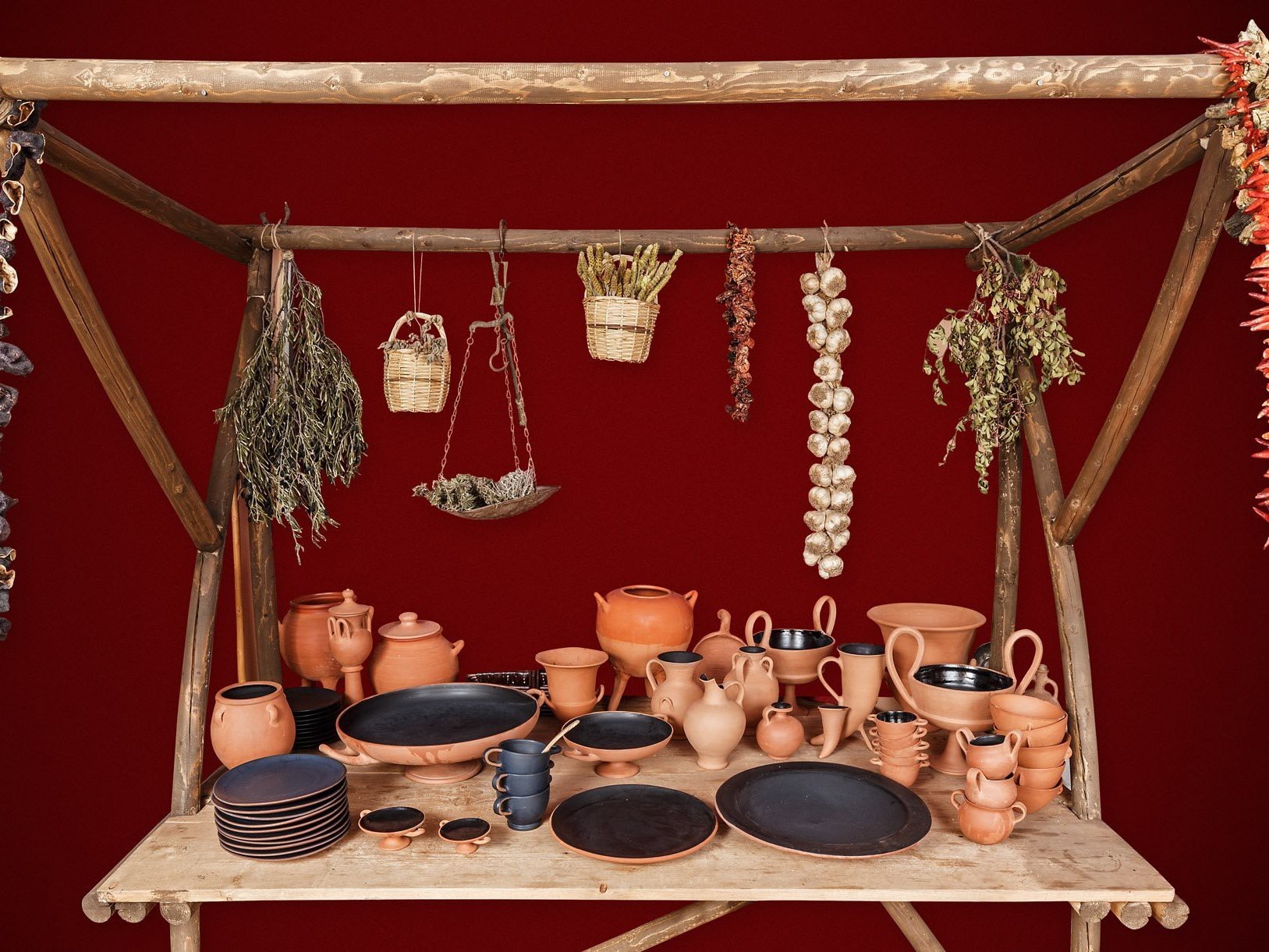
Handmade ceramic vessels, tableware, textiles and historically informed decorative elements shaped the material environment. Music continued throughout the symposium through voices, piano, synthesiser, percussion, wind instruments and reconstructed ancient instruments including lyre, harp and kitharis.
06A thirty-minute Seikilos choreography for three women and one man brought the musical and philosophical theme into embodied performance. Research material prepared for the commission traced the inscription, its notation, its modern journey and its relationship to the ancient symposium.
07The client requested complete visual privacy. The case therefore documents the creative direction and Archaeopolis production scope through the concept and material archive only; it publishes no guest identities, private-location details or photographs of the gathering.
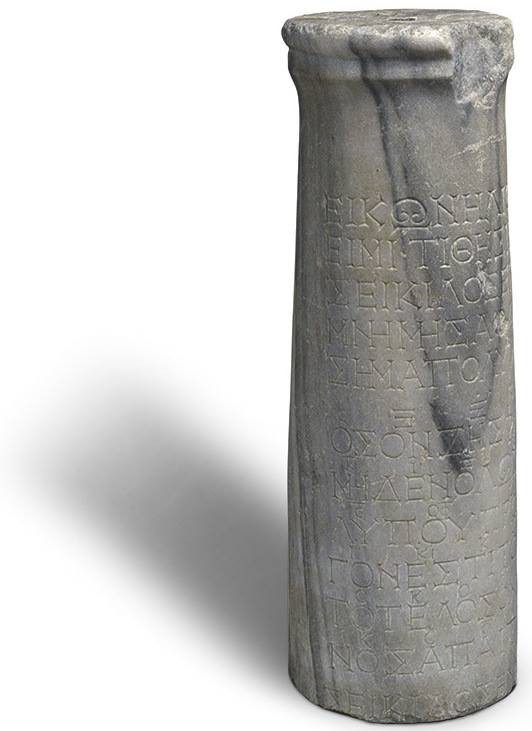 Archaeopolis concept archive · client, venue and event photography withheld