Greek–Roman visual research hub · 339 references in eleven collections
The Greek image
inside the Roman world.
A growing research library tracing Greek and Hellenistic pictorial traditions through Pompeii, the wider Mediterranean, Fayum portraiture and the visual culture of Late Antiquity. It is a visual-research index, not a library of images cleared for reuse.
Historical position
A lost Greek art,
made tangible again.
The celebrated panel and wall paintings of Classical and Hellenistic Greece have largely disappeared. Pompeii and the Vesuvian cities do not replace that lost corpus, nor should every image found there be called Greek. Yet their painted rooms preserve one of the most tangible surviving archives for understanding how Greek subjects, Hellenistic compositions and Mediterranean workshop traditions were collected, adapted and made visible inside the Roman world.
Roman authors themselves framed painting through a Greek canon. In Book 35 of the Natural History, Pliny the Elder built his account around painters such as Polygnotus, Zeuxis, Parrhasius, Apelles and Protogenes. Modern scholarship similarly identifies Greek and Hellenistic foundations within Pompeian decoration: architectural systems, mythological narratives, gods, heroes, landscapes and figure types were repeatedly translated for Roman patrons and domestic settings.
This inheritance was never simple copying. Pompeii was Italic, Samnite, Roman and deeply connected to the Greek-speaking Mediterranean. Its paintings belong to Roman social spaces and local histories, while carrying pictorial ideas whose roots reach into Greek theatre, mythology, philosophy, court culture and the art of the Hellenistic kingdoms. The archive is therefore best understood as Greek–Roman: a field of transmission, selection and transformation.
In AD 79, the eruption of Mount Vesuvius buried Pompeii beneath volcanic ash and lapilli. The disaster ended the life of the city, yet the material that covered it also preserved buildings, painted rooms, mosaics, inscriptions, graffiti, vessels, food remains and traces of gardens. Excavation since the eighteenth century has gradually revealed a complex society rather than a frozen theatrical set.
Pompeian houses were carefully organised environments. The atrium, garden court, dining room and decorated reception spaces expressed household identity and social position. Wall paintings opened imaginary views onto architecture, landscape, mythology and ritual; mosaics animated thresholds and floors; fountains, sculpture and planting turned gardens into composed interior worlds.
Food and wine connected the city to the wider Vesuvian countryside. Presses, storage vessels, kitchens, bakeries, shops and dining rooms speak of production as well as pleasure. Religious images and household shrines existed beside commercial signs and political messages, showing how sacred, civic and private life overlapped within the same streets.
The Fayum mummy portraits extend the enquiry into Roman-period Egypt, where Egyptian funerary practice, Greek cultural inheritance and Roman portrait conventions met in painted faces on wooden panels. Their modelling, direct gaze, encaustic technique and Mediterranean colour vocabulary offer an important visual and technical bridge toward Late Antique portraiture.
Early Byzantine icons did not descend from a single source in a straight, unbroken line. Nevertheless, works such as the encaustic icons preserved at Sinai share materials, frontal encounter, concentrated facial modelling and tonal colour relationships with the wider Late Antique panel-painting world to which the Fayum portraits belong. The continuity is best described as a living pictorial ecology: techniques and ways of making a face present were reshaped for a new Christian purpose.
Across Pompeian fresco, Fayum panel and early icon, related earth reds, ochres, deep blacks, whites and blue-green accents create visible palette affinities. These similarities are not proof that every workshop followed one formula; they reveal the persistence of Mediterranean materials and colour thinking across Greek, Roman, Egyptian and Byzantine contexts.
UNESCO recognises Pompeii, Herculaneum and the villas of Torre Annunziata as an unparalleled record of Roman urban, architectural, decorative and daily life. This Greek–Roman hub expands that foundation to study transmission across cultures and centuries. It supports Archaeopolis research into historical environments, material culture and interpretation; it does not present the reference images as Archaeopolis productions.
All 339 images are shown as uncatalogued research references. This public index does not grant or assert permission for republication or commercial reuse; any such use requires image-by-image verification from the relevant creator or institution. Exact duplicate files have been omitted from the thematic collections.
Collection I · Pompeii working archive · 133 images
Architecture, image
and everyday evidence.
The sequence is preserved in full. Numbering provides a stable reference for the next provenance review, when subjects, locations, dates, sources and rights can be confirmed image by image.
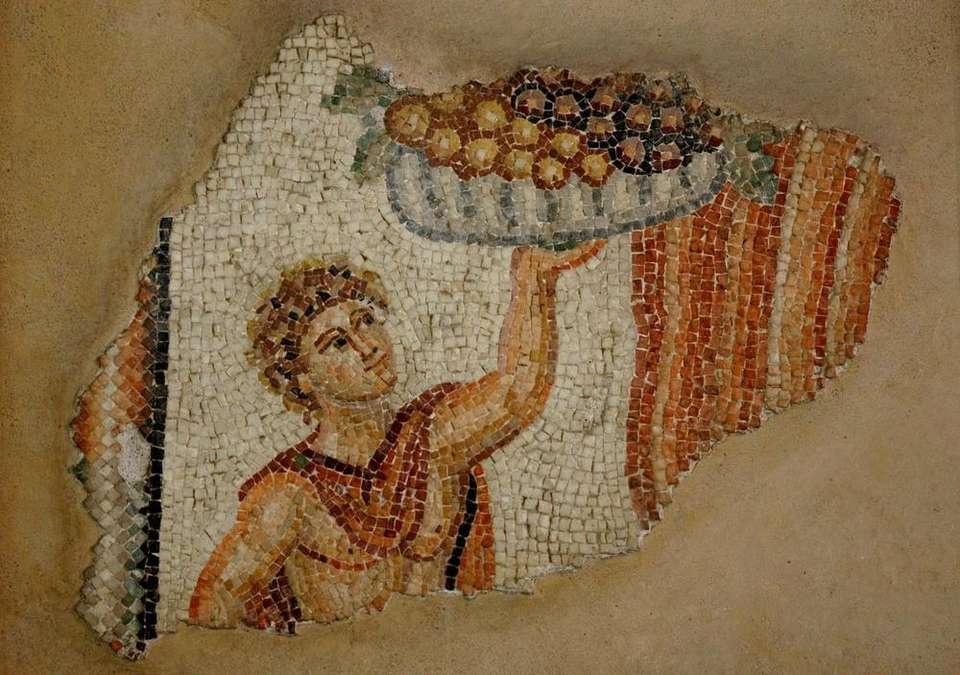
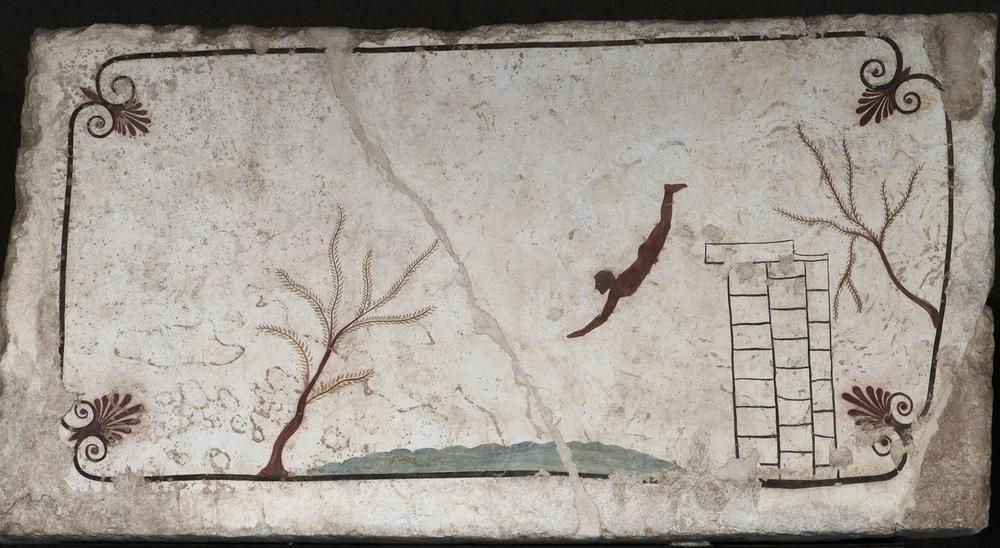
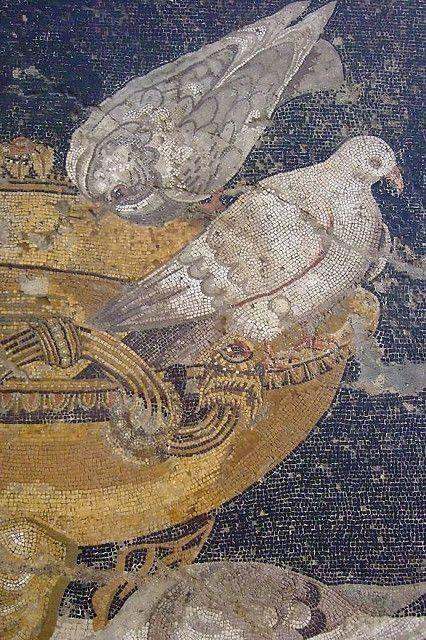
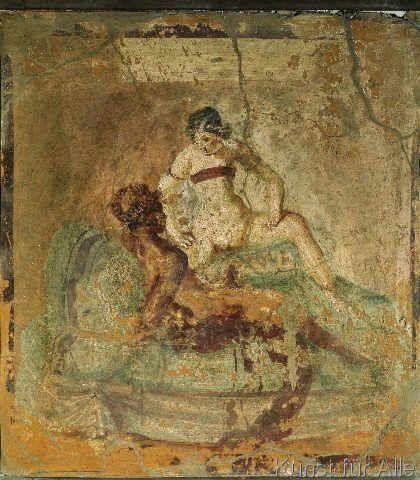
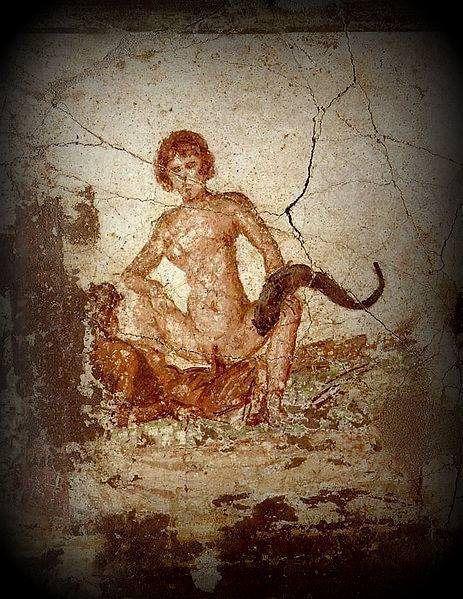
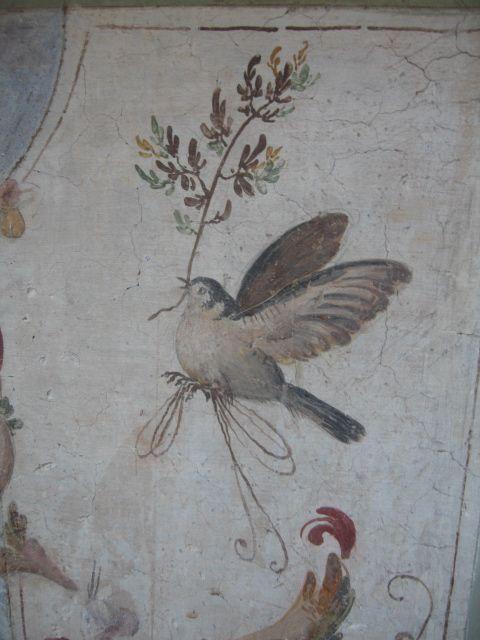
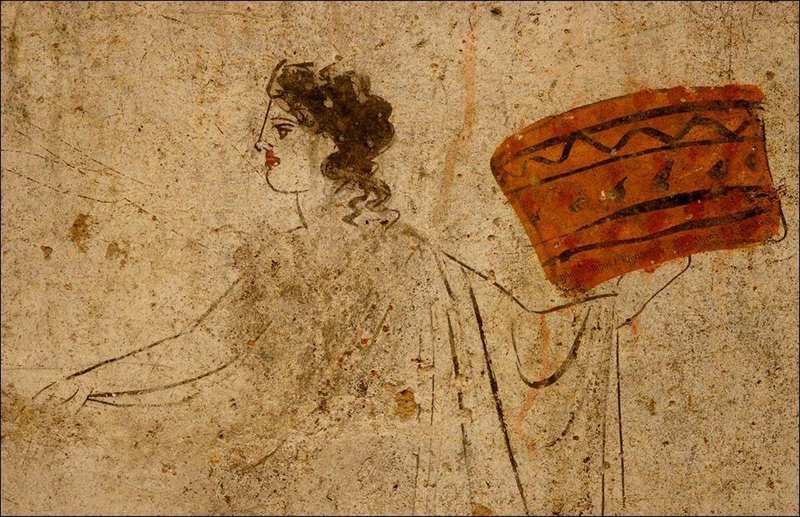
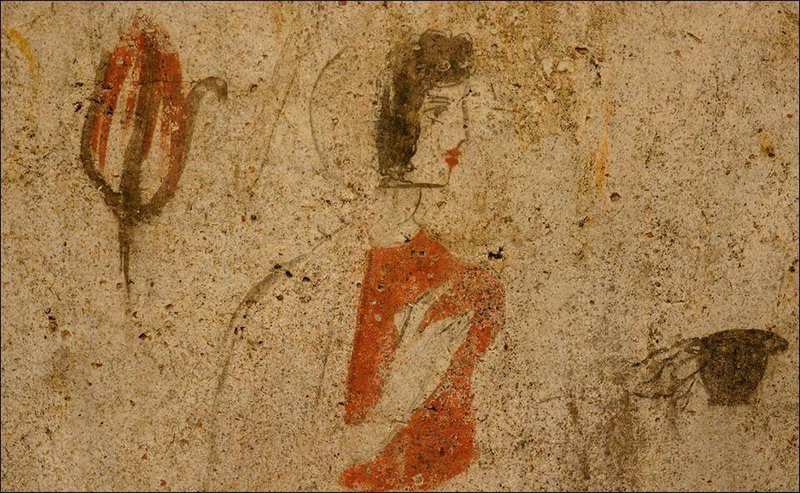
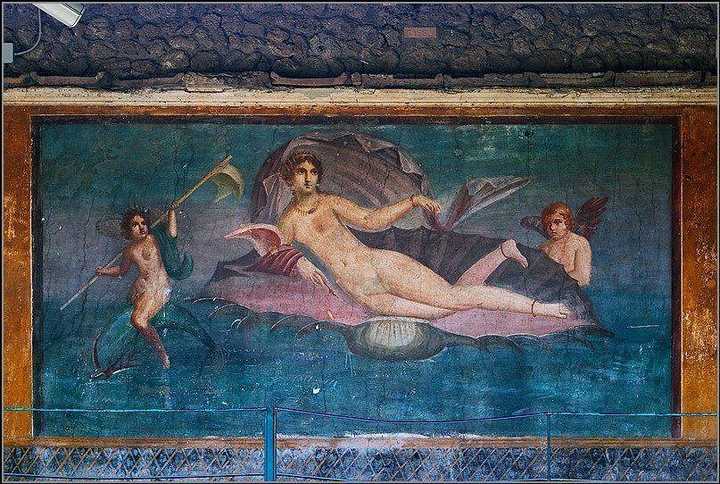
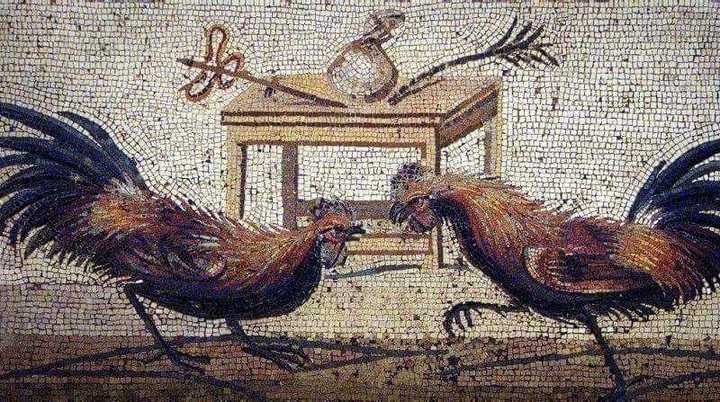
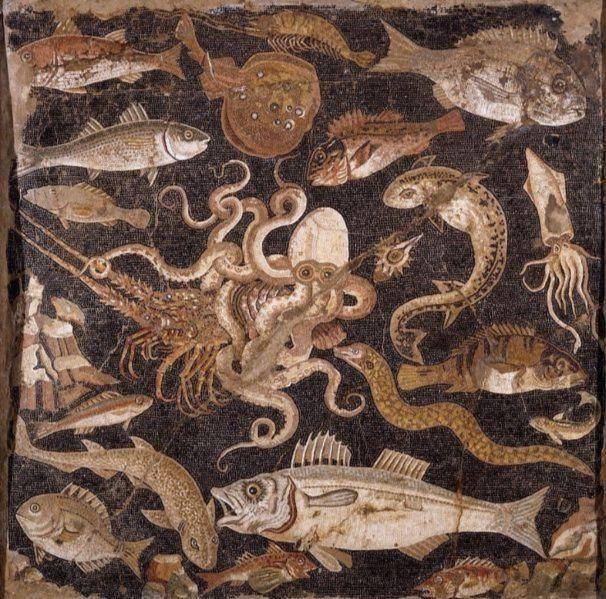
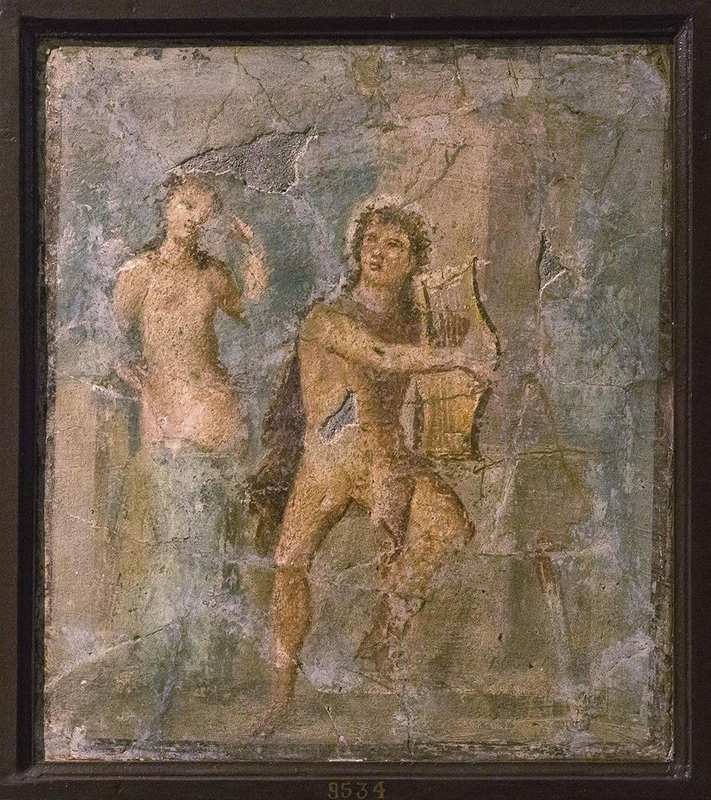
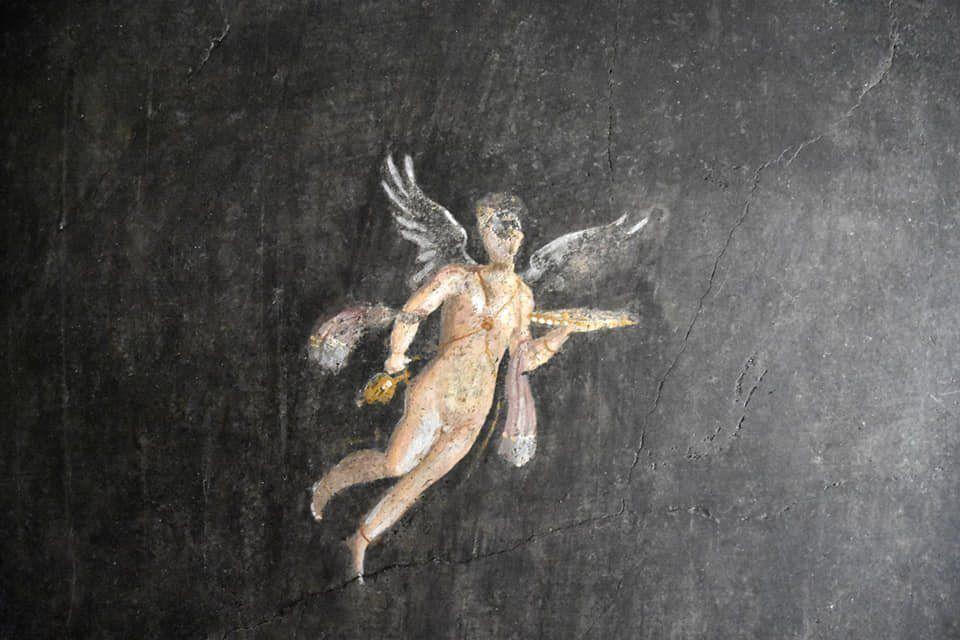
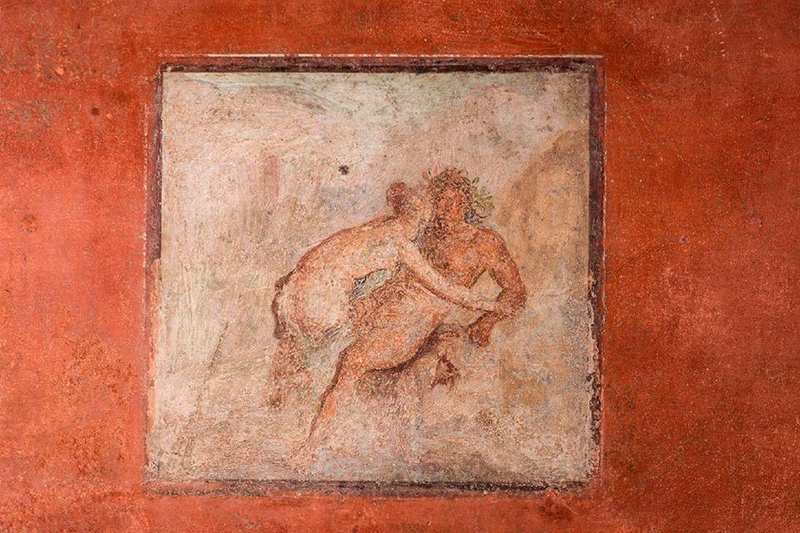
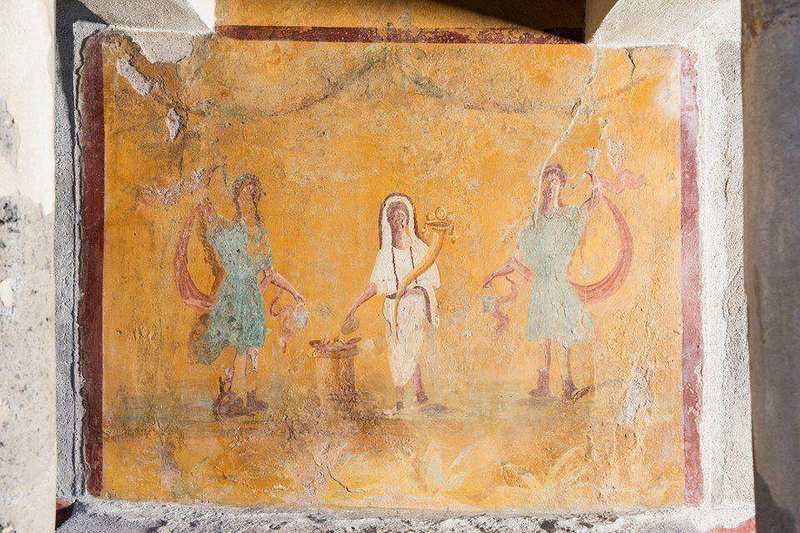
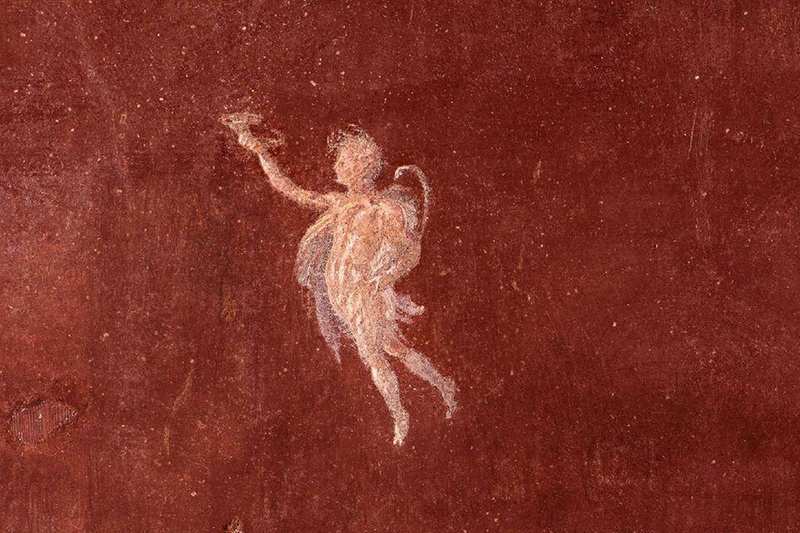
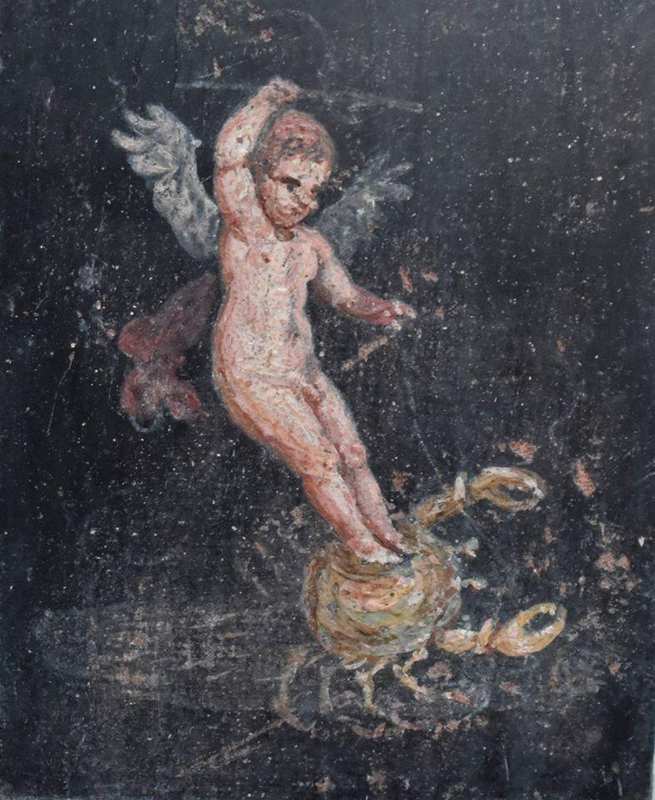
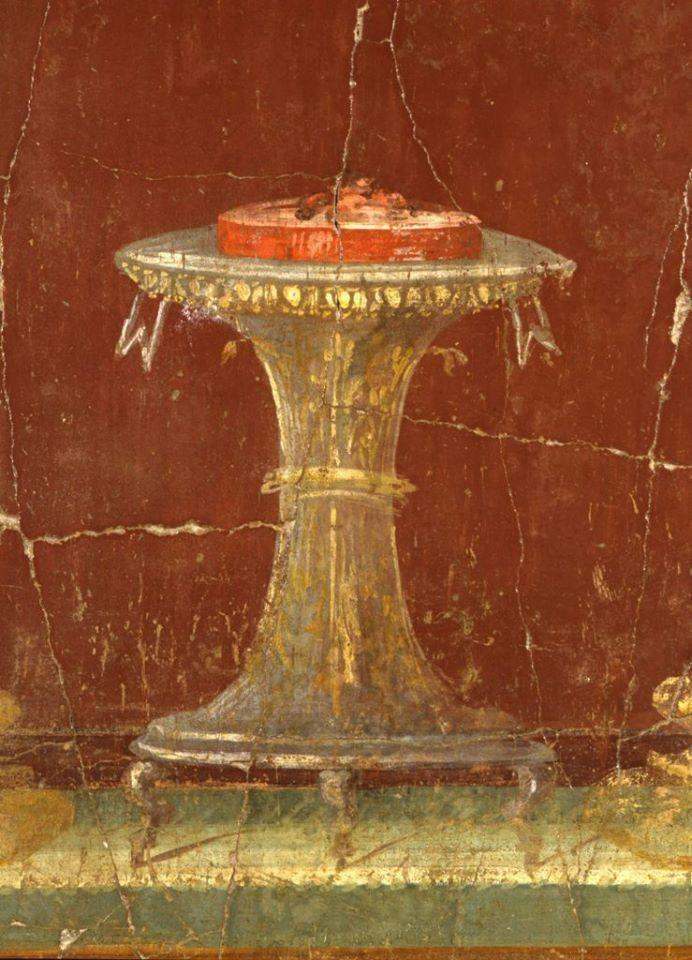
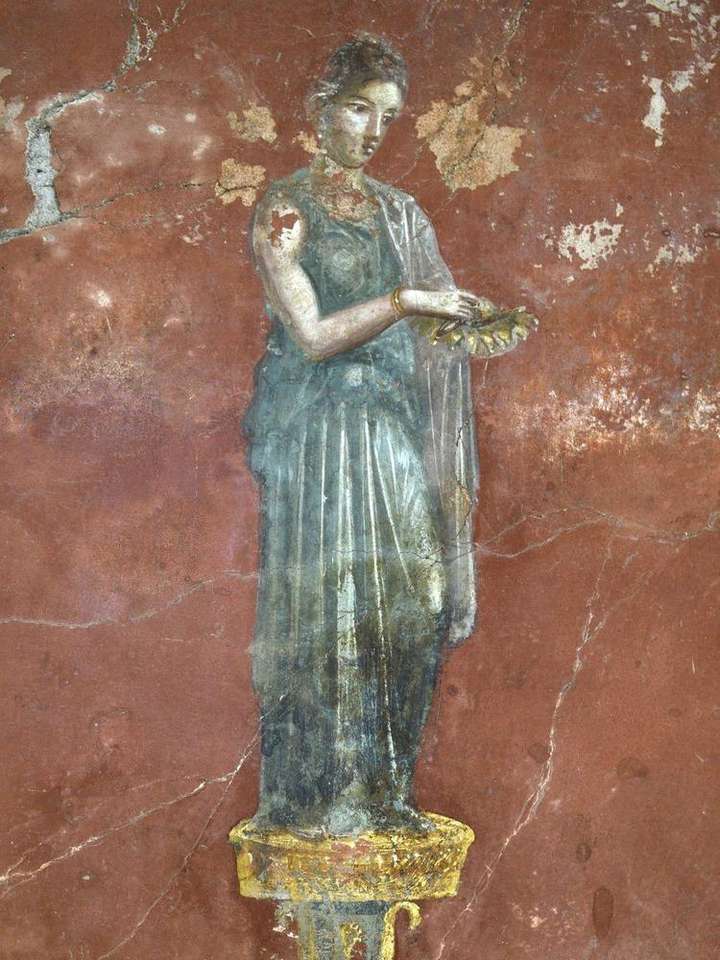
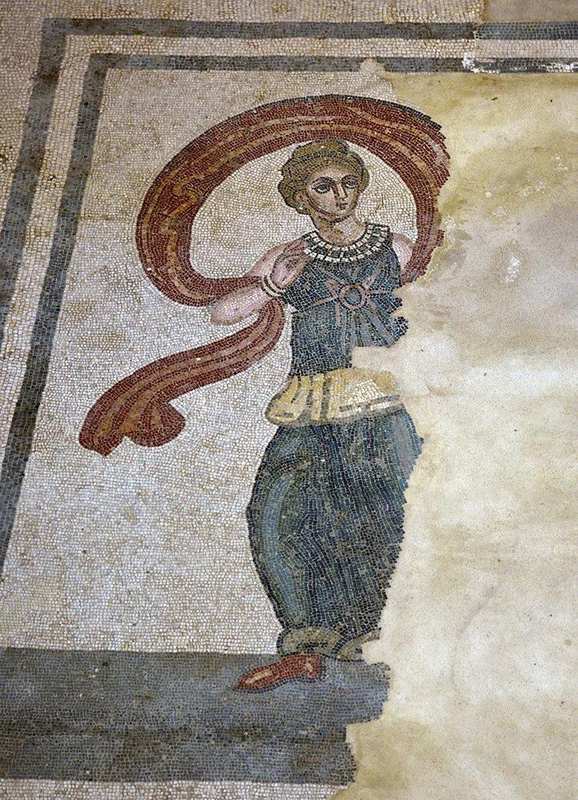
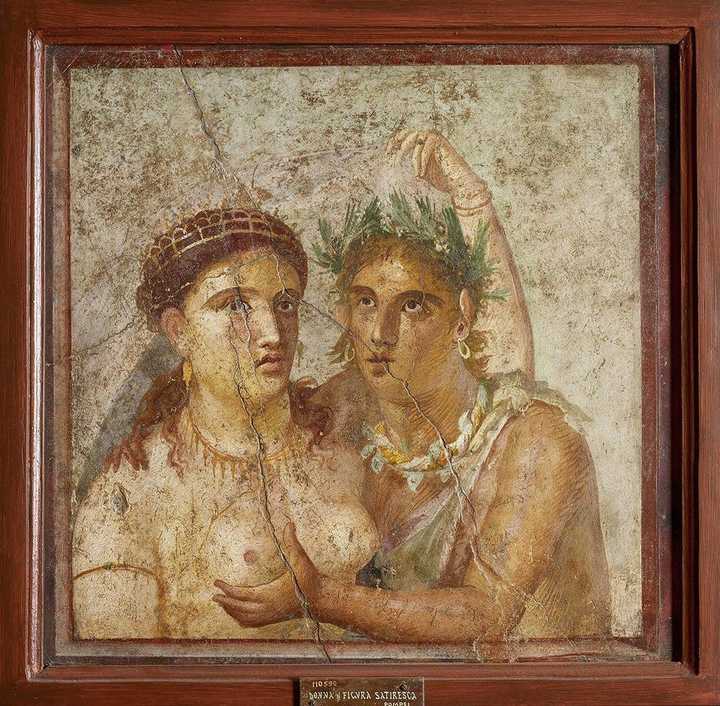
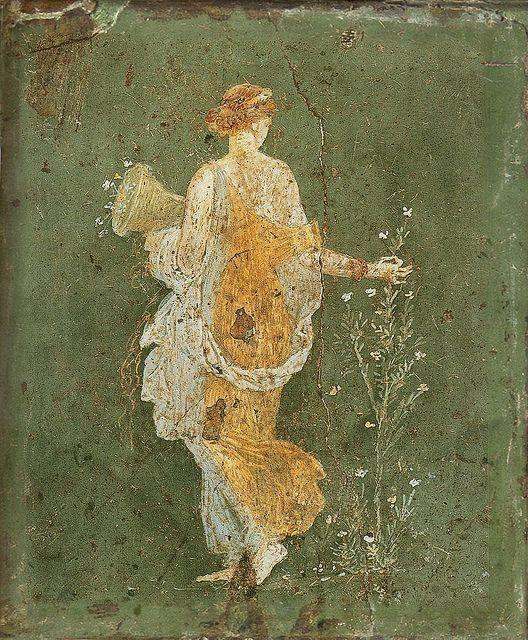
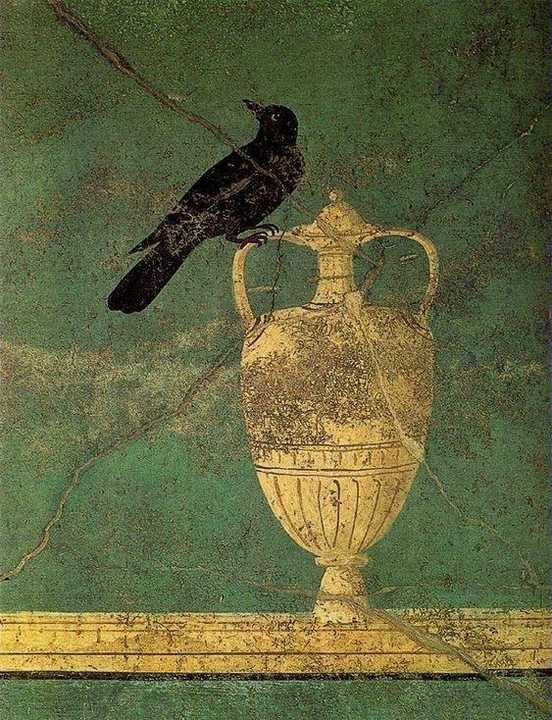
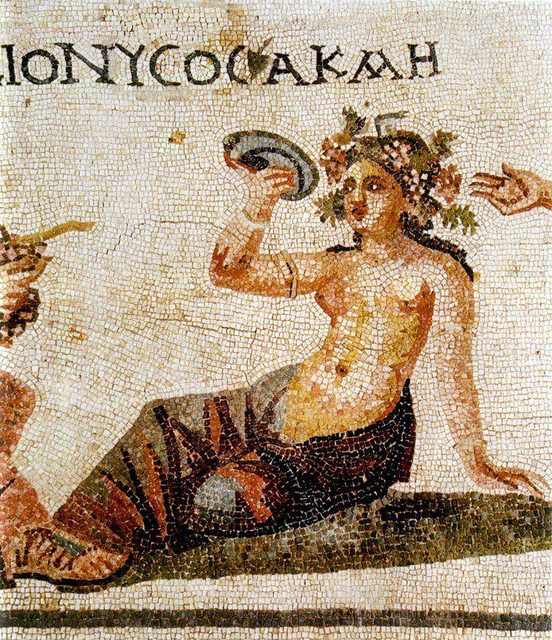
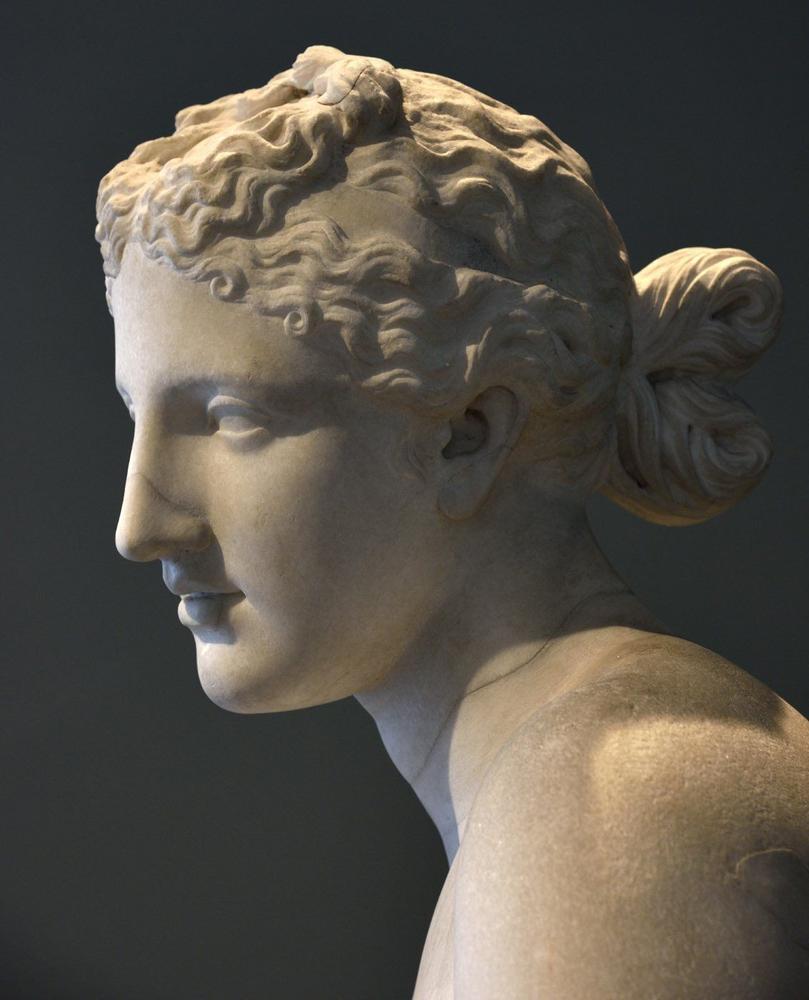
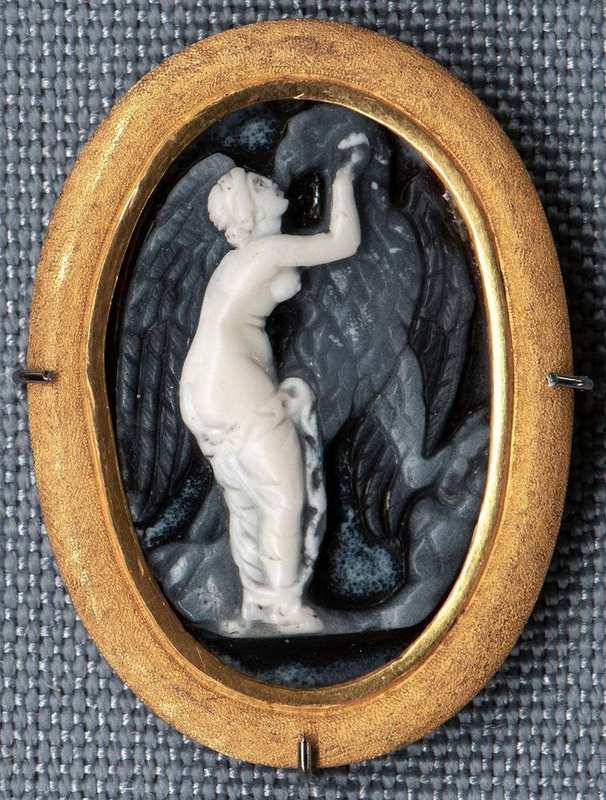
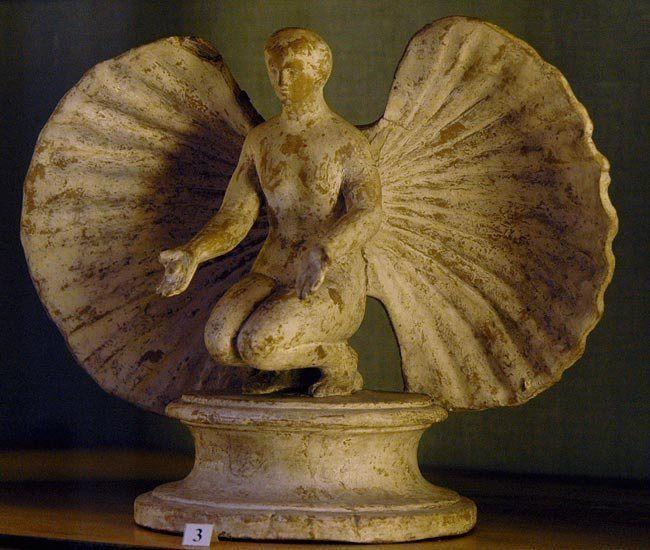
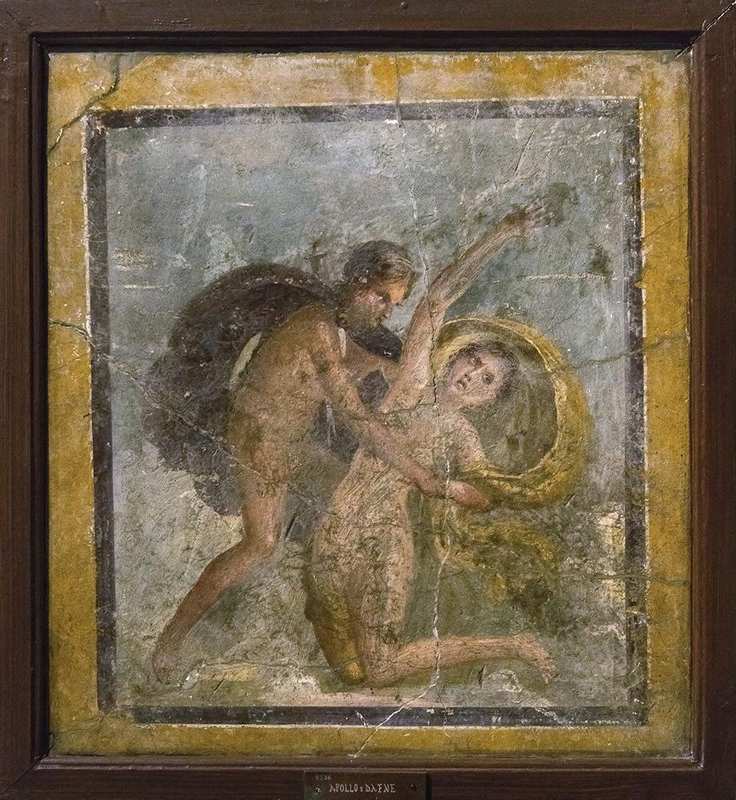
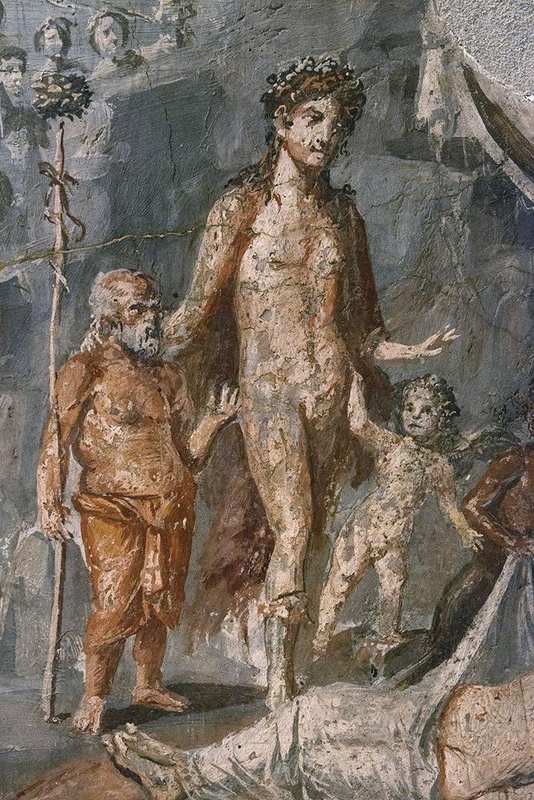
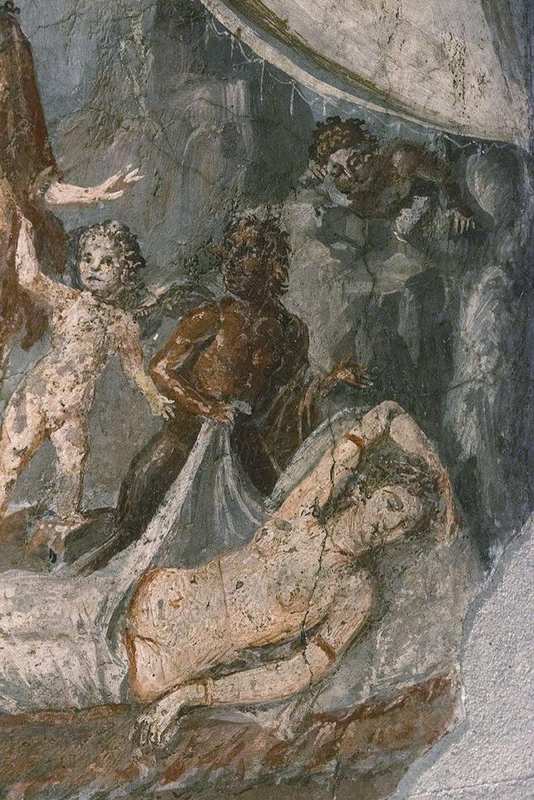
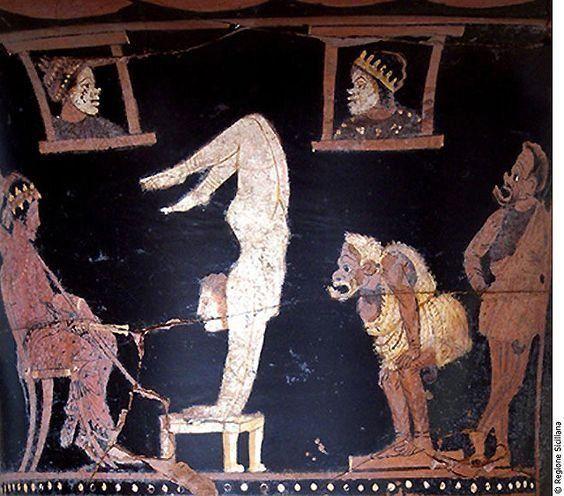
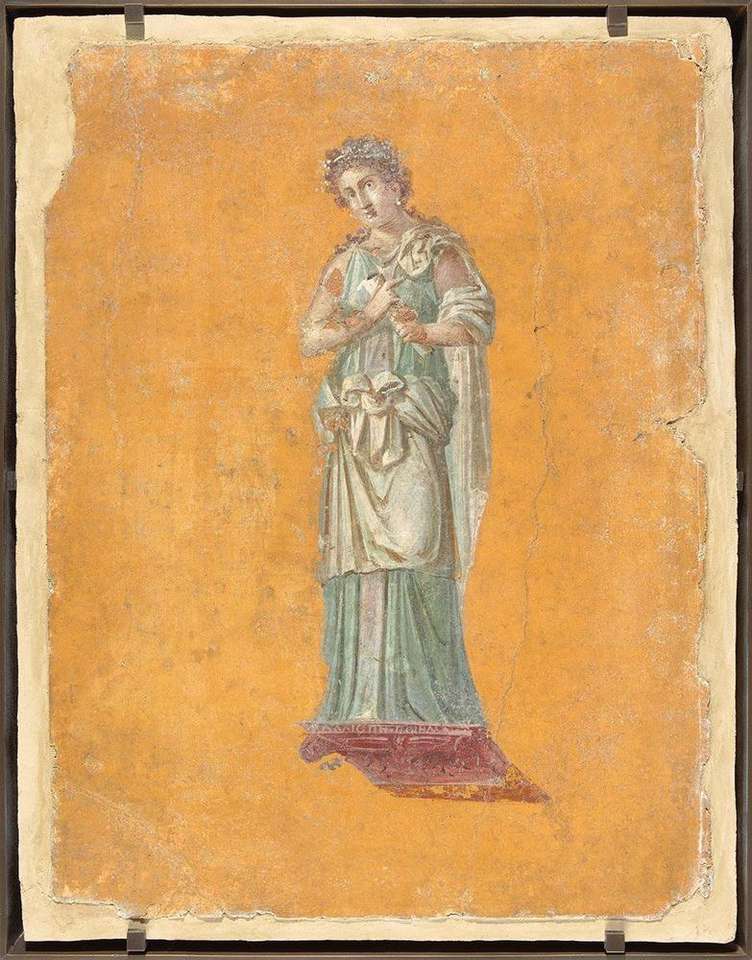
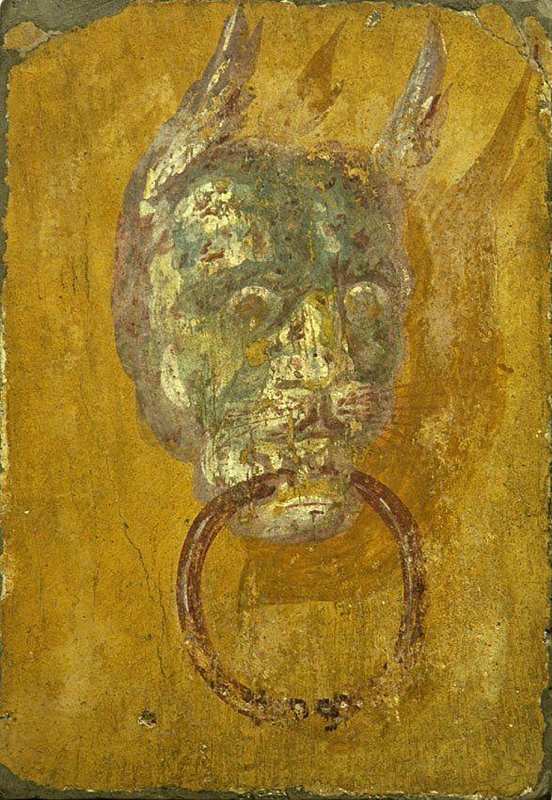
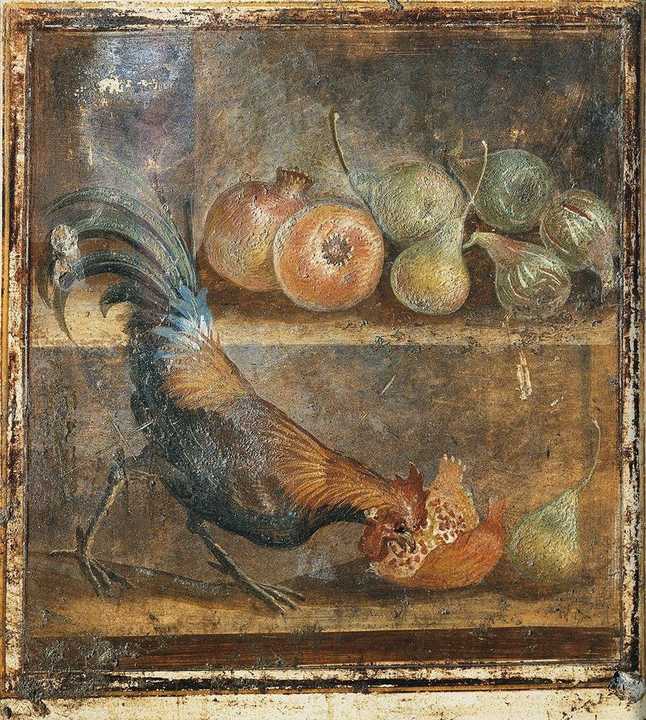
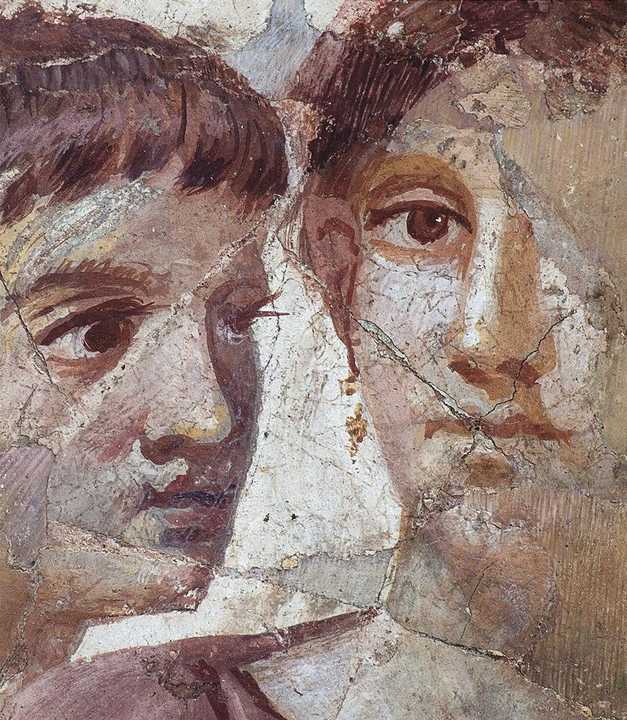
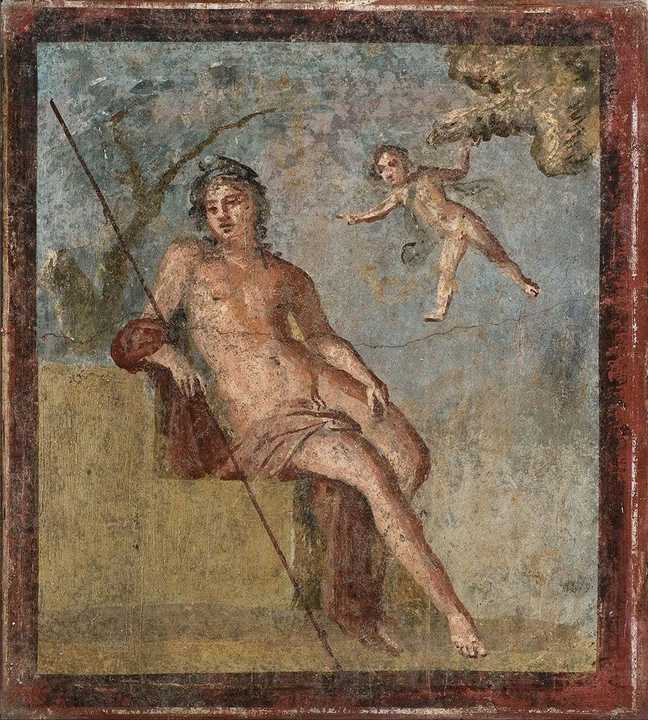
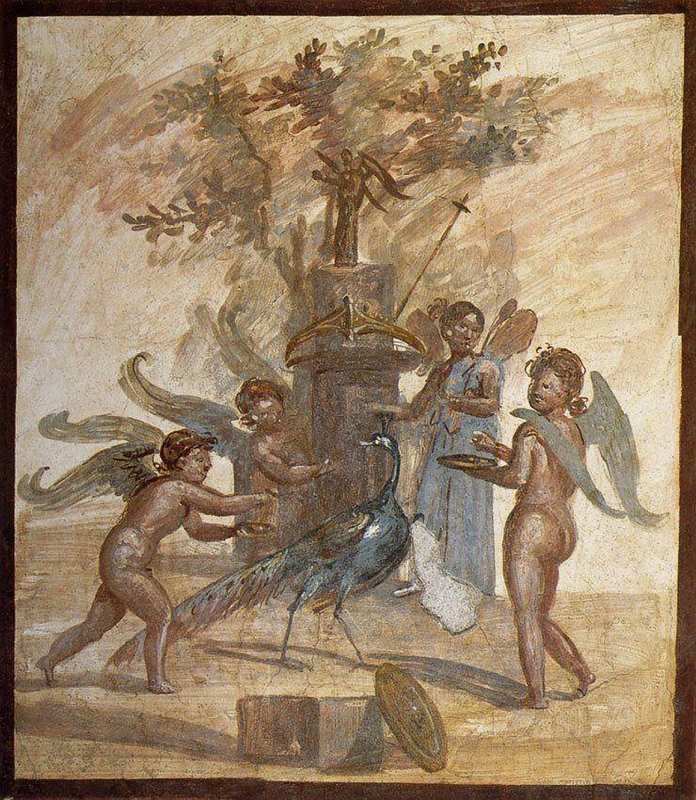
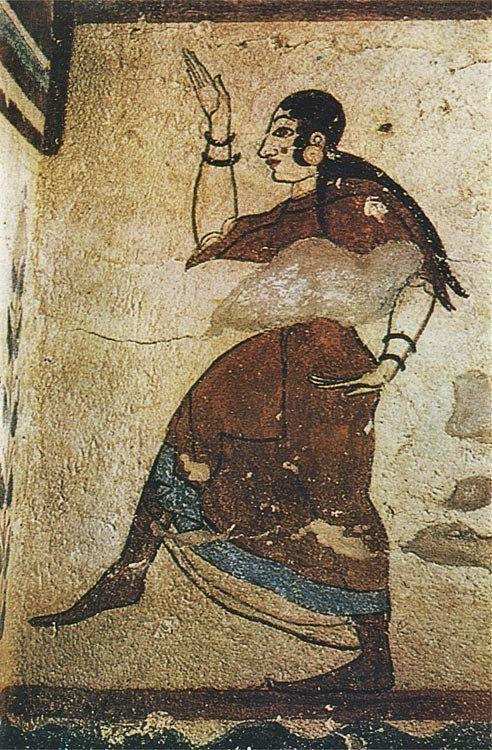
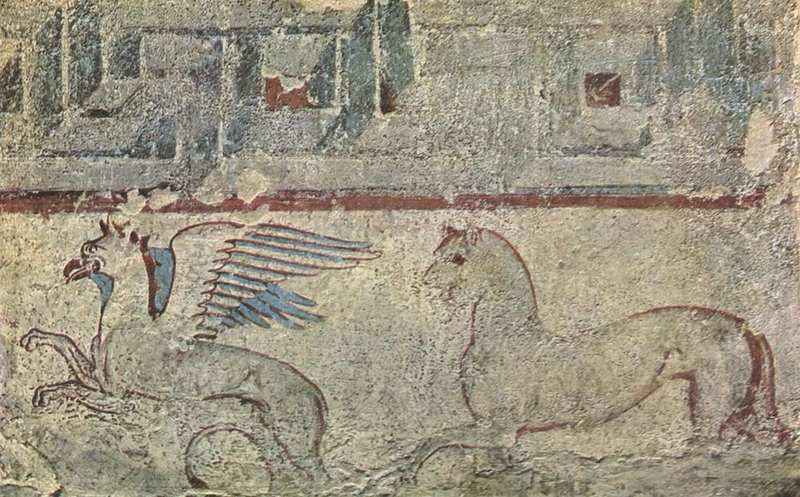
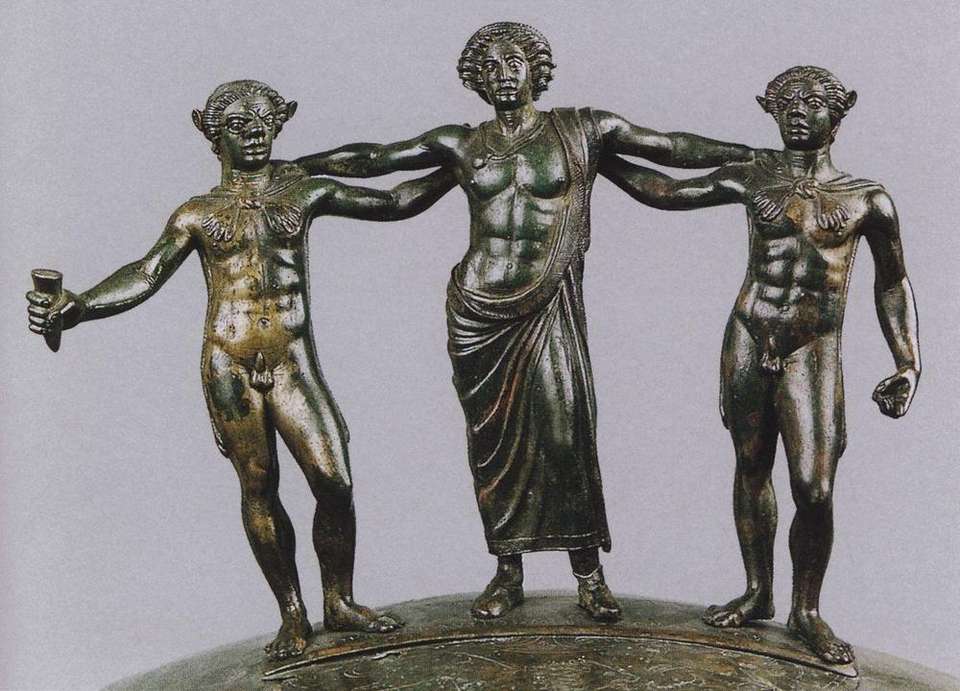
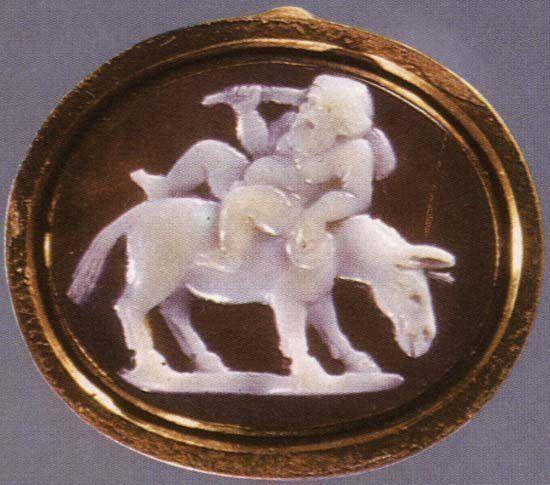
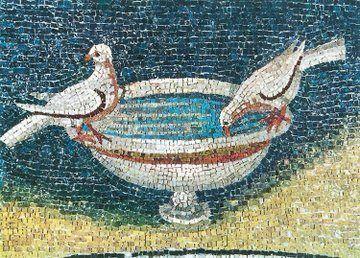
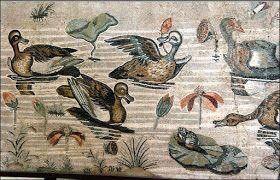
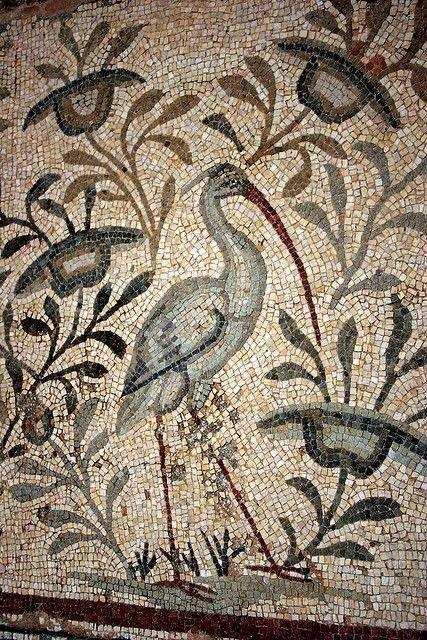
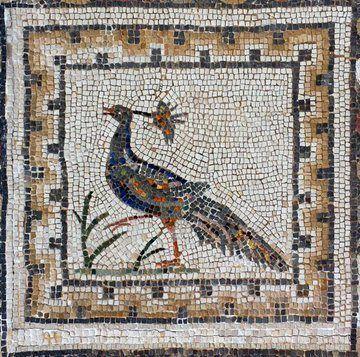
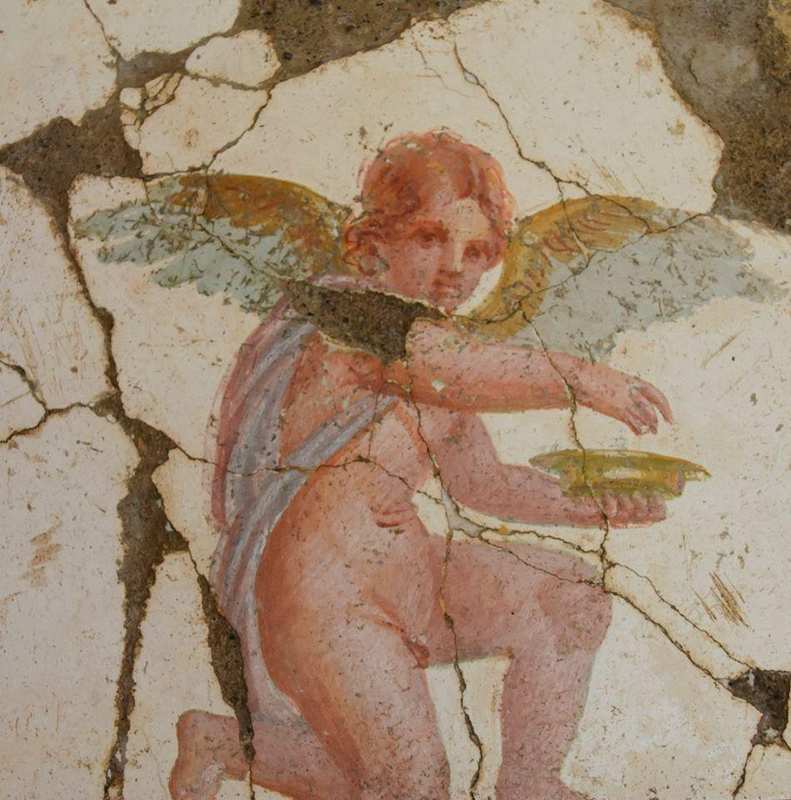
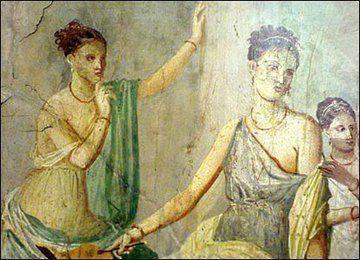
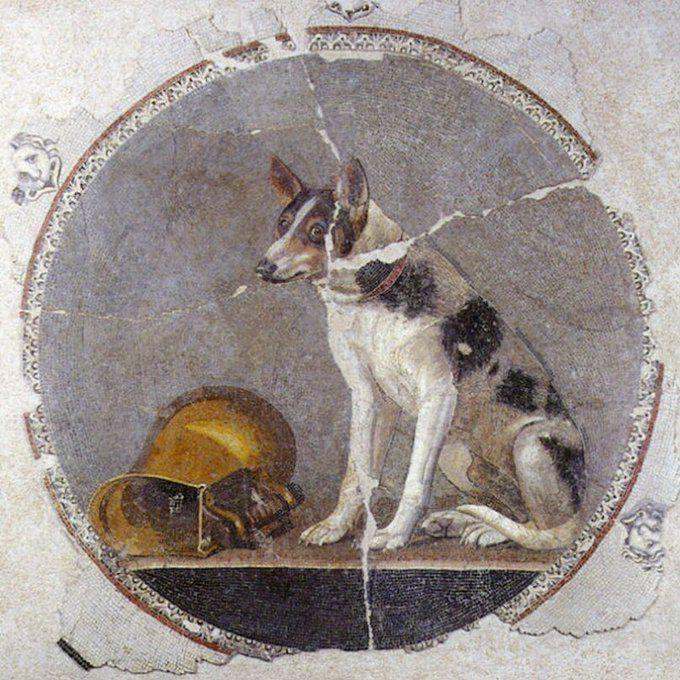
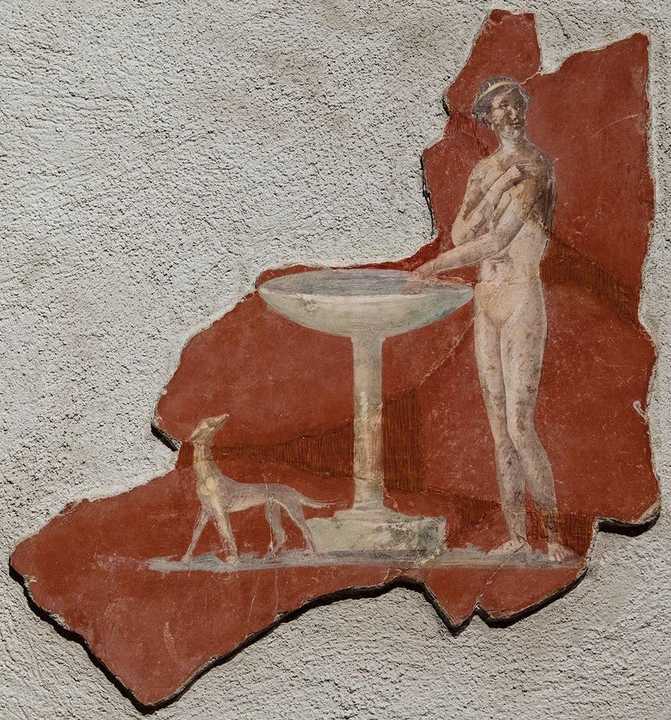
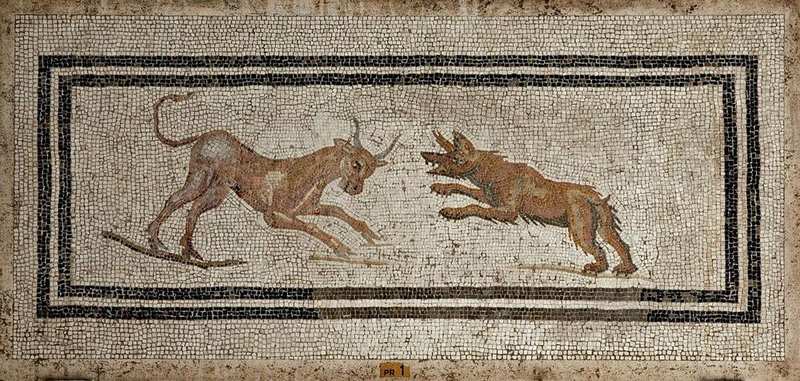
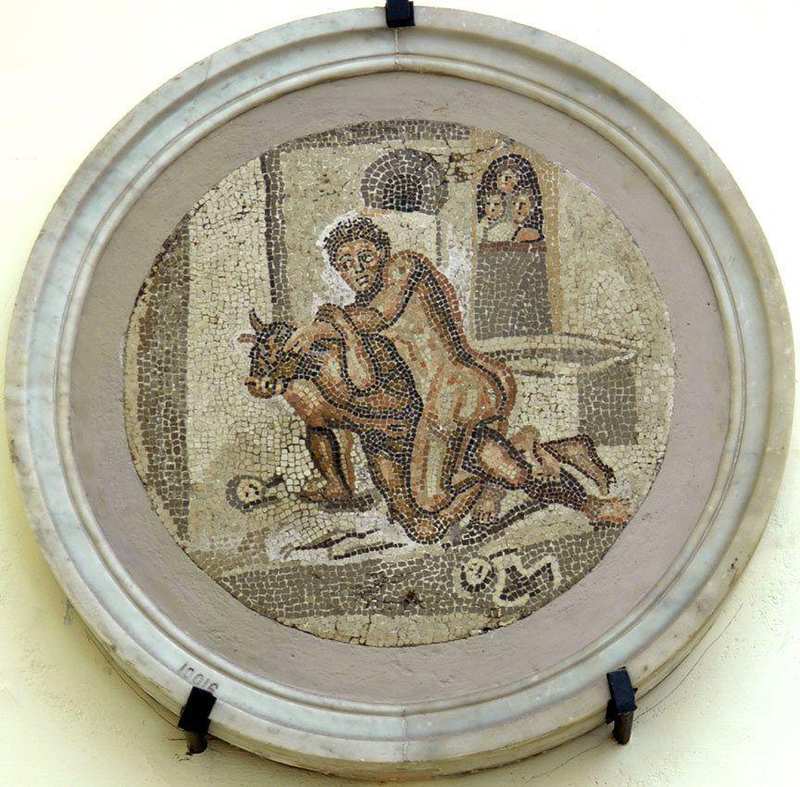
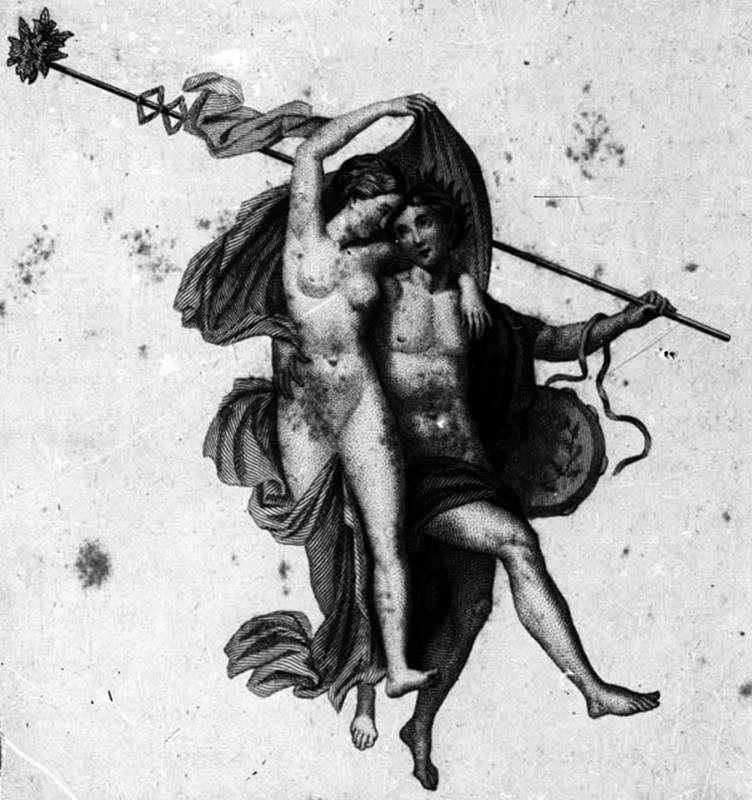
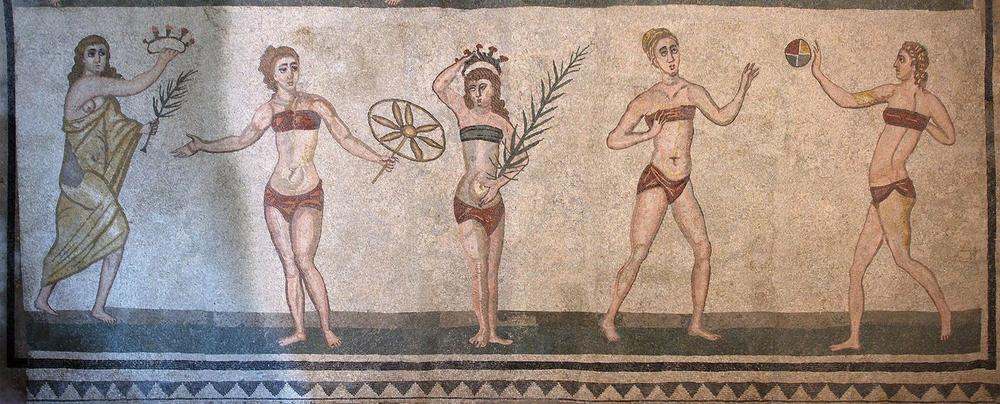
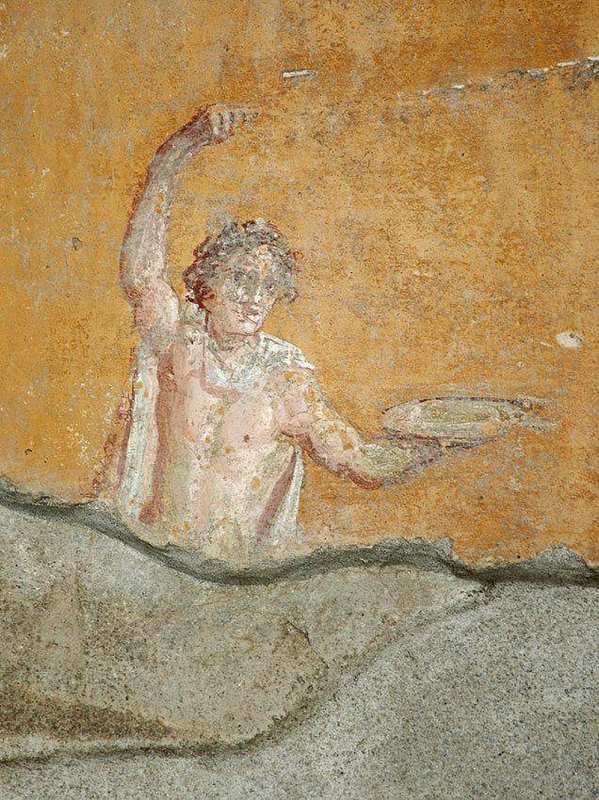
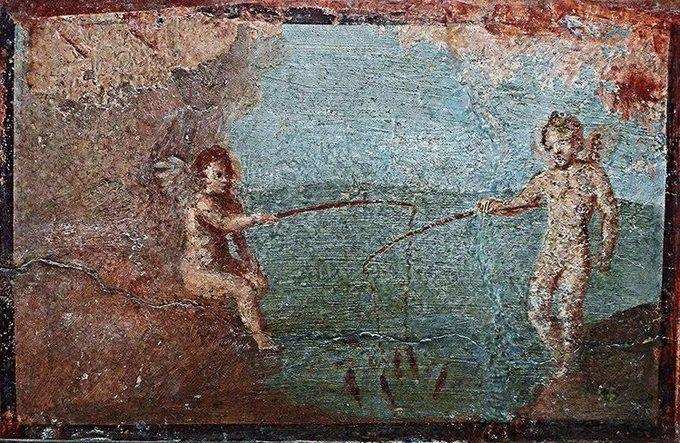
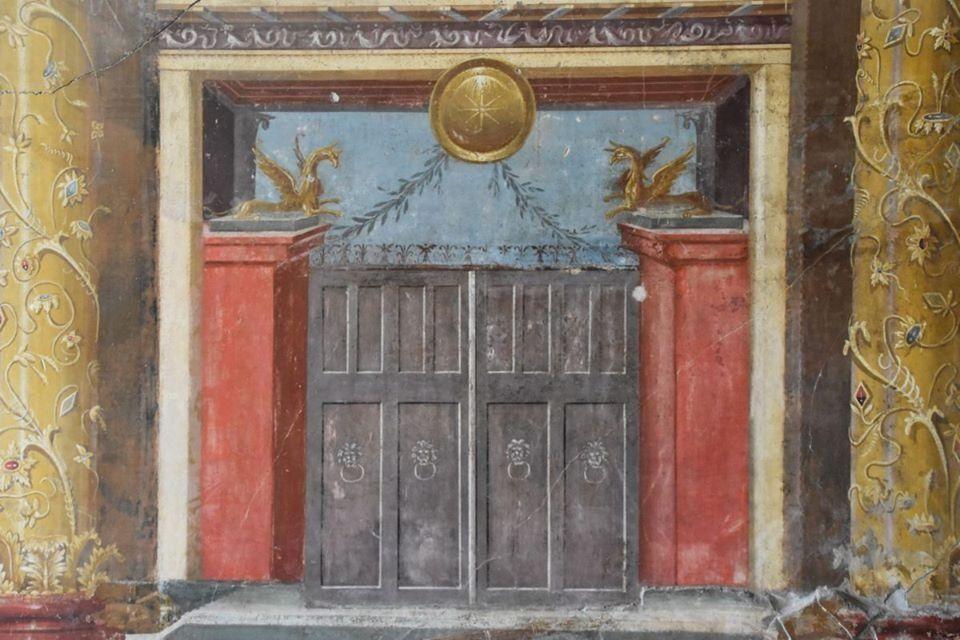
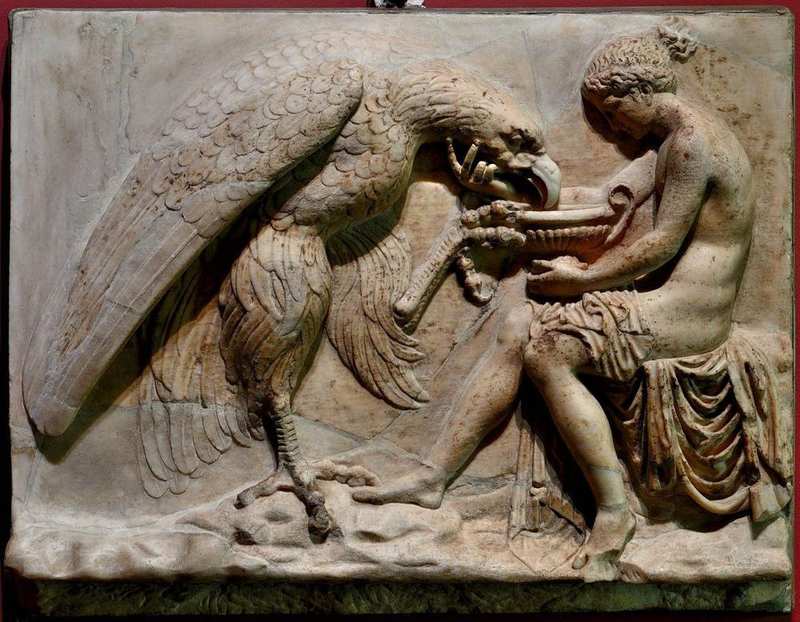
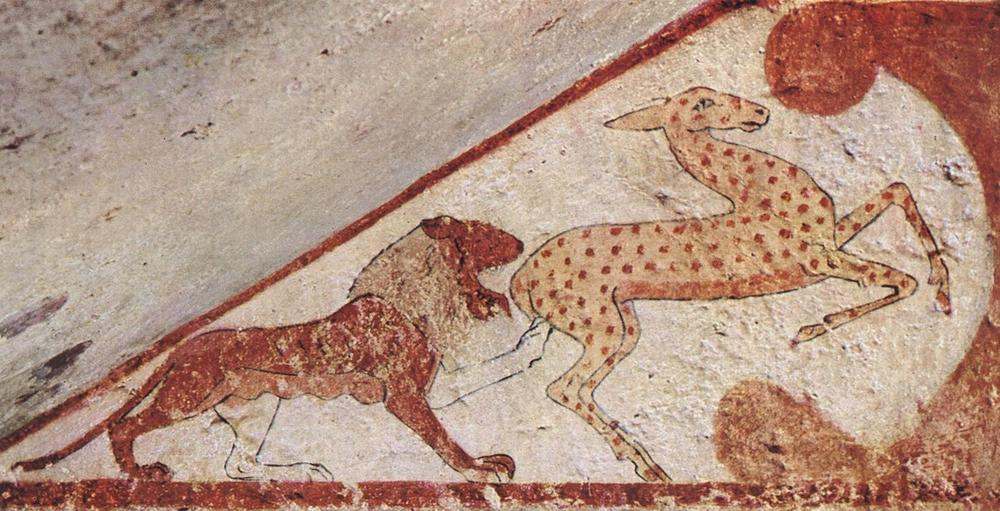
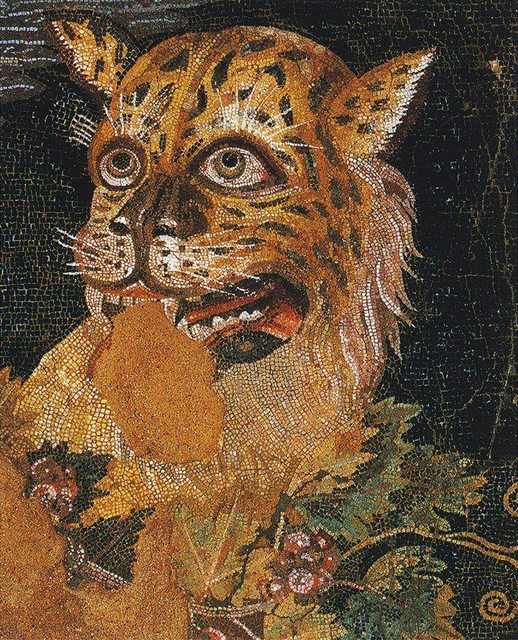
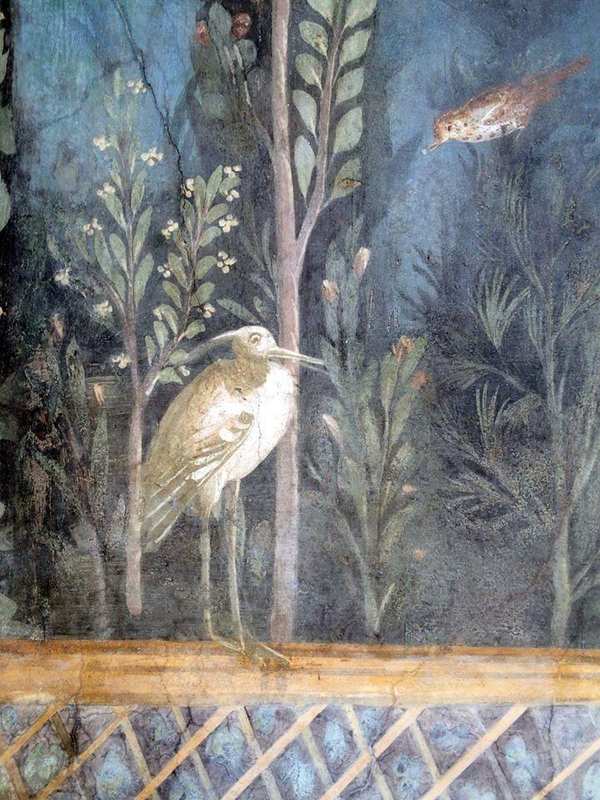
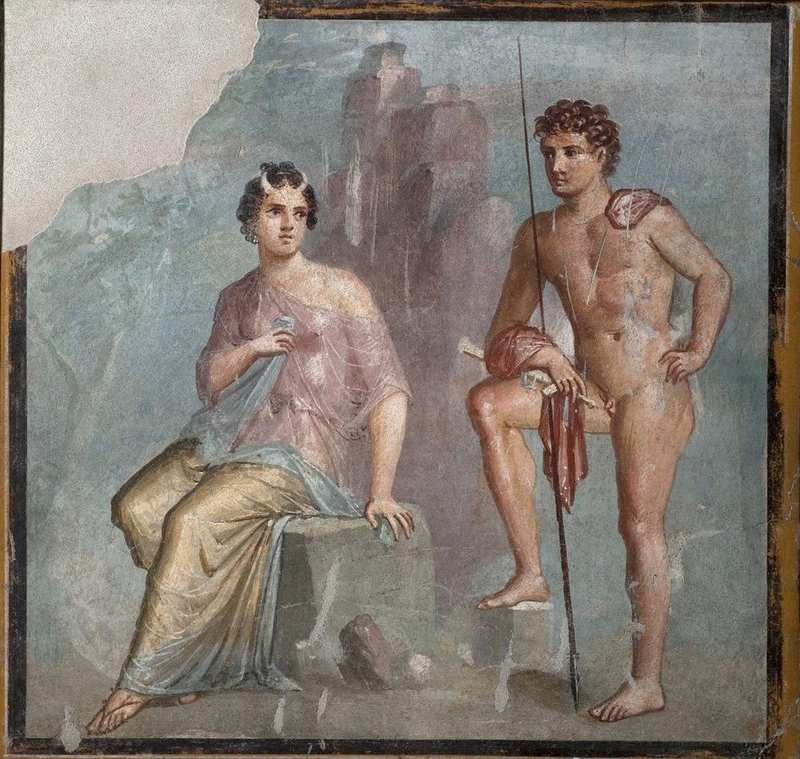
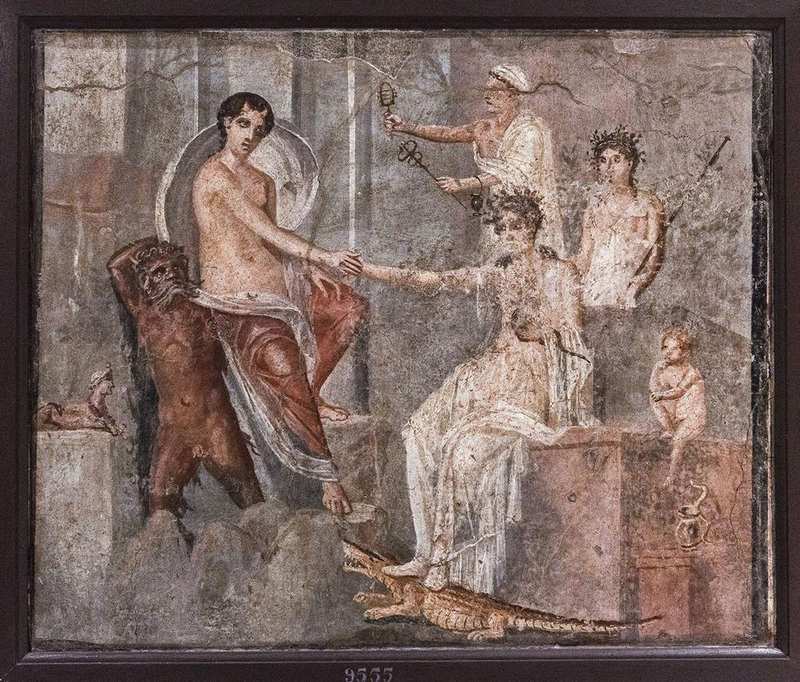
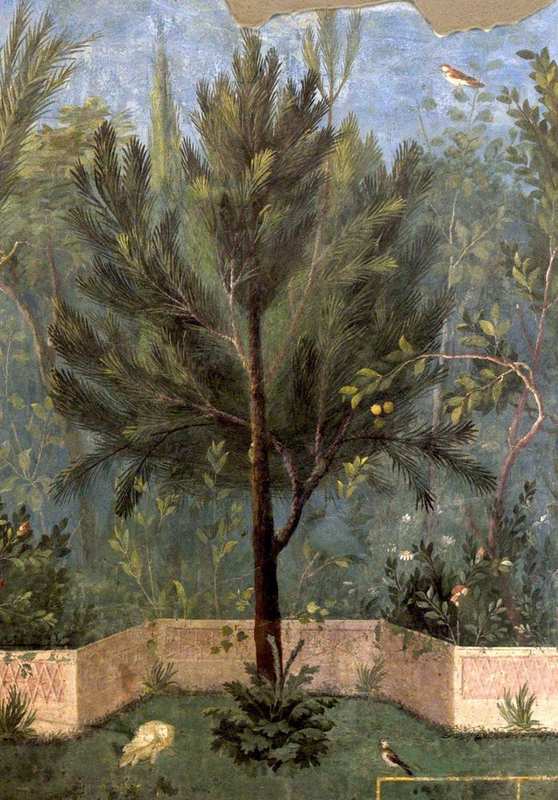
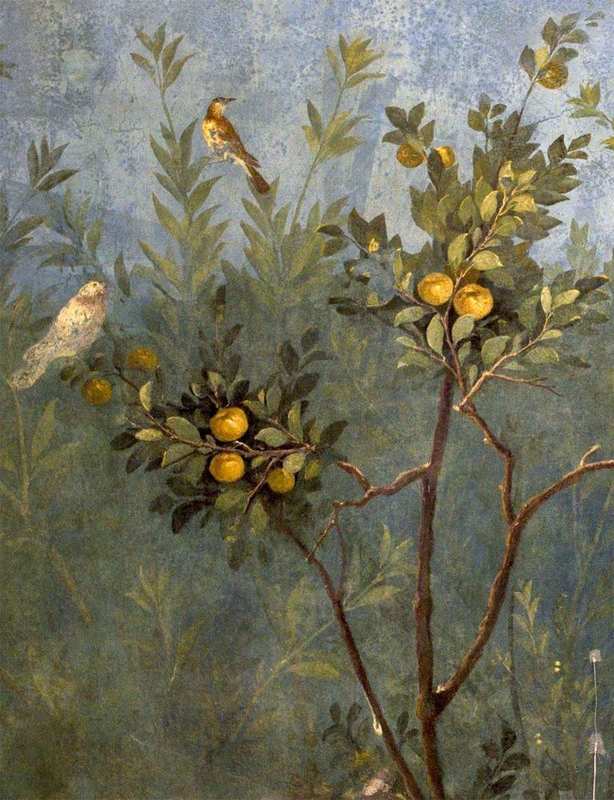
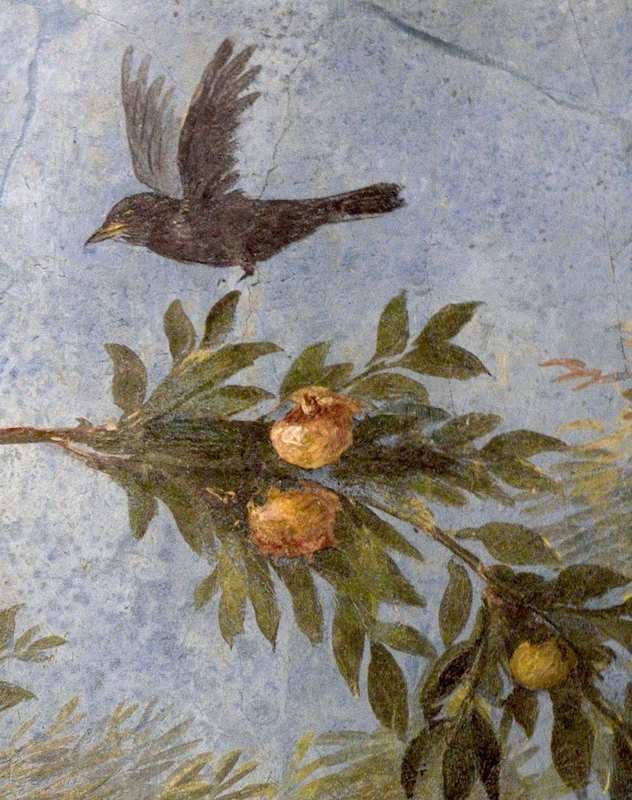
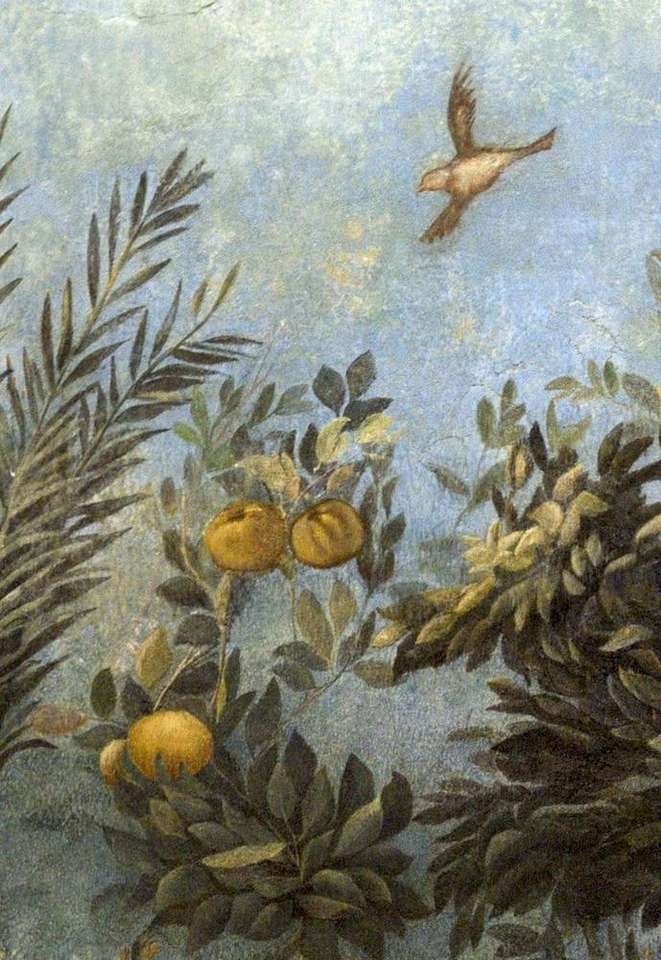
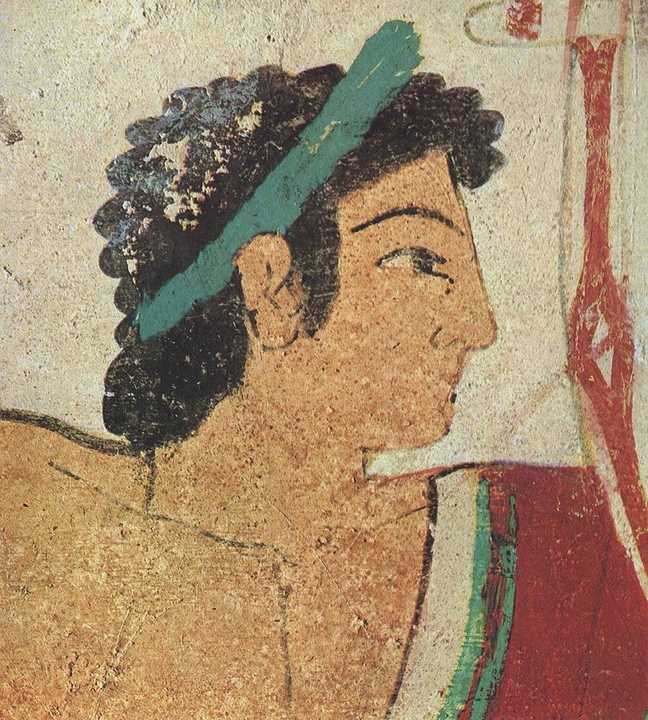
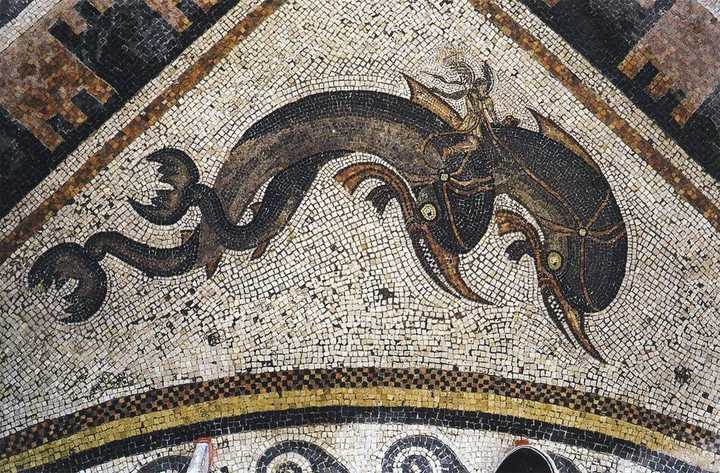
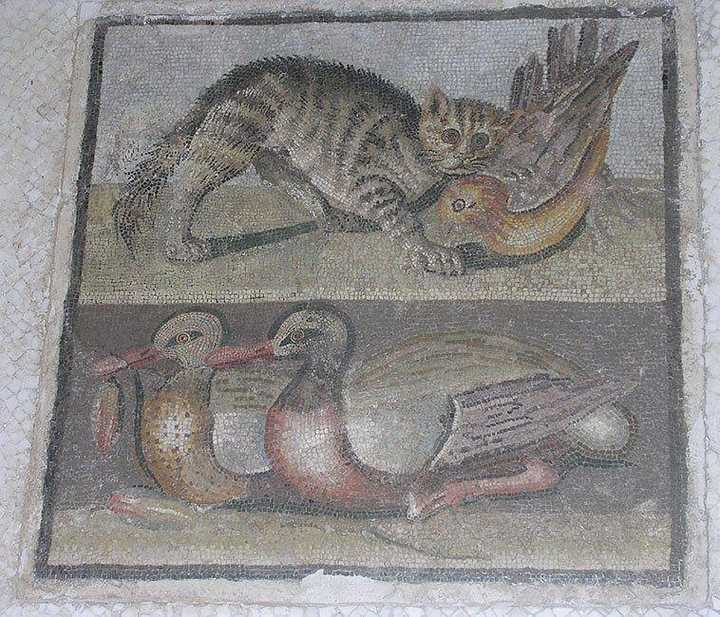
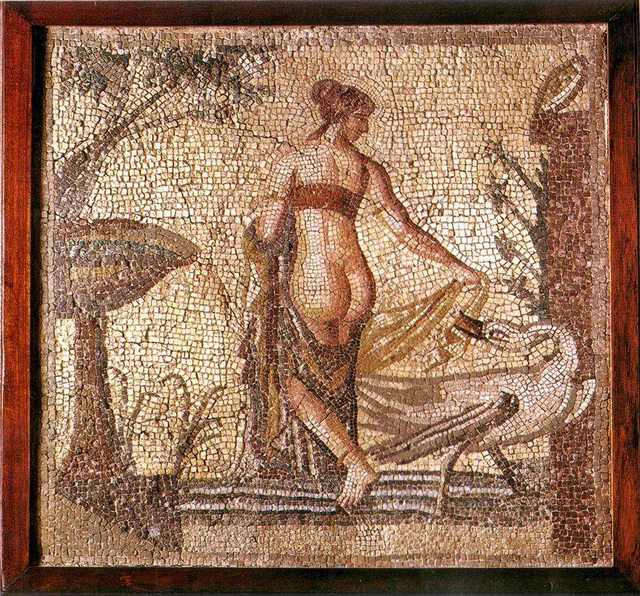
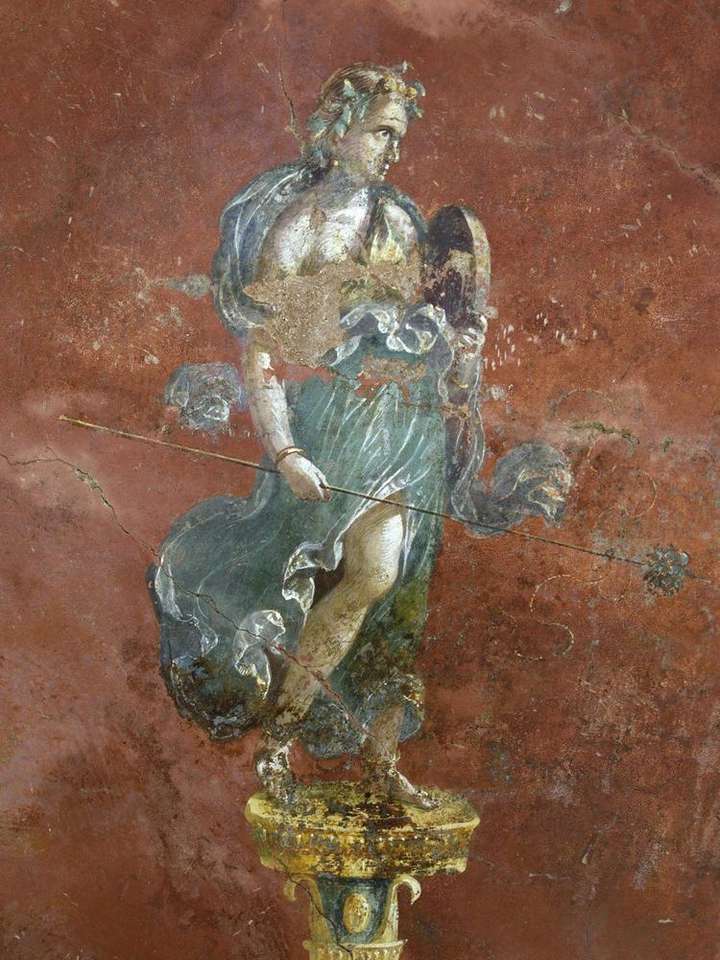
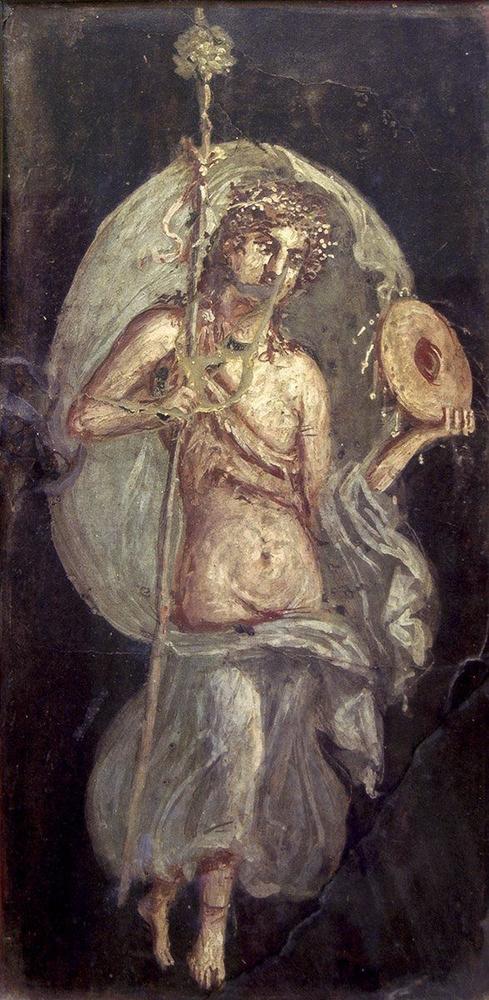
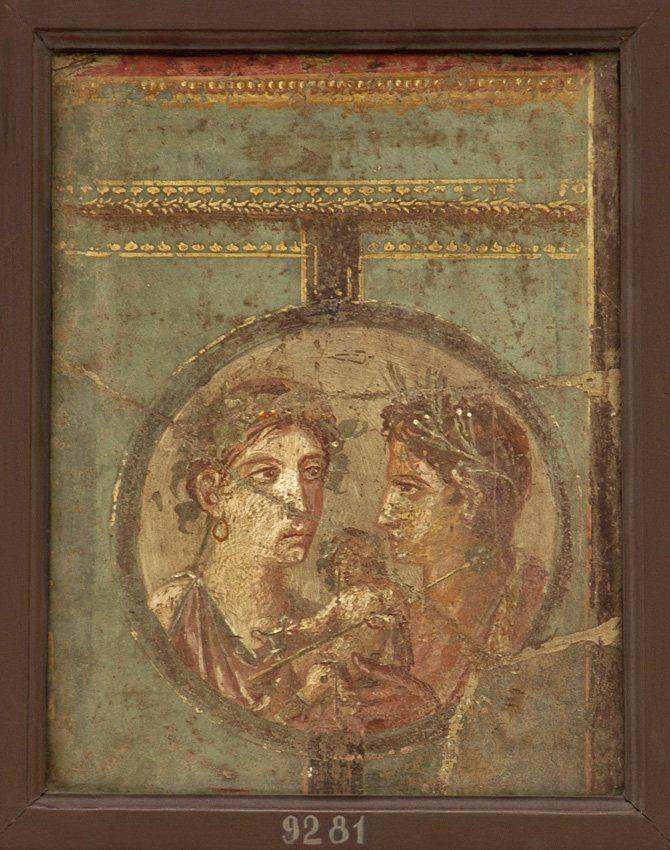
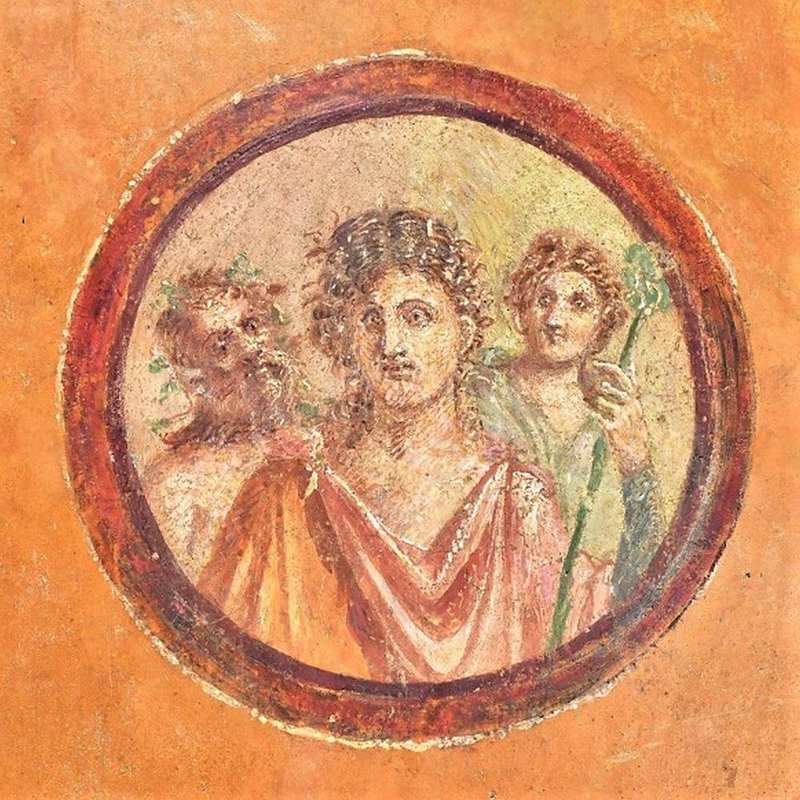
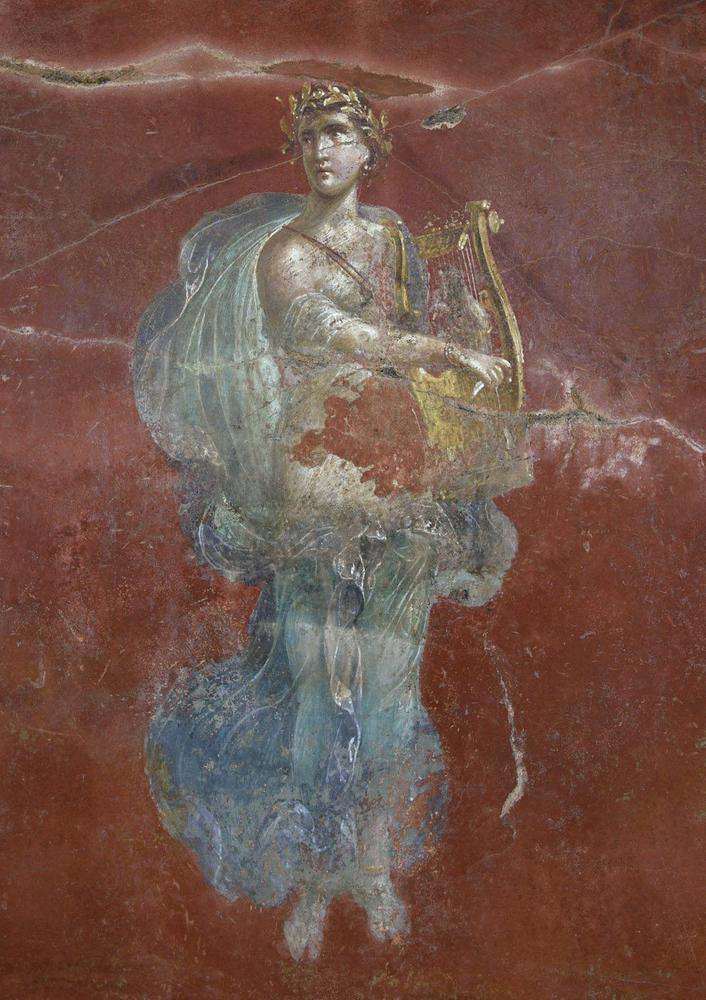
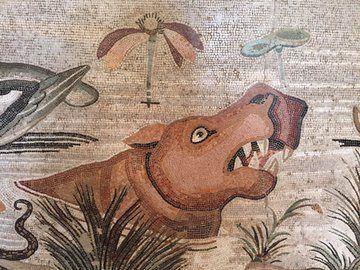
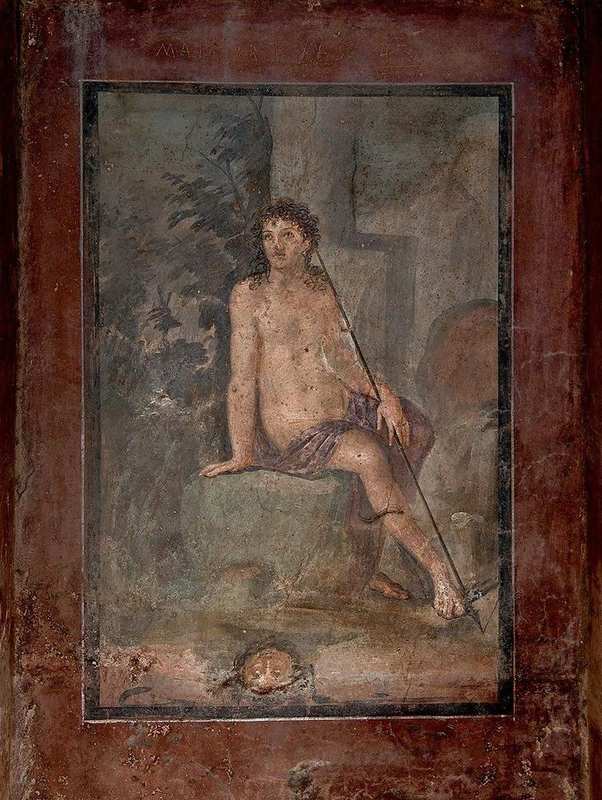
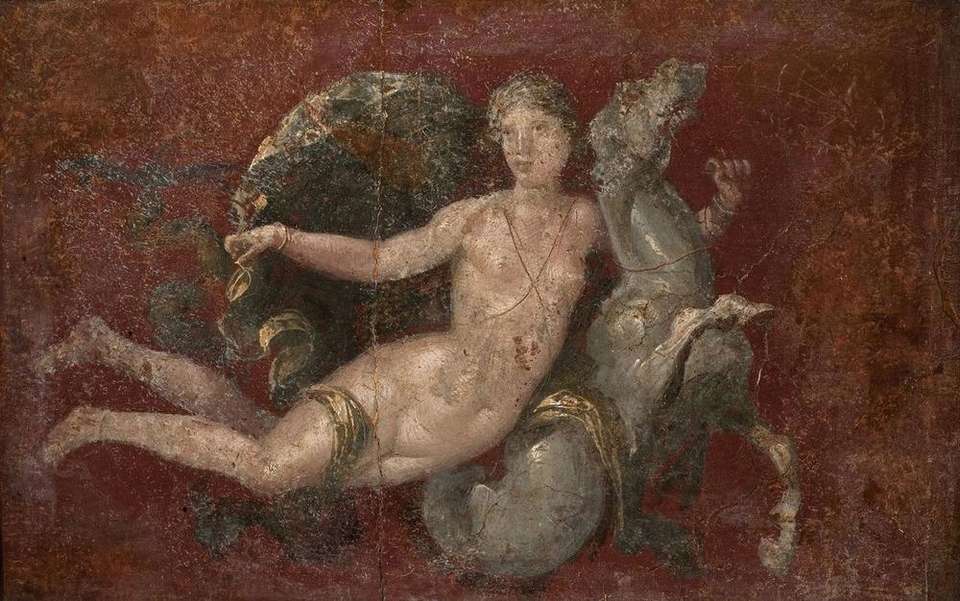
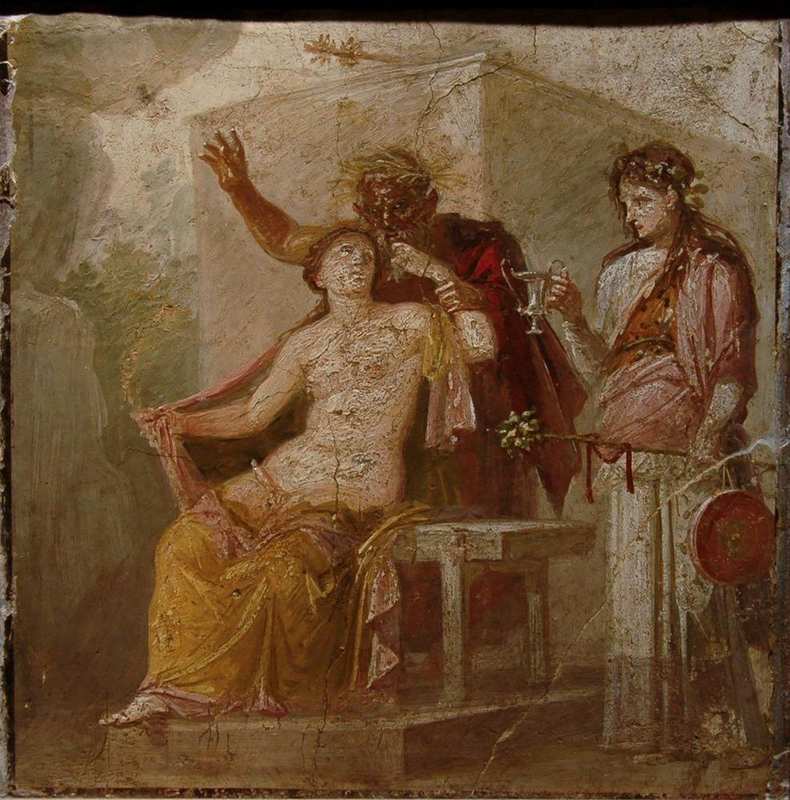
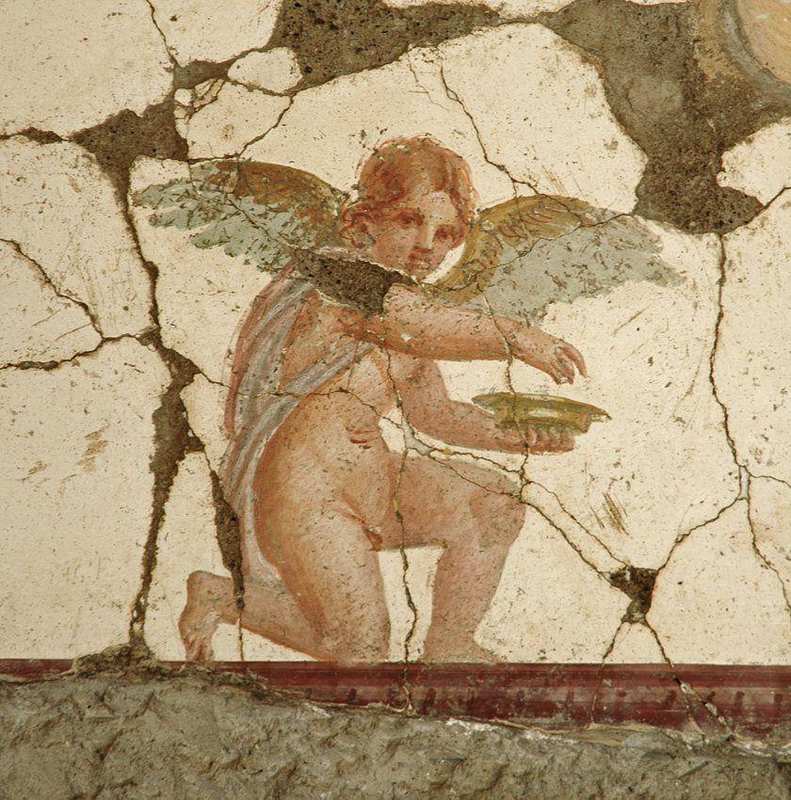
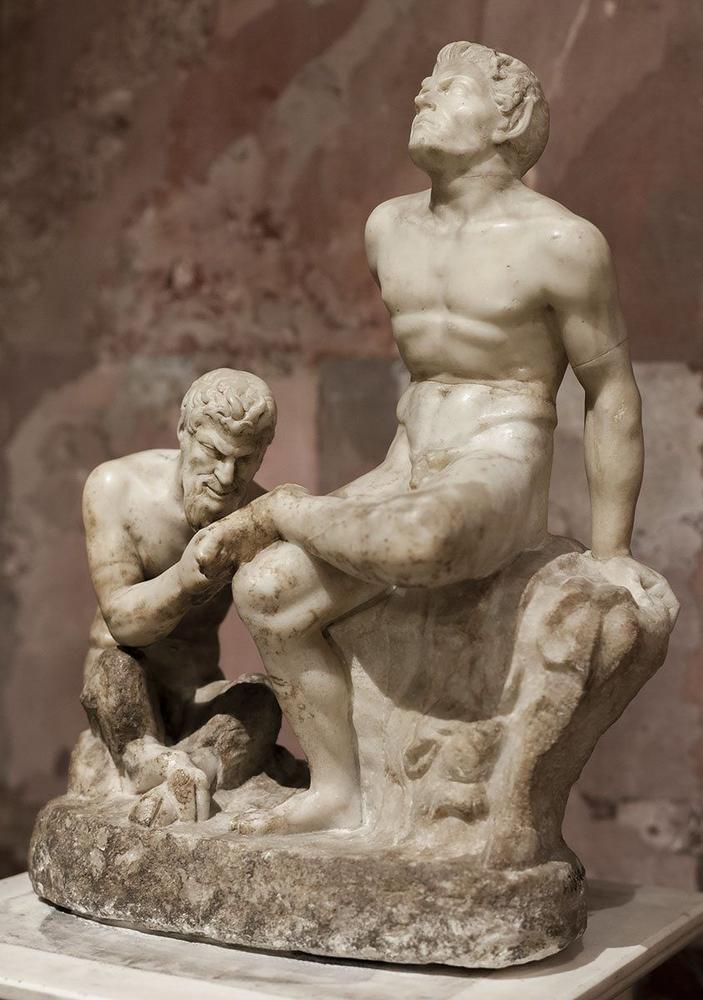
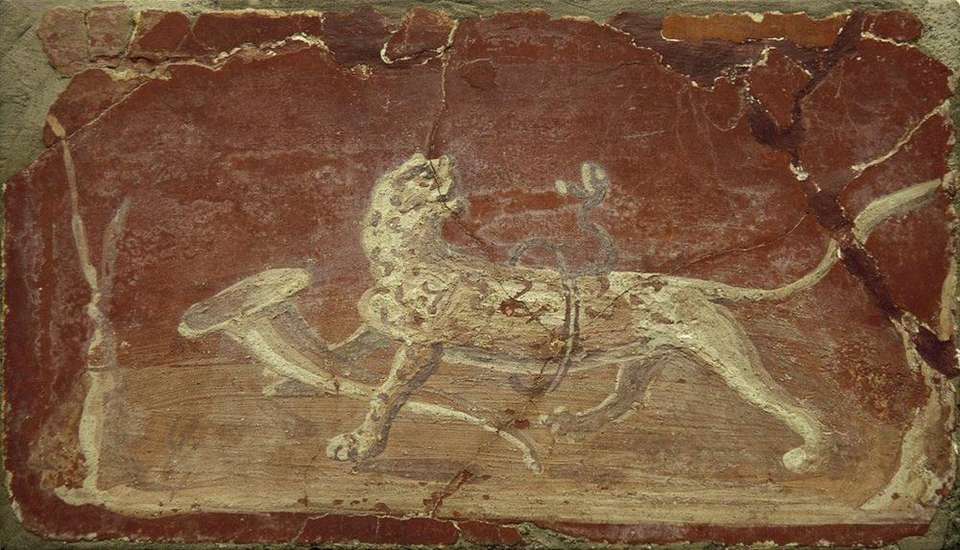
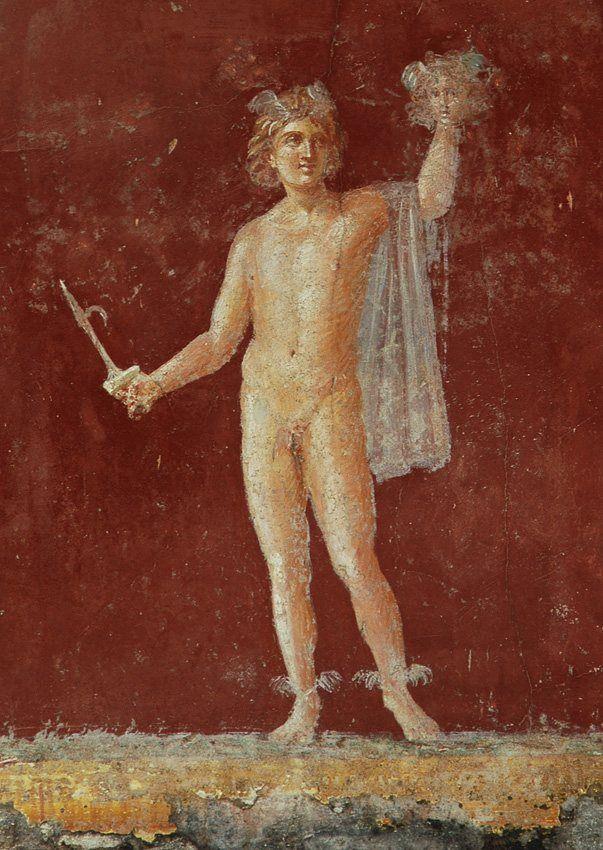
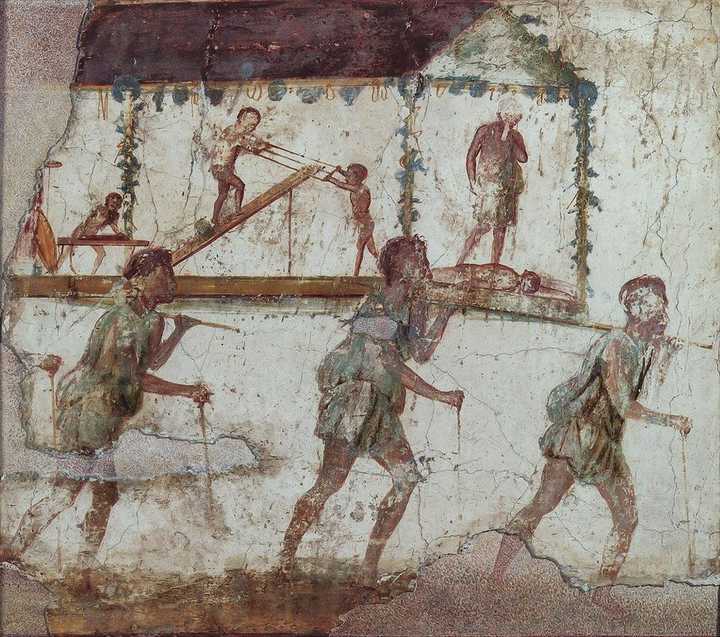
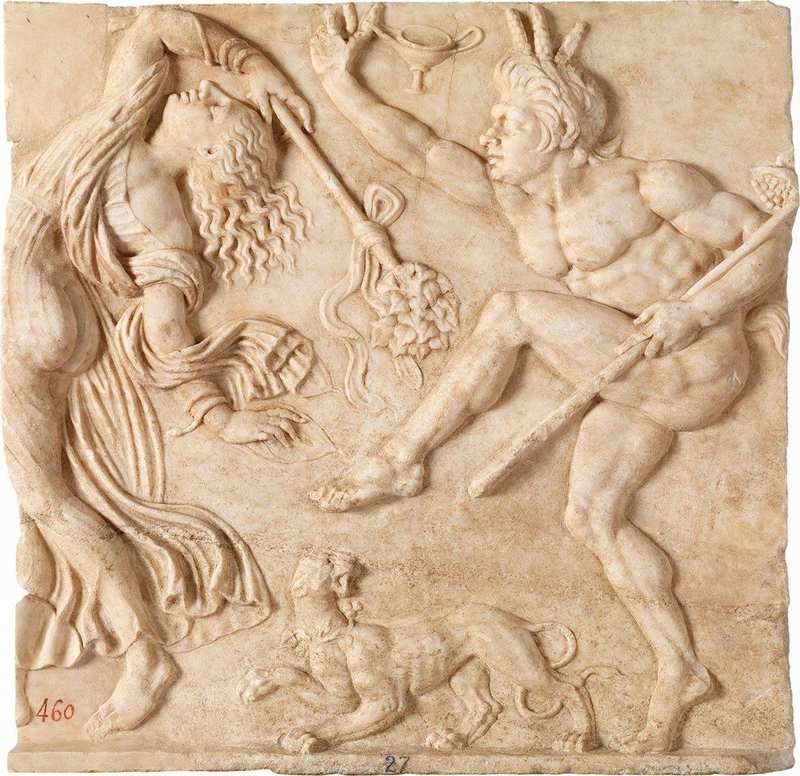
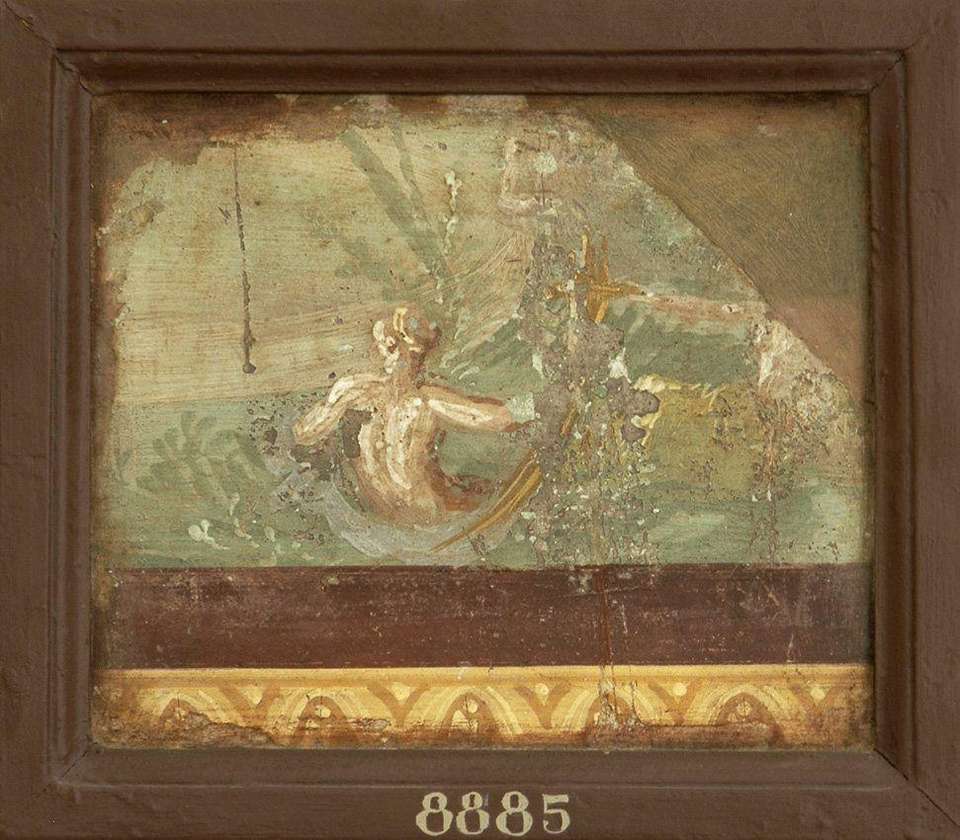
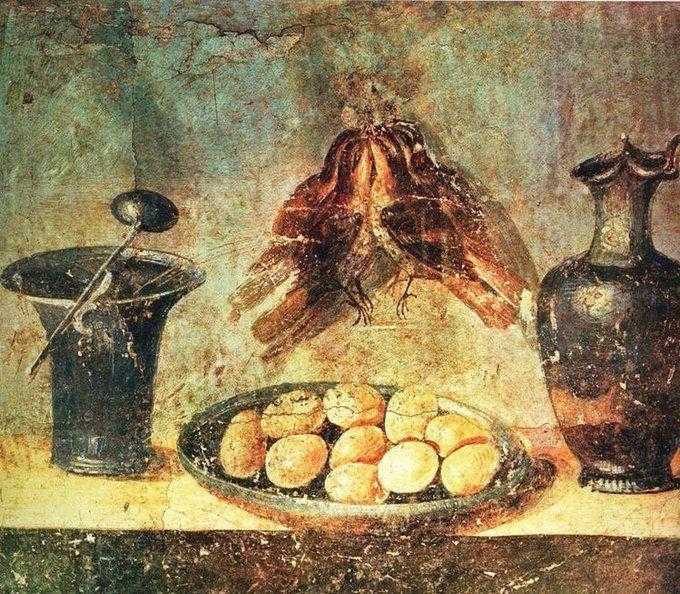
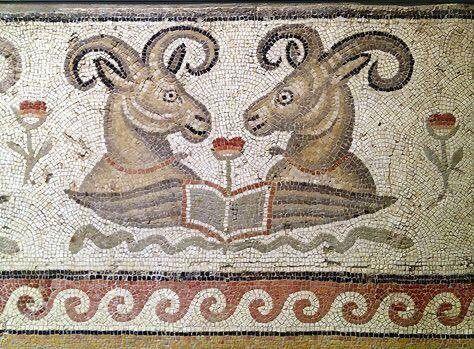
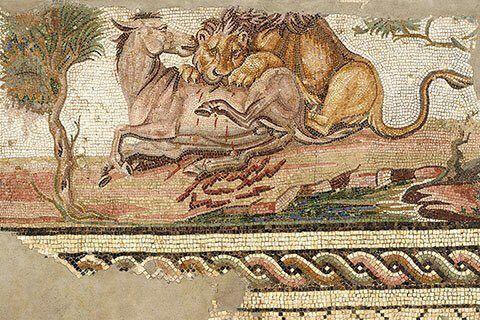
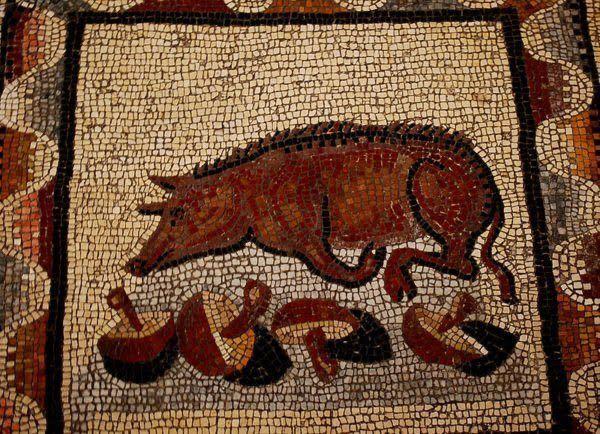
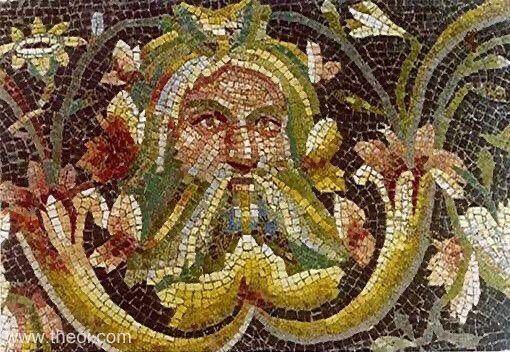
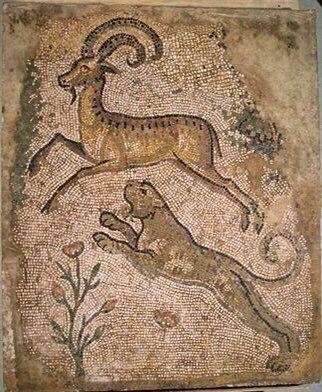
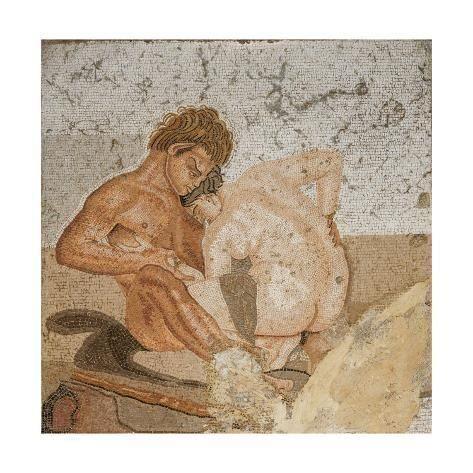
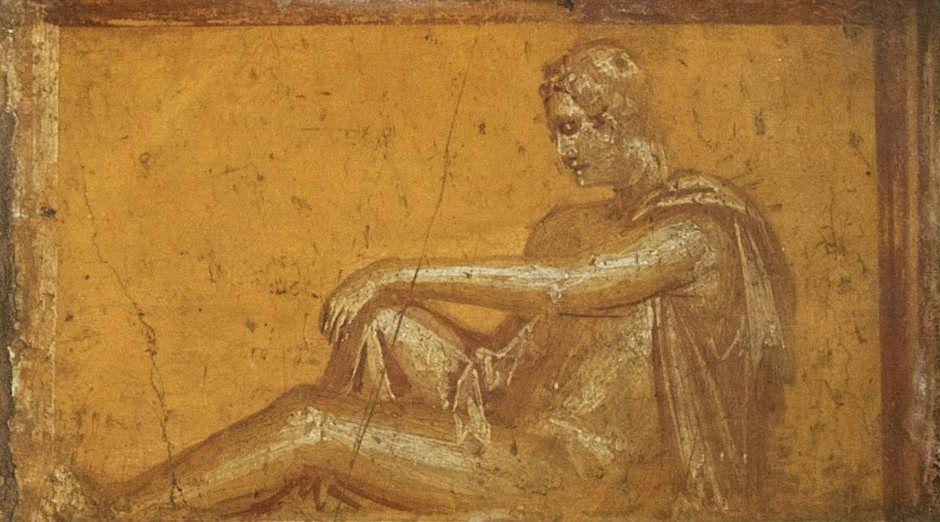
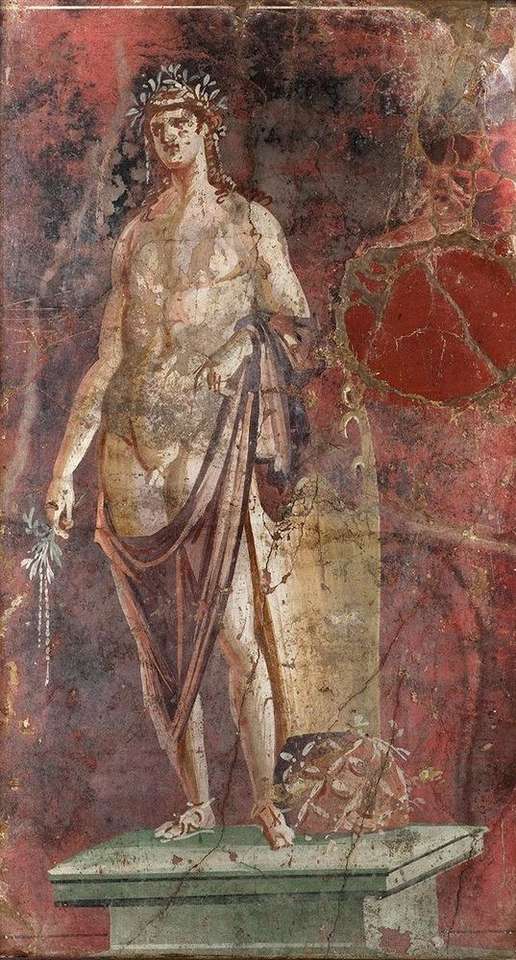
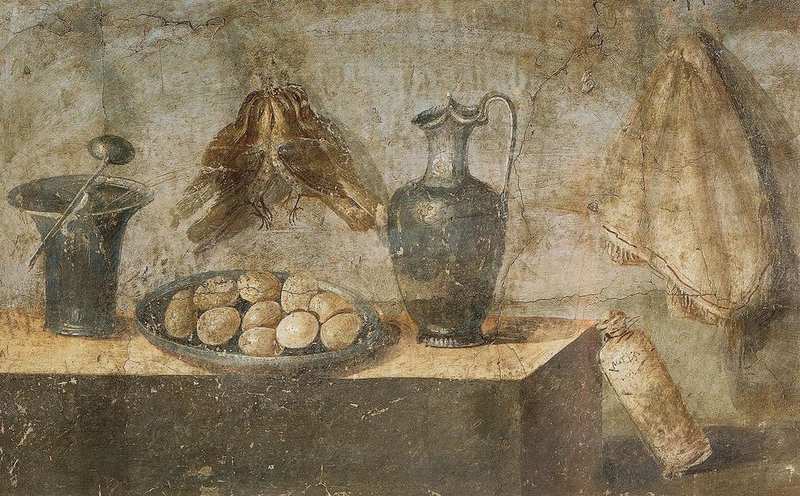
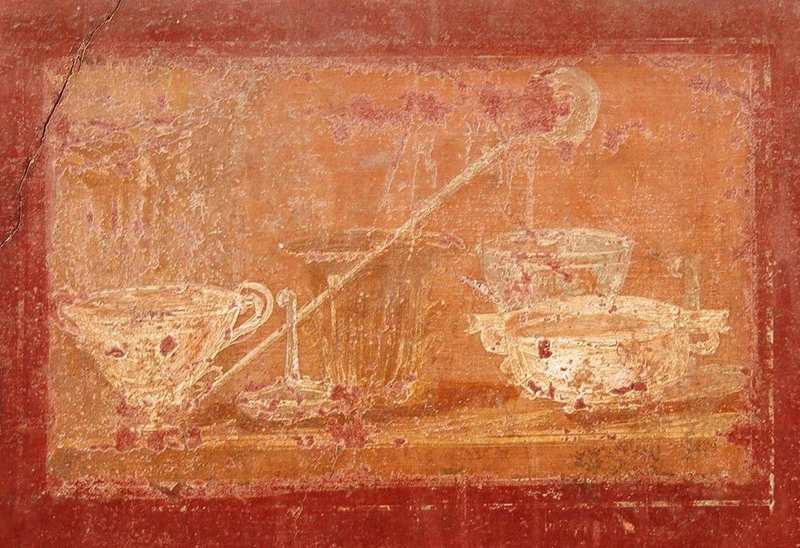
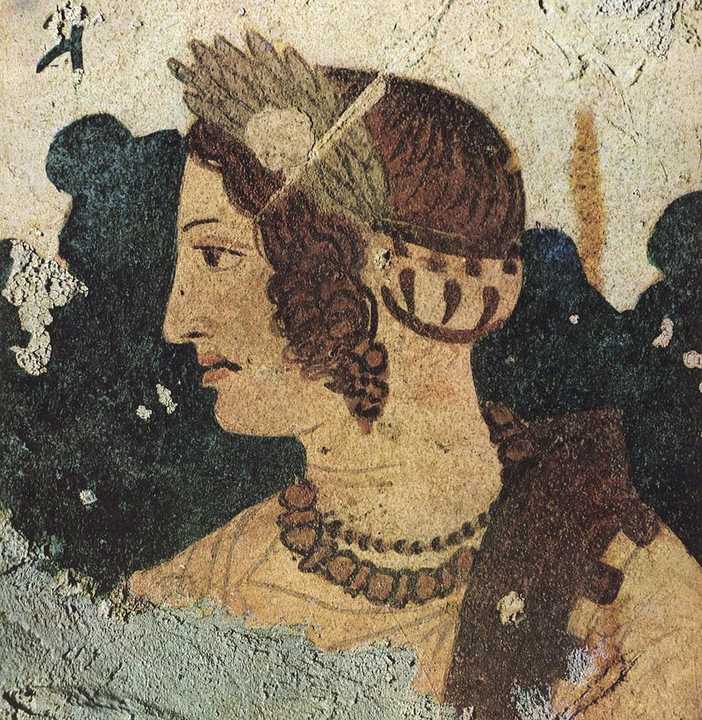
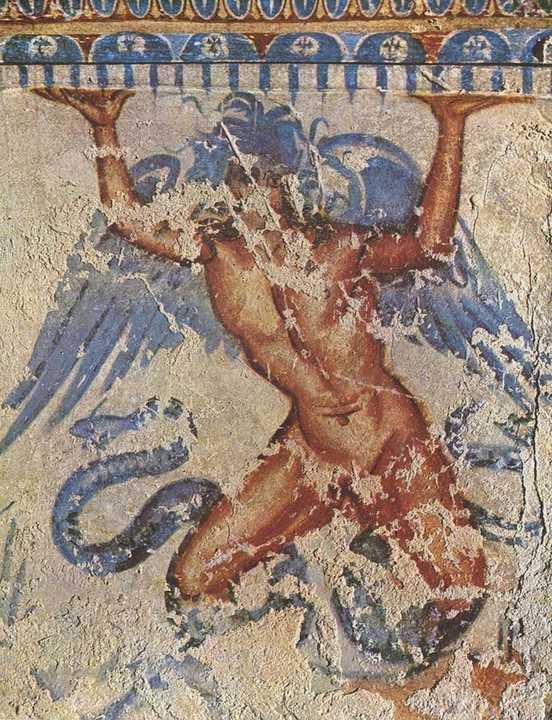
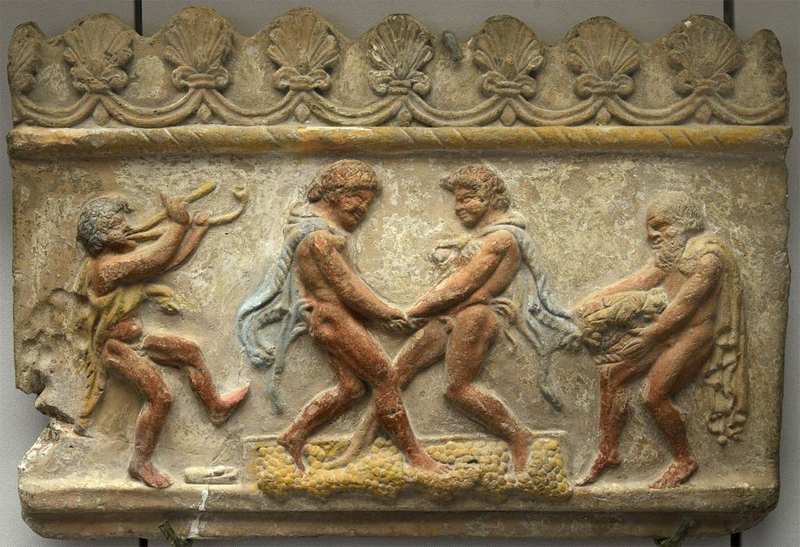
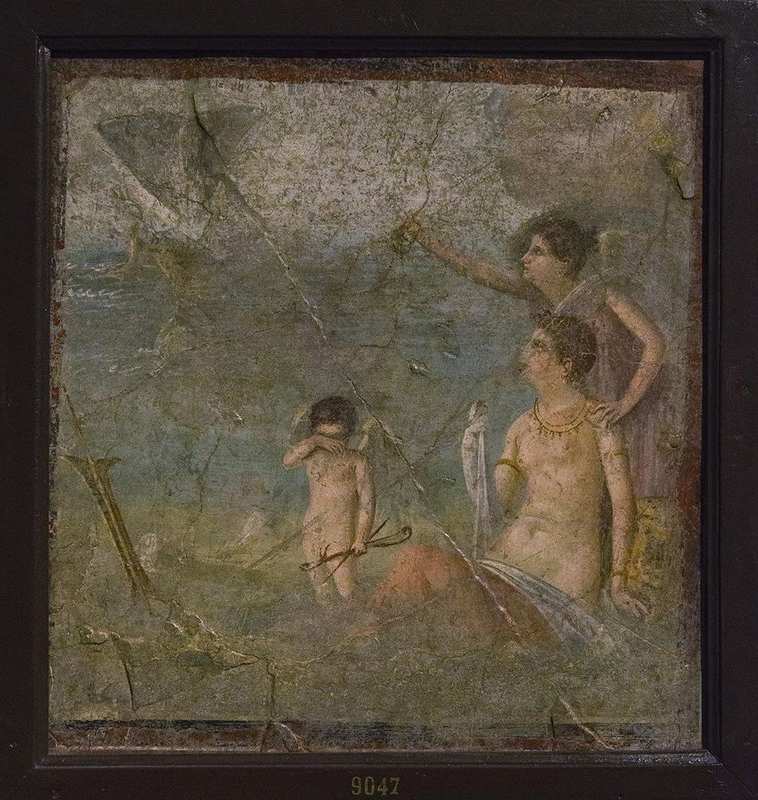
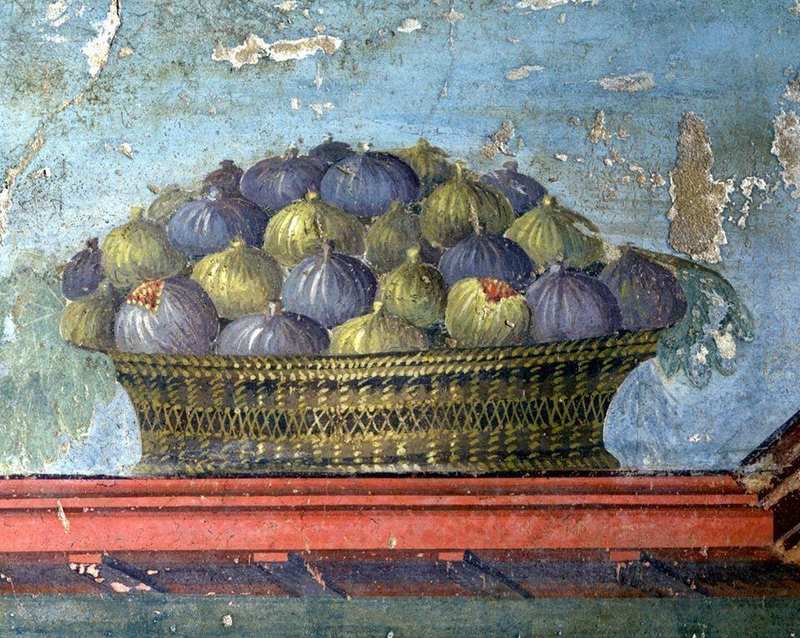
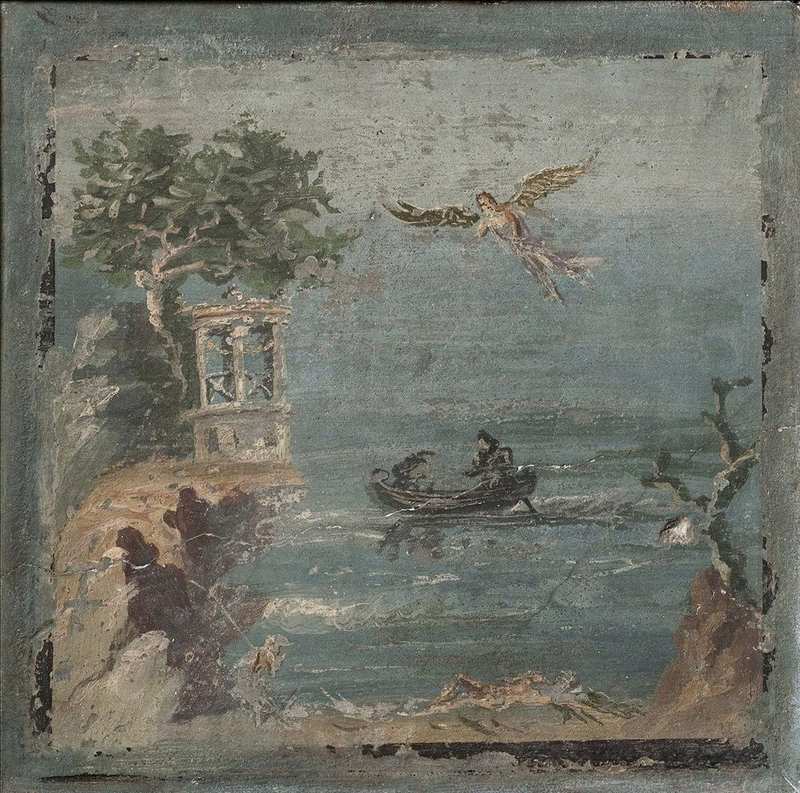
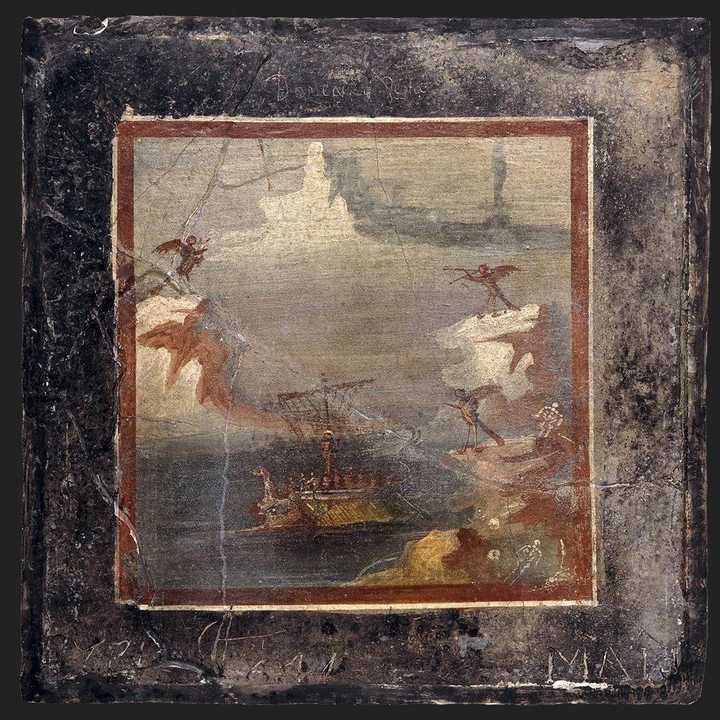
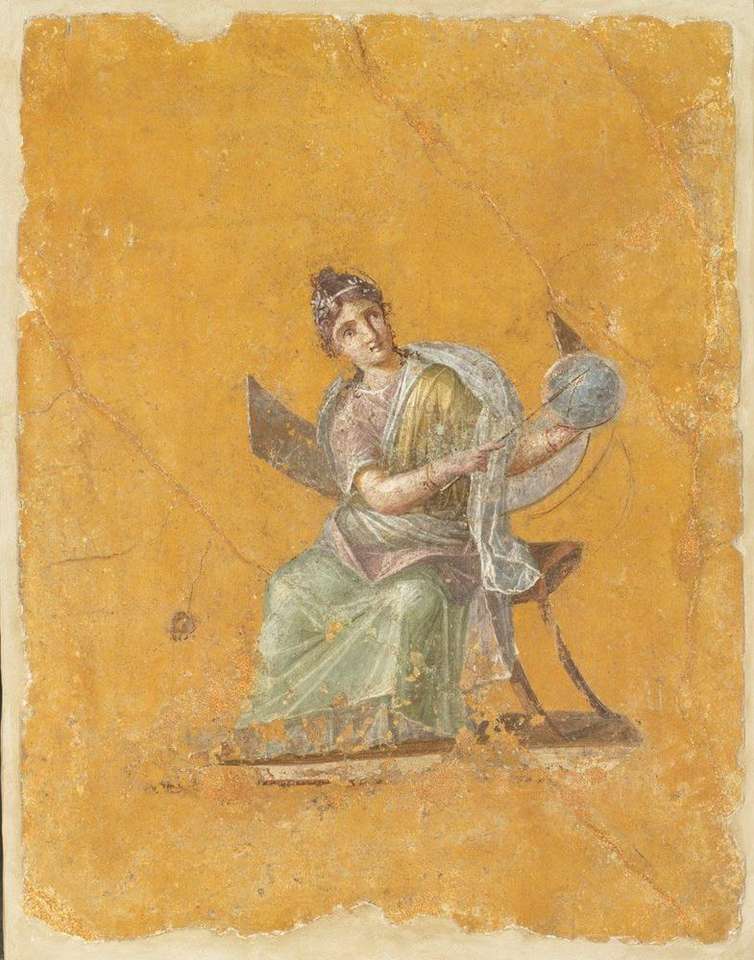
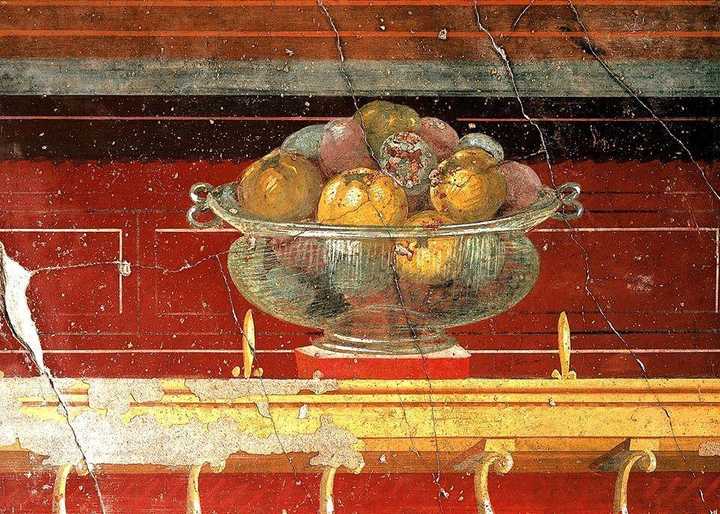
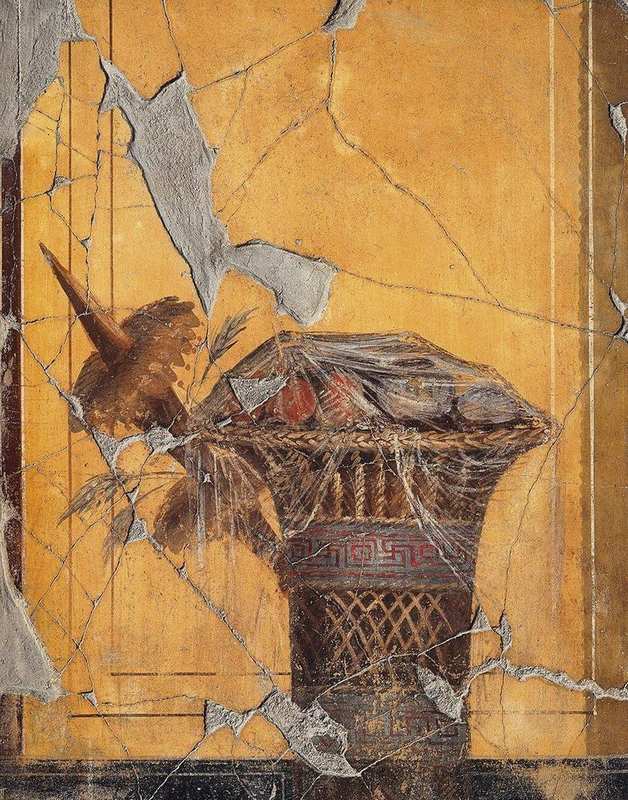
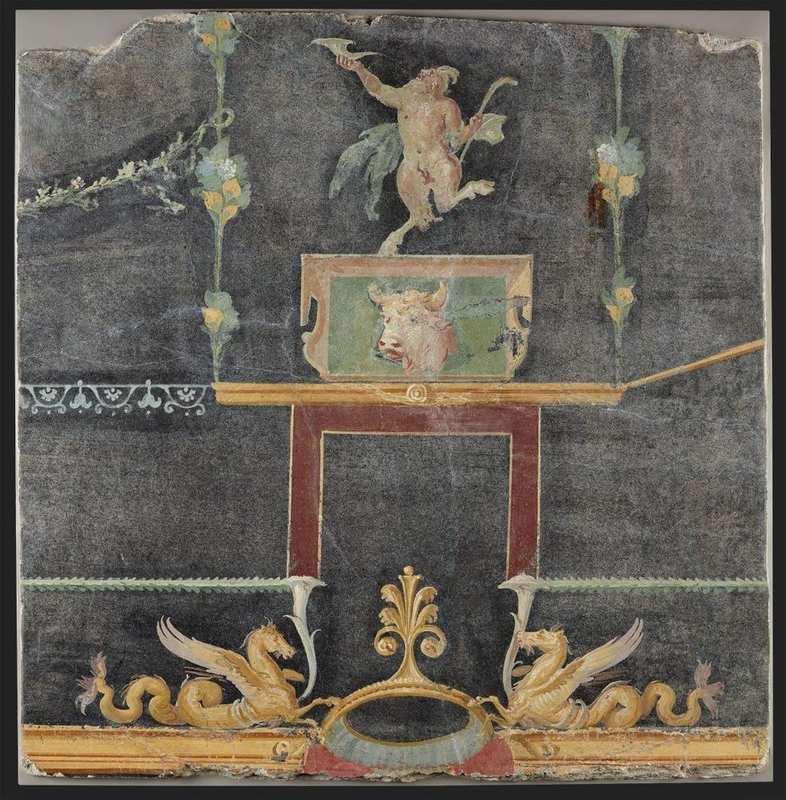
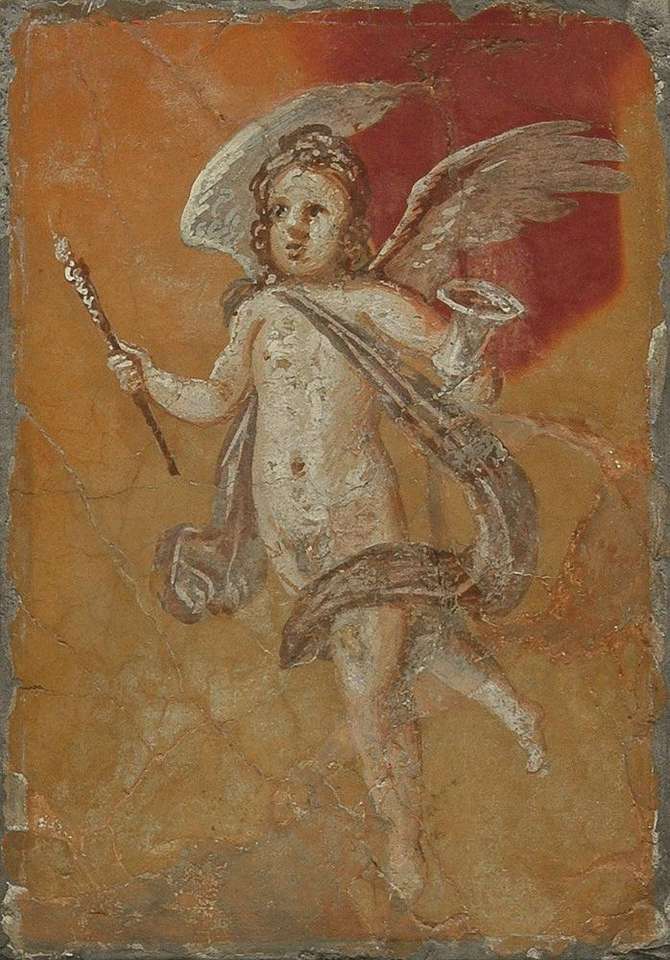
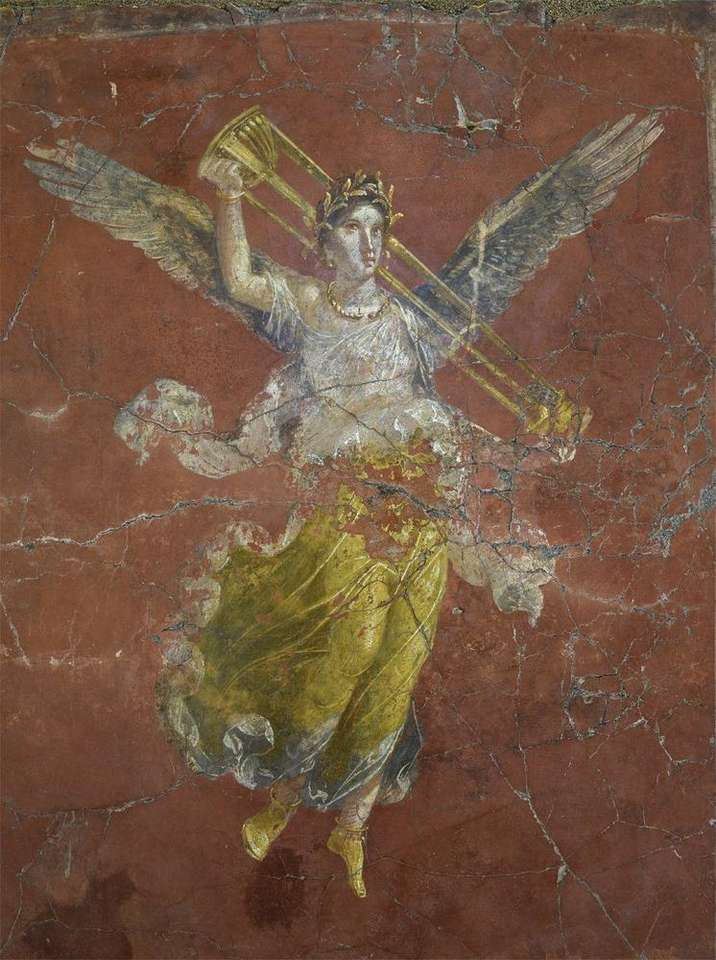
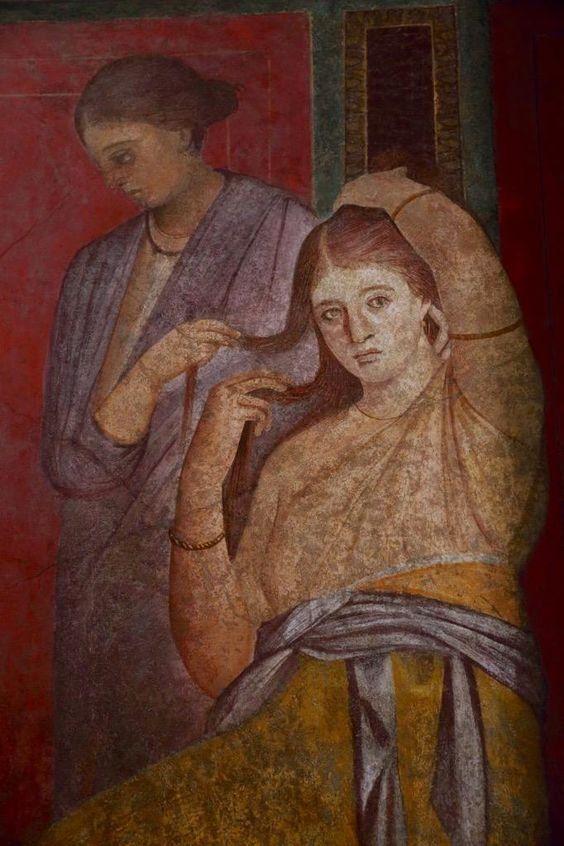
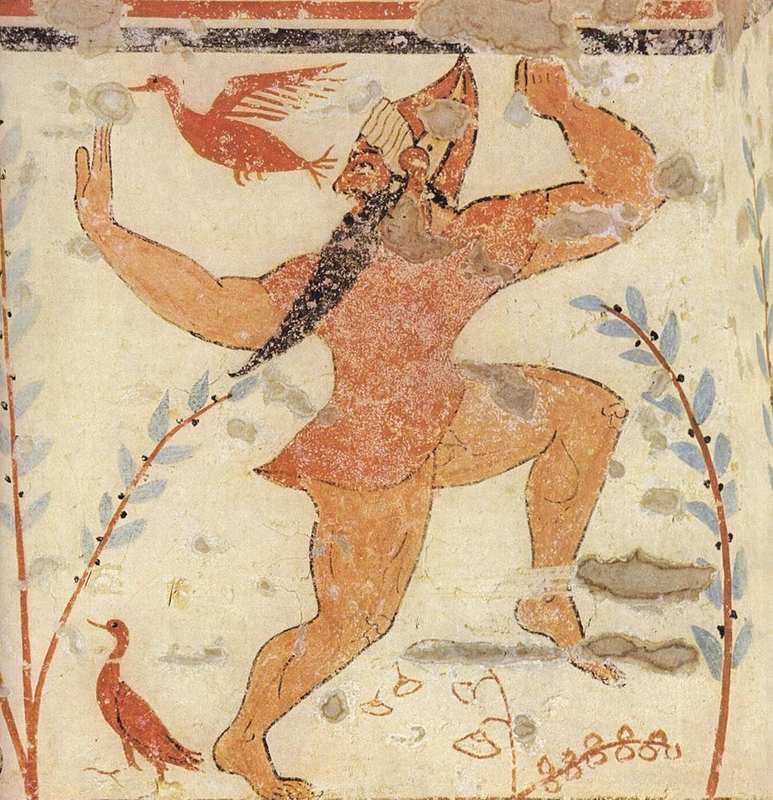
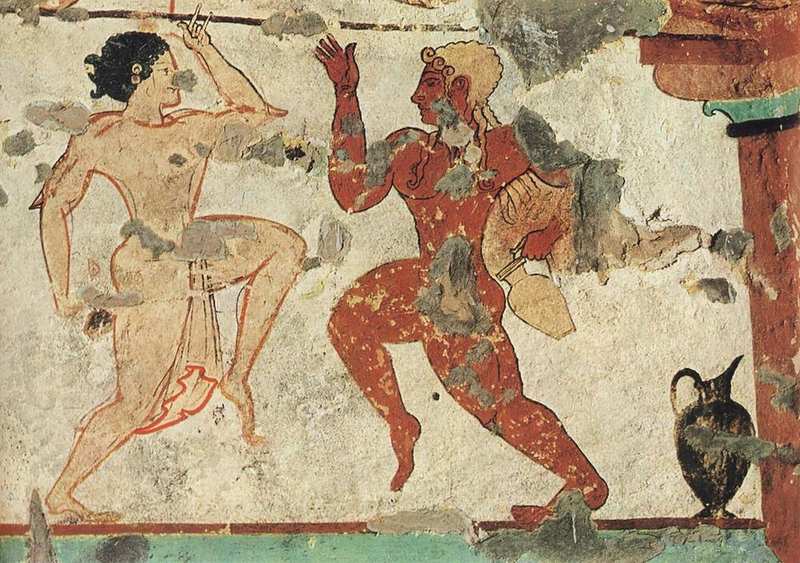
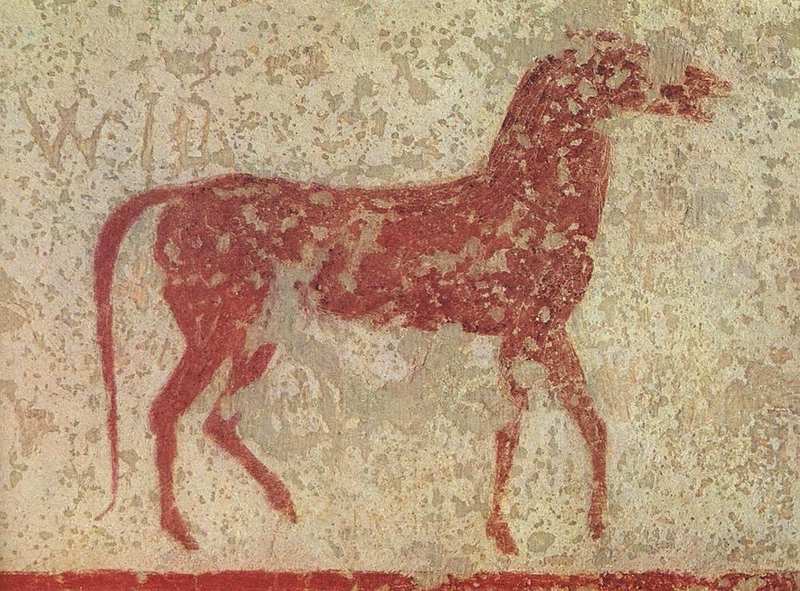
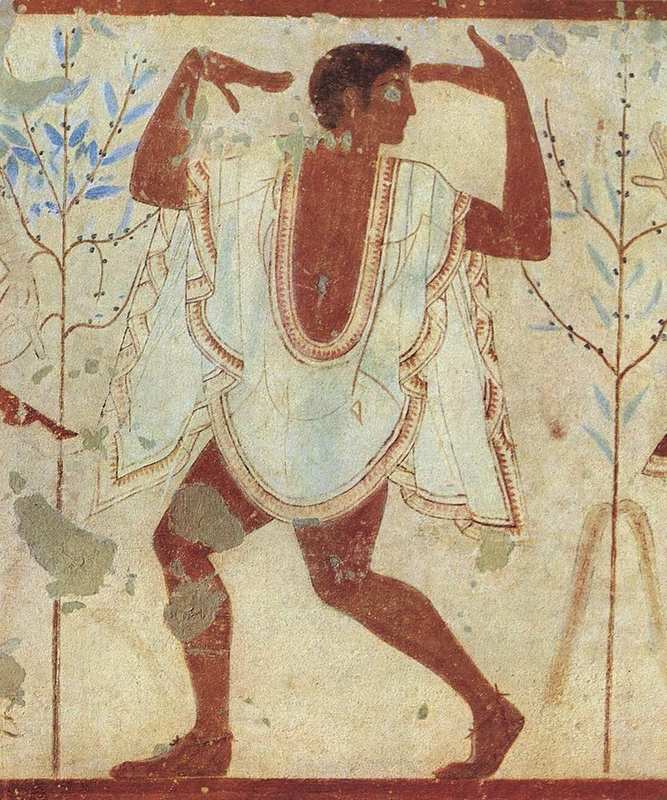
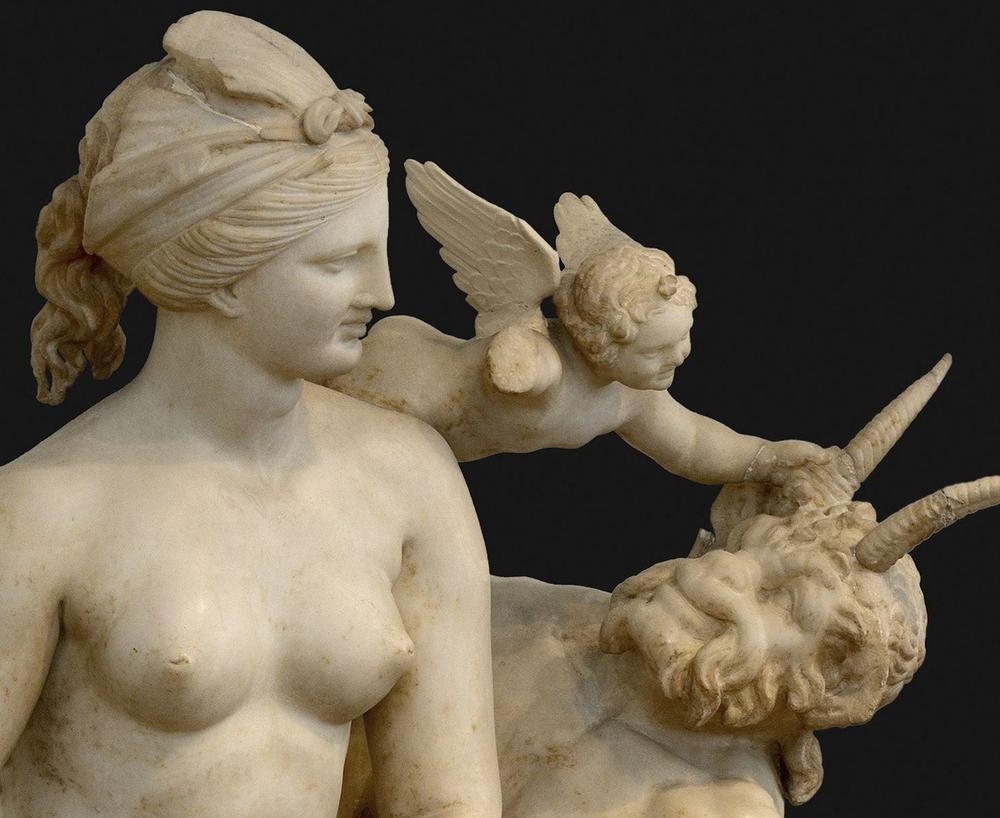
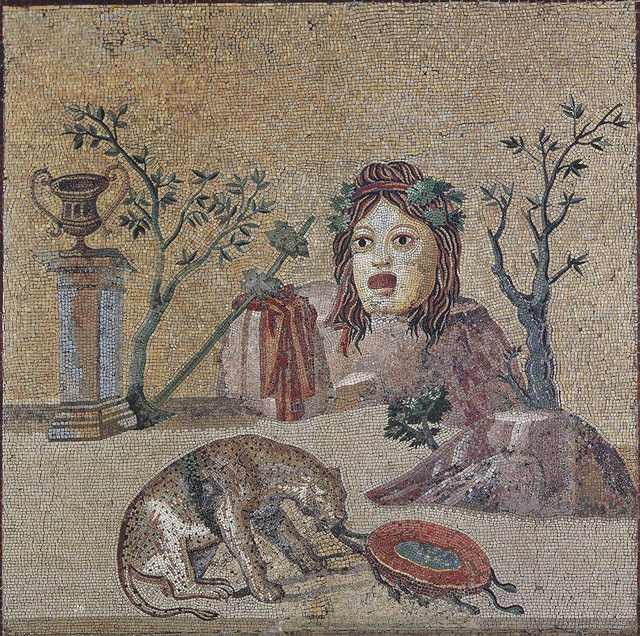
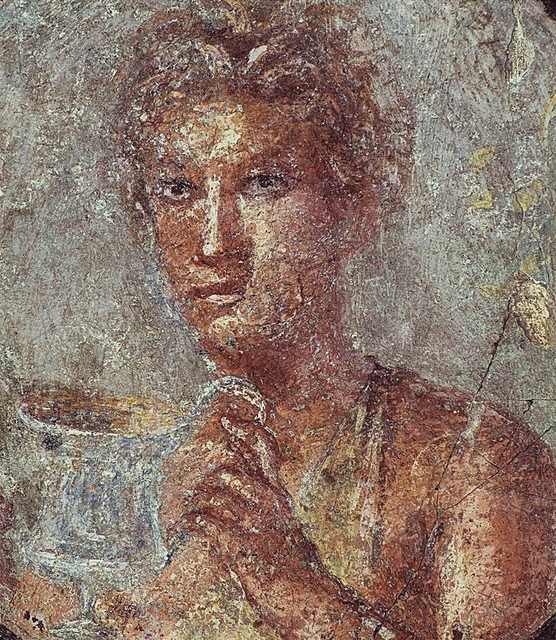
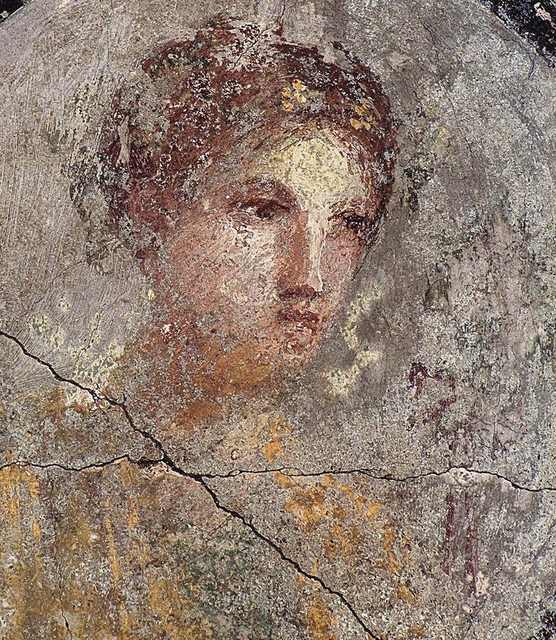
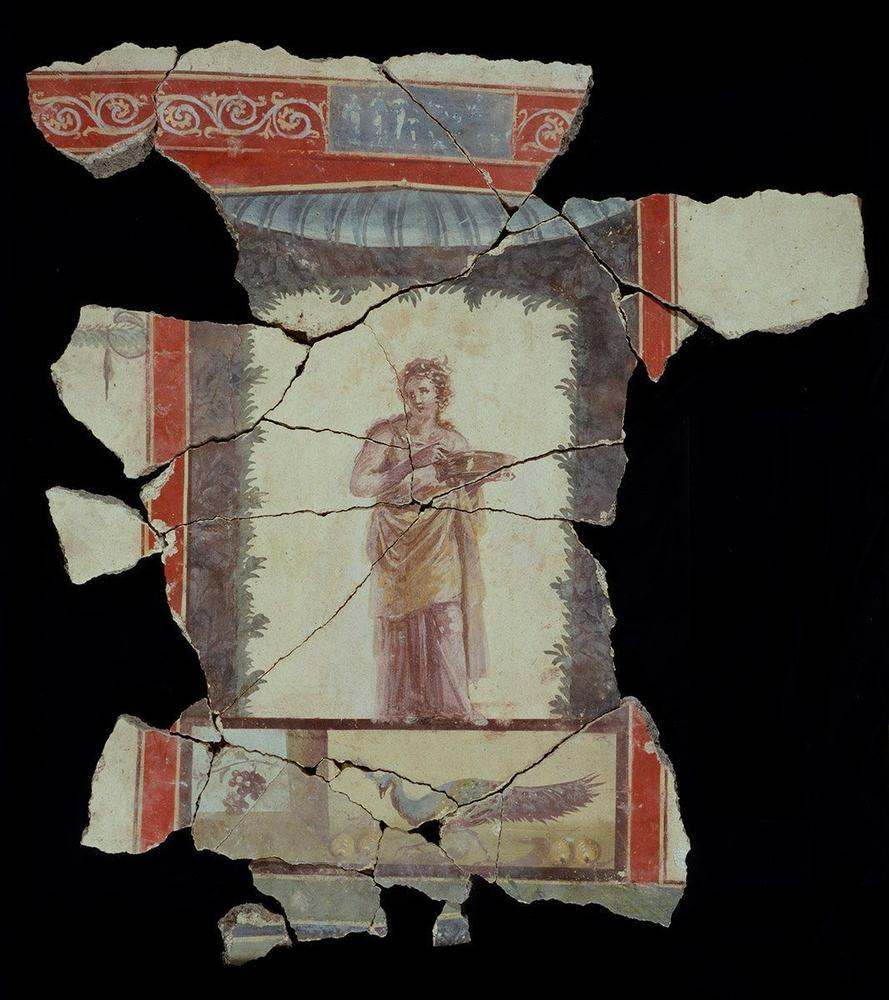
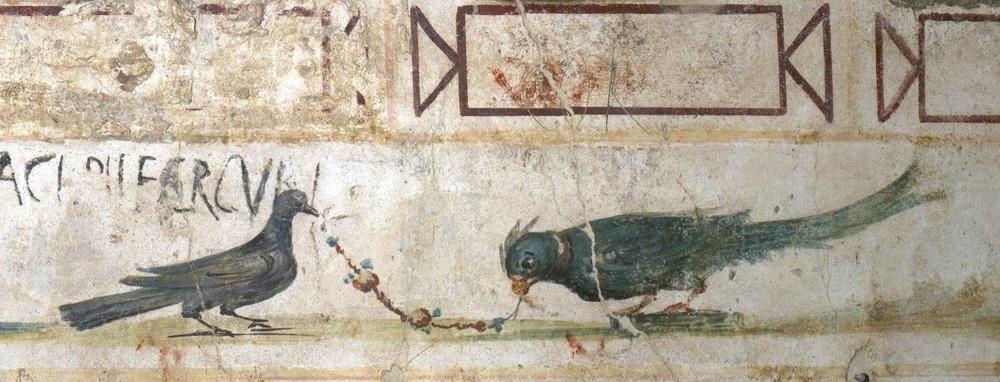
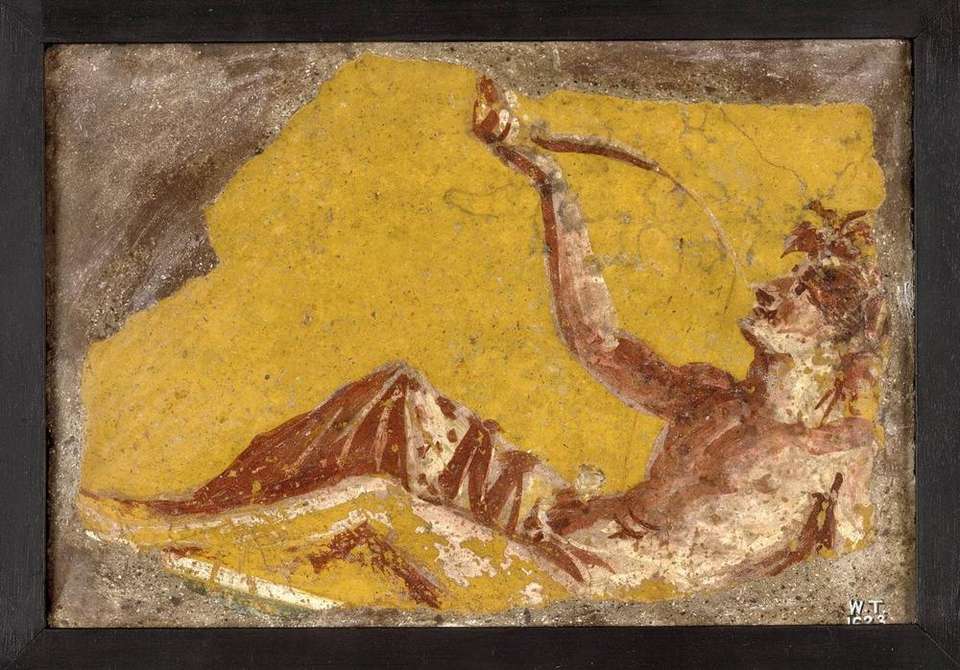
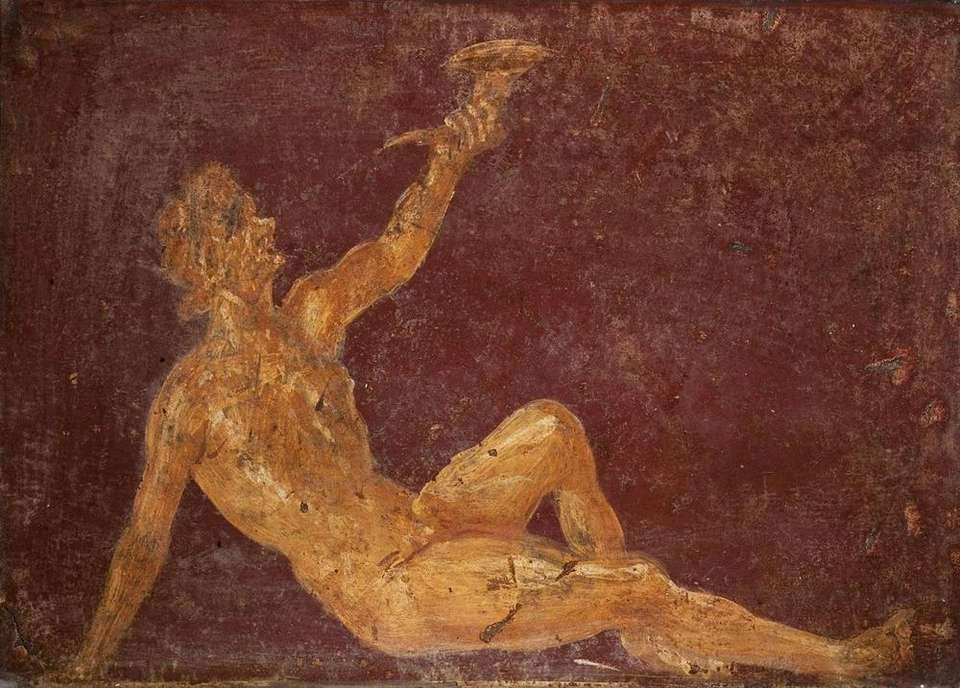
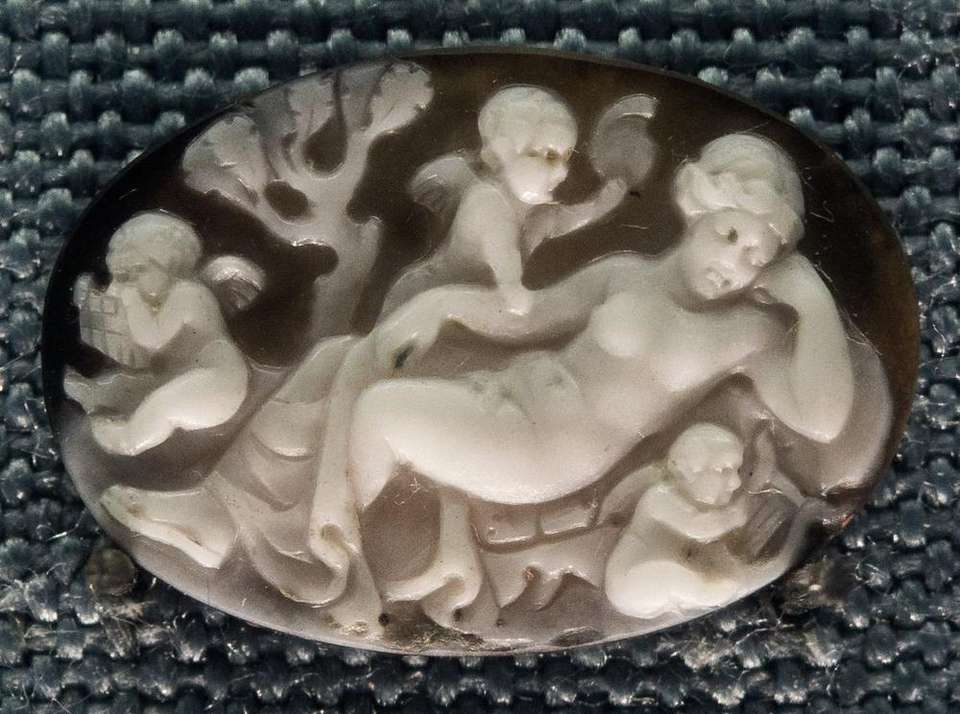
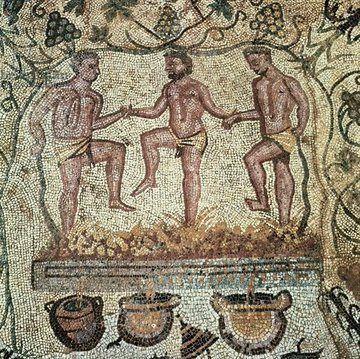
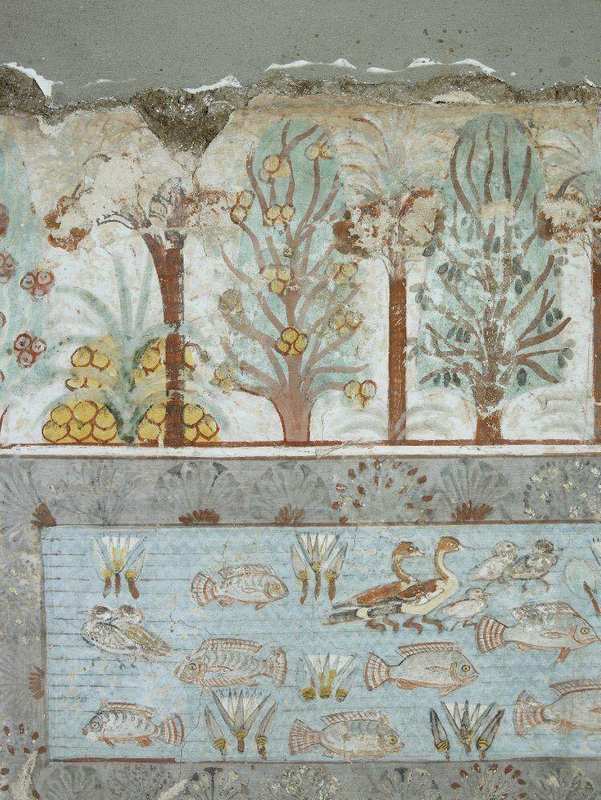
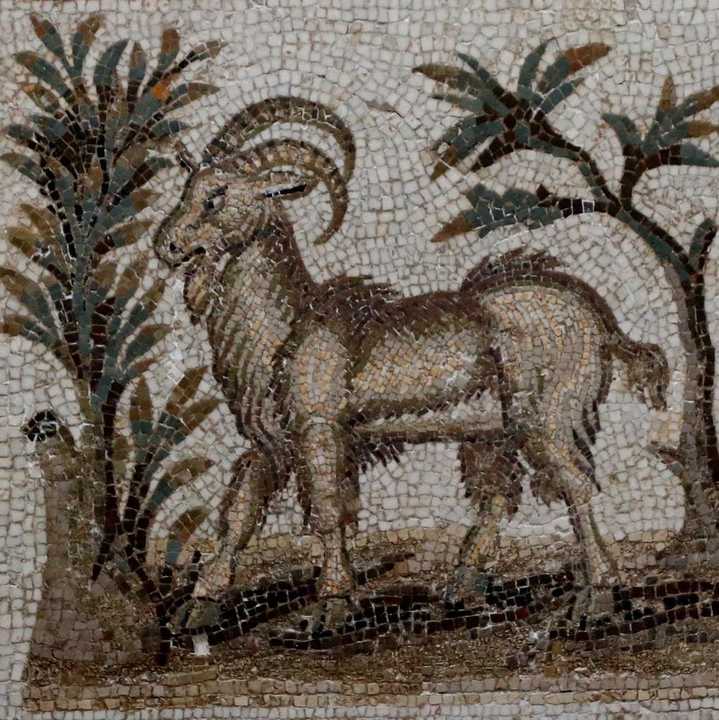
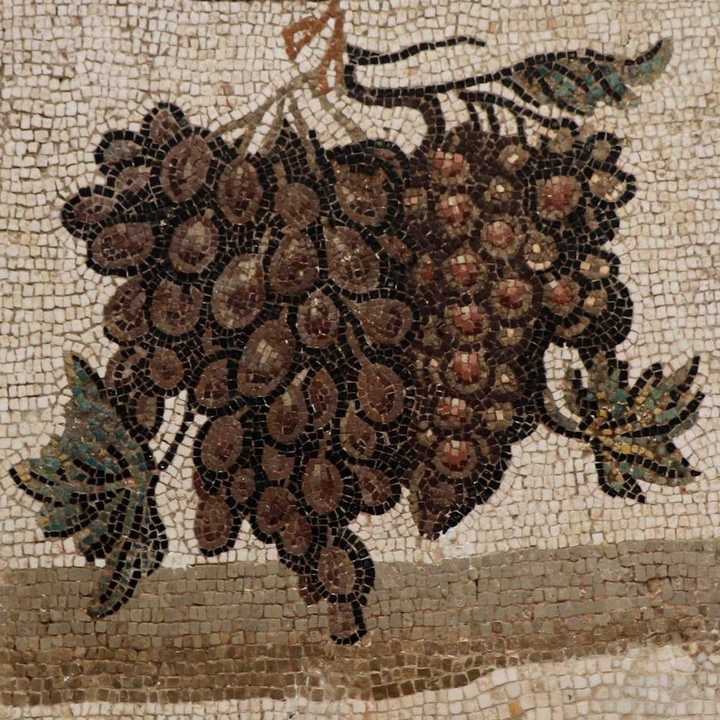
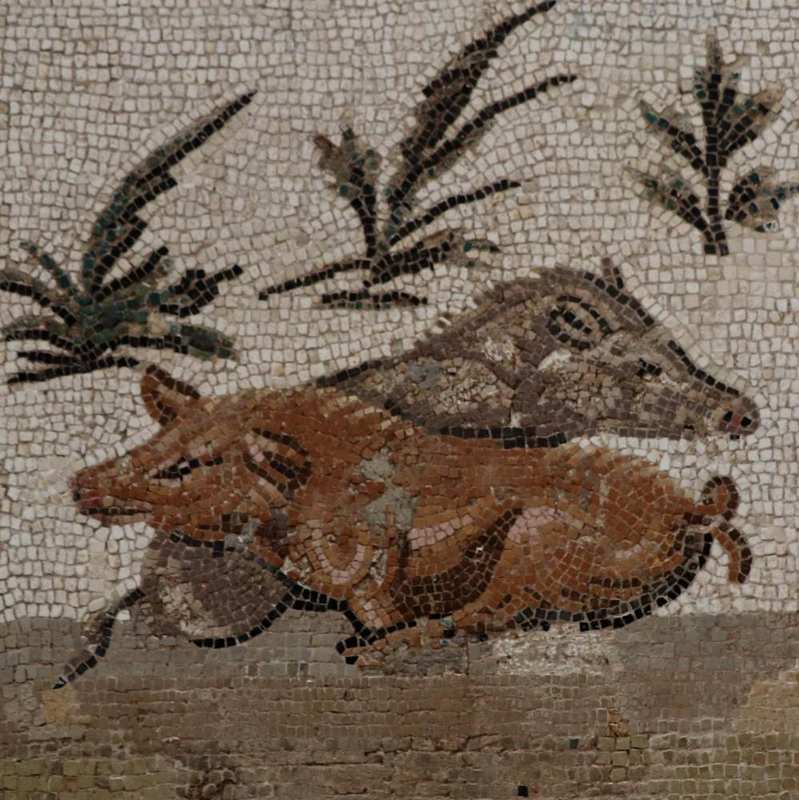
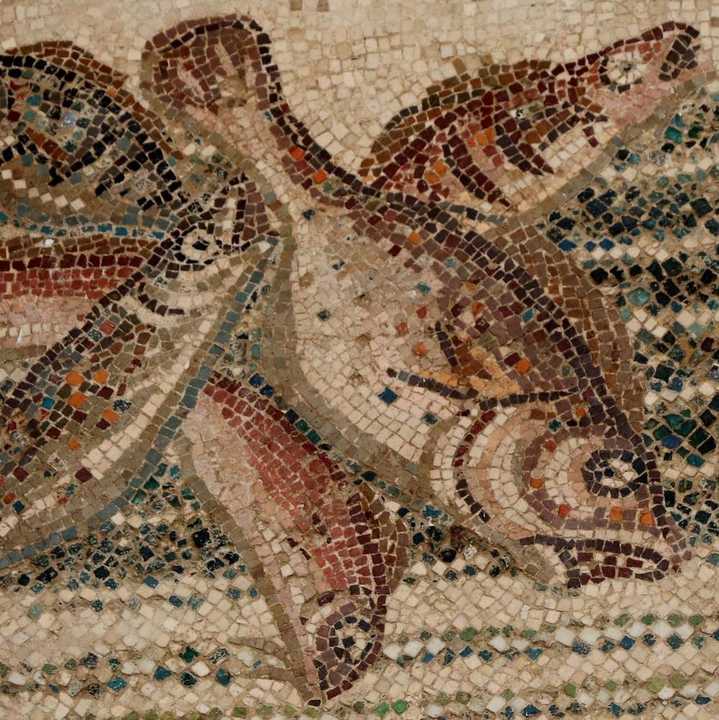
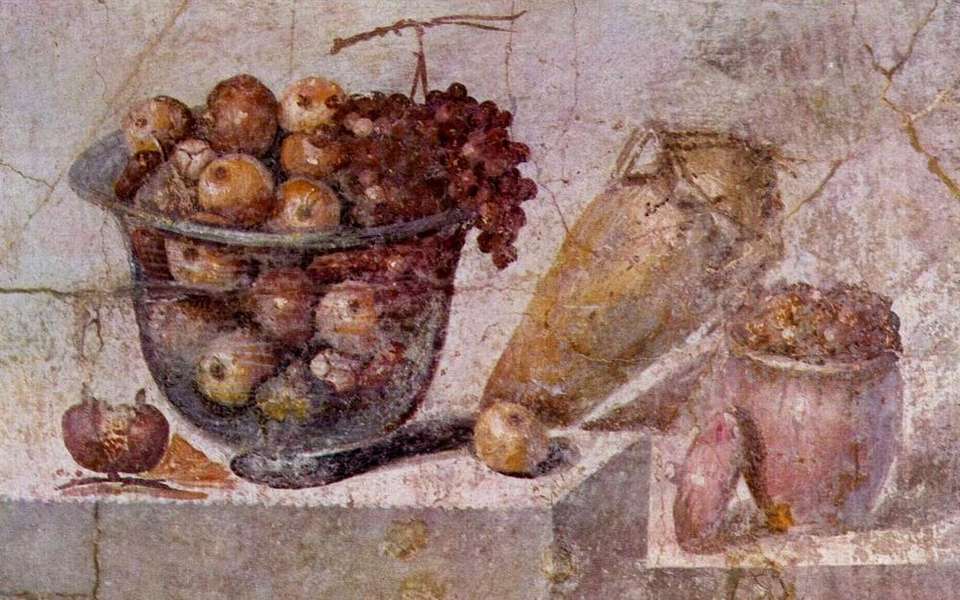
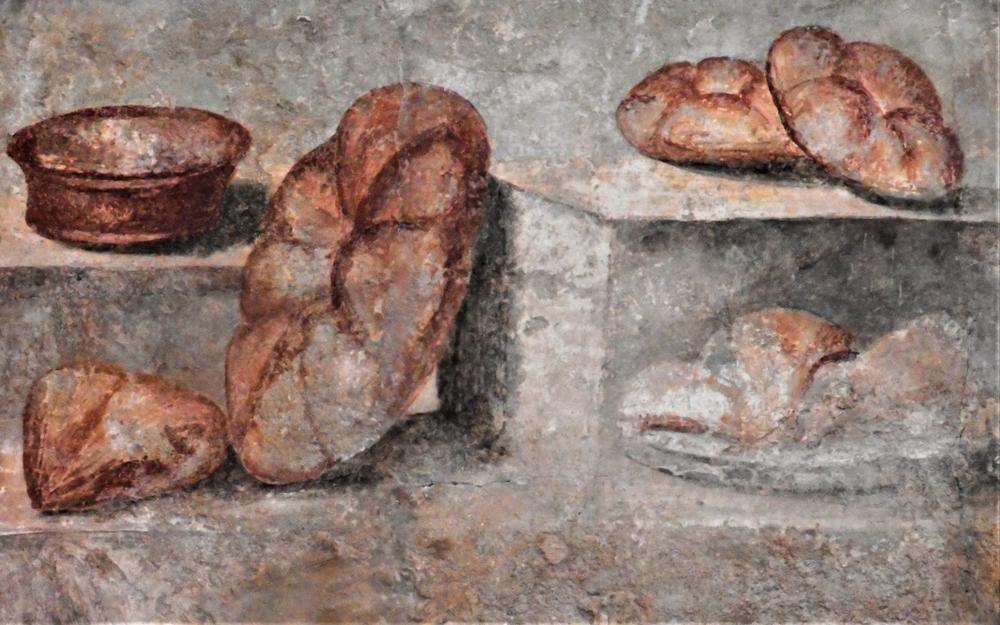
Research reference images gathered from dispersed, publicly accessible sources across the internet. Rights remain with their respective creators and institutions.
Collection 02 · 37 new references
Women, Intimacy & the Body
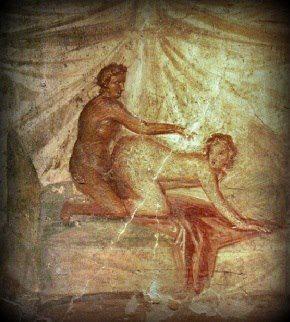
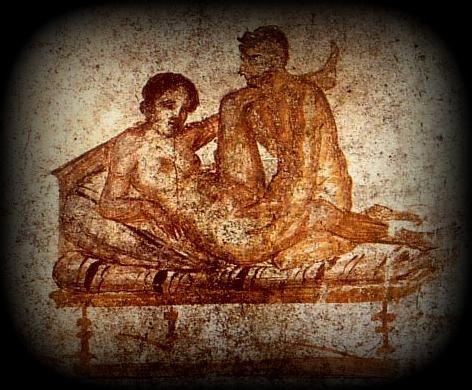
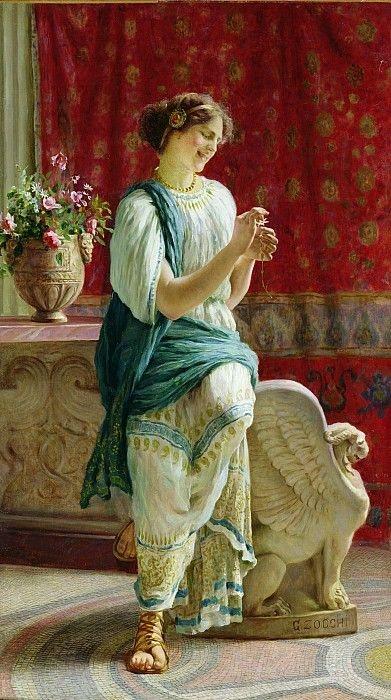
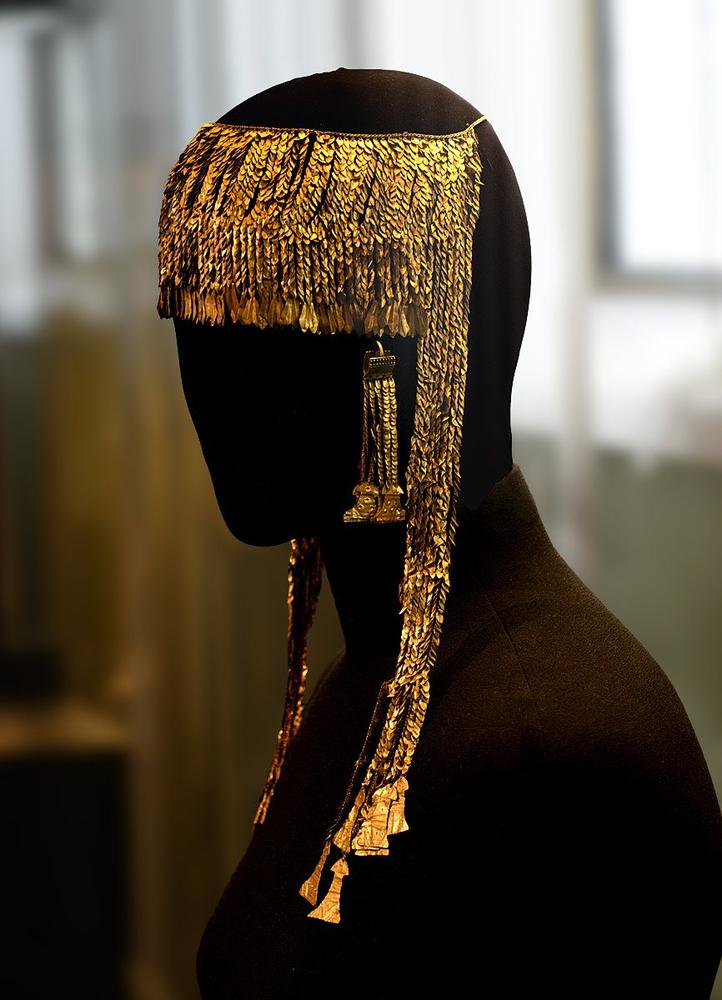
Women as portrait subjects, mythological figures, performers, athletes, companions and inhabitants of domestic space. Exact subjects, sites, dates and source rights remain under image-level review.
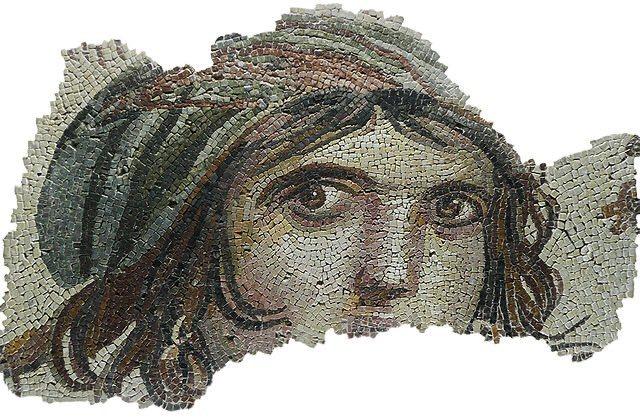
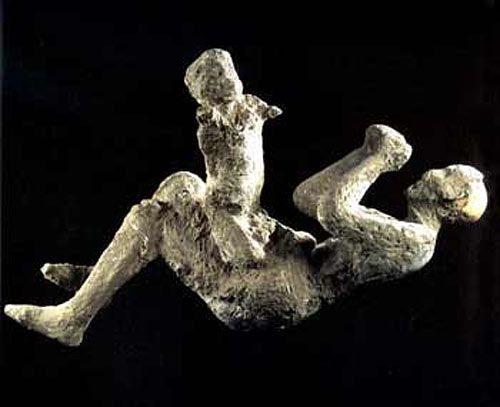
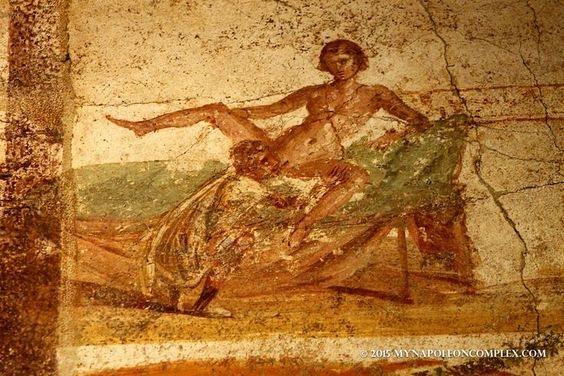
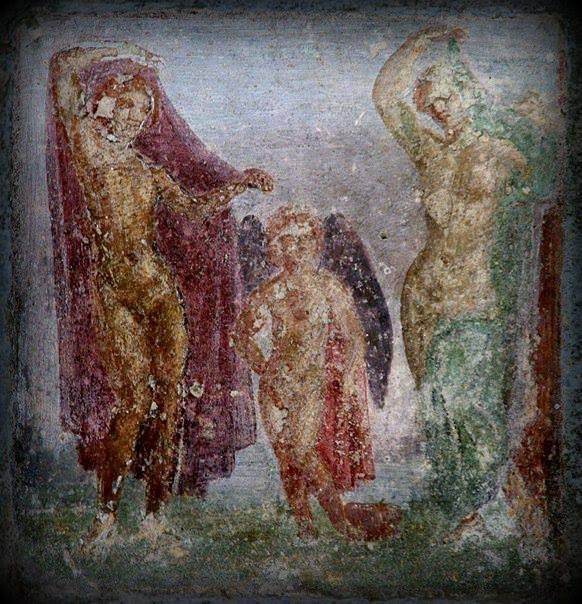
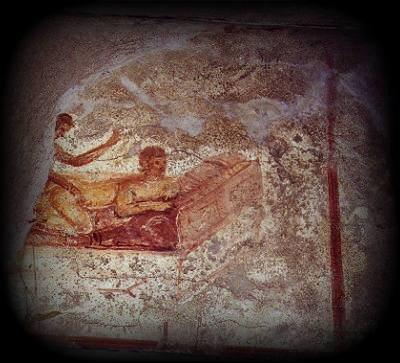
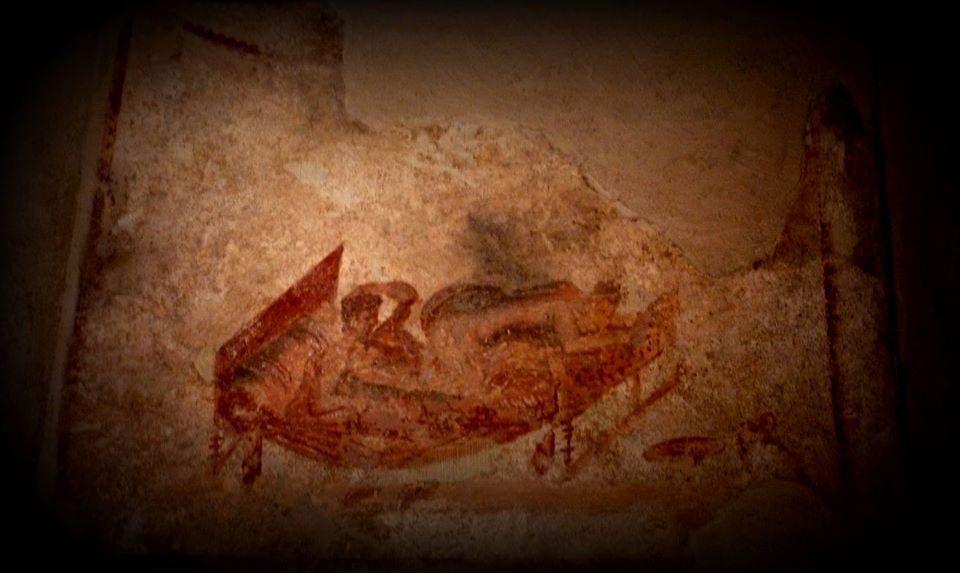
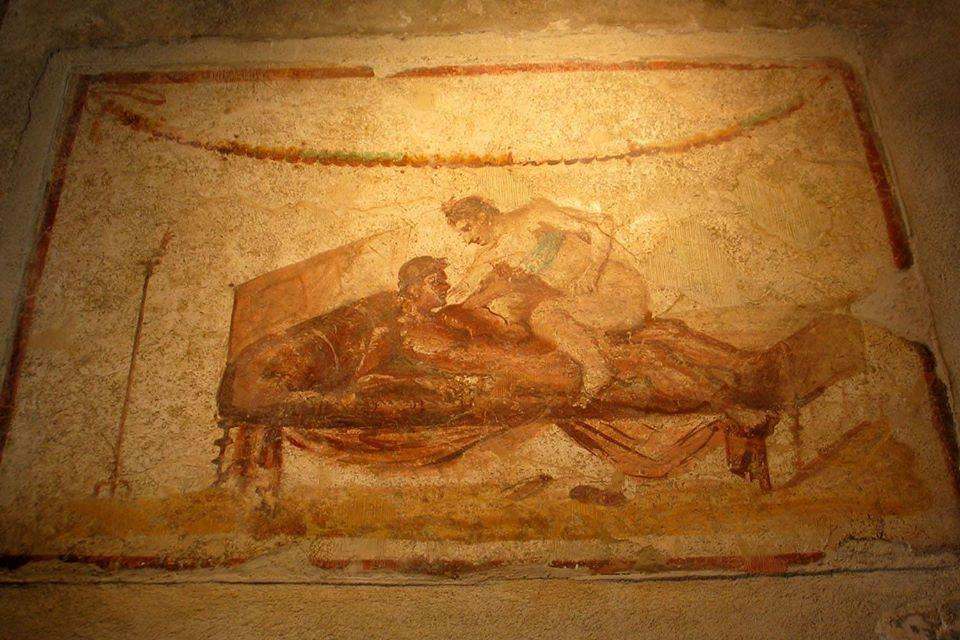
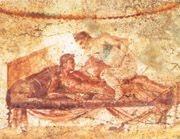
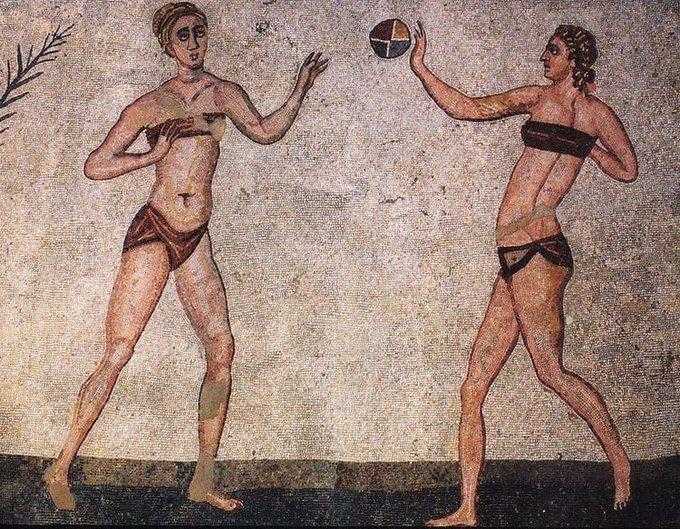
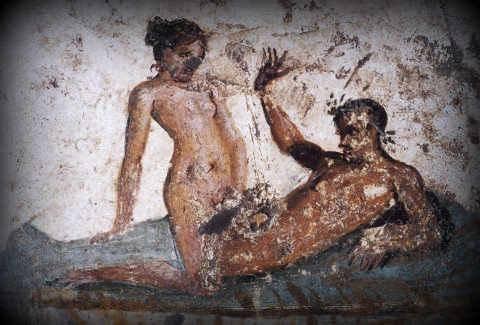
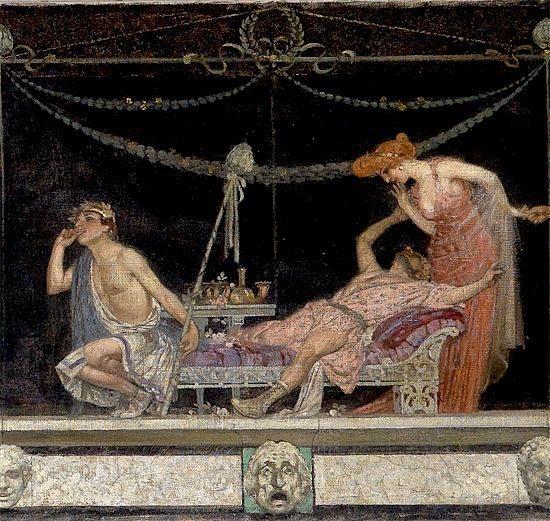
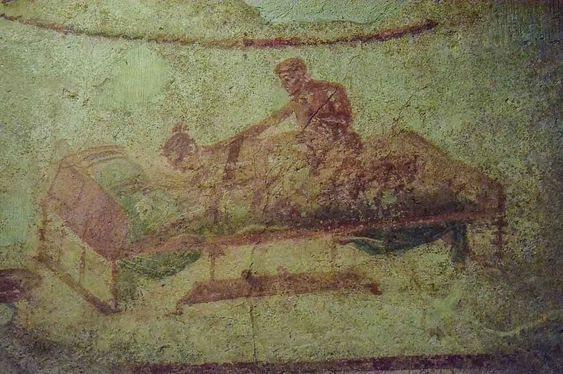
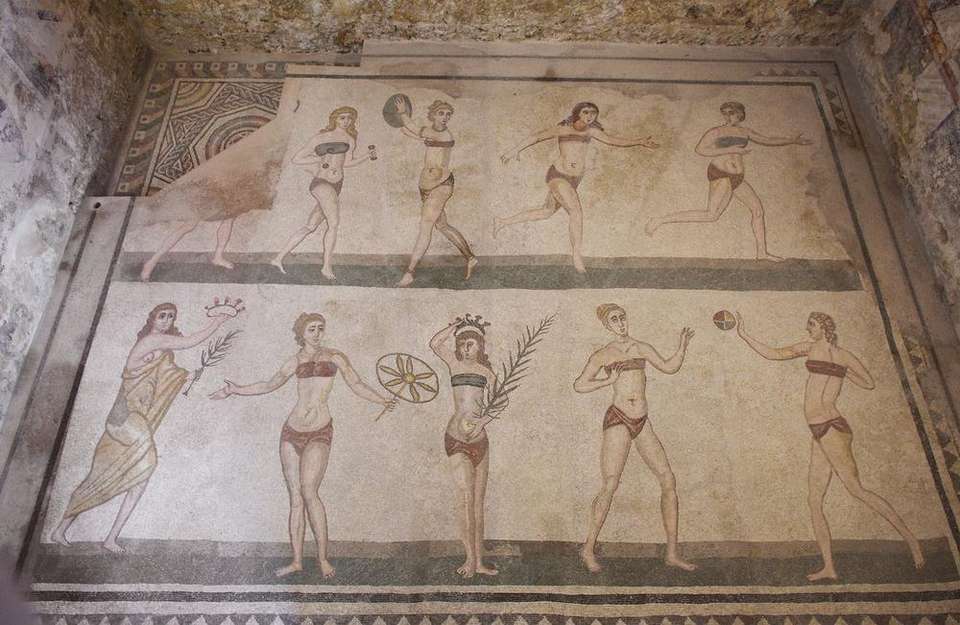
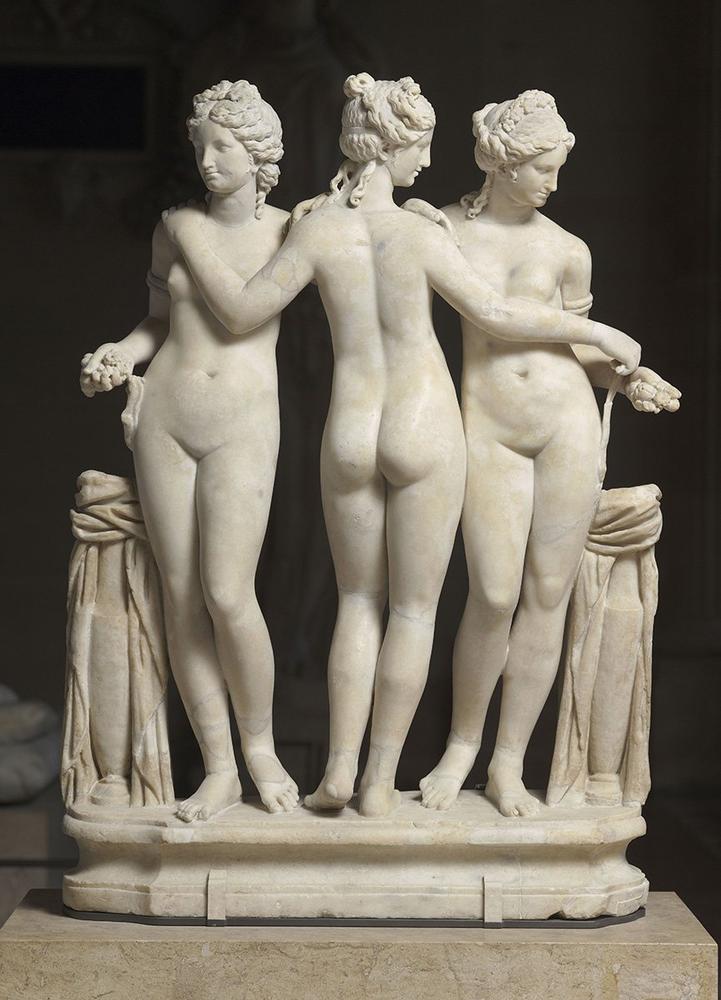
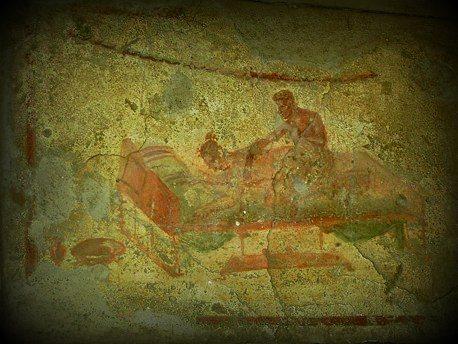
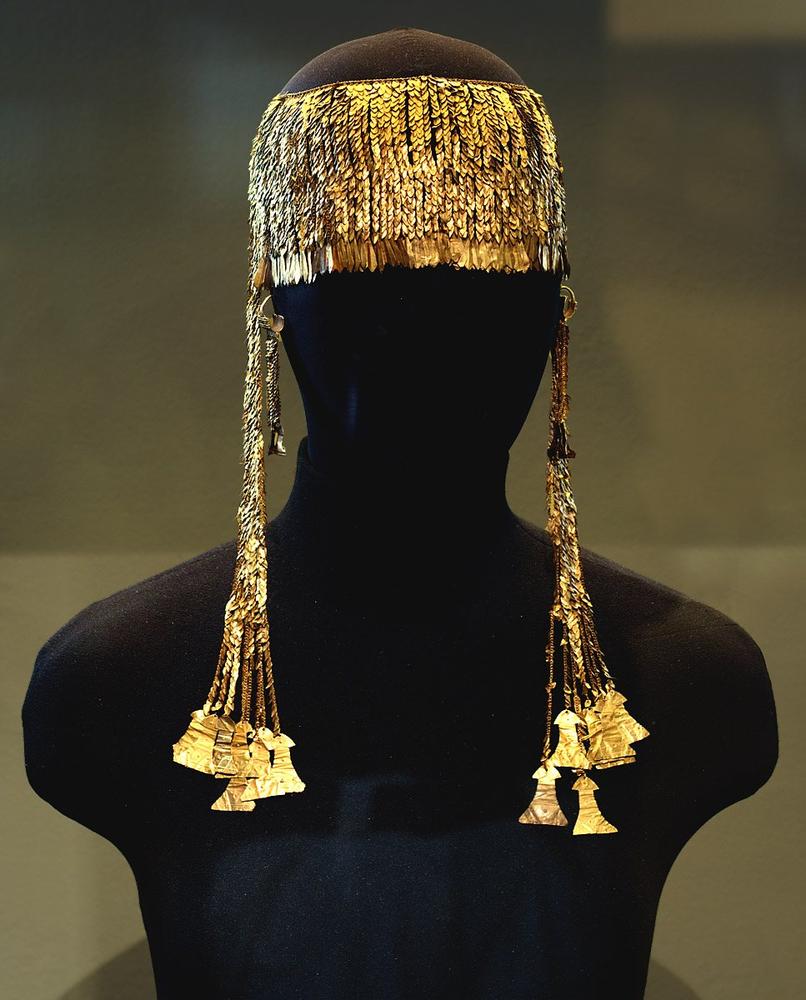
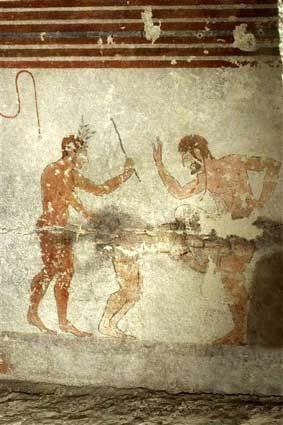
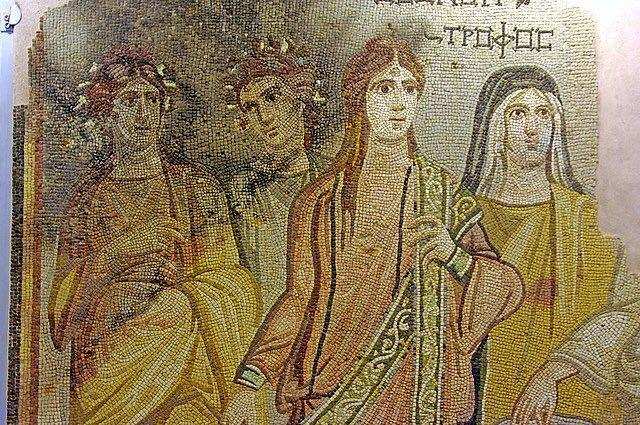
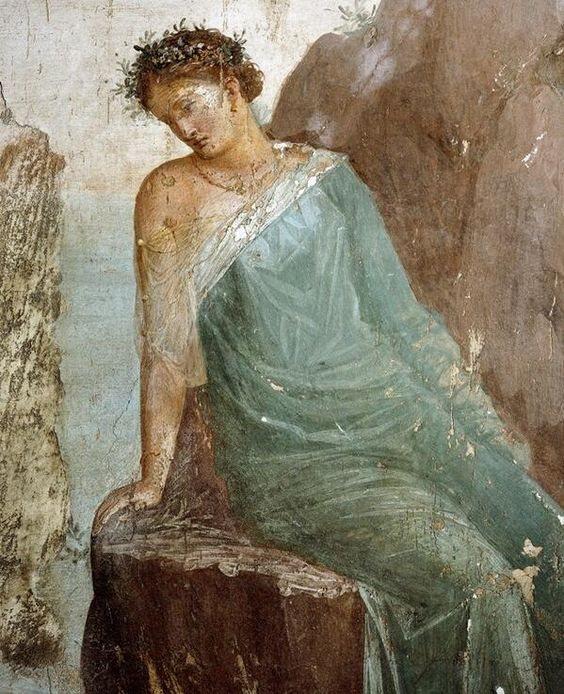
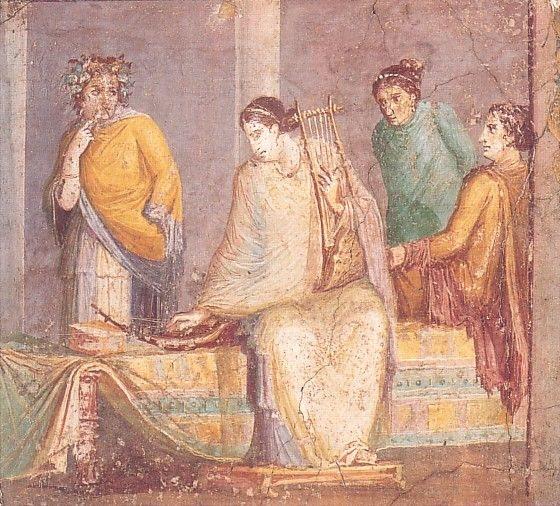
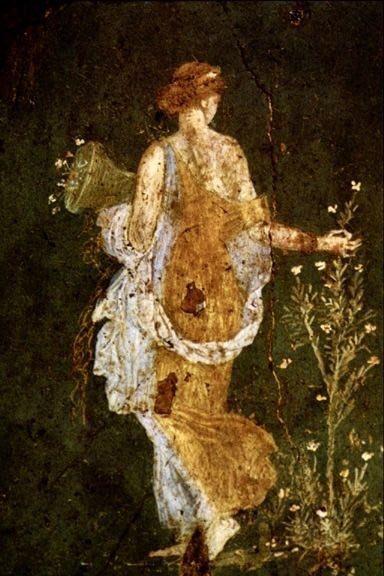
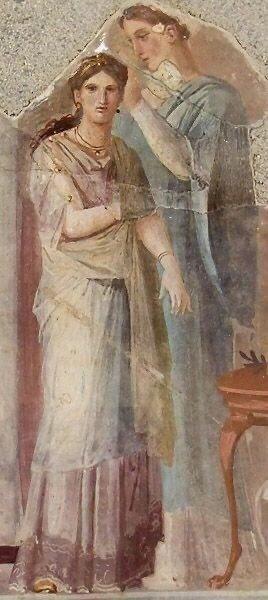
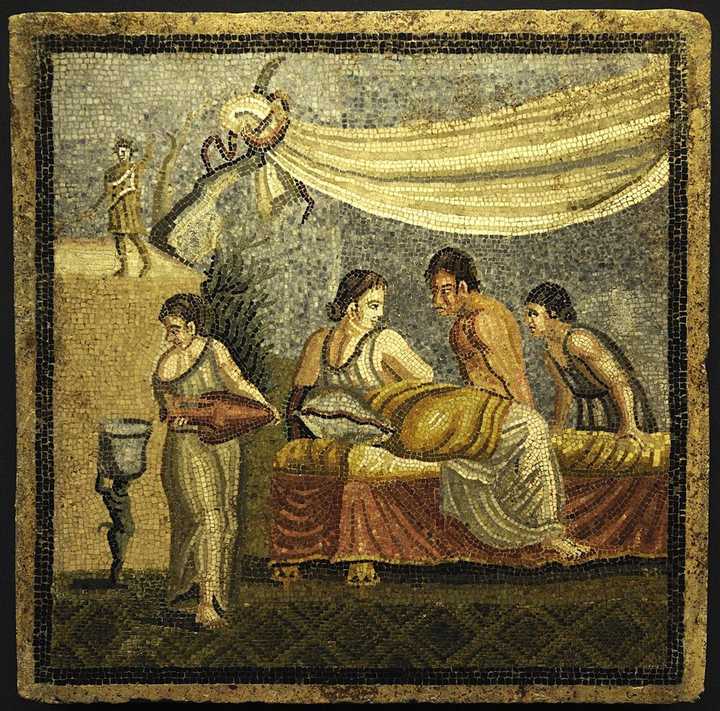
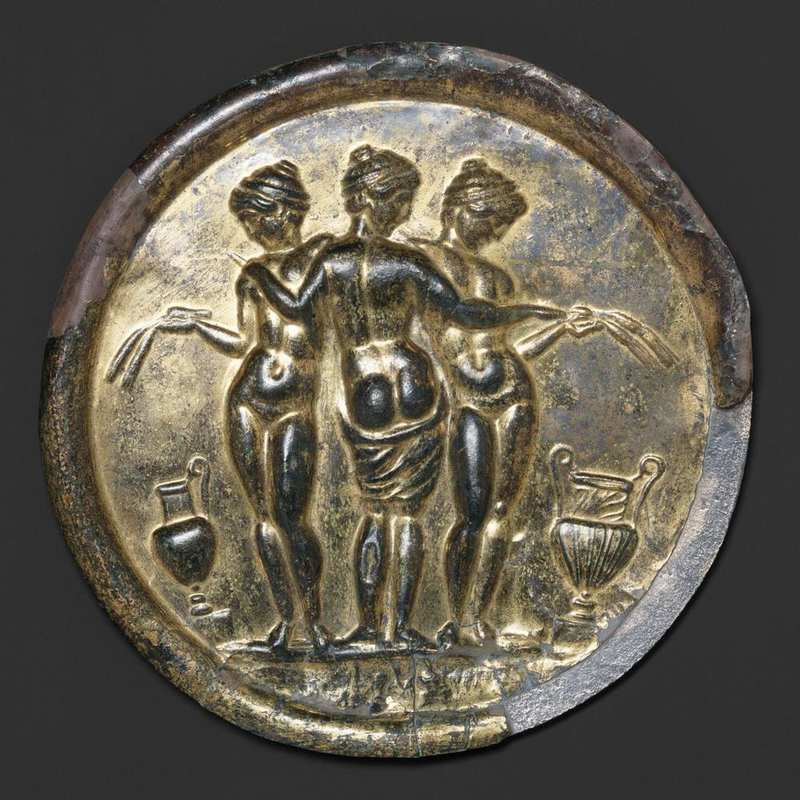
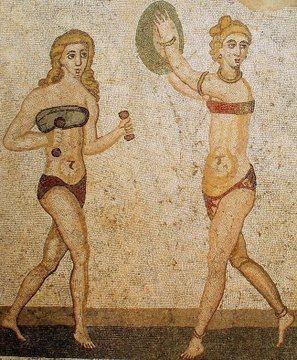
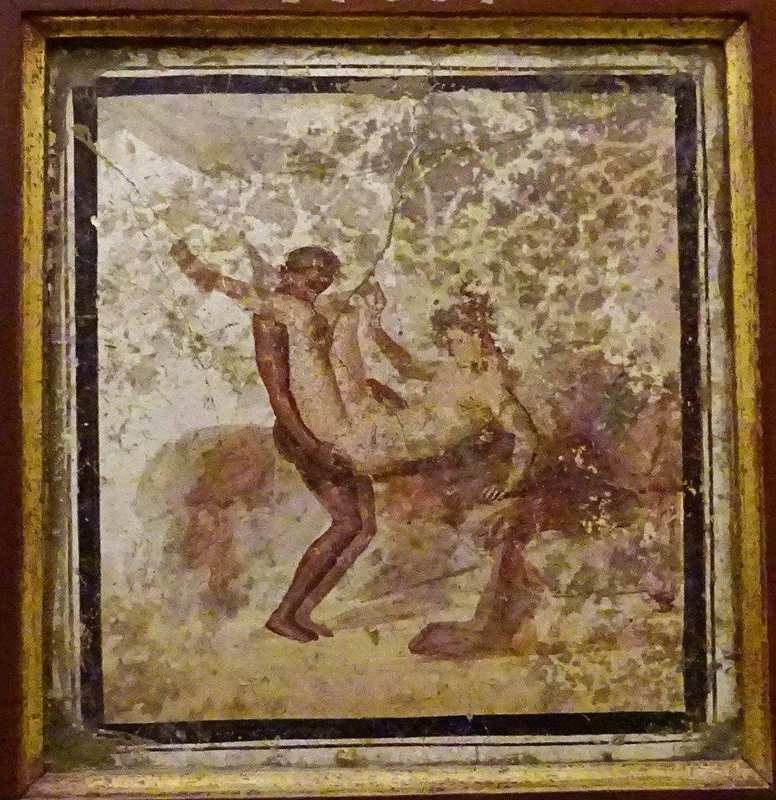
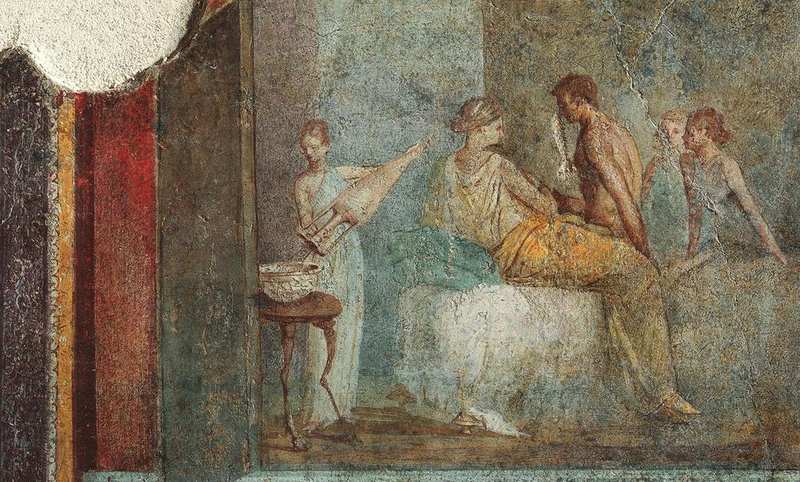
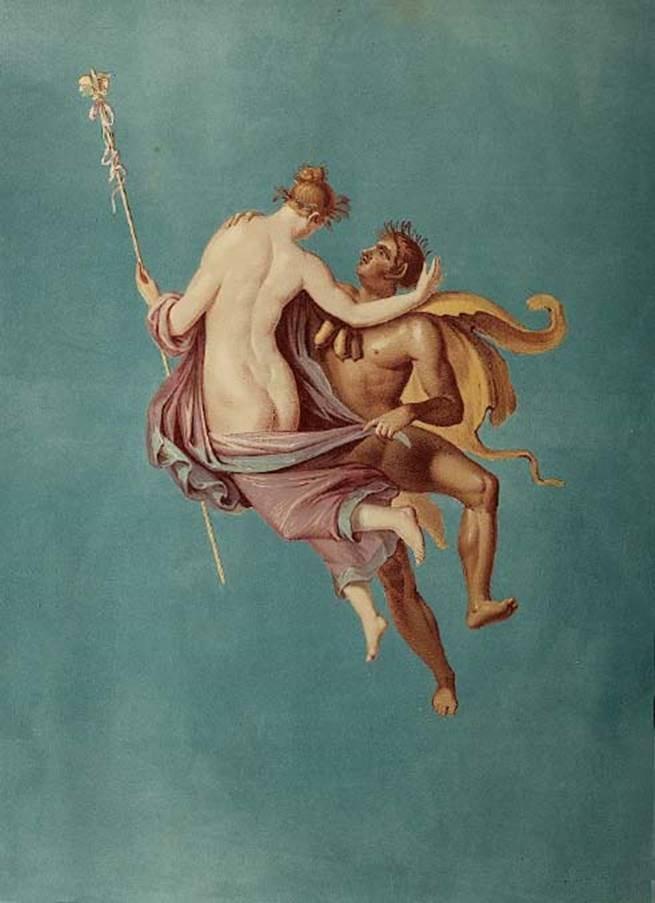
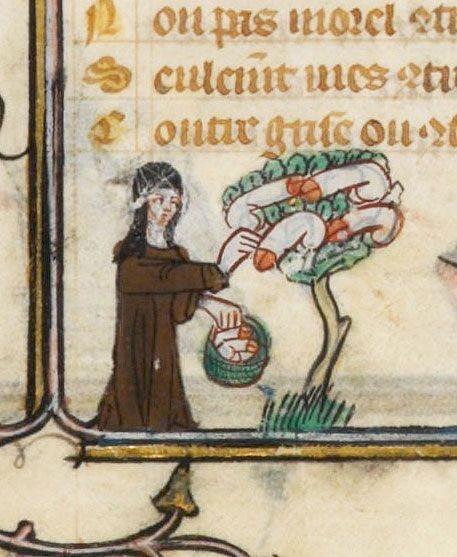
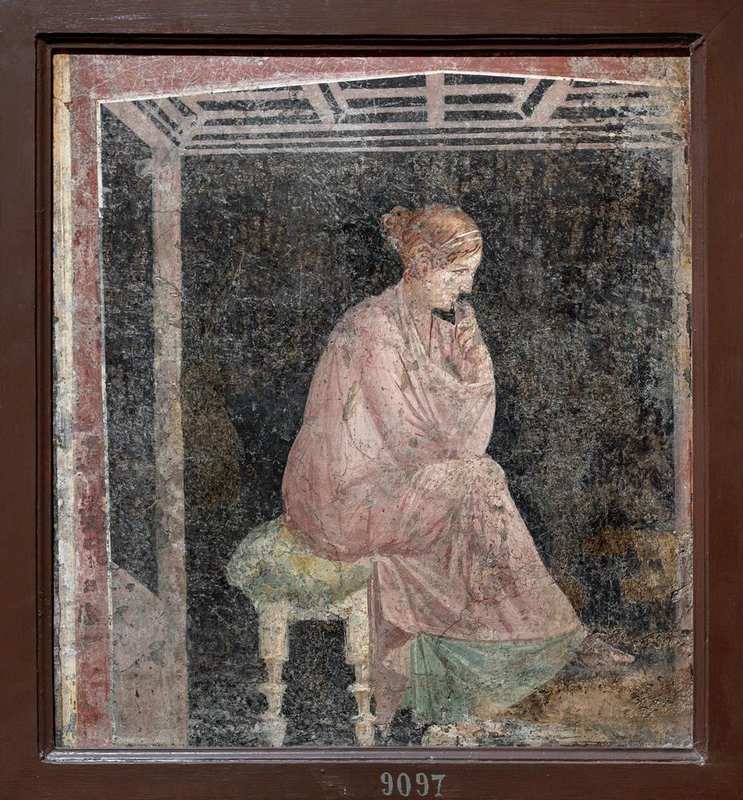
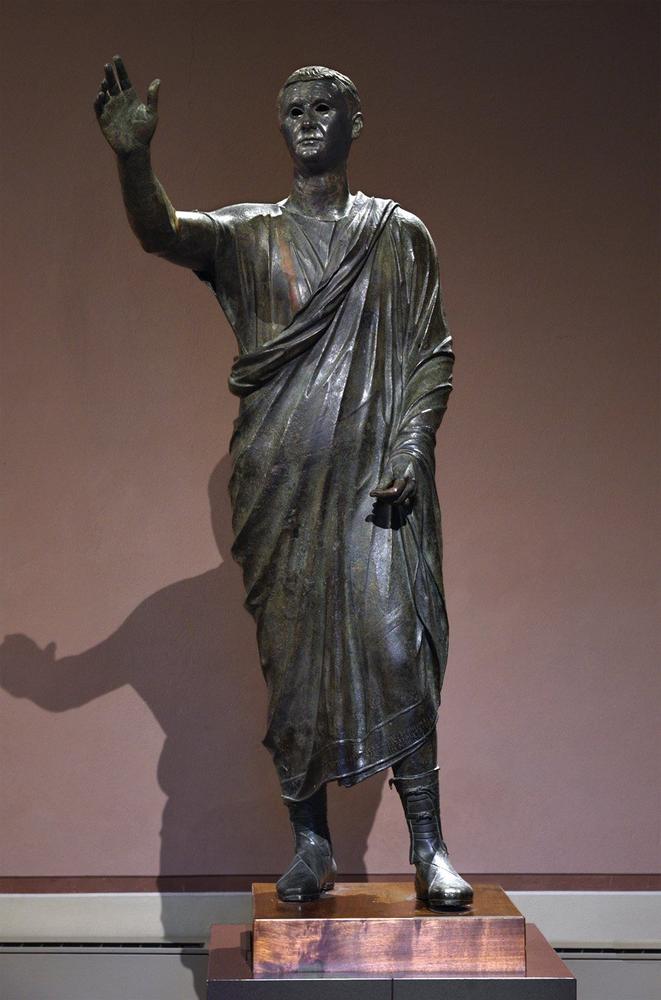
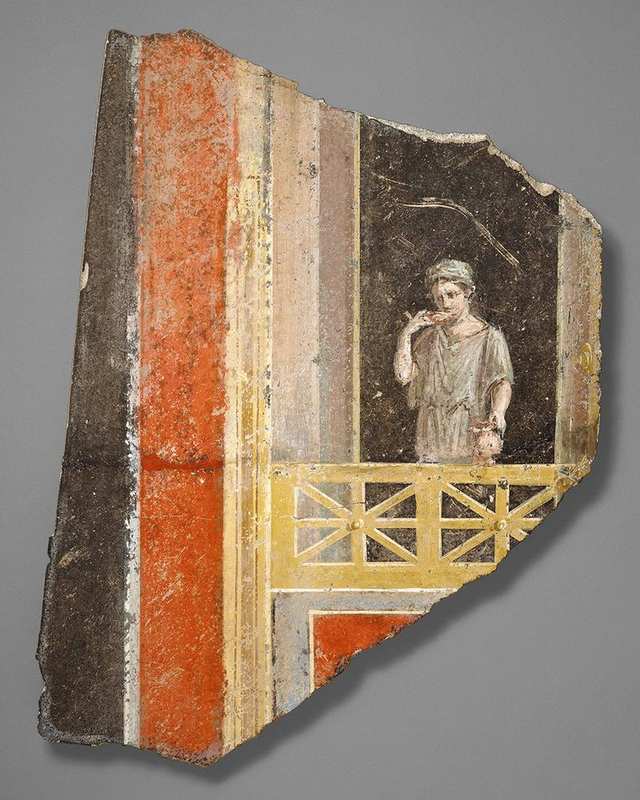
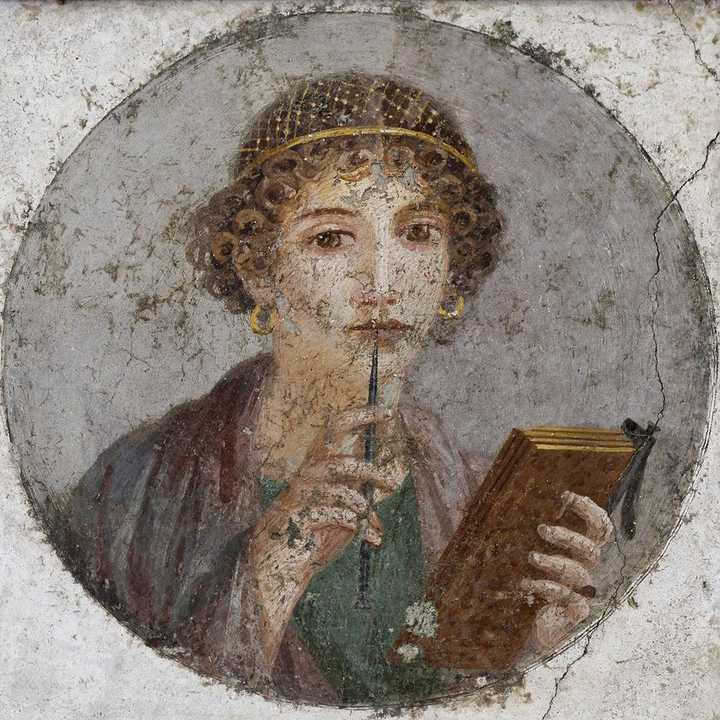
Research reference images gathered from dispersed, publicly accessible sources across the internet. Rights remain with their respective creators and institutions.
Collection 03 · 74 new references
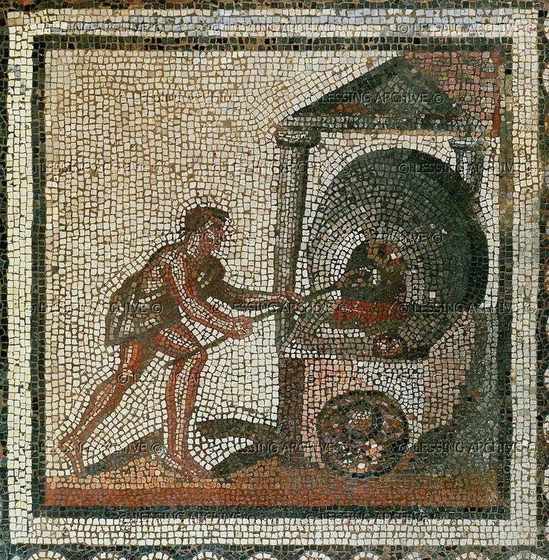
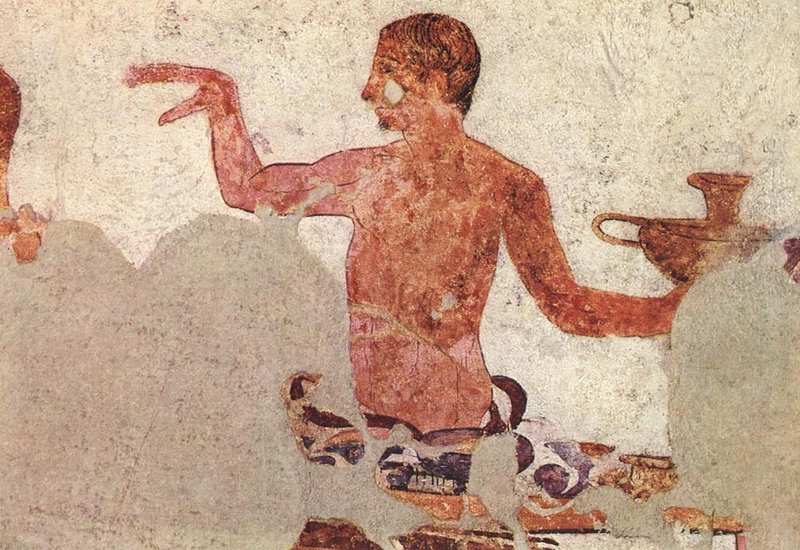
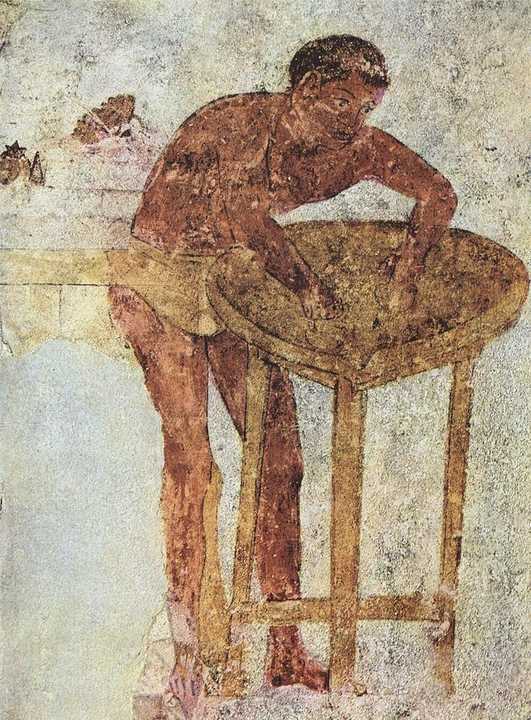
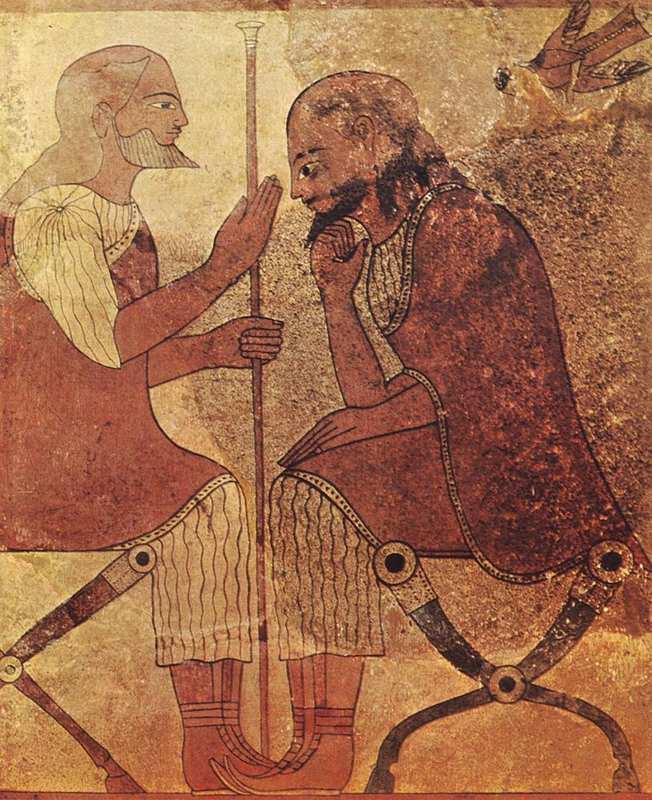
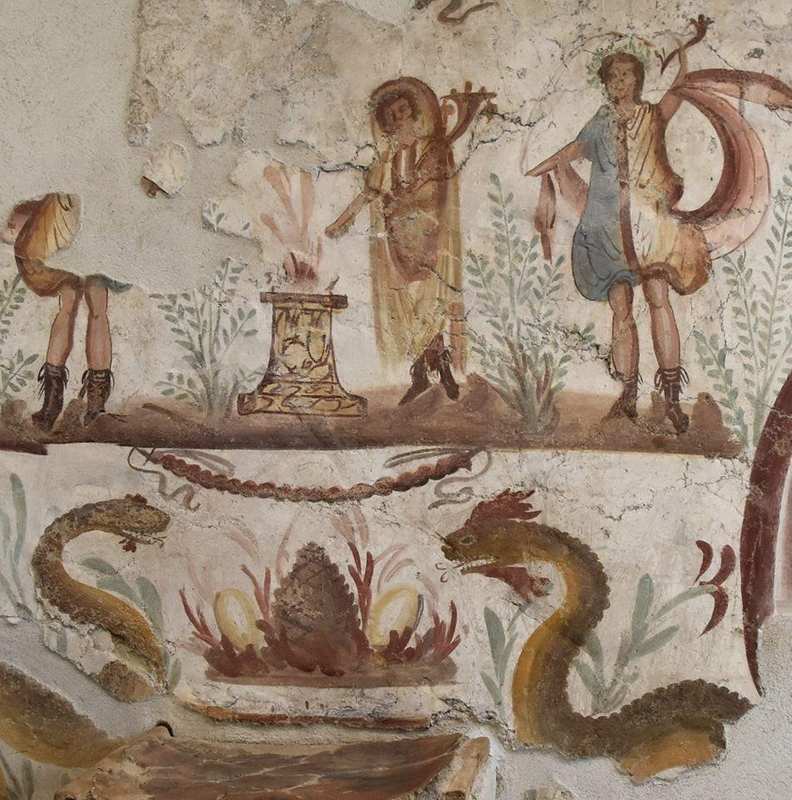
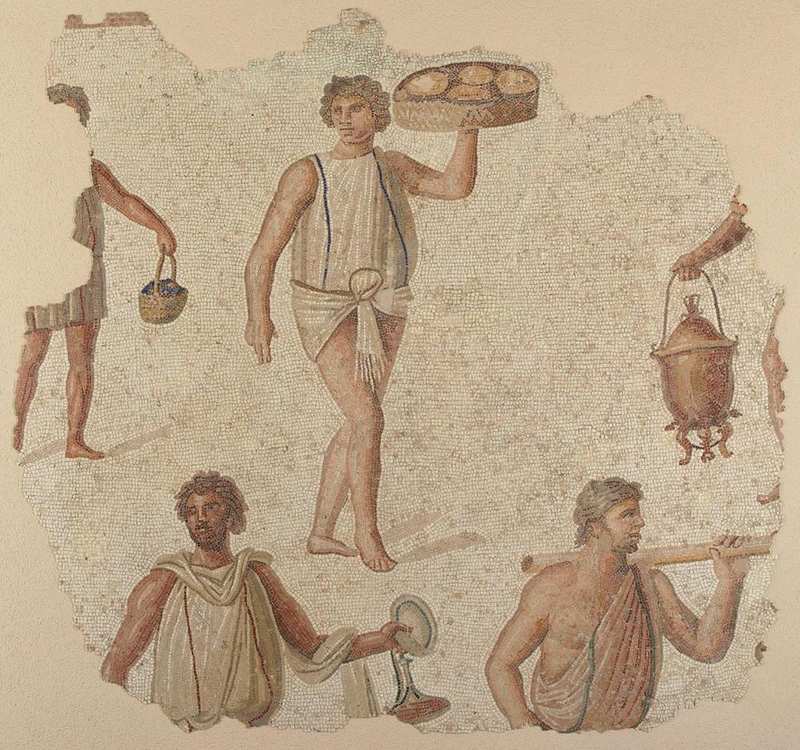
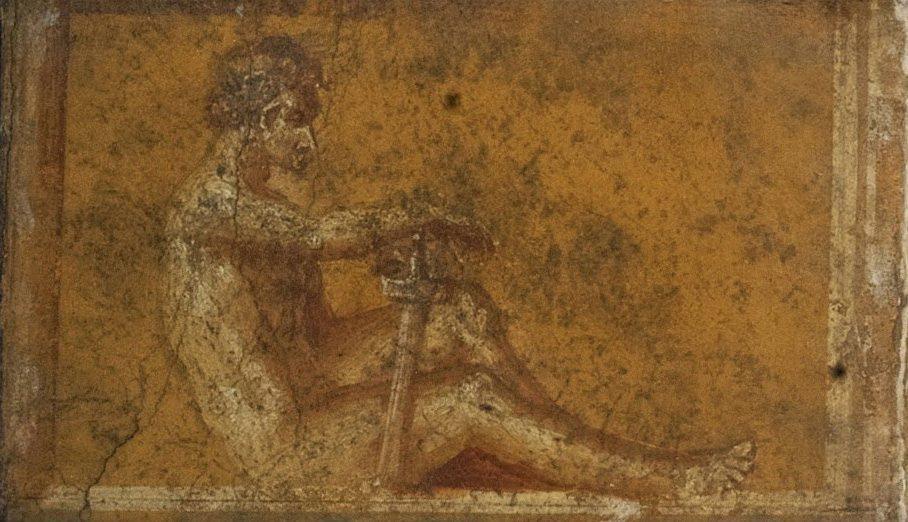
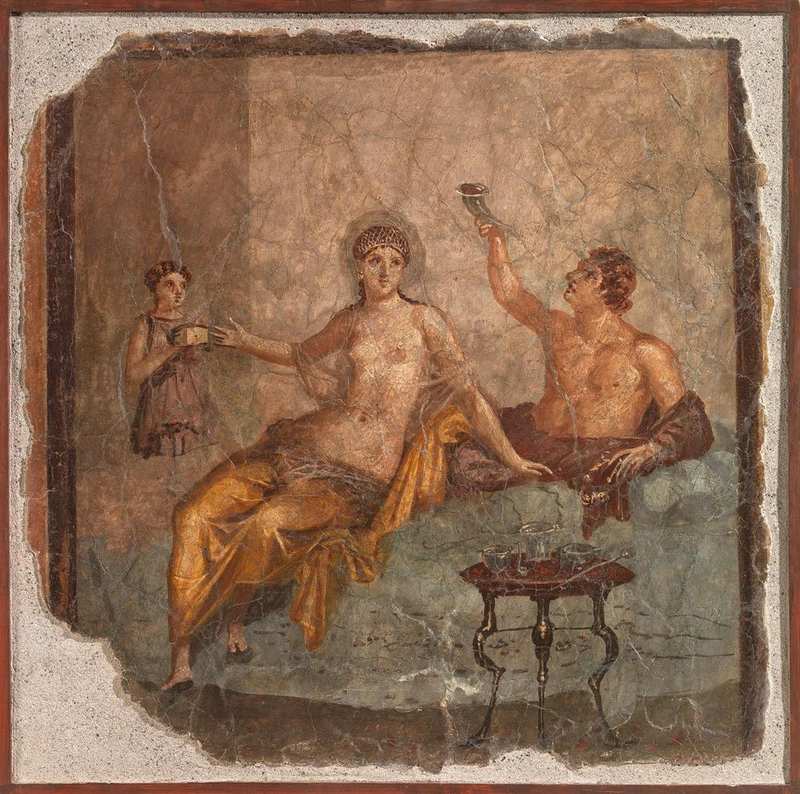
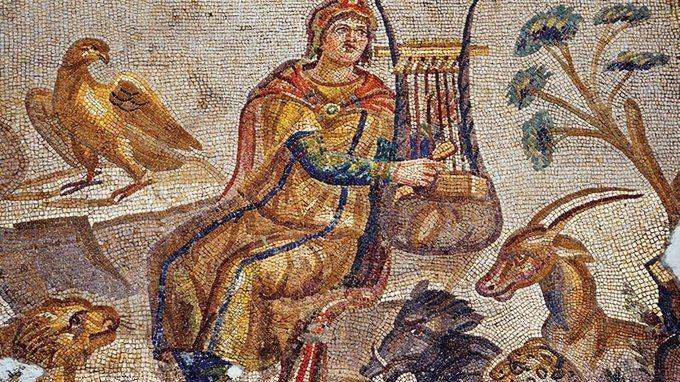
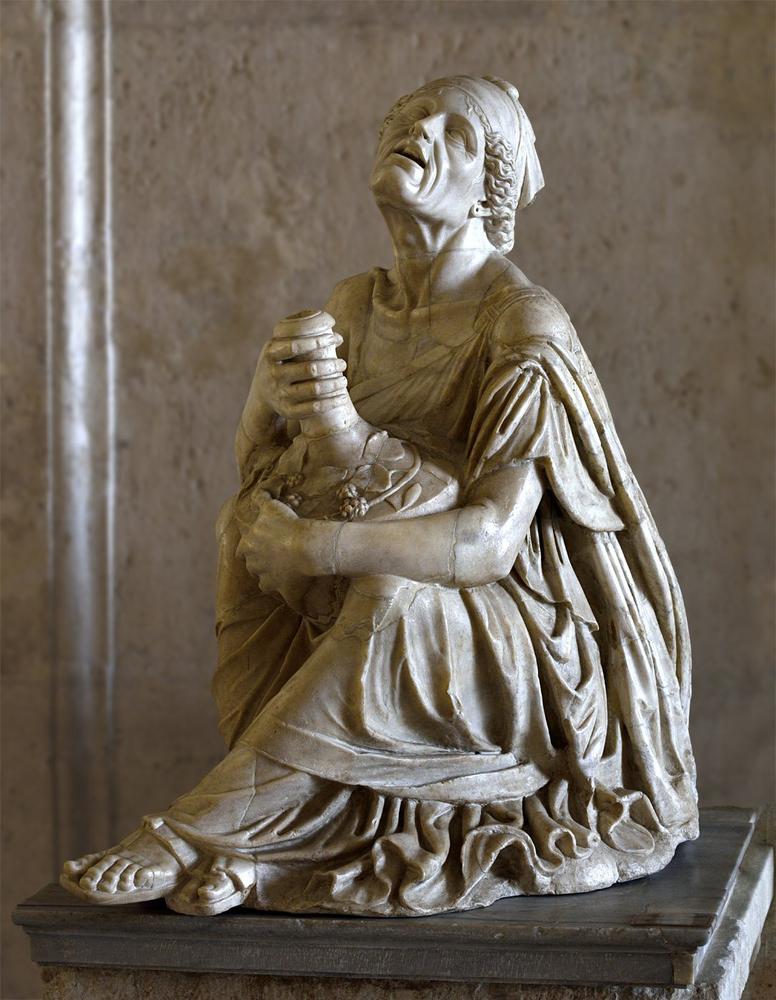
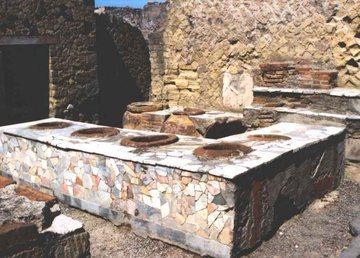
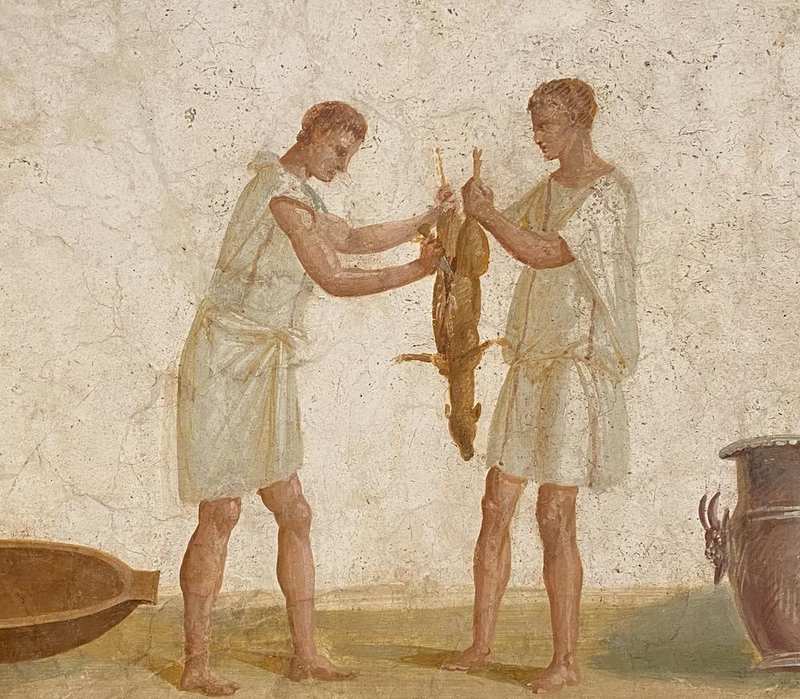
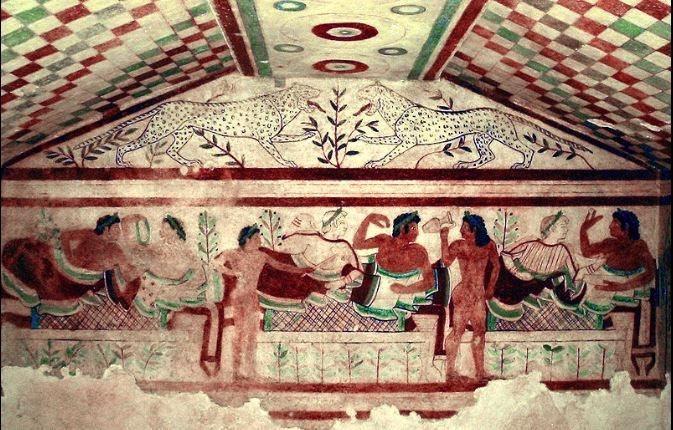
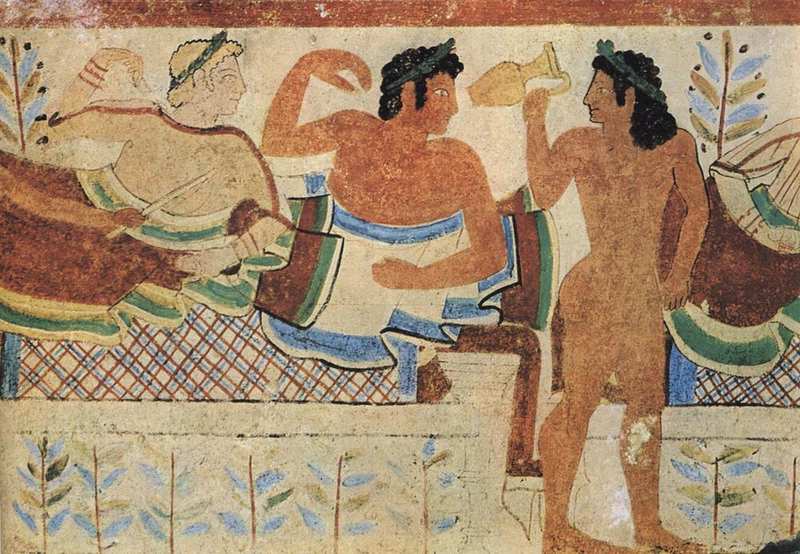
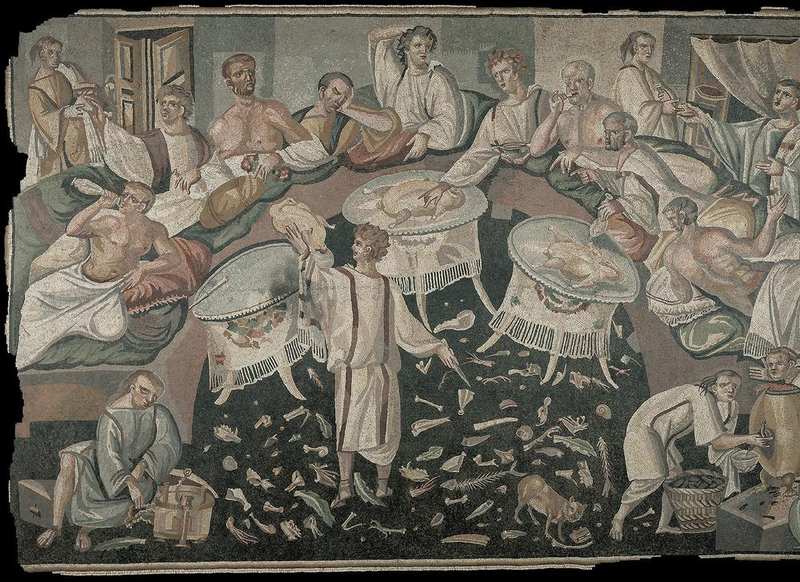
Food, Wine & Dining
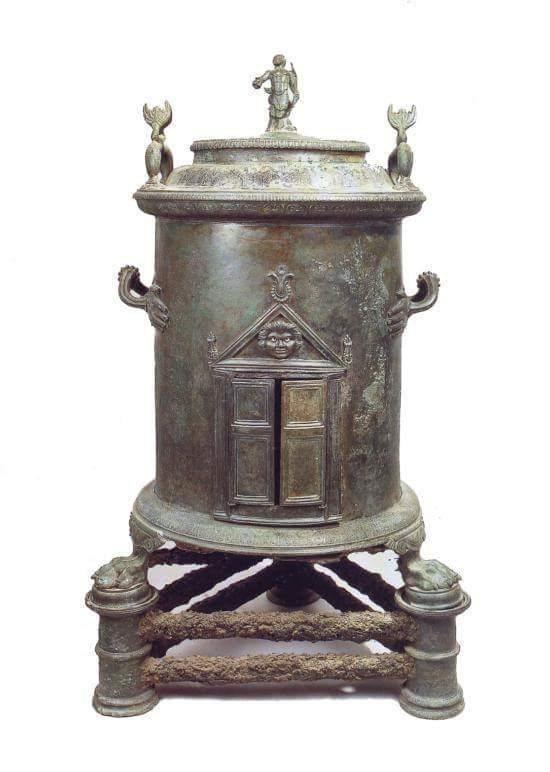
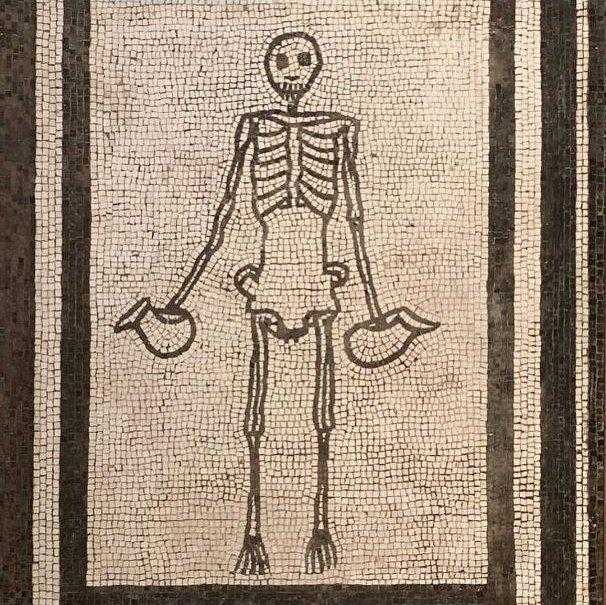
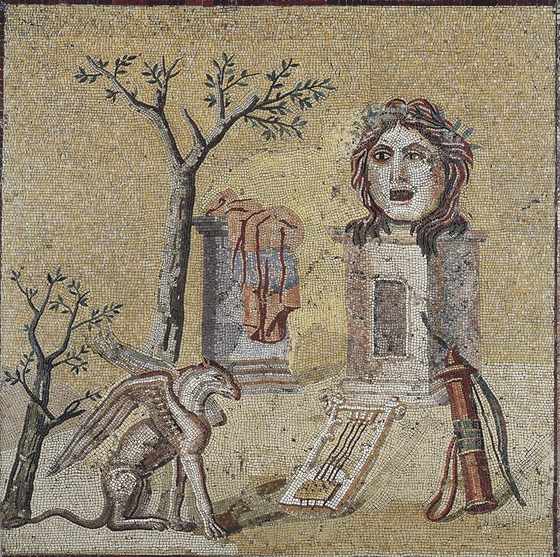
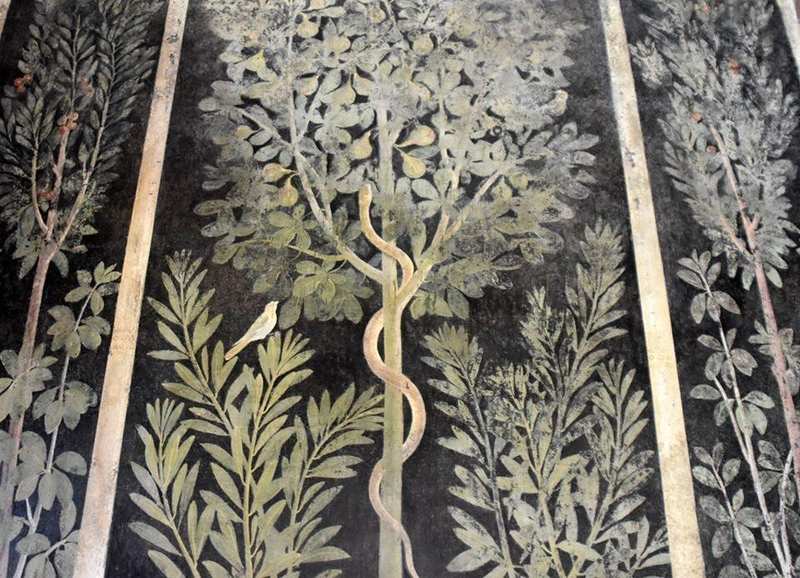
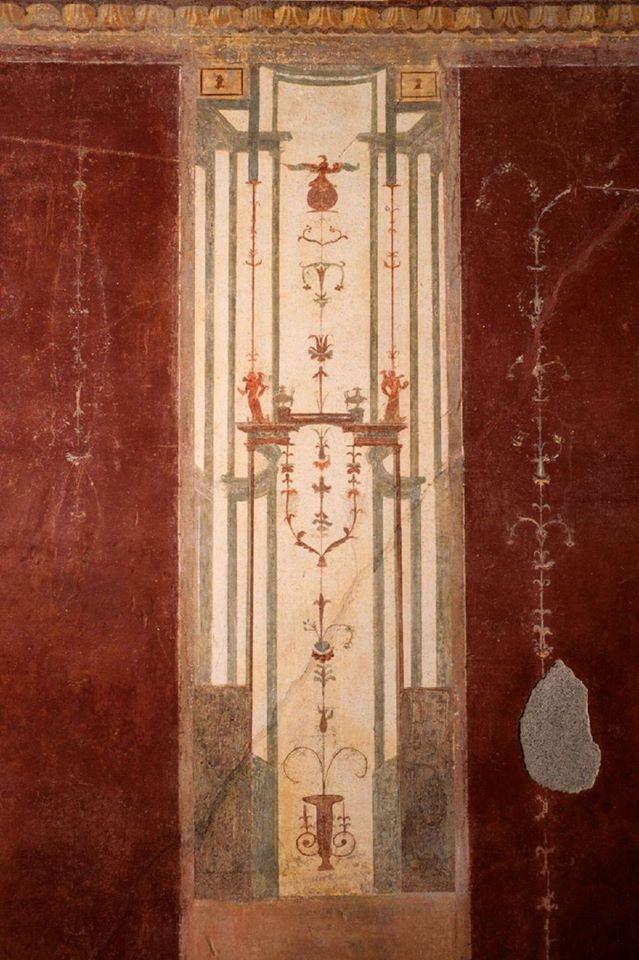
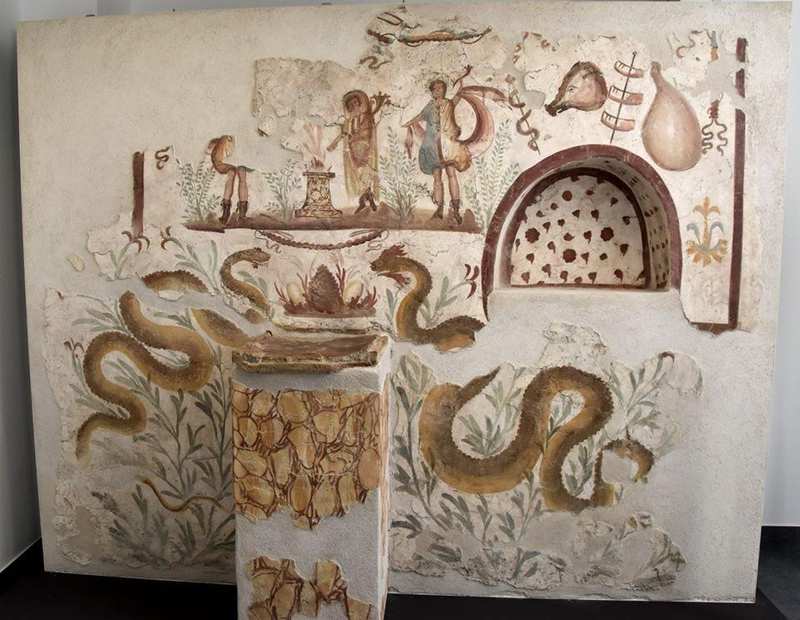
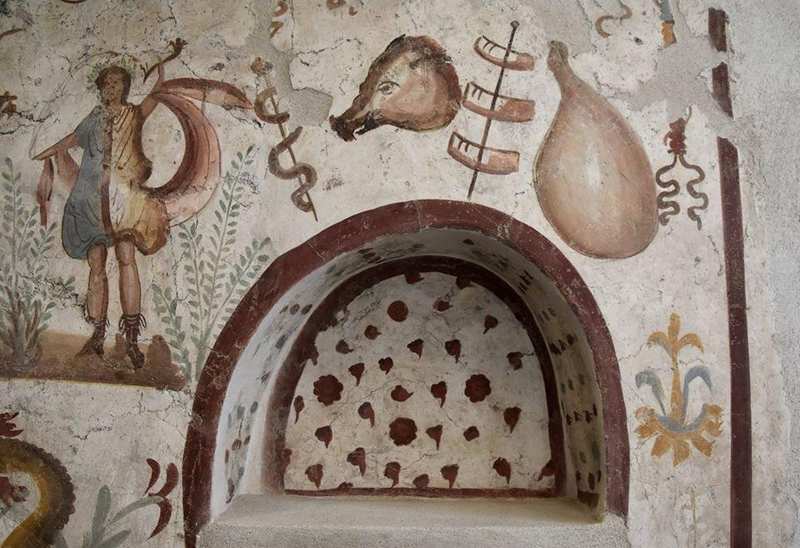
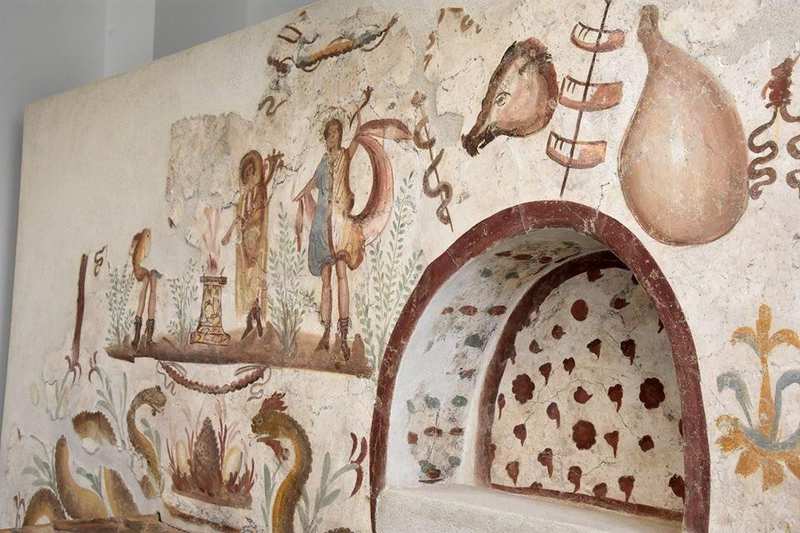
Fruit, bread, vessels, kitchens, service, agriculture, wine production, banqueting and the visual culture of hospitality. Exact subjects, sites, dates and source rights remain under image-level review.
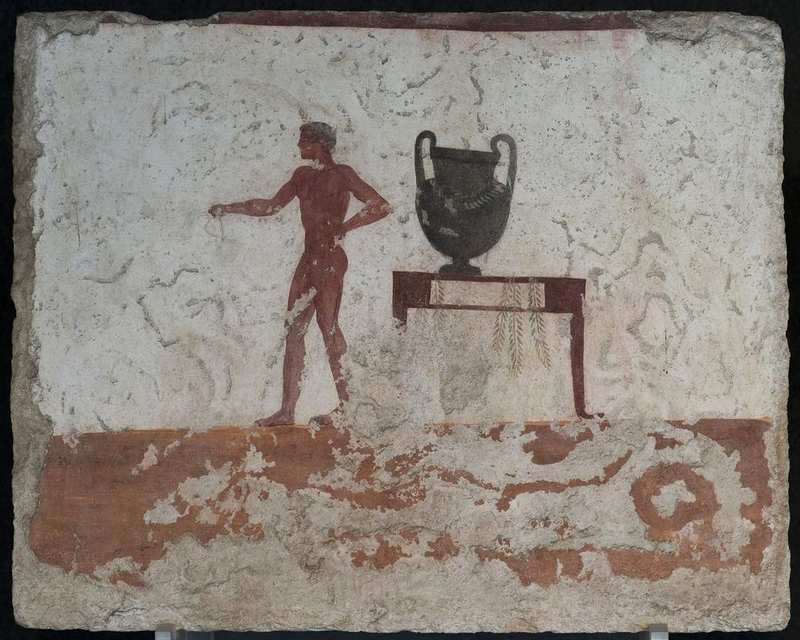
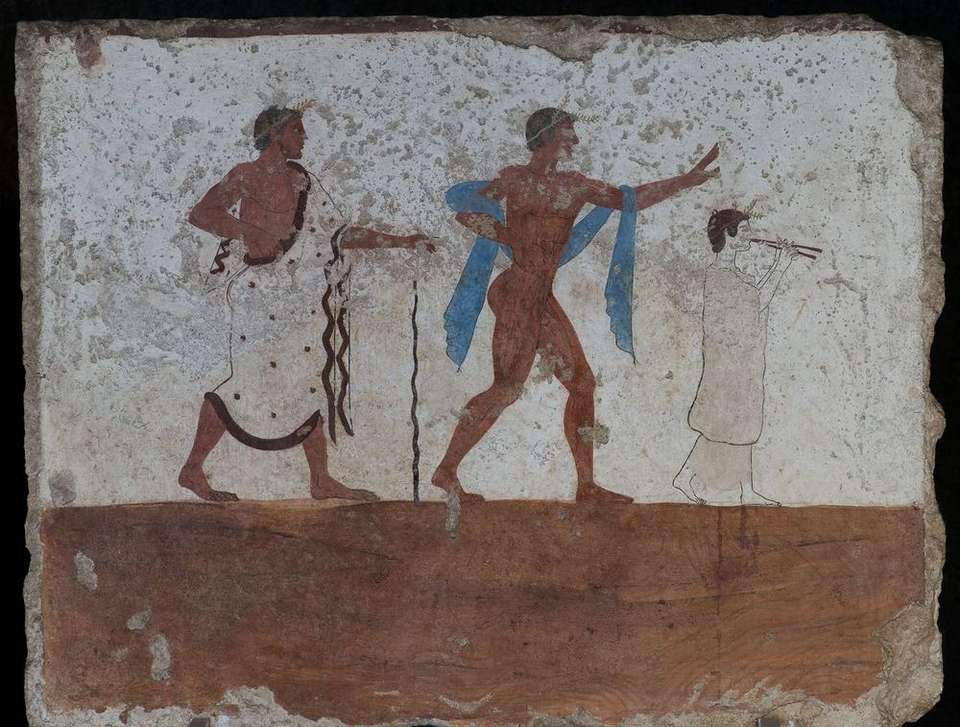
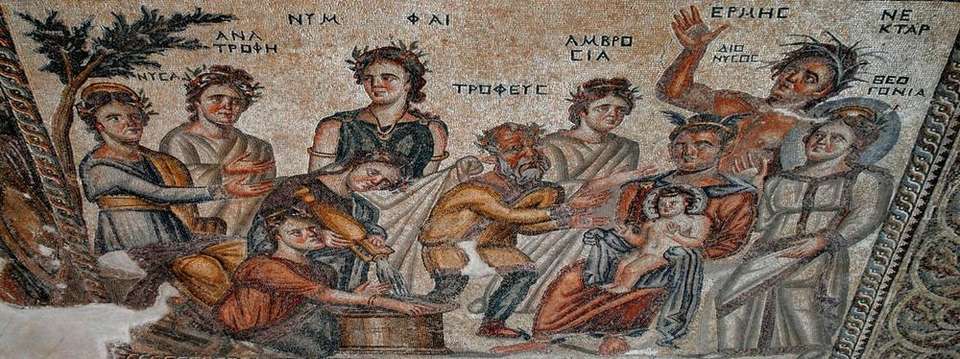
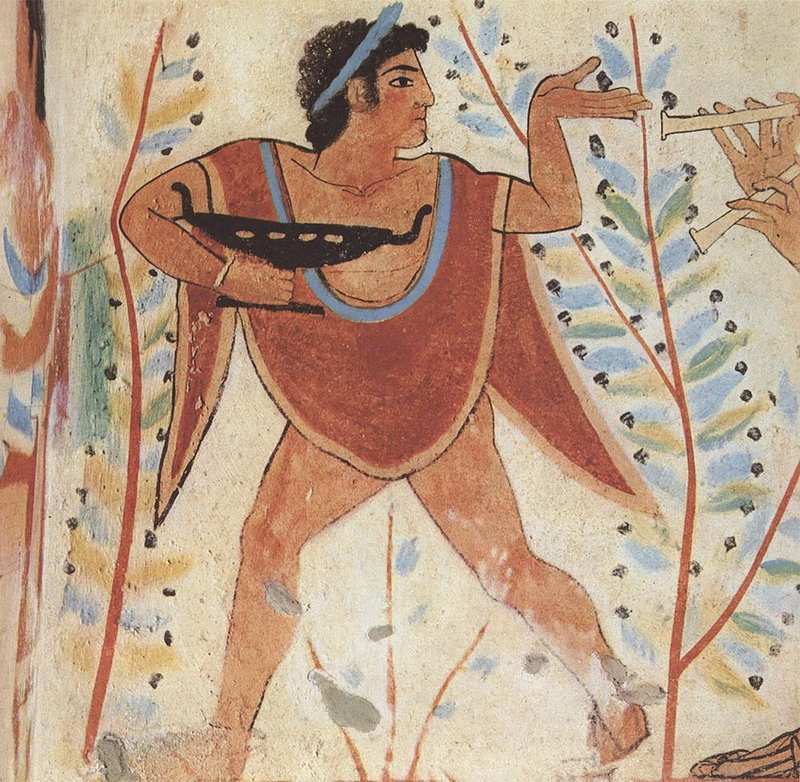
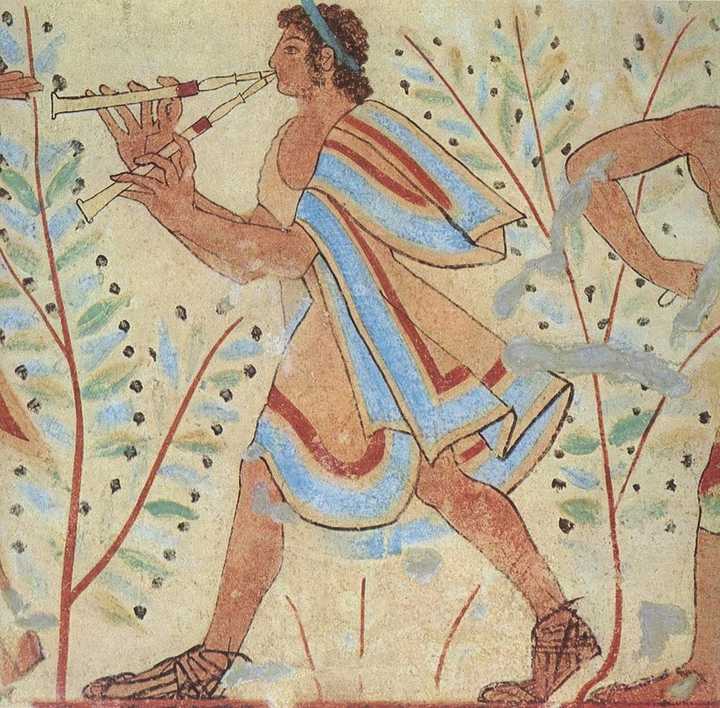
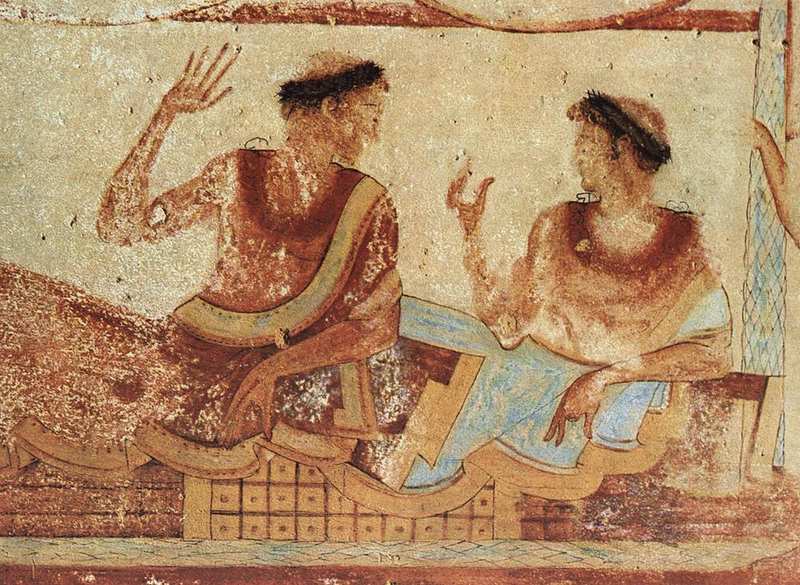
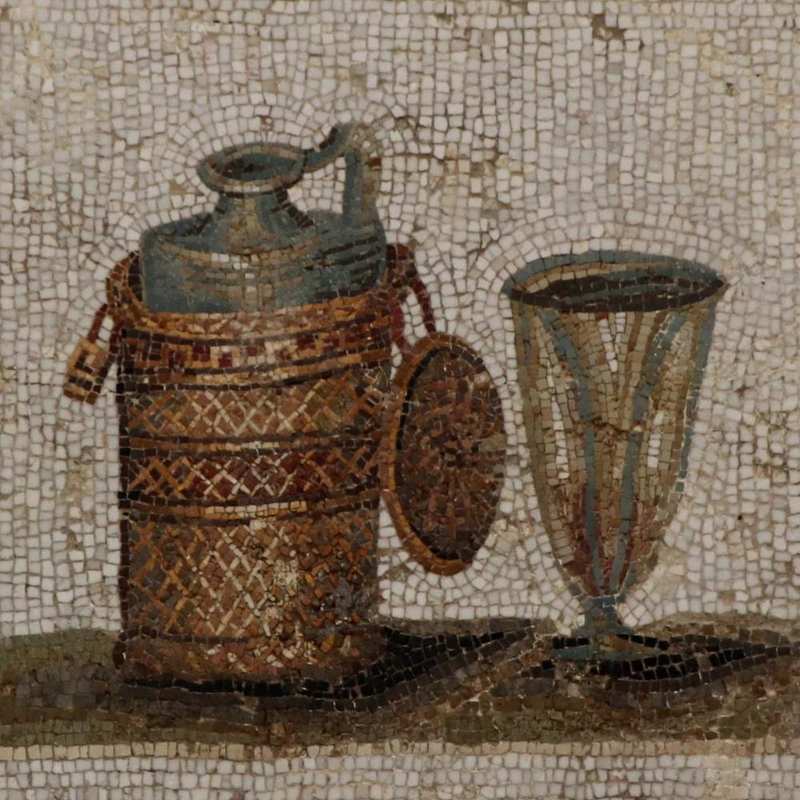
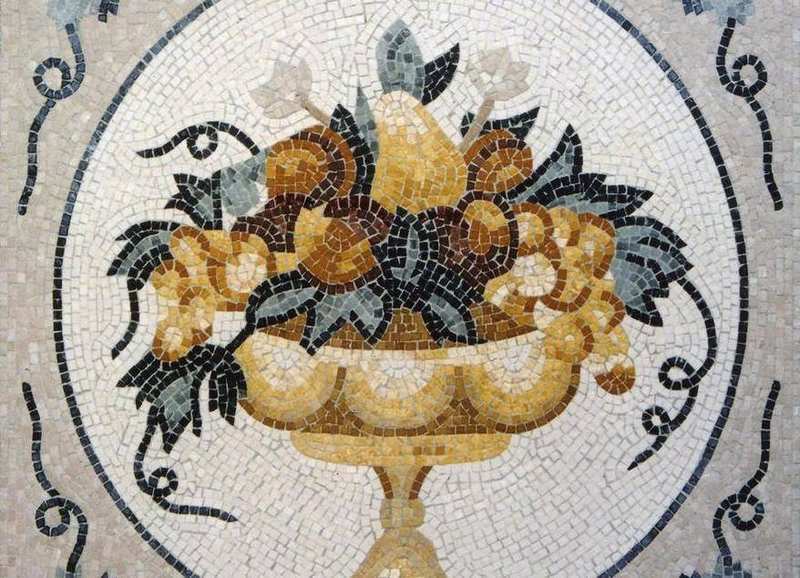
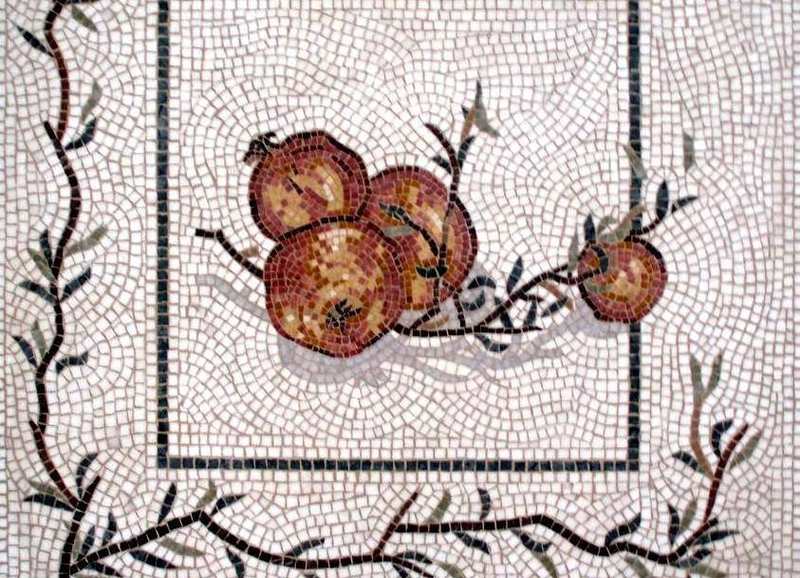
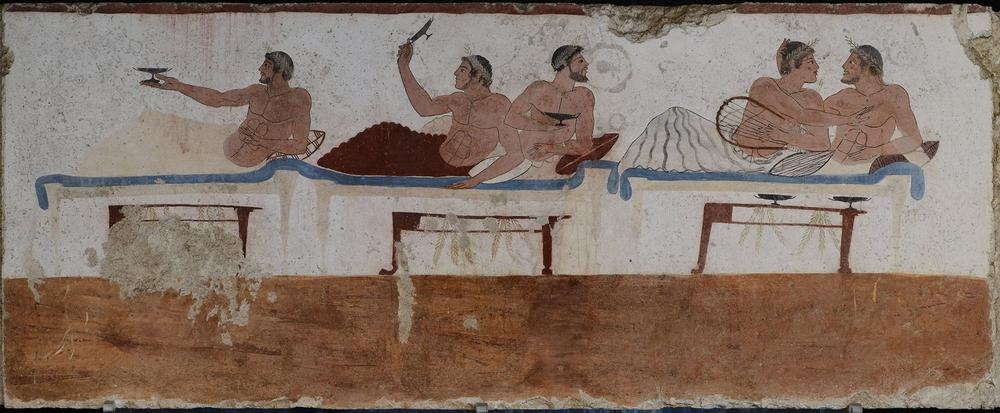
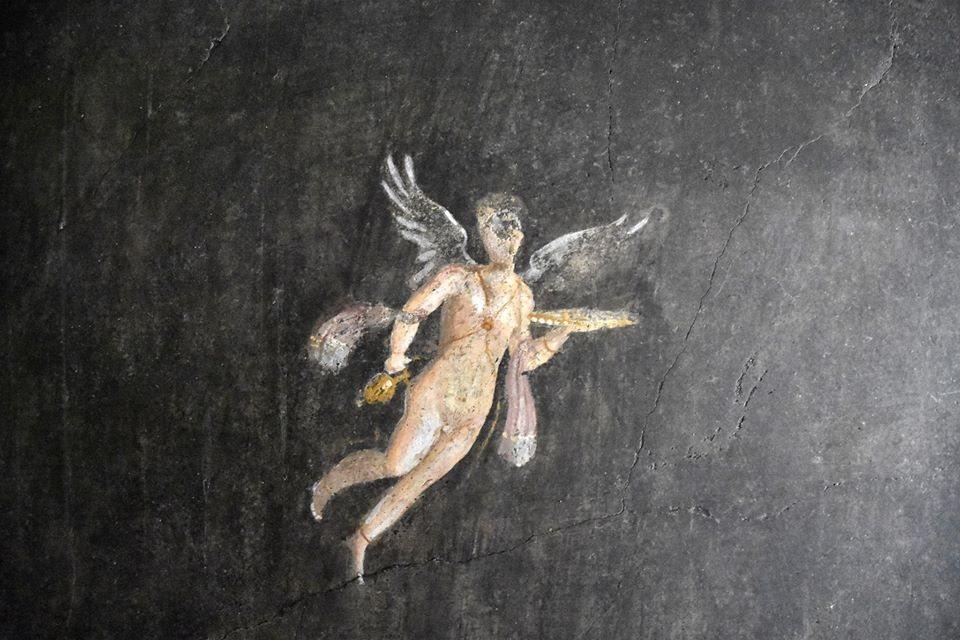
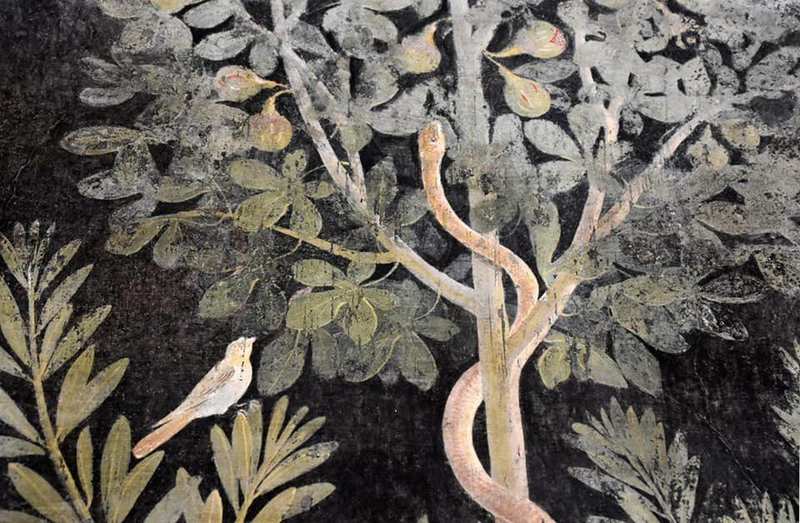
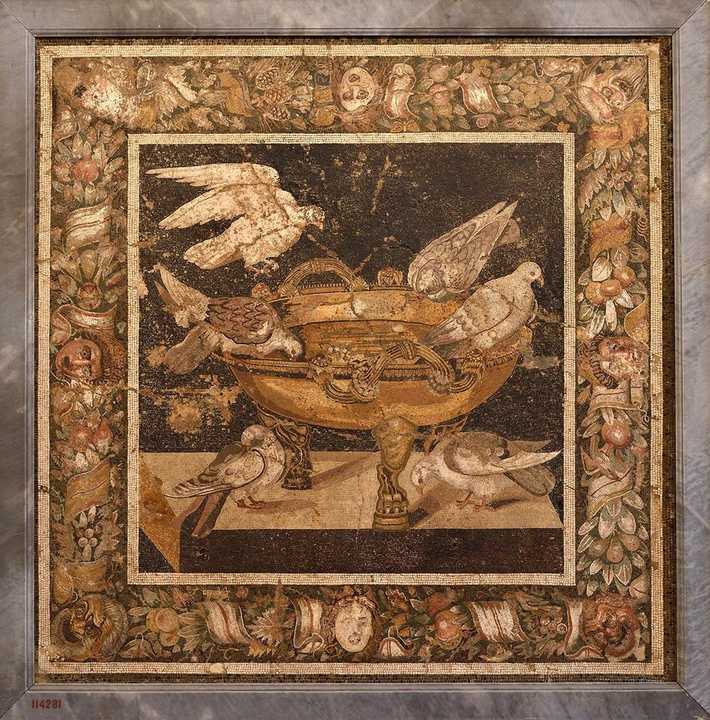
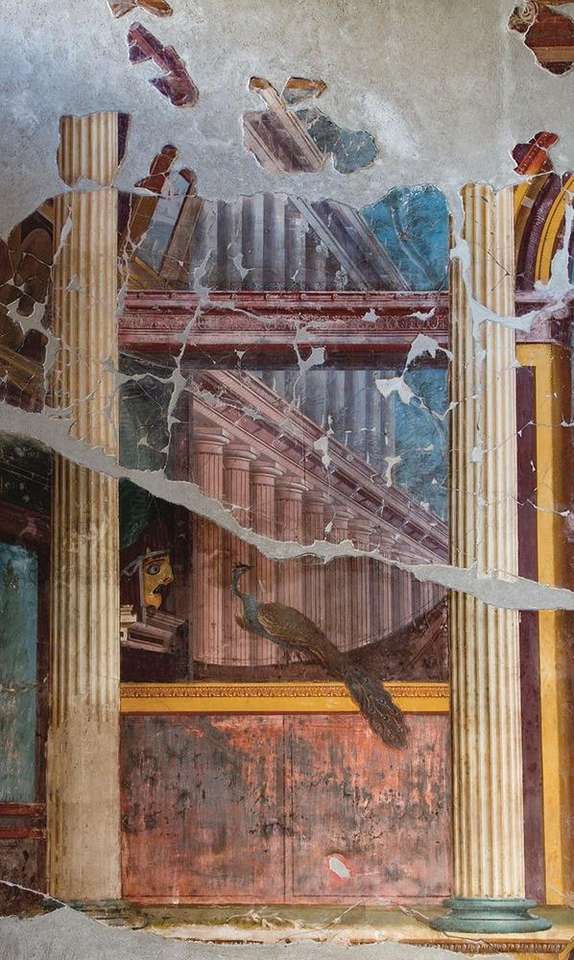
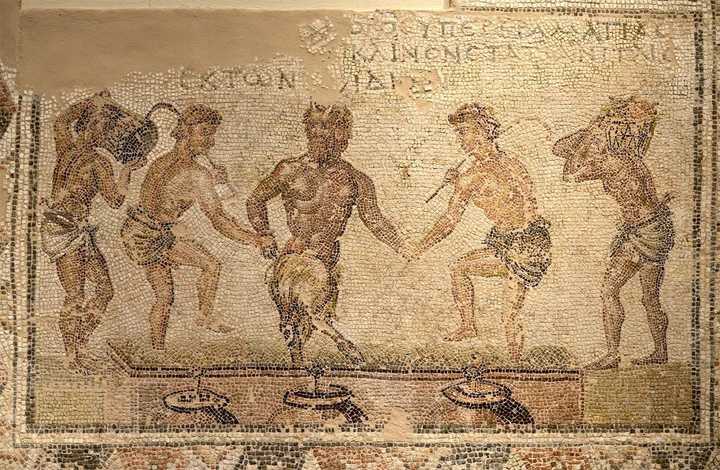
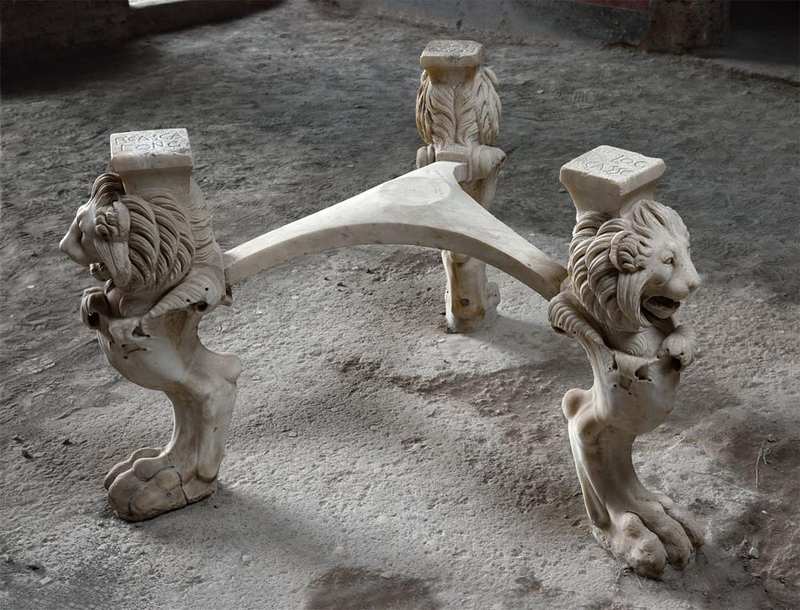
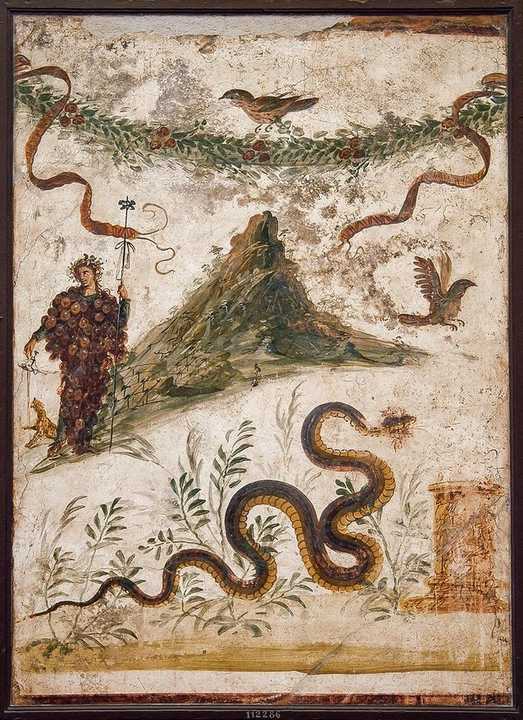
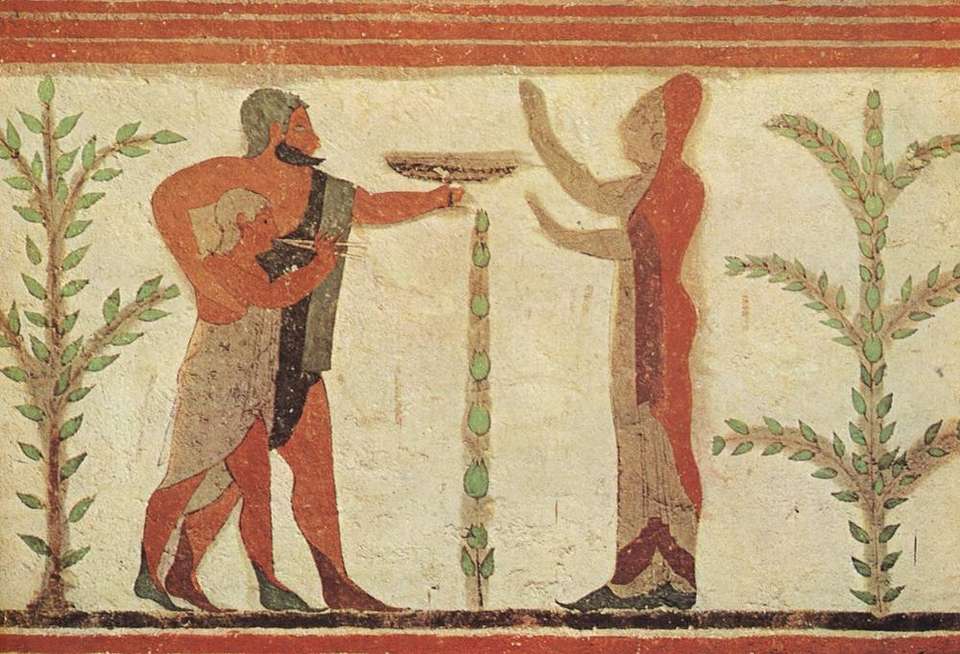
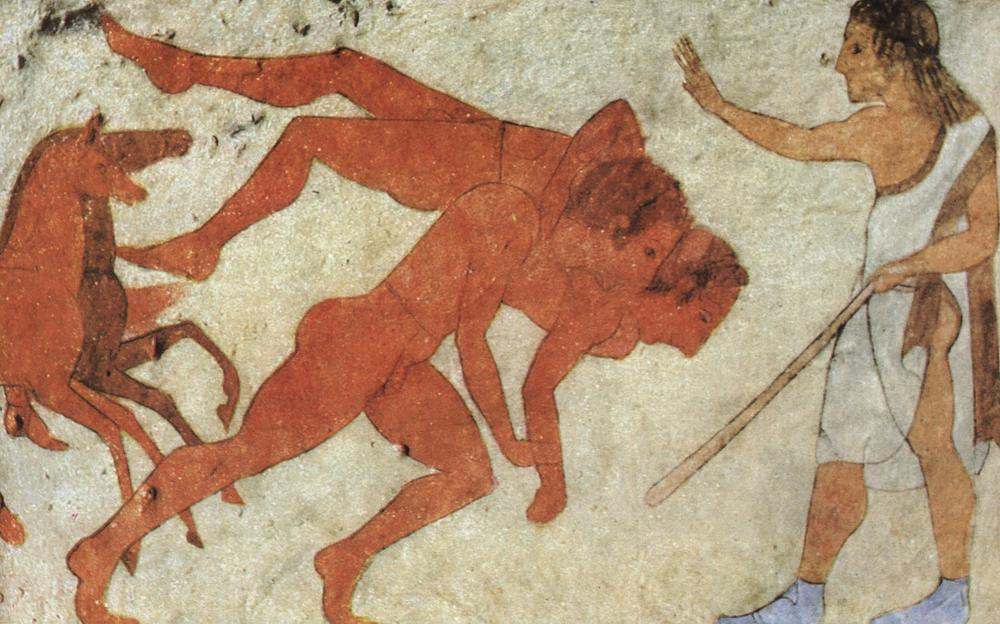
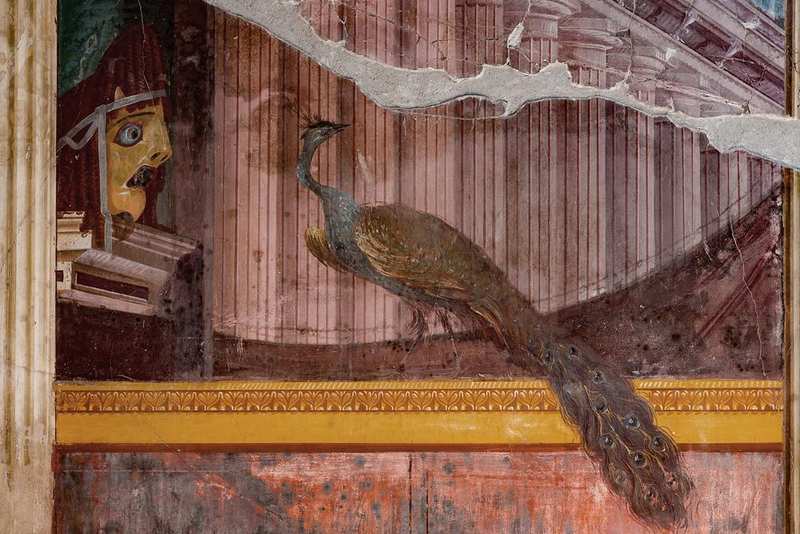
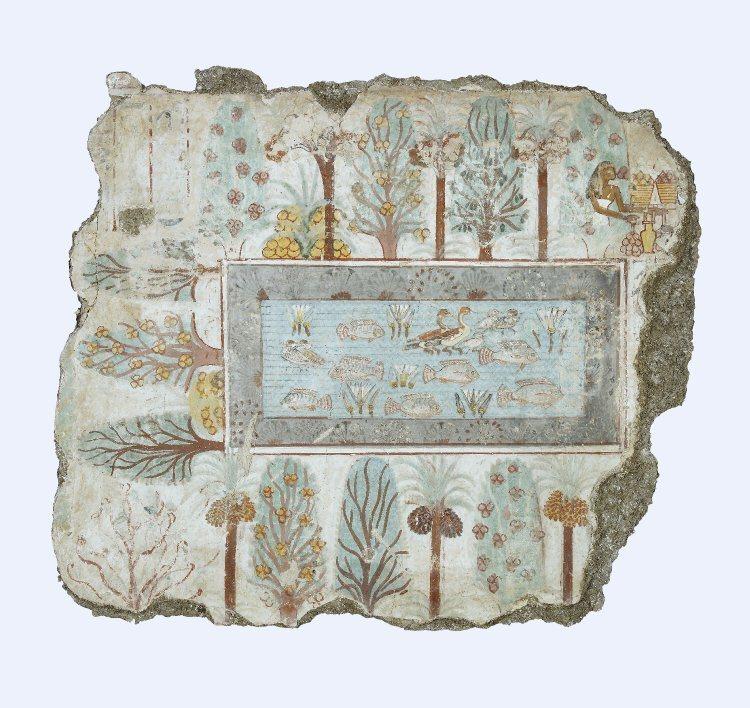
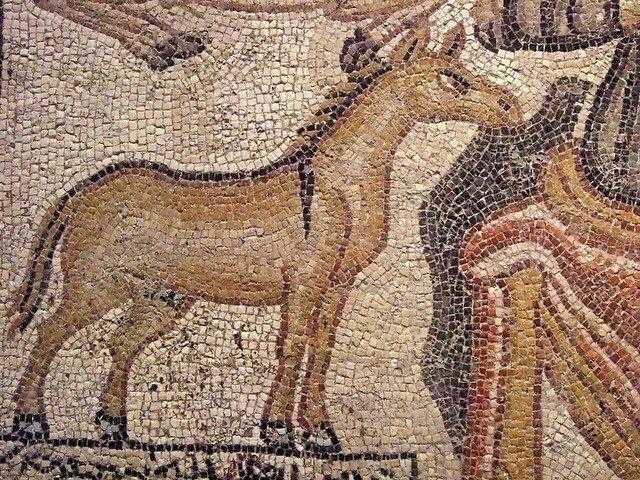
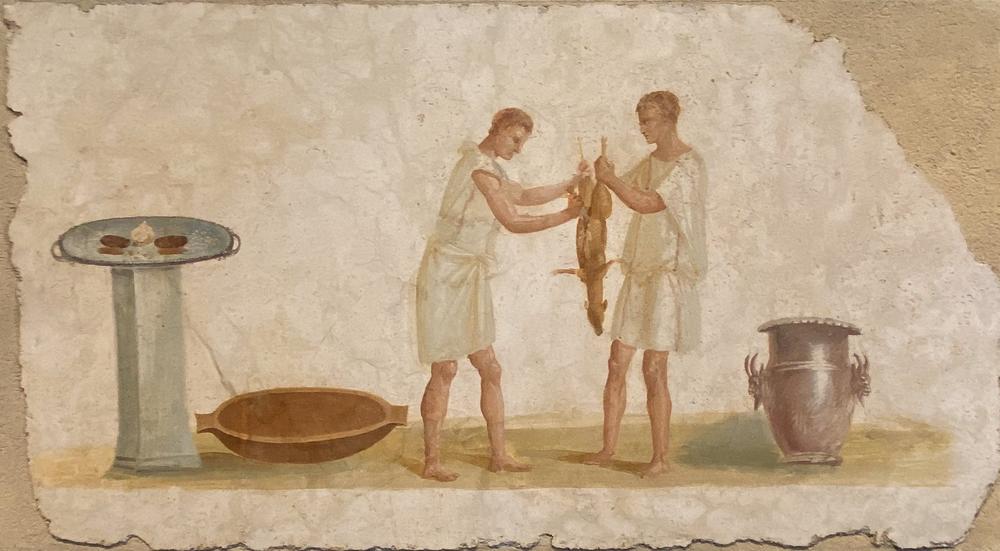
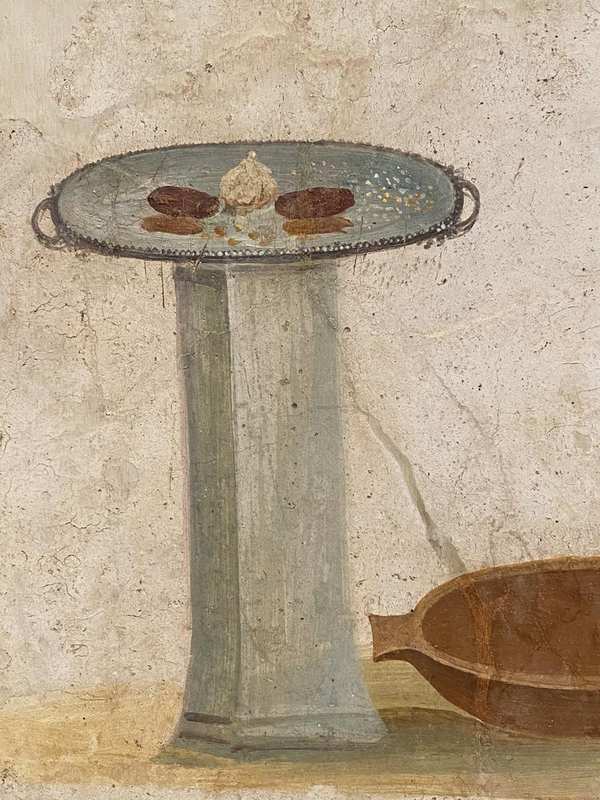
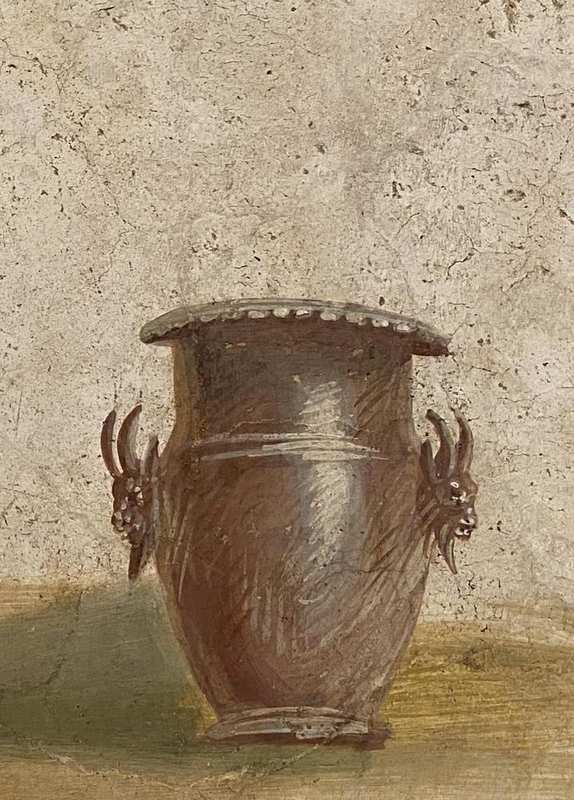
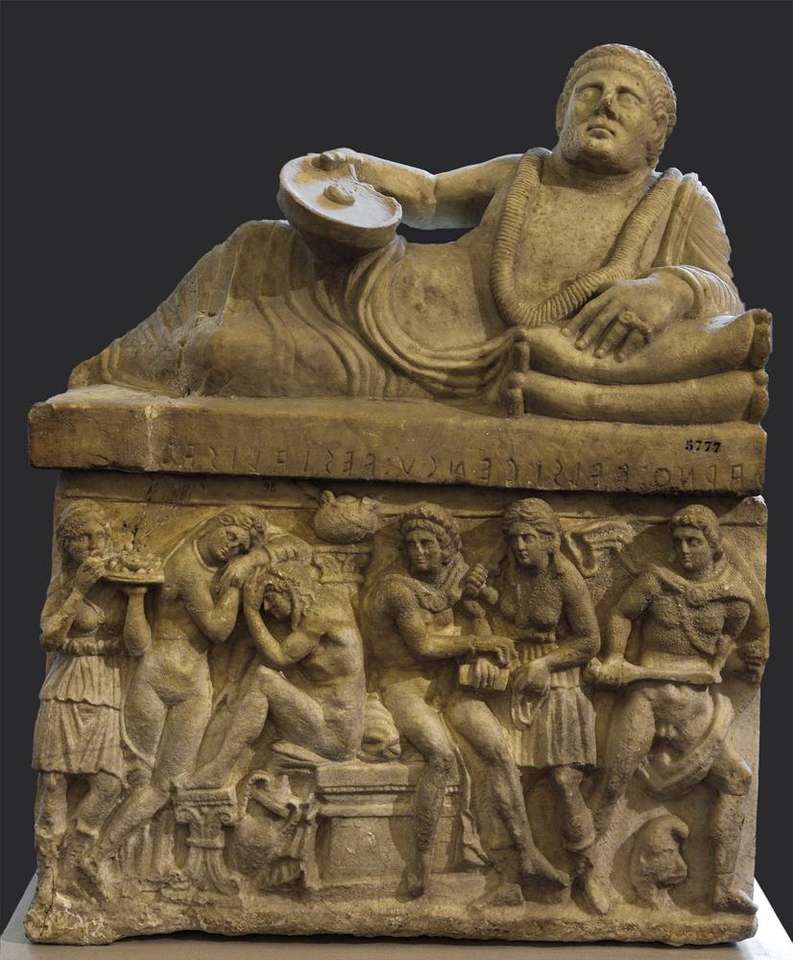
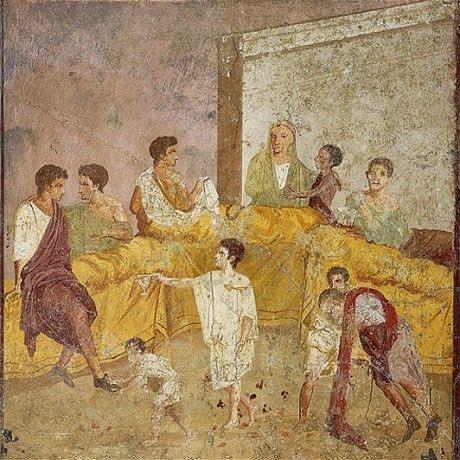
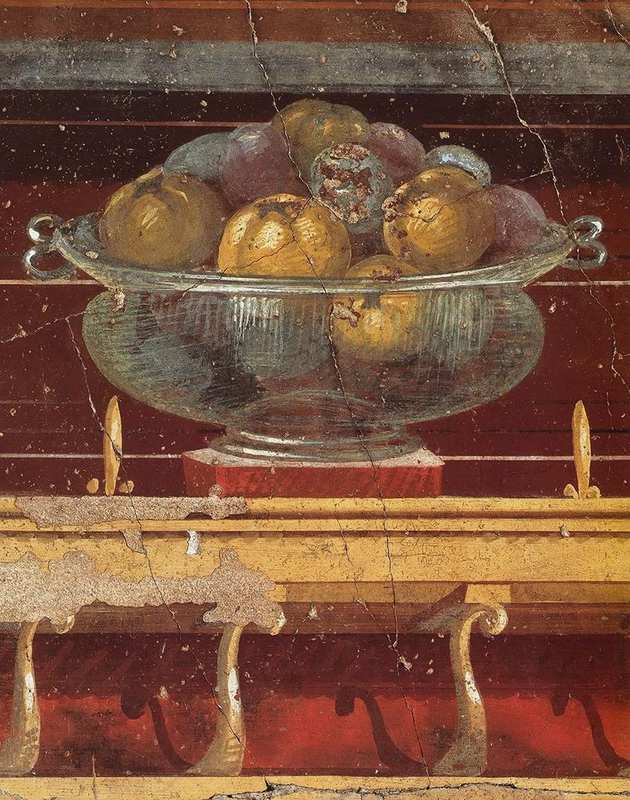
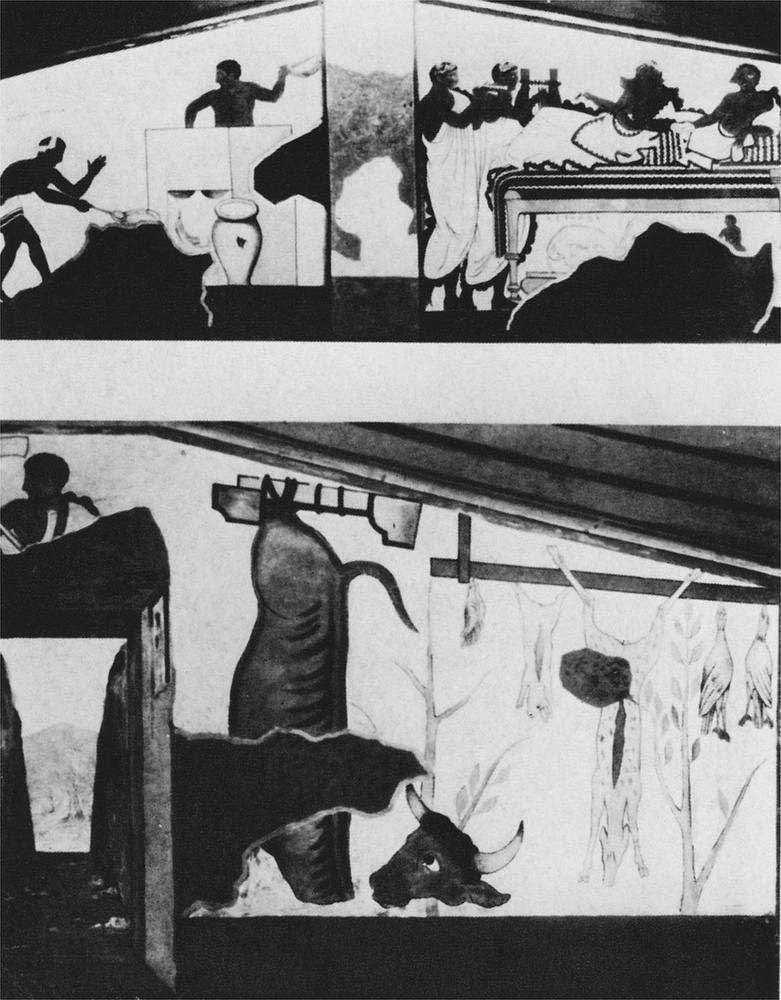
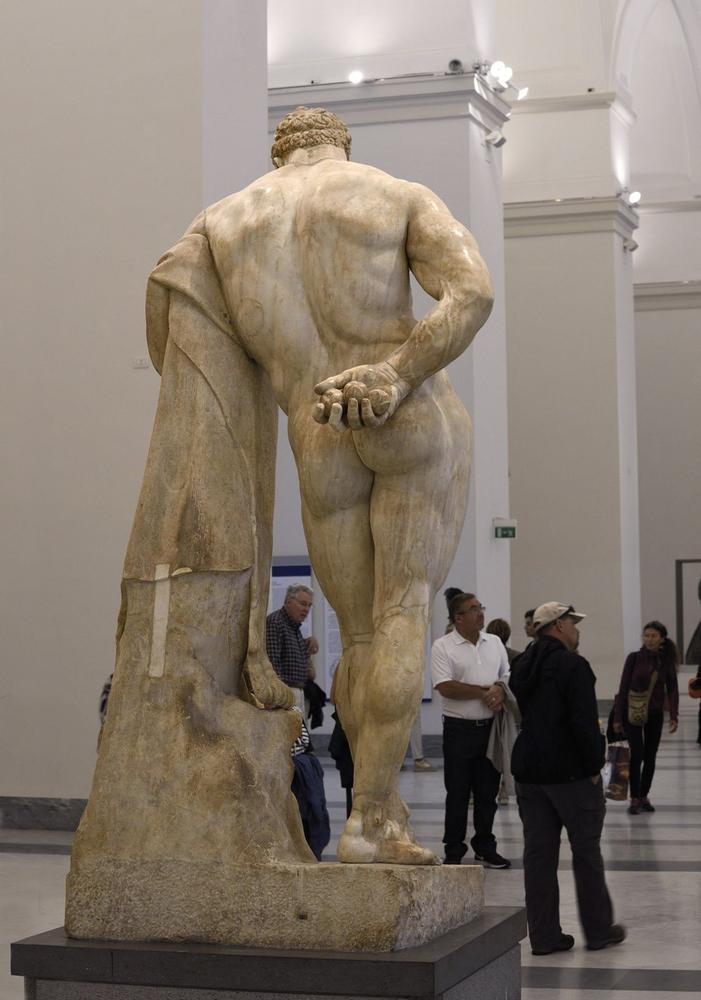
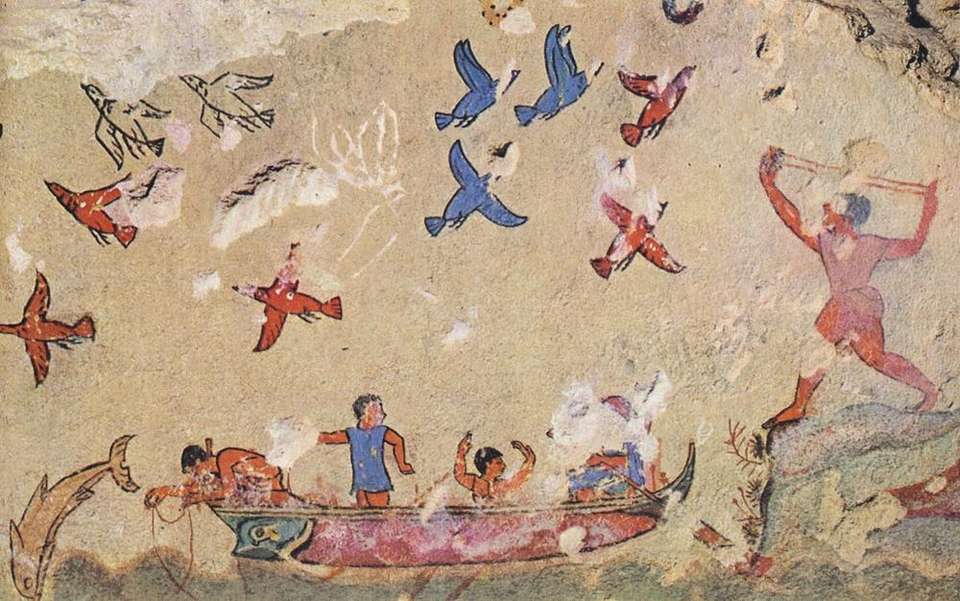
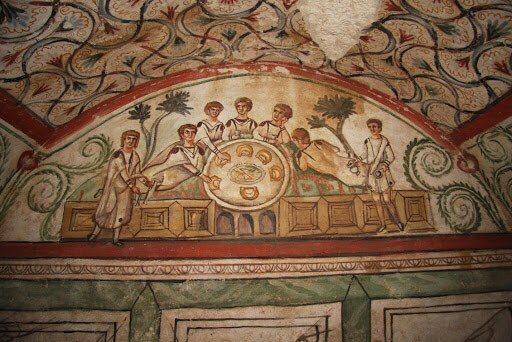
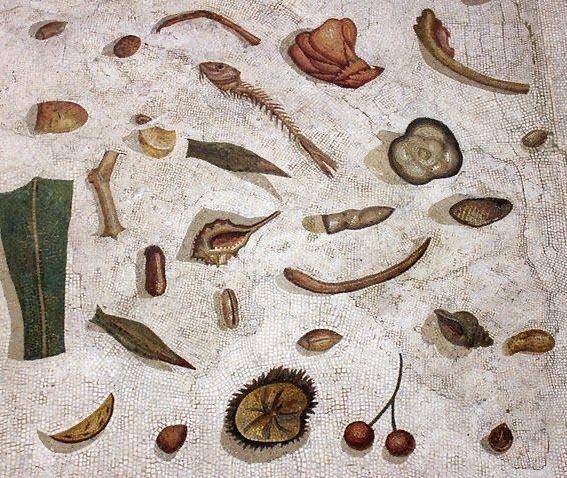
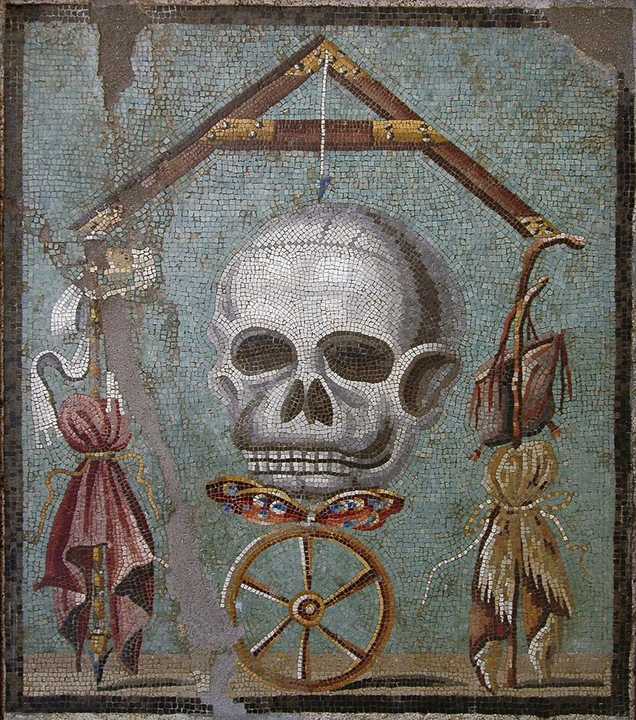
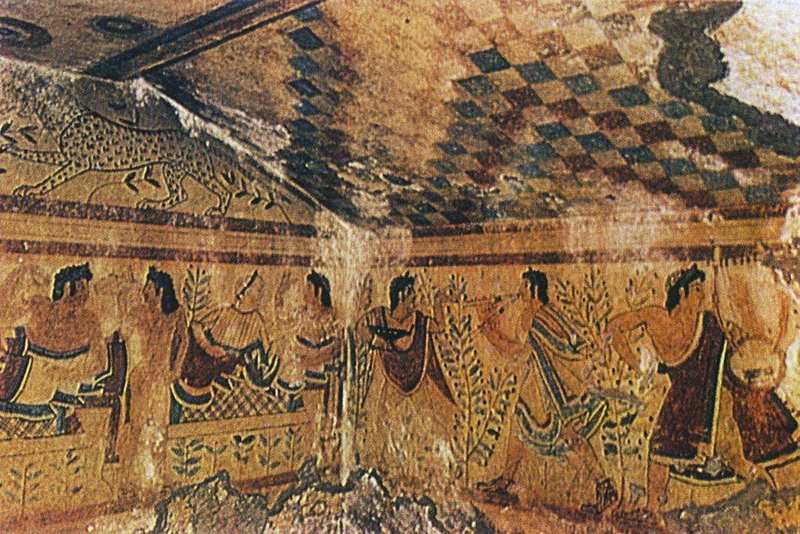
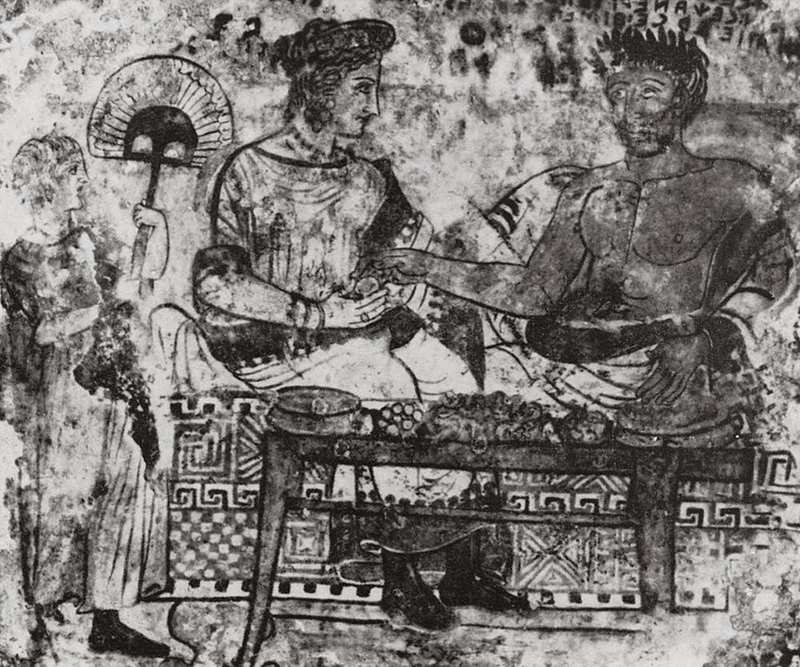
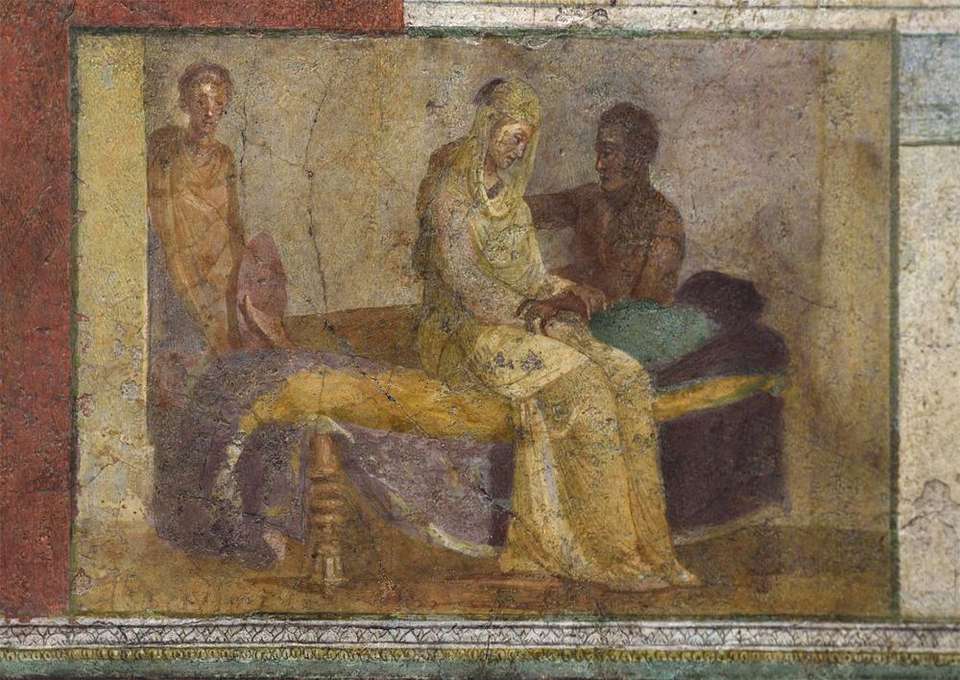
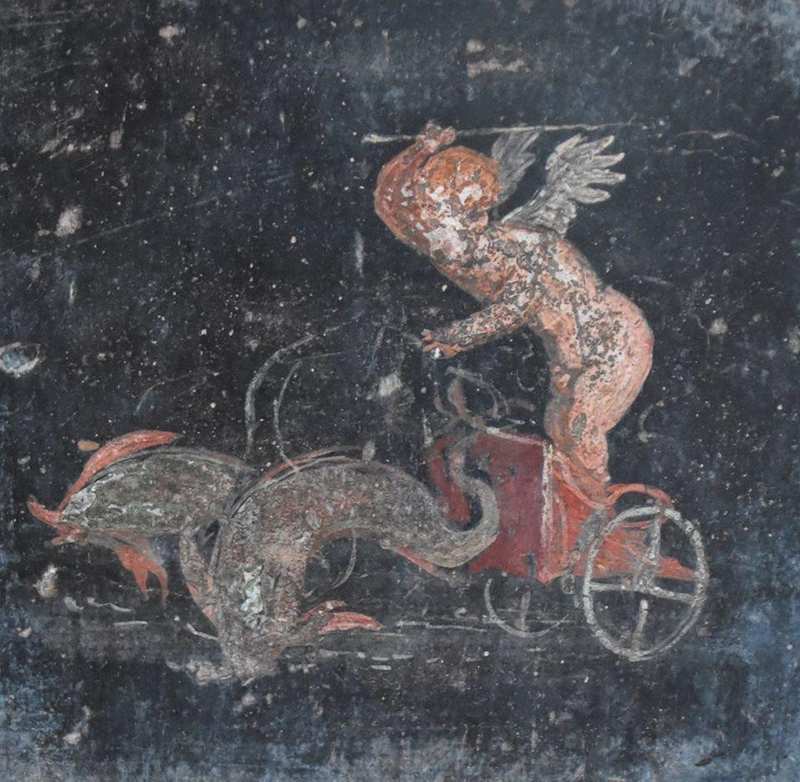
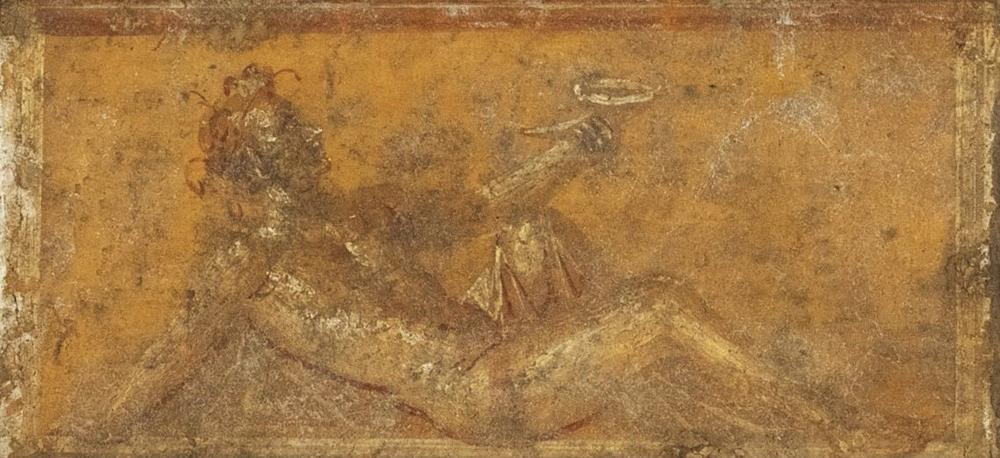
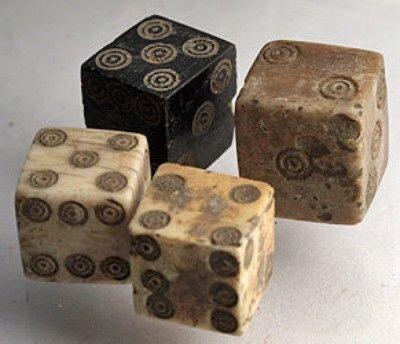
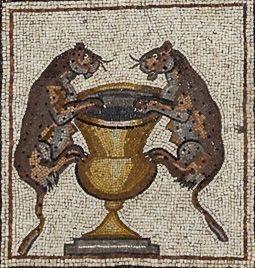
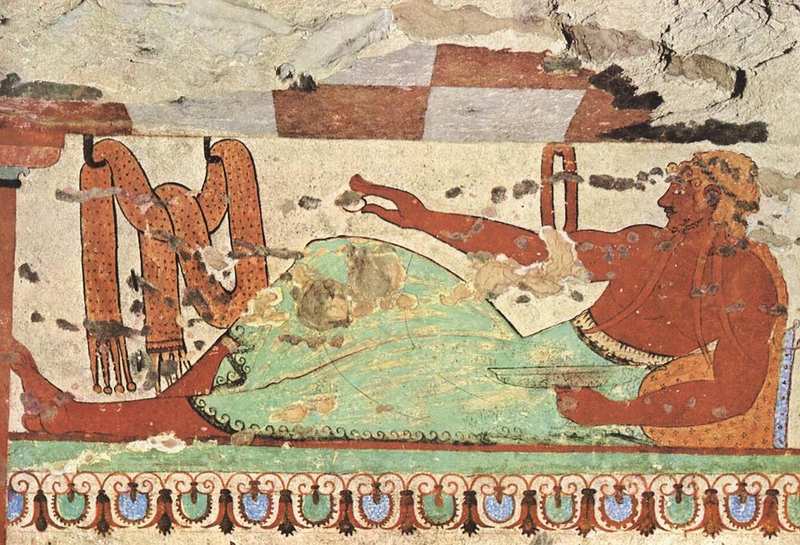
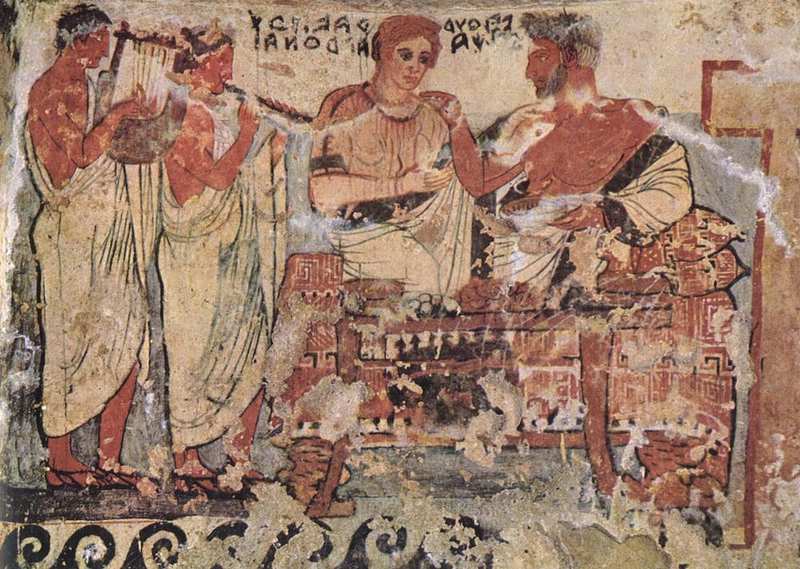
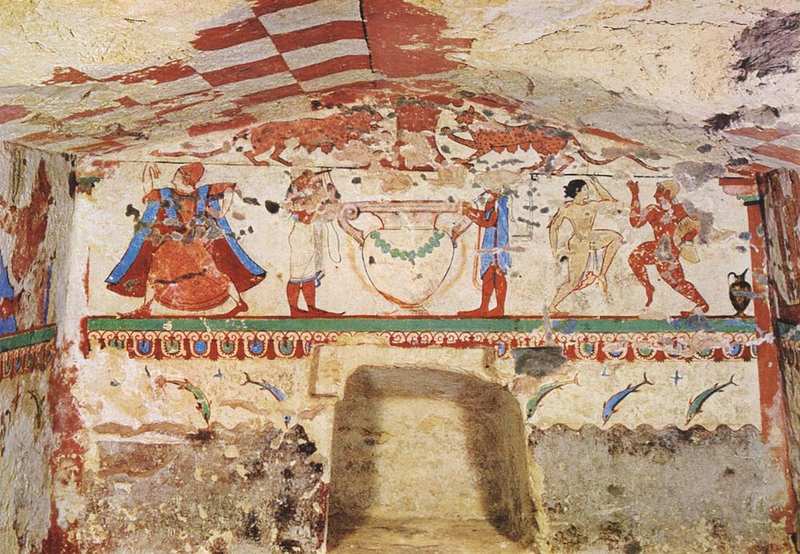
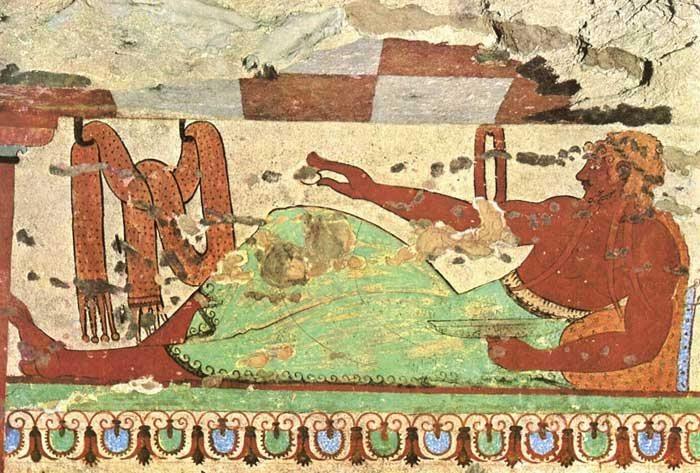
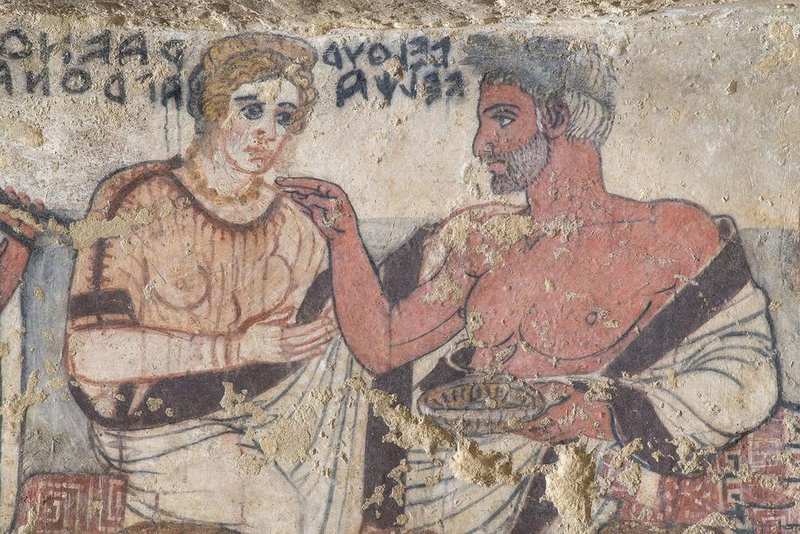
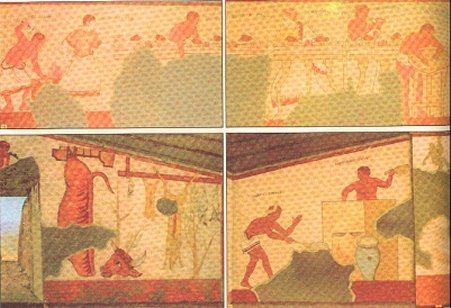
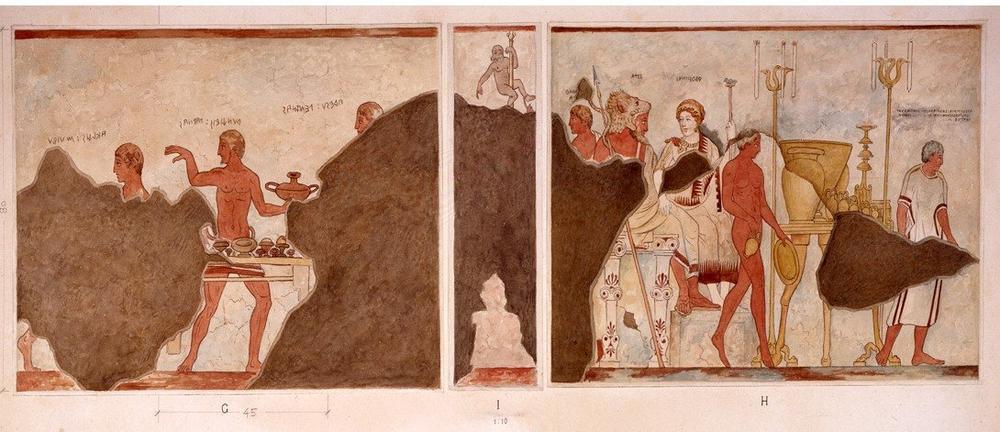
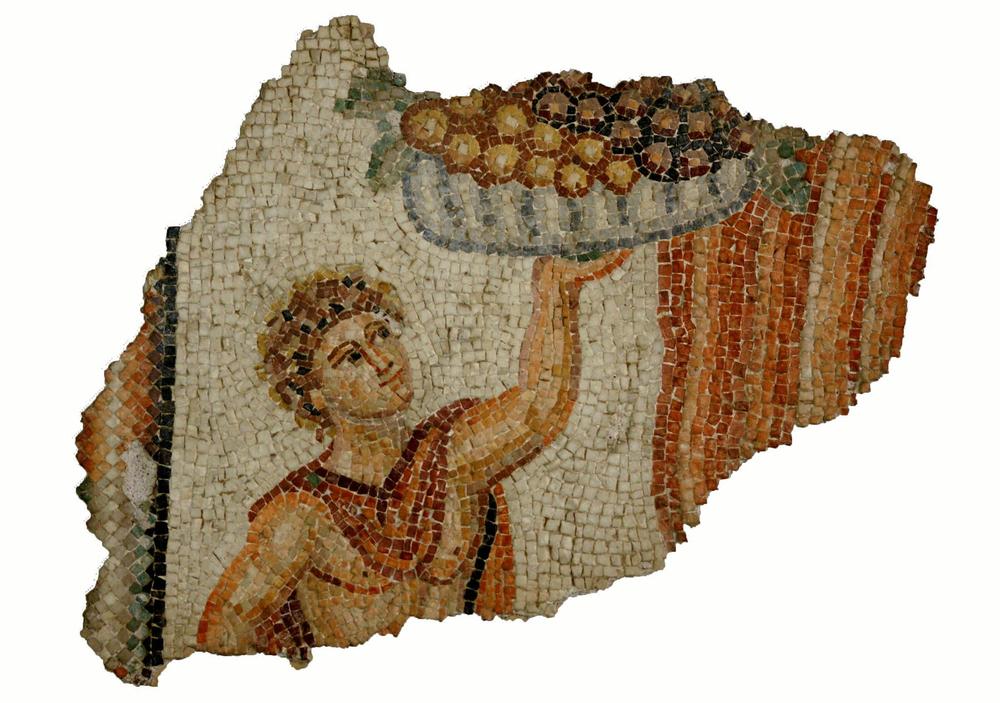
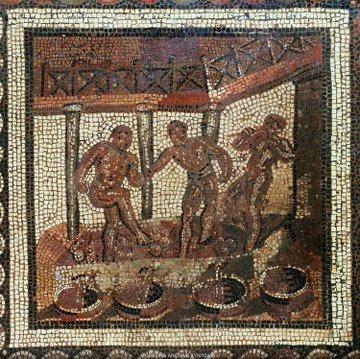
Research reference images gathered from dispersed, publicly accessible sources across the internet. Rights remain with their respective creators and institutions.
Collection 04 · 11 new references
Music, Dance & Performance
Aulos and lyre players, dancers, theatrical figures and the movement of bodies across painted and mosaic surfaces. Exact subjects, sites, dates and source rights remain under image-level review.
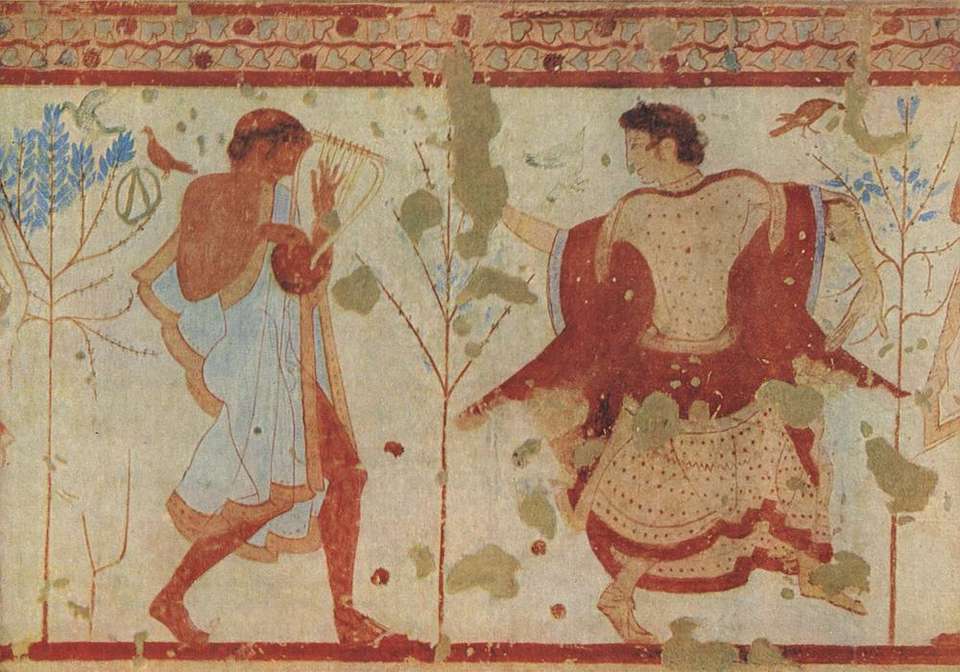
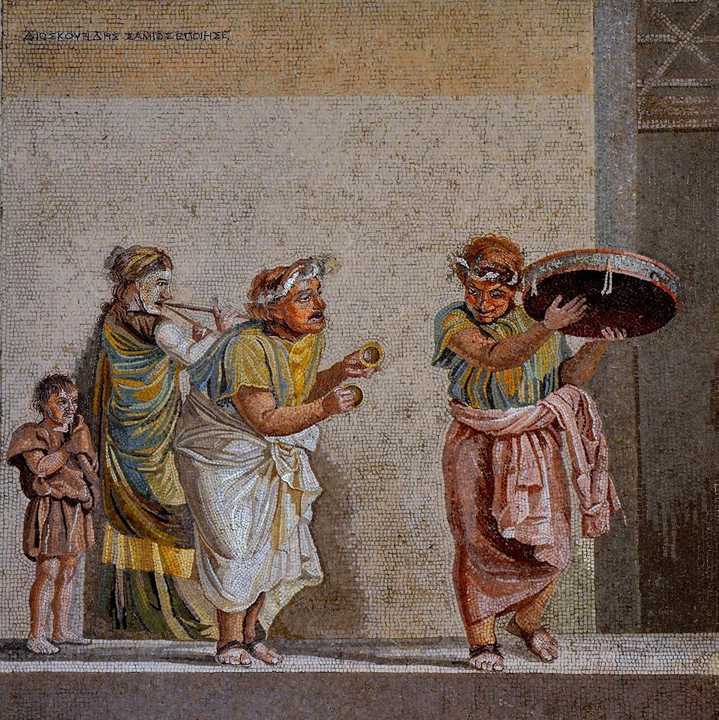
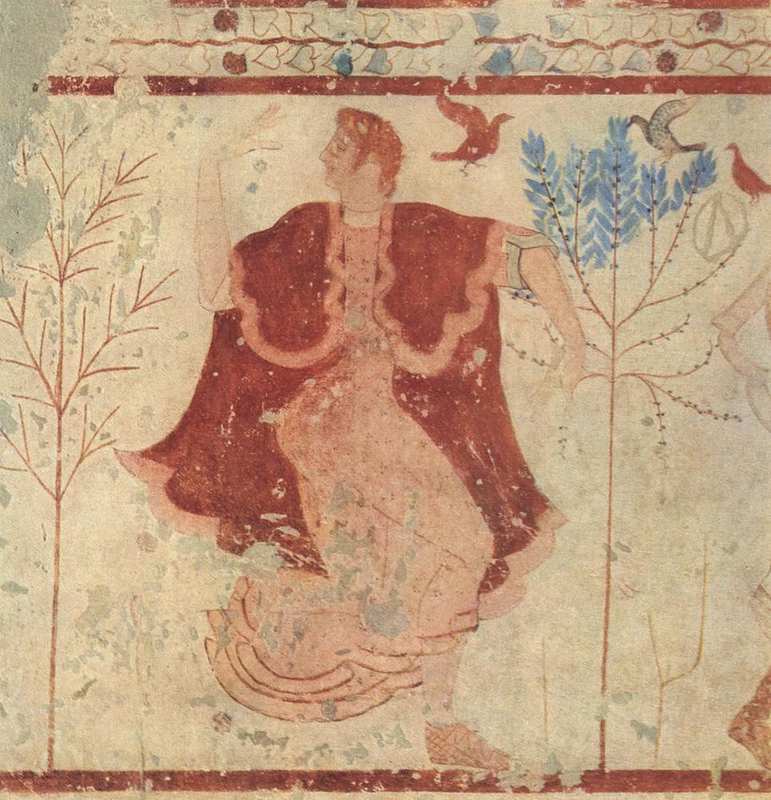
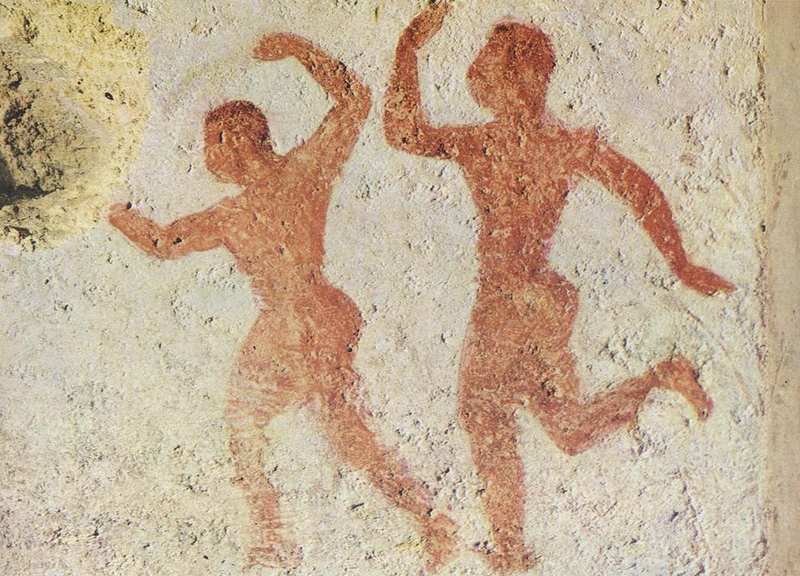
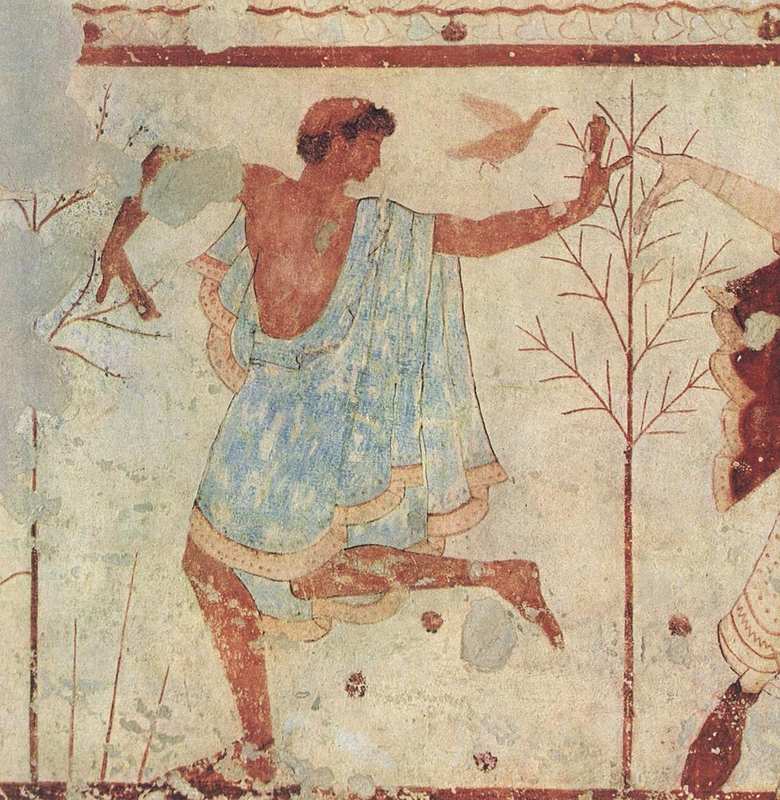
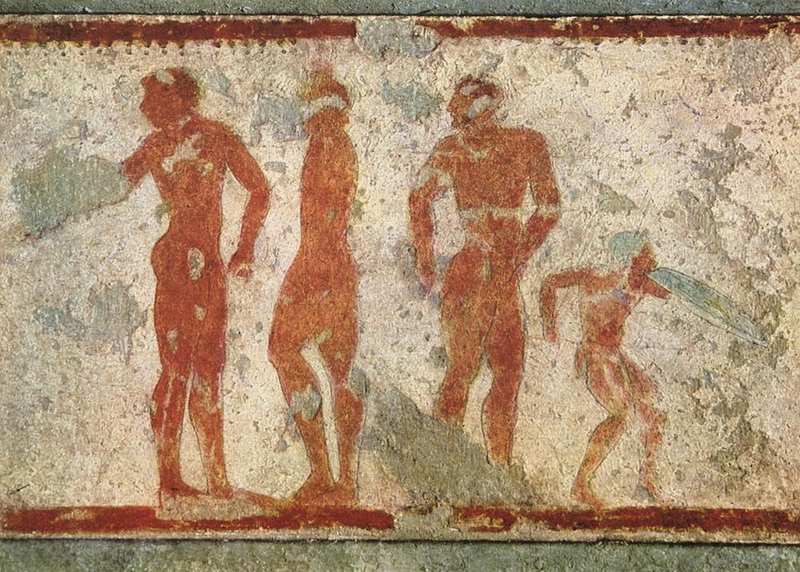
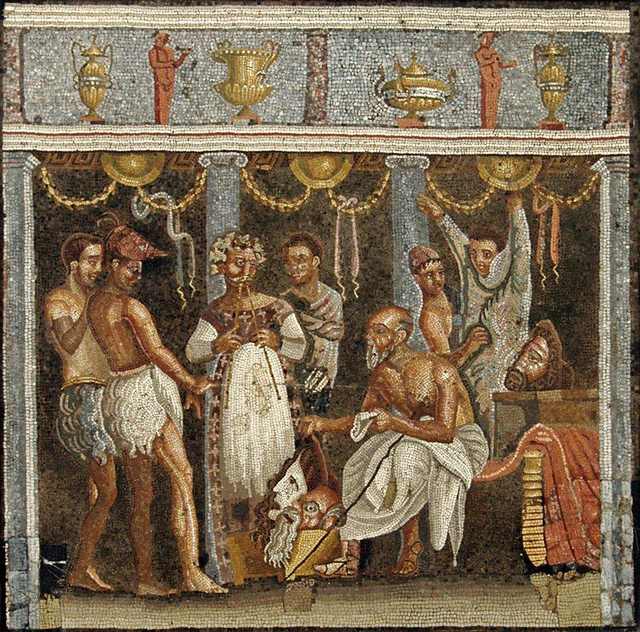
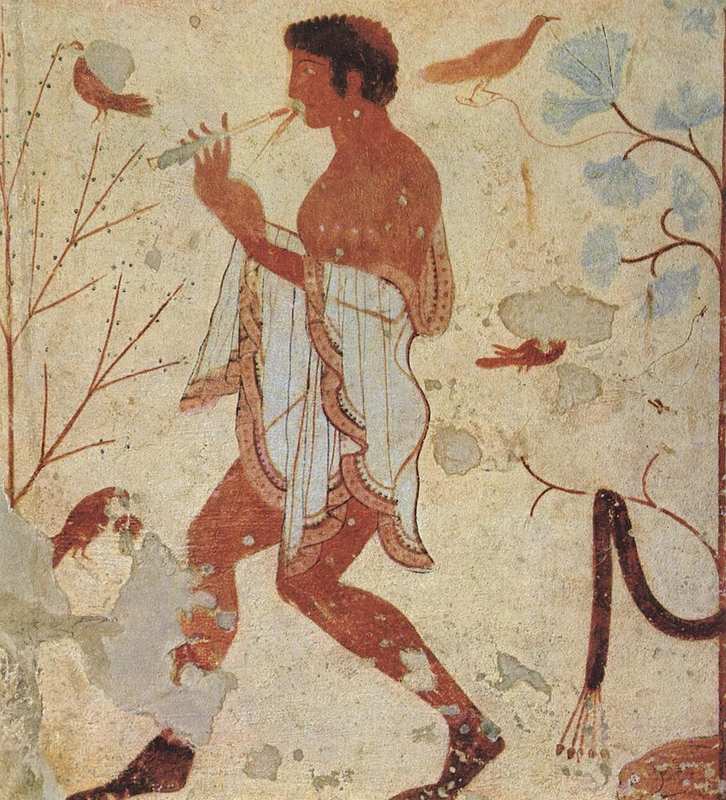
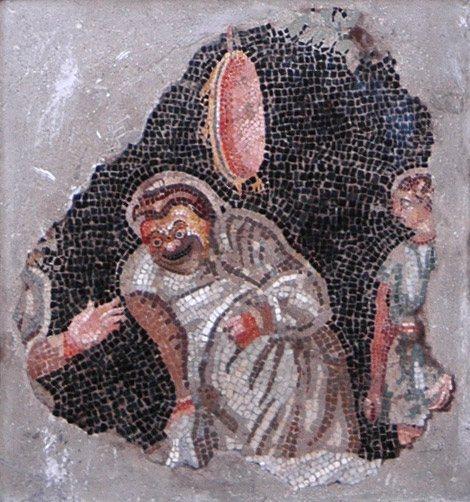
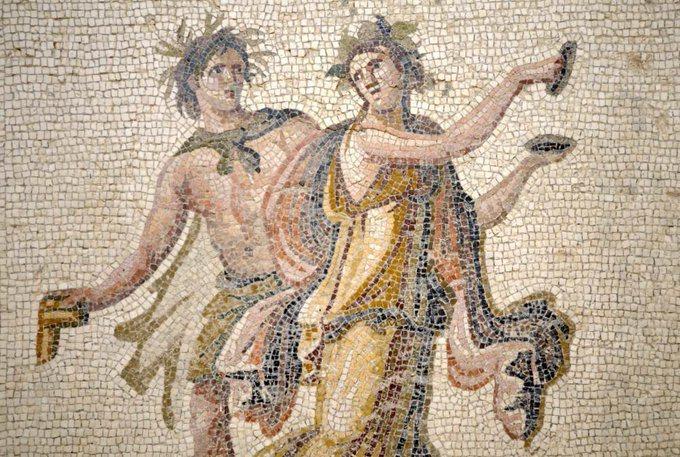
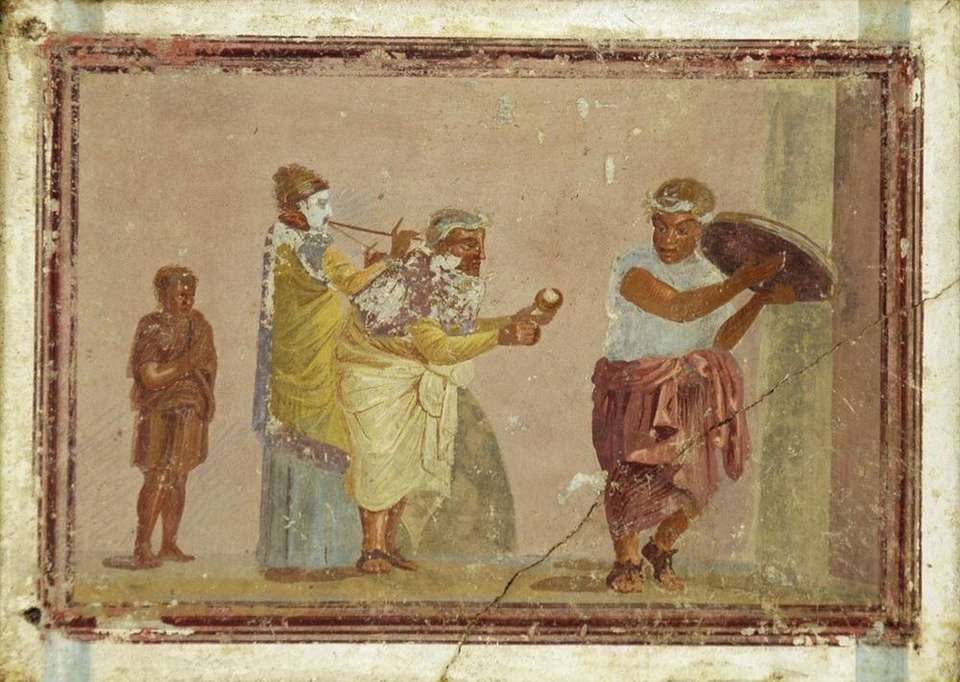
Research reference images gathered from dispersed, publicly accessible sources across the internet. Rights remain with their respective creators and institutions.
Collection 05 · 8 new references
Portraits & Identity
Faces across mosaic, fresco, sculpture and panel painting, including the wider Greek–Roman and Egyptian portrait worlds. Exact subjects, sites, dates and source rights remain under image-level review.
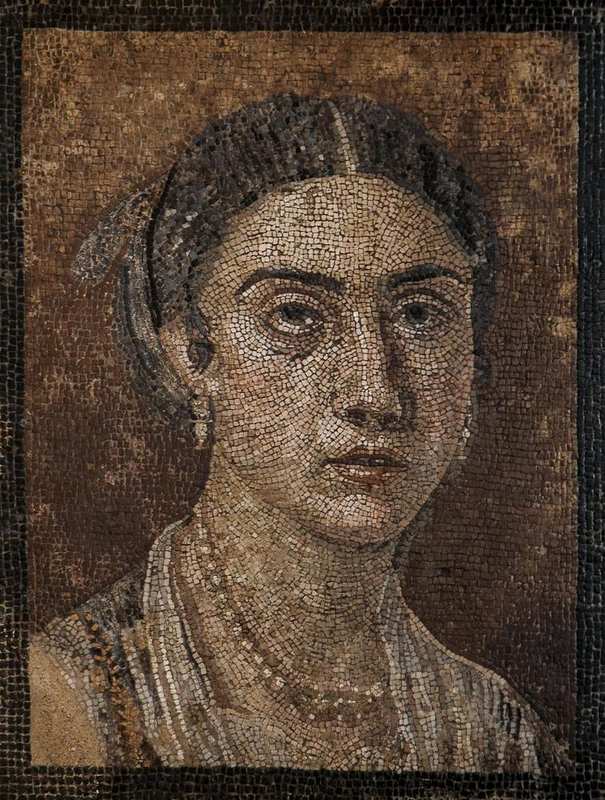
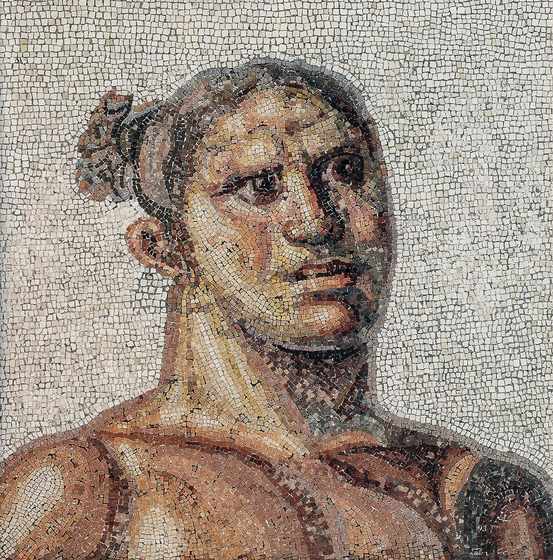
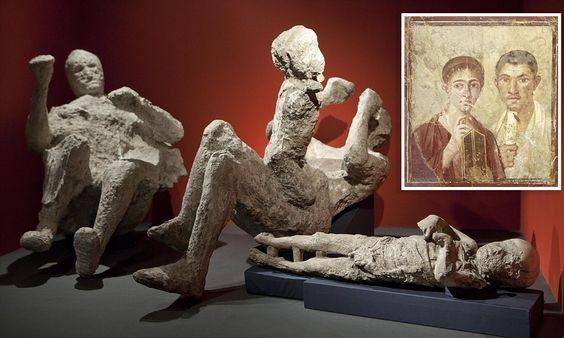
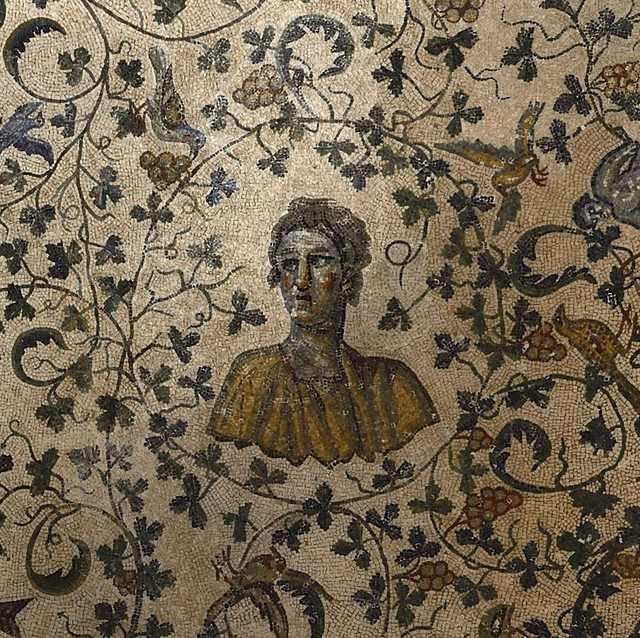
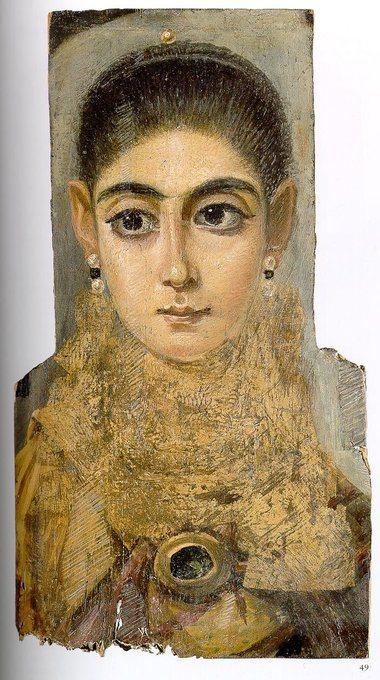
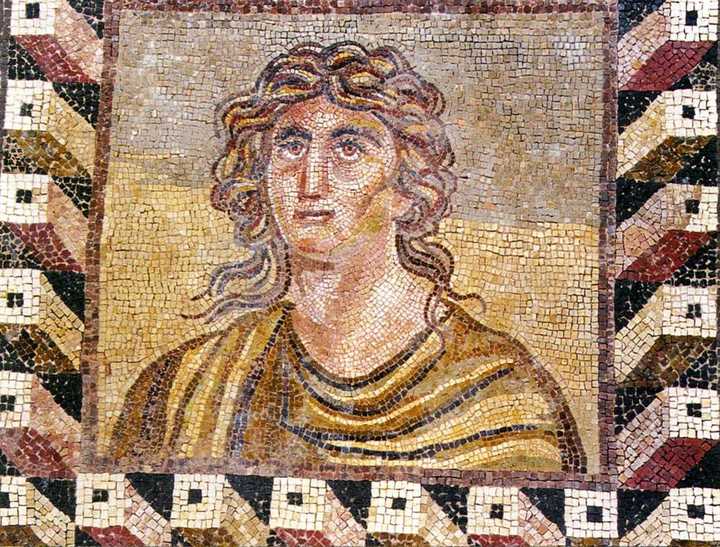
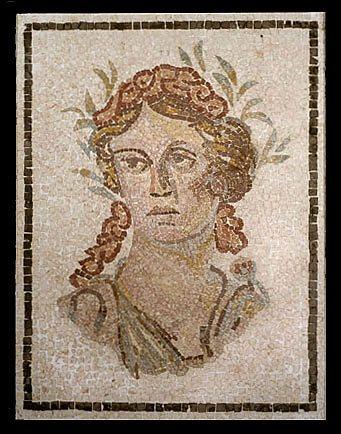
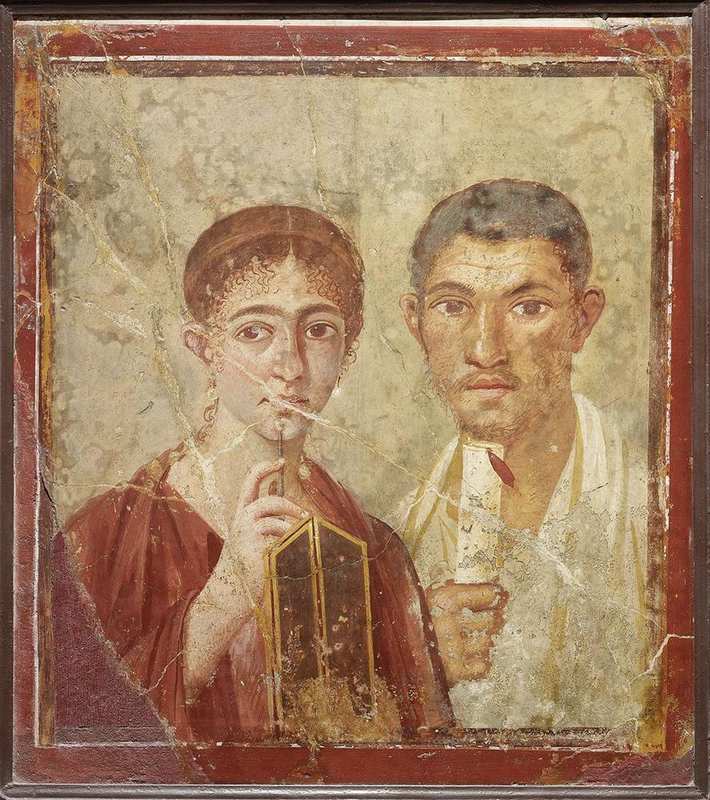
Research reference images gathered from dispersed, publicly accessible sources across the internet. Rights remain with their respective creators and institutions.
Collection 06 · 8 new references
Animals & Symbols
Birds, horses, marine life and other animals used as observation, ornament, narrative and cultural symbol. Exact subjects, sites, dates and source rights remain under image-level review.
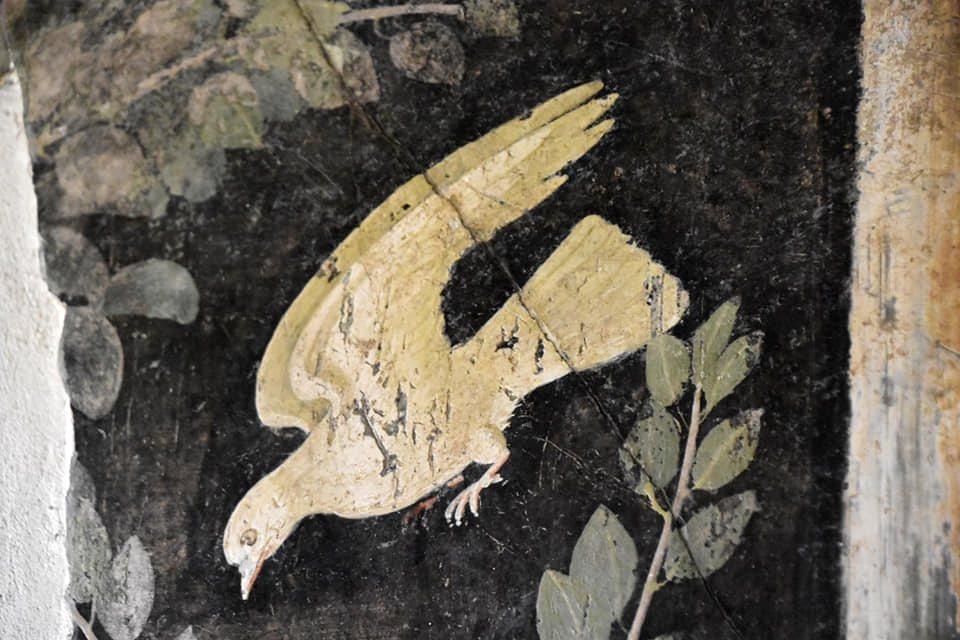
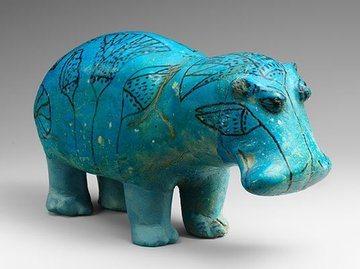
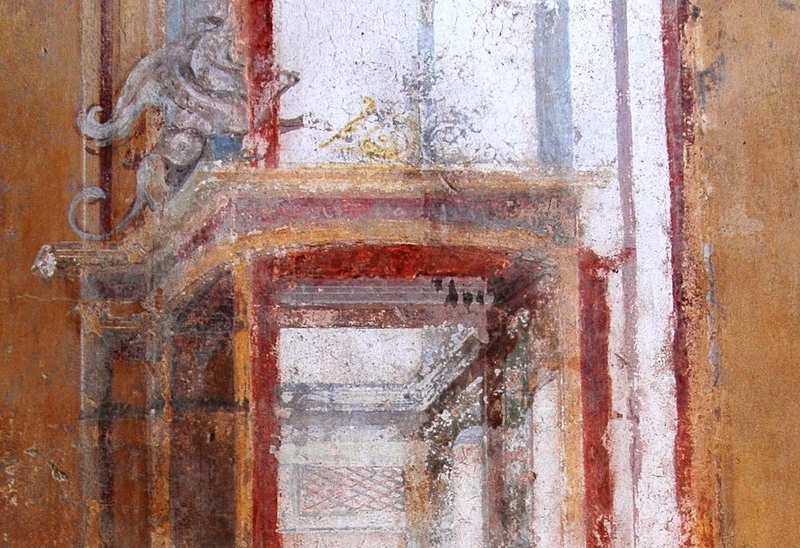
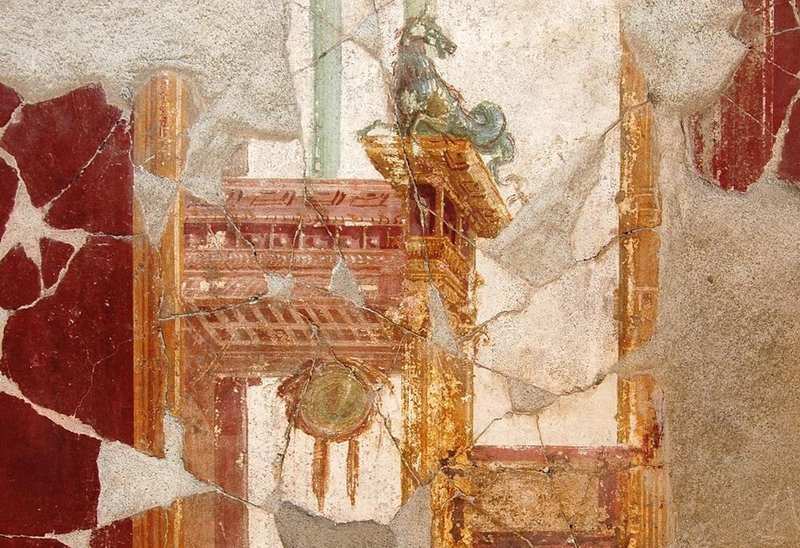
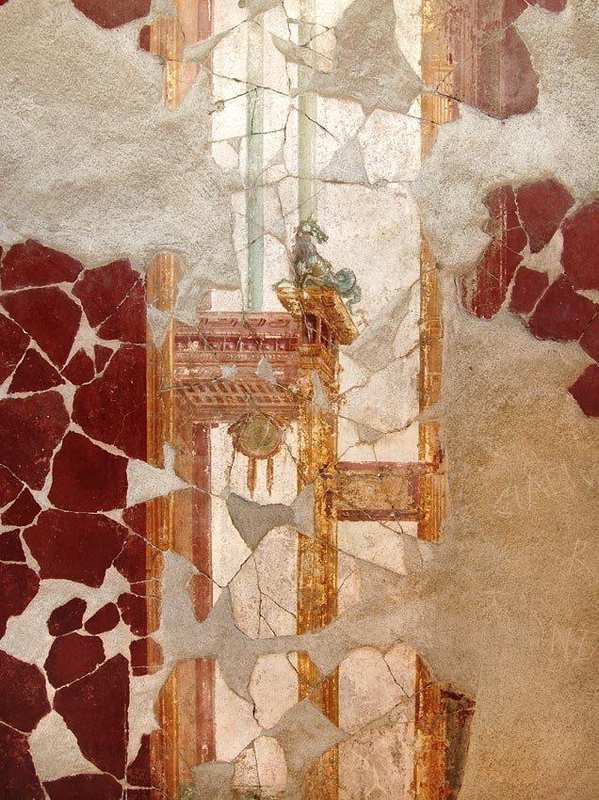
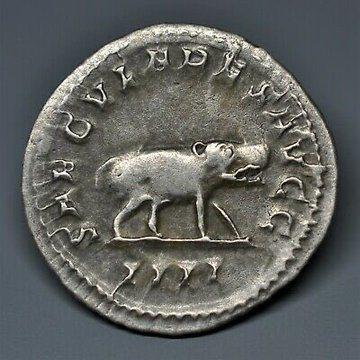
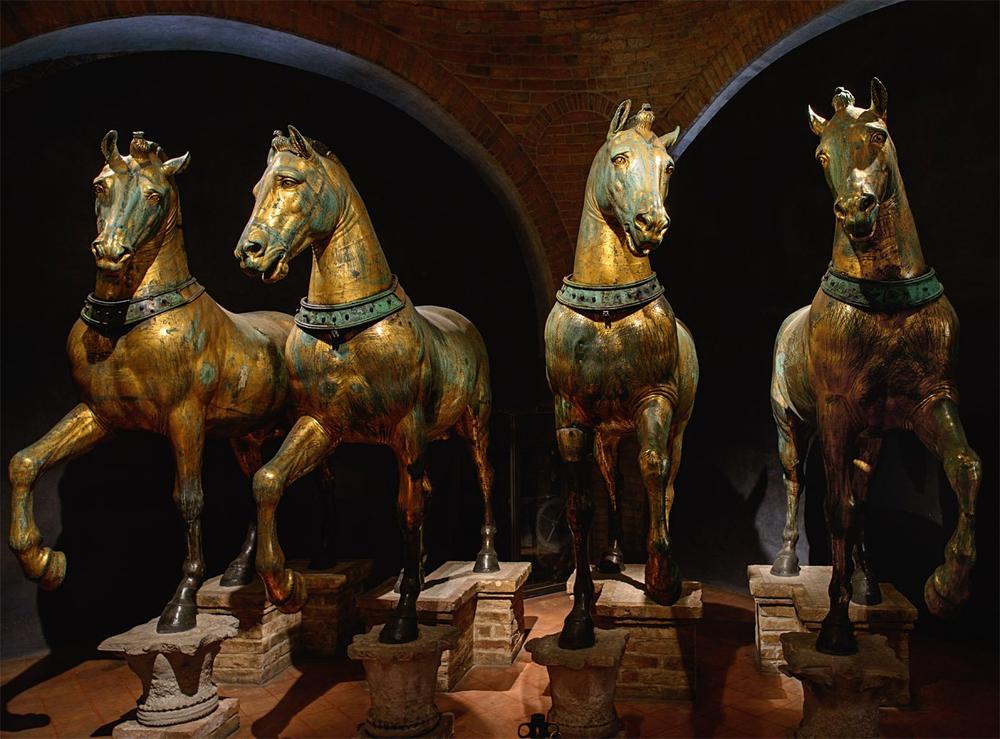
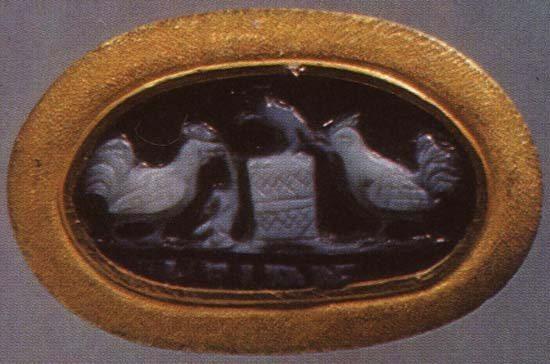
Research reference images gathered from dispersed, publicly accessible sources across the internet. Rights remain with their respective creators and institutions.
Collection 07 · 13 new references
Nature & Gardens
Painted gardens, fruit trees, flowers, birds and the transformation of interior walls into imagined living landscapes. Exact subjects, sites, dates and source rights remain under image-level review.
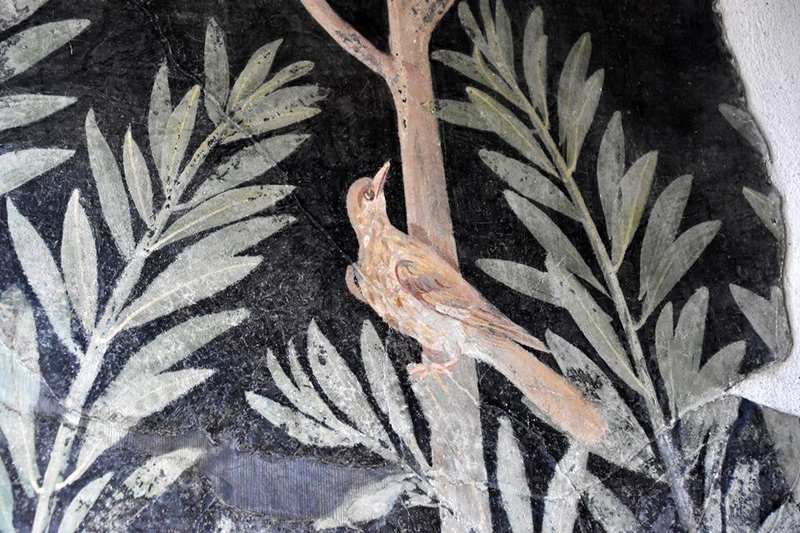
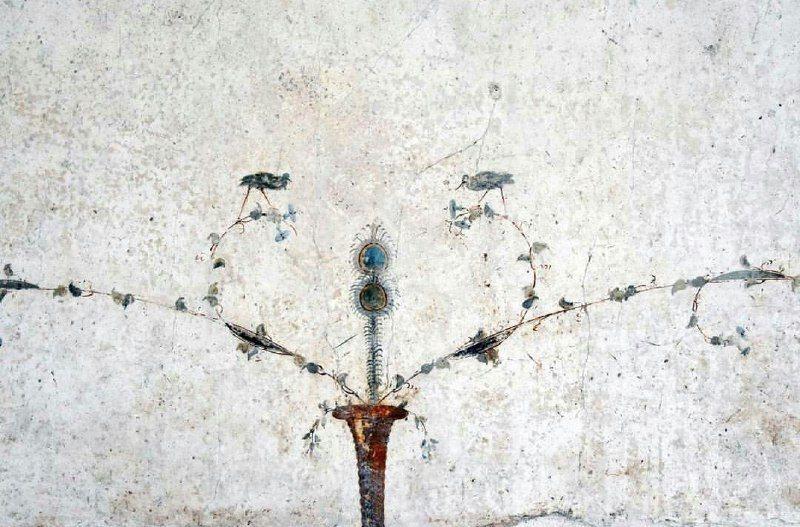
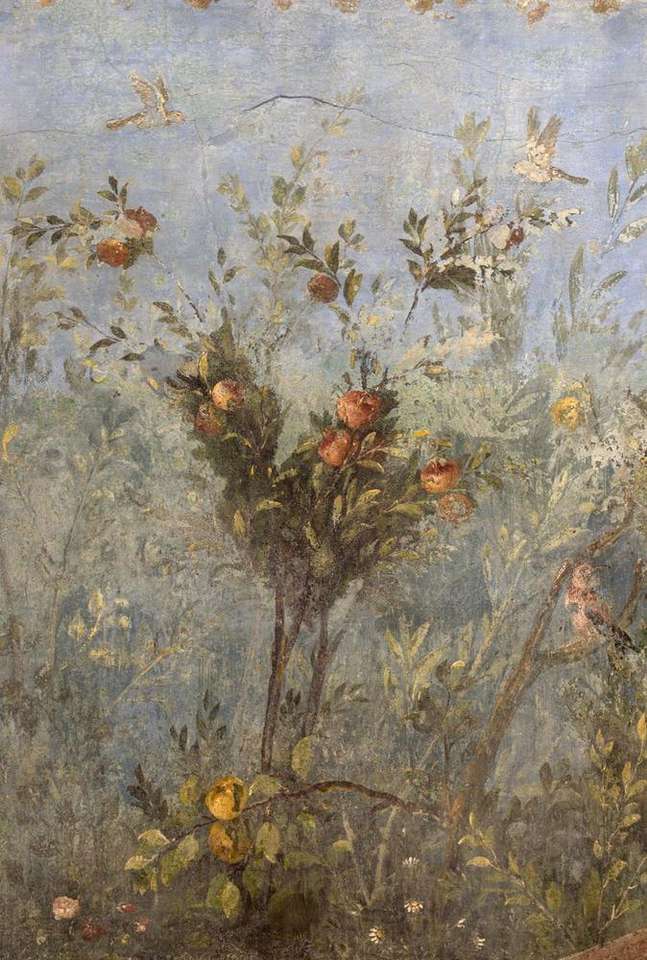
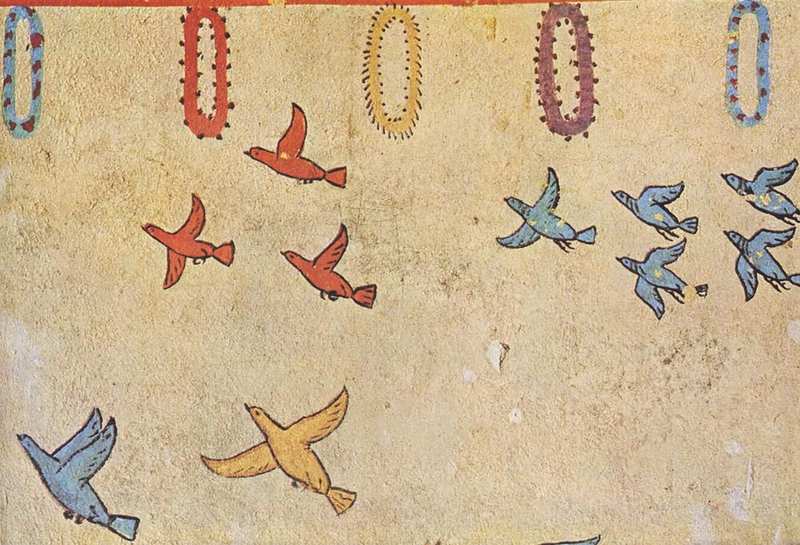
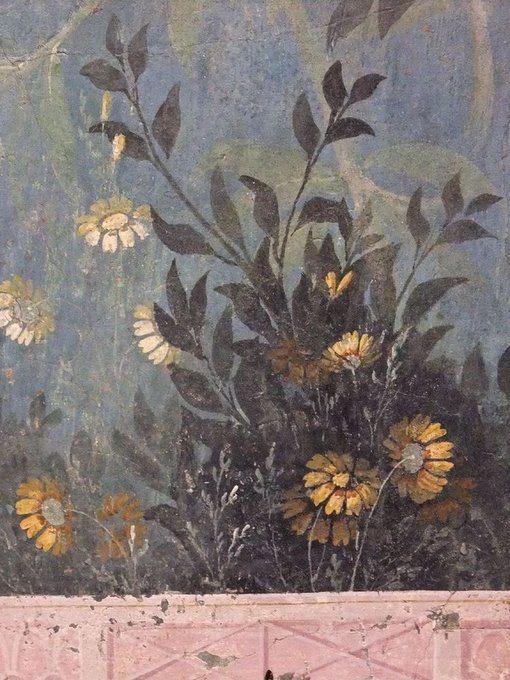
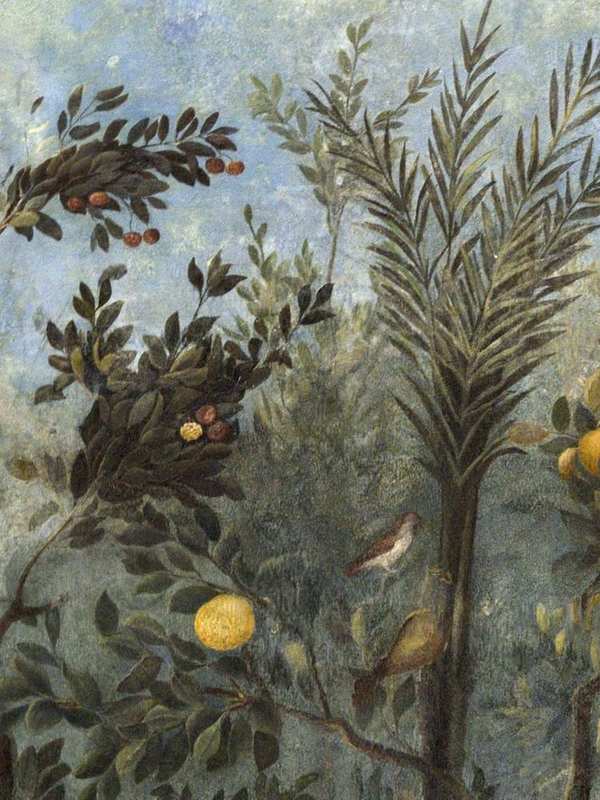
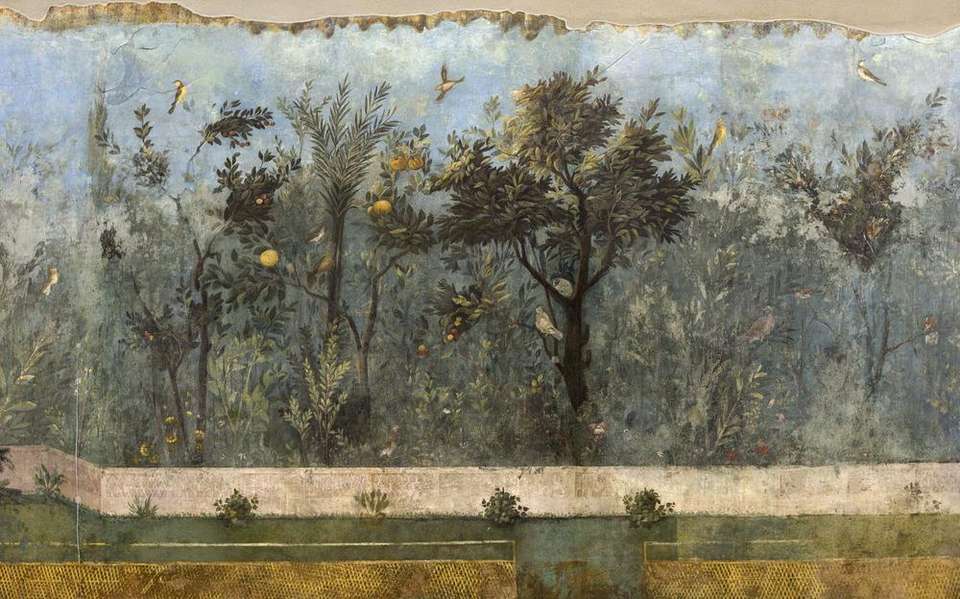
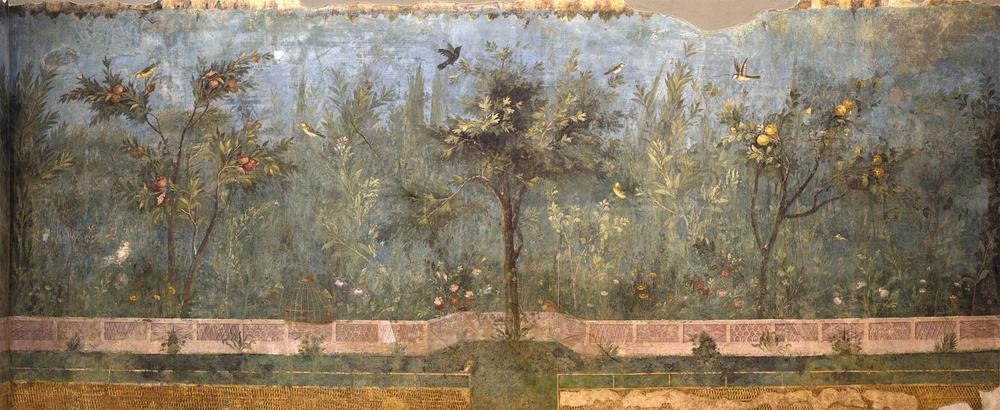
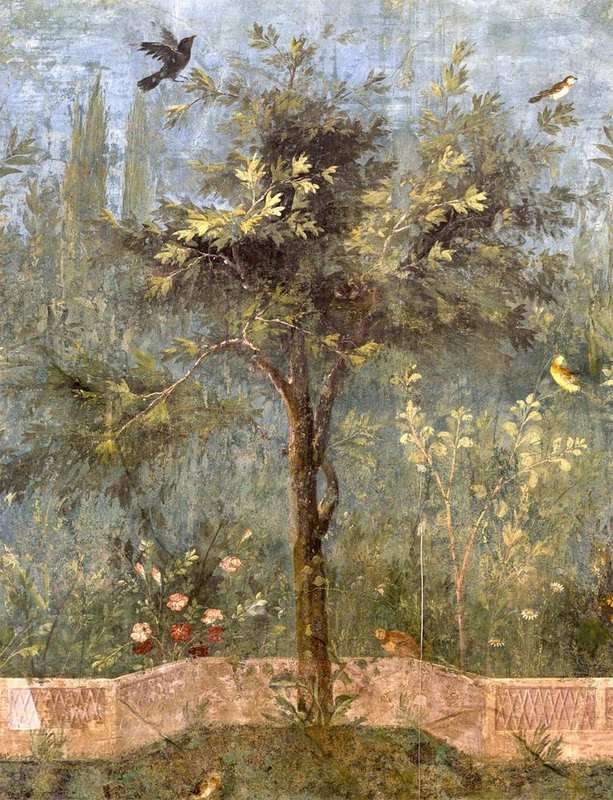
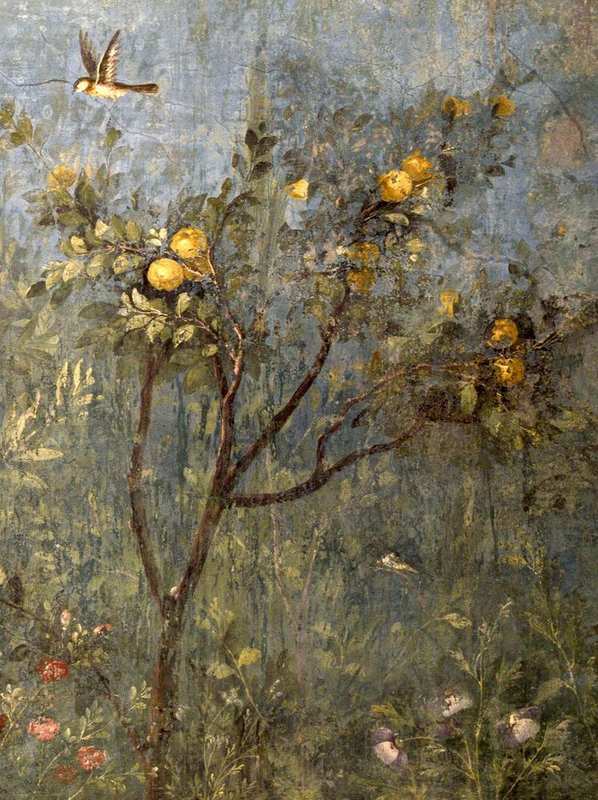
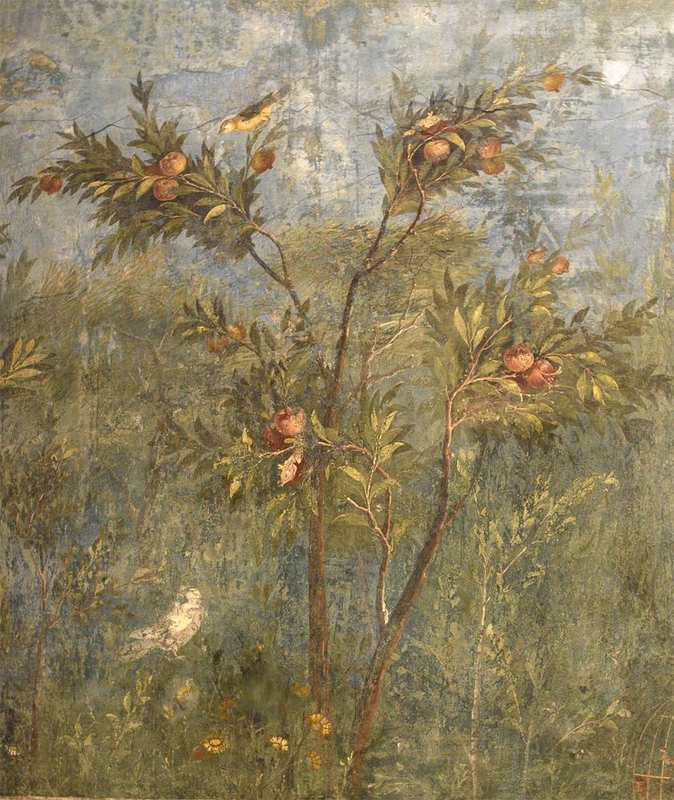
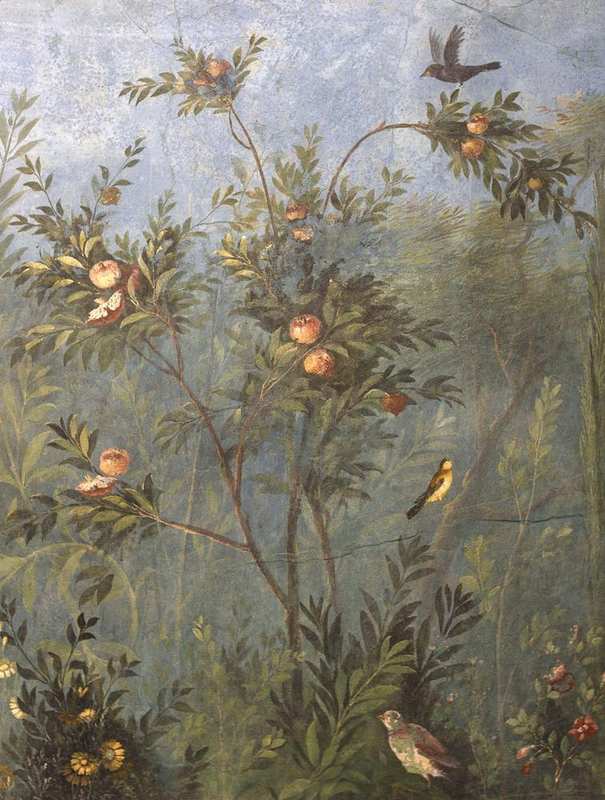
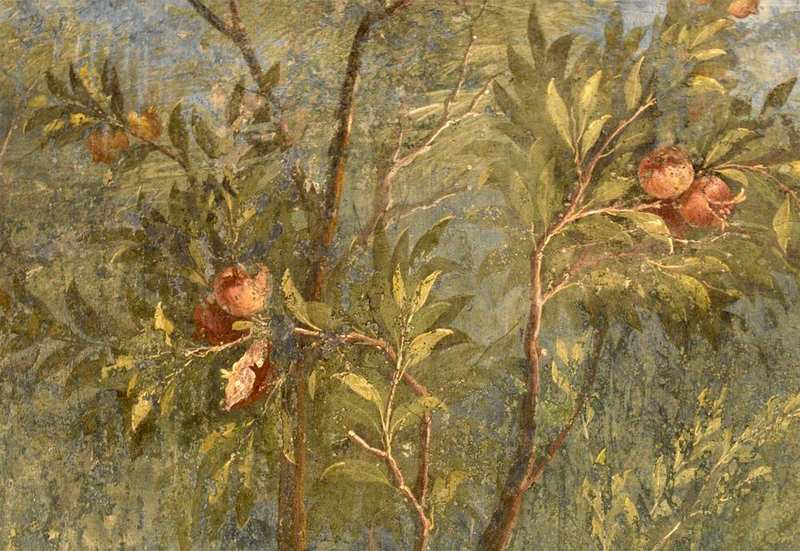
Research reference images gathered from dispersed, publicly accessible sources across the internet. Rights remain with their respective creators and institutions.
Collection 08 · 18 new references
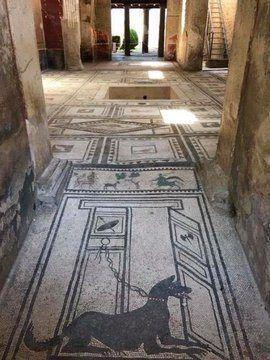
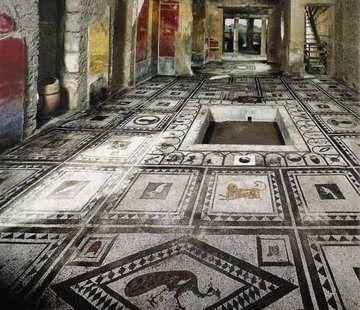
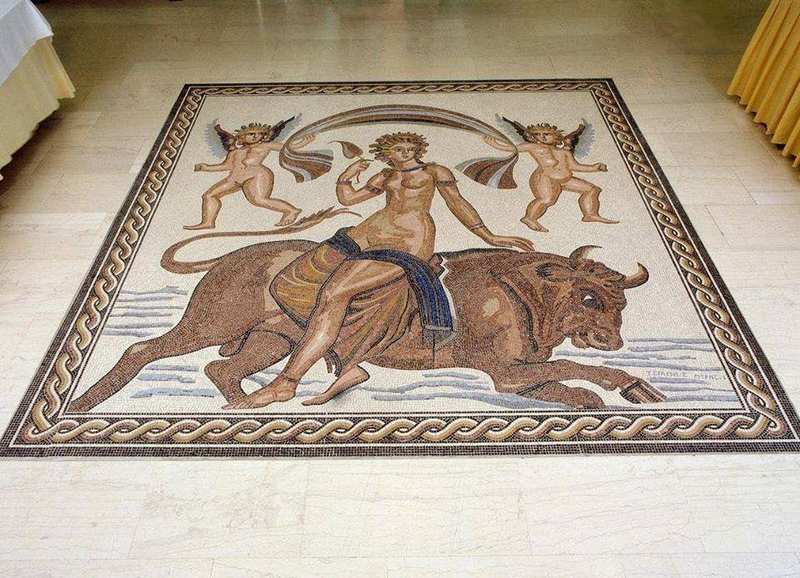
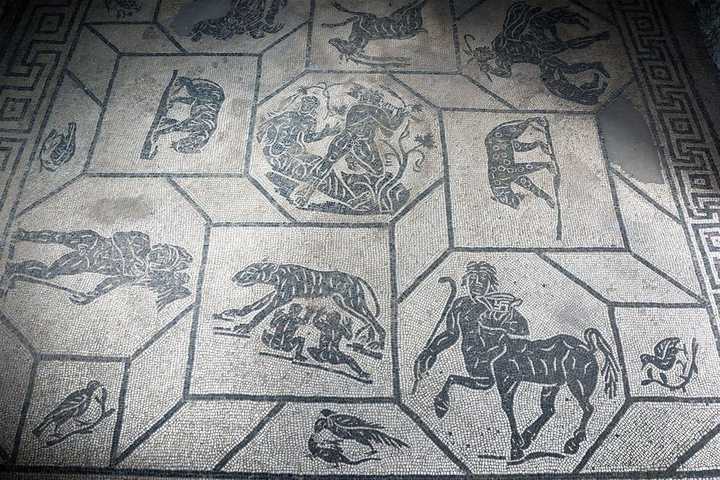
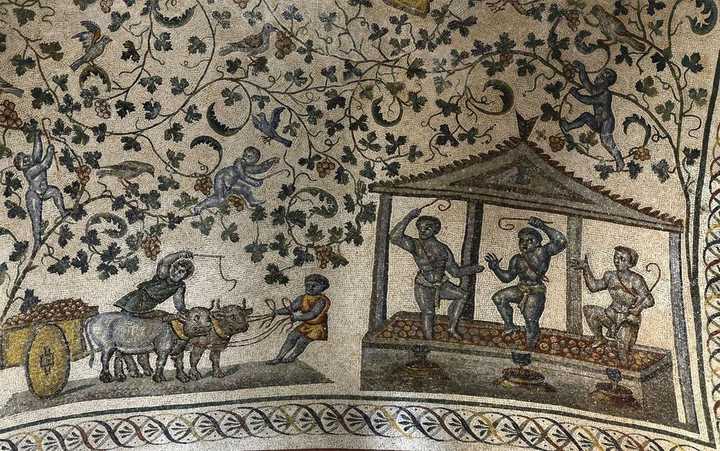
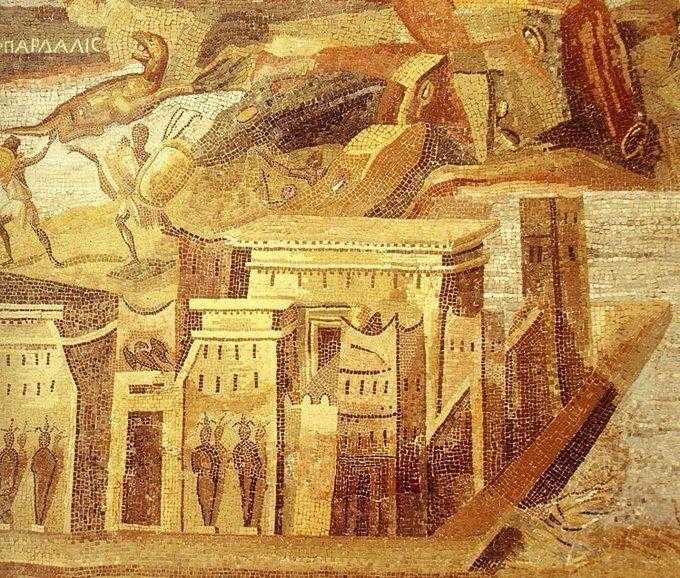
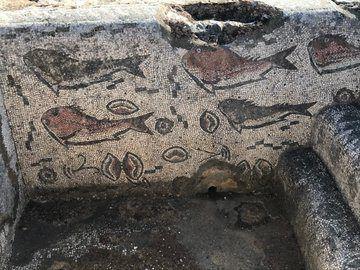
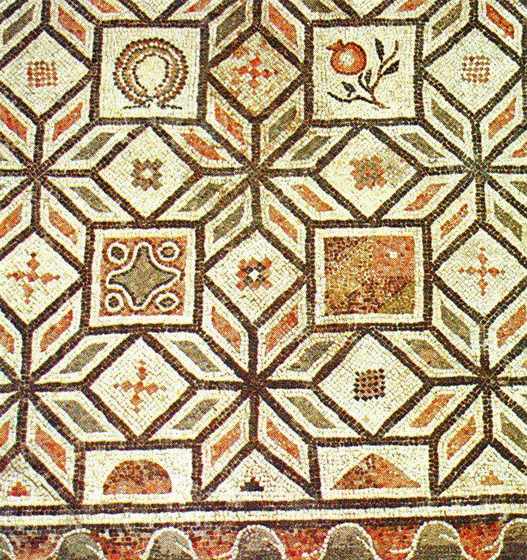
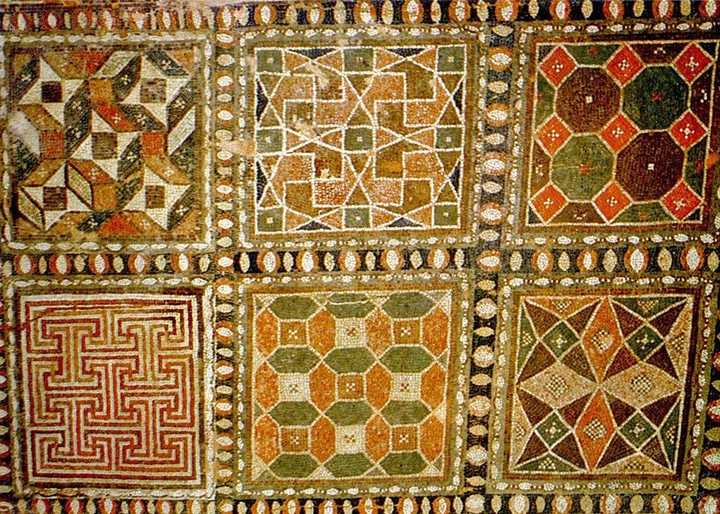
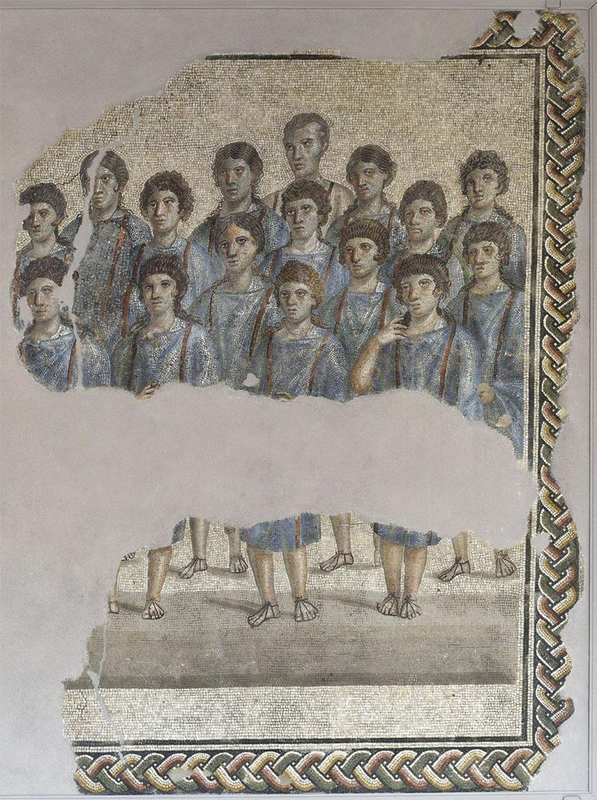
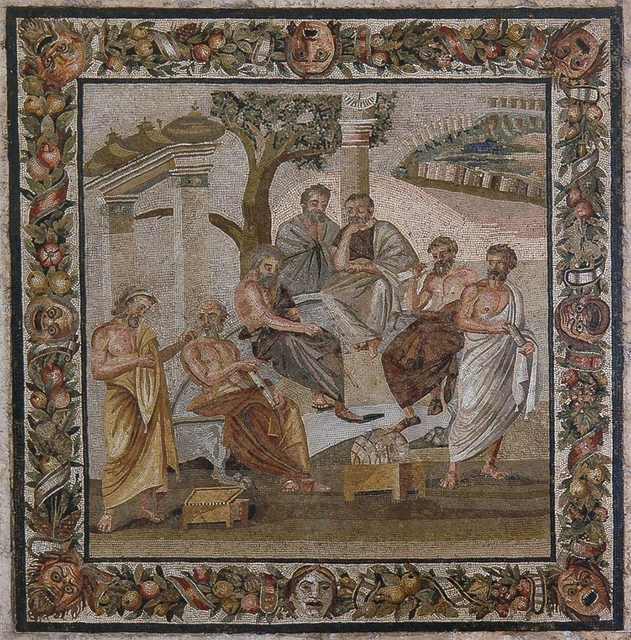
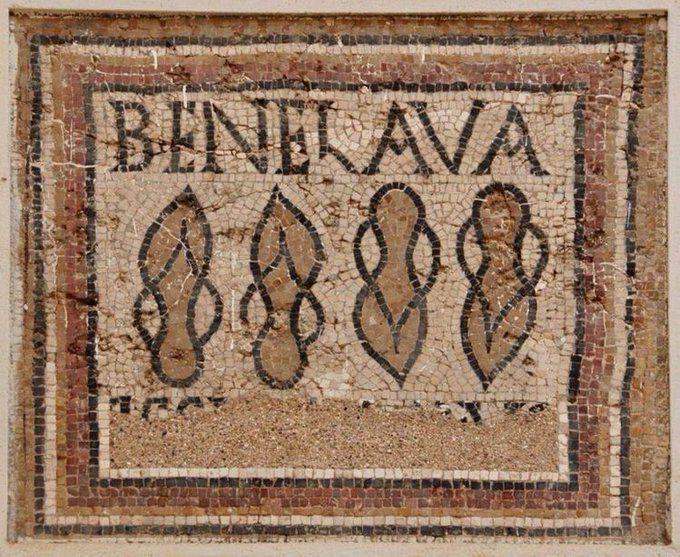
Mosaics & Pavements
Figurative, marine, geometric and architectural mosaics, floor ensembles and pavement details from across the Greek–Roman Mediterranean. Exact subjects, sites, dates and source rights remain under image-level review.
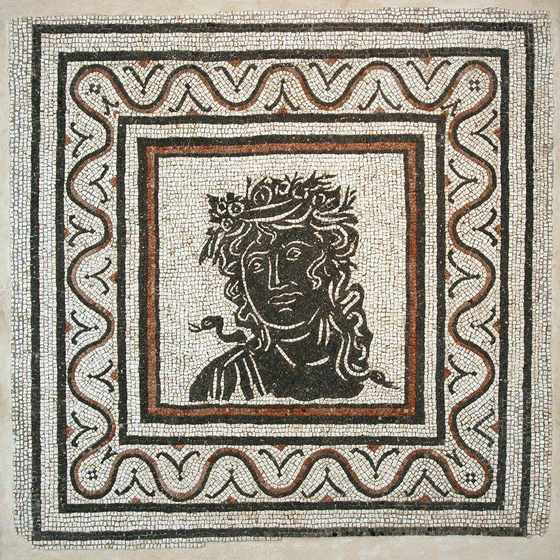
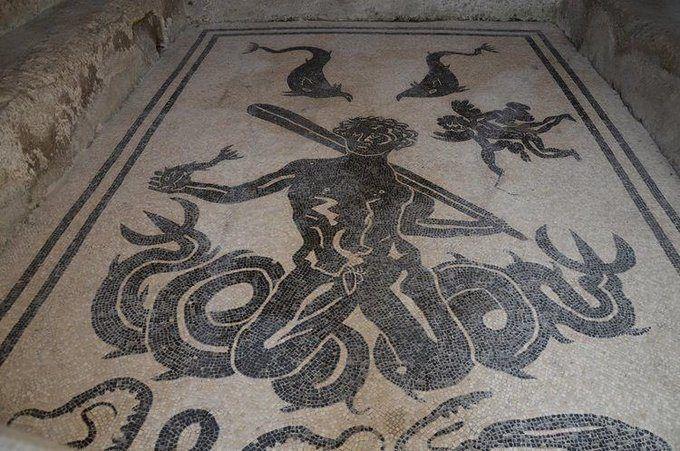
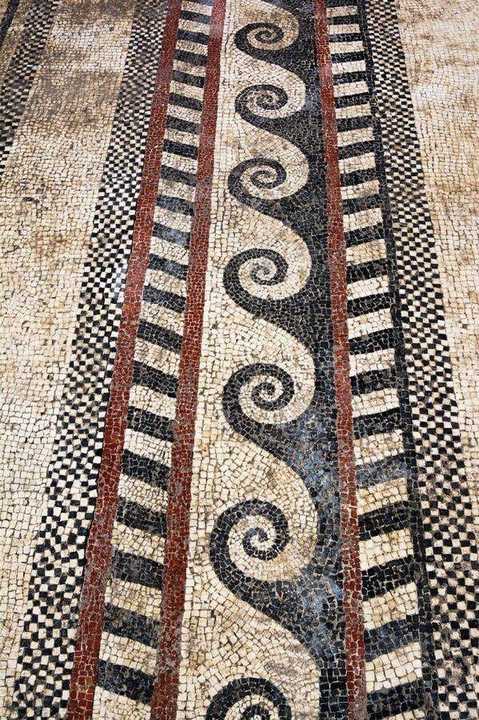
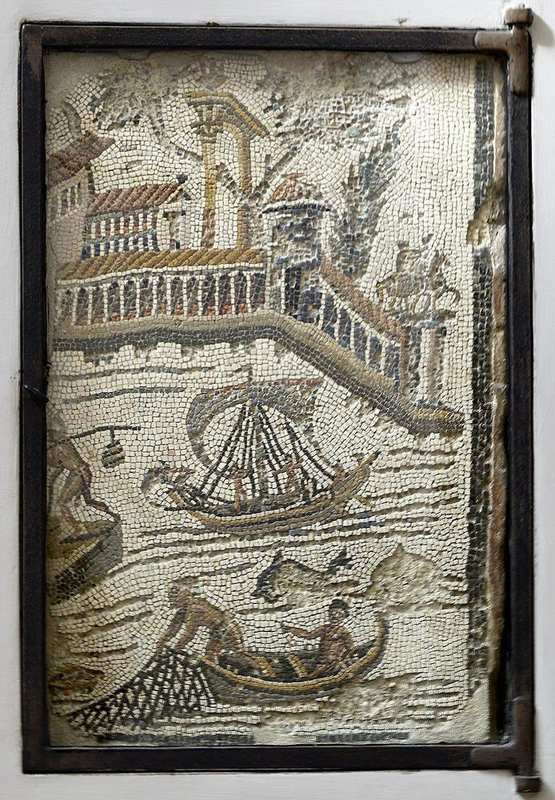
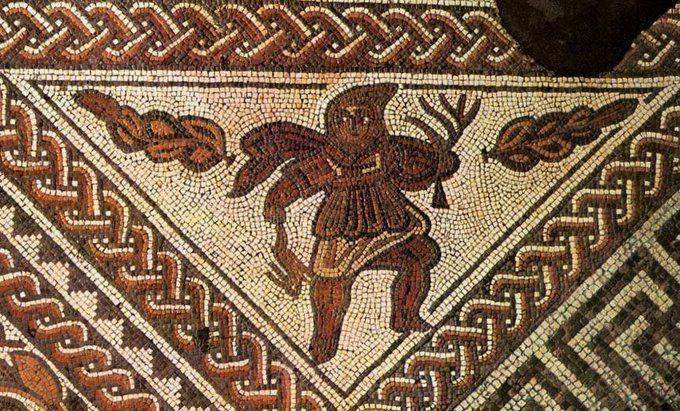
Research reference images gathered from dispersed, publicly accessible sources across the internet. Rights remain with their respective creators and institutions.
Collection 09 · 13 new references
Painted Architecture & Interiors
Architectural compositions, exedrae, decorated rooms and painted walls that turned ancient interiors into layered visual environments. Exact subjects, sites, dates and source rights remain under image-level review.
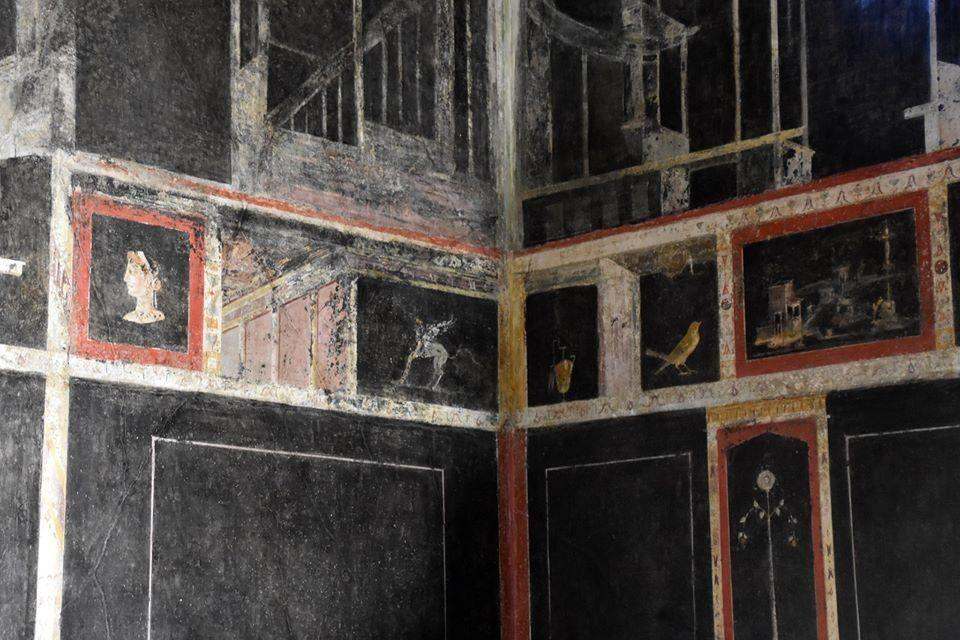
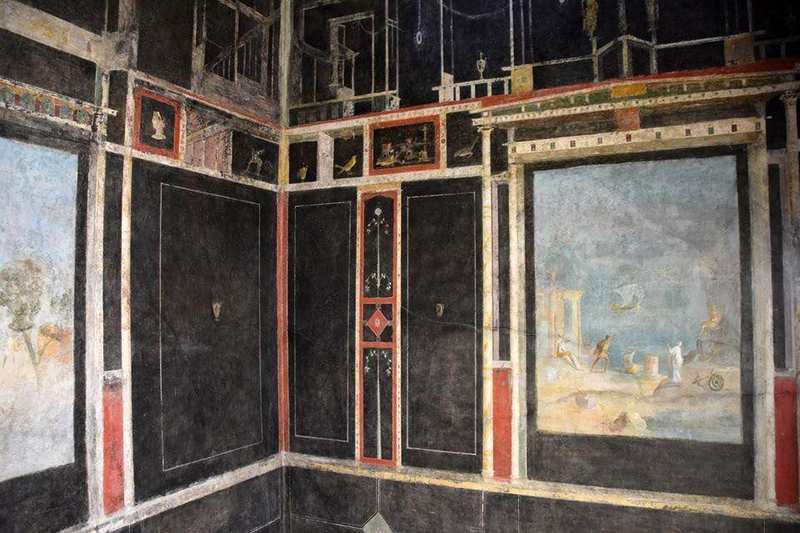
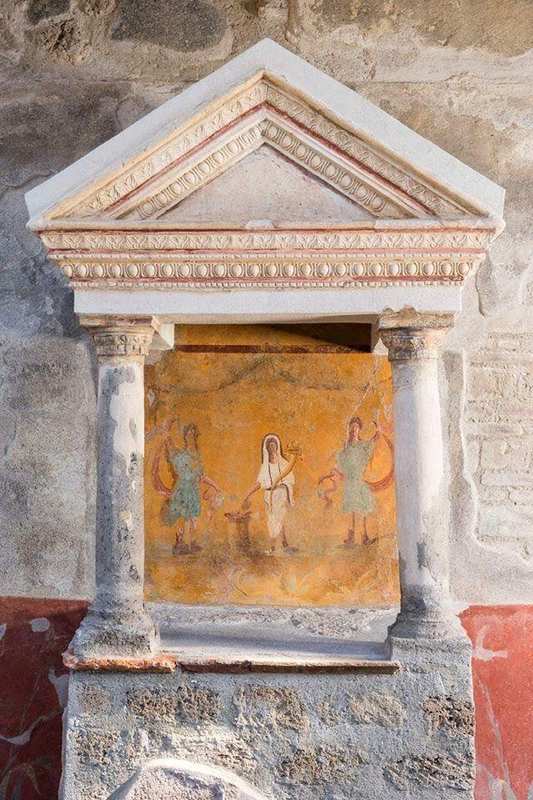
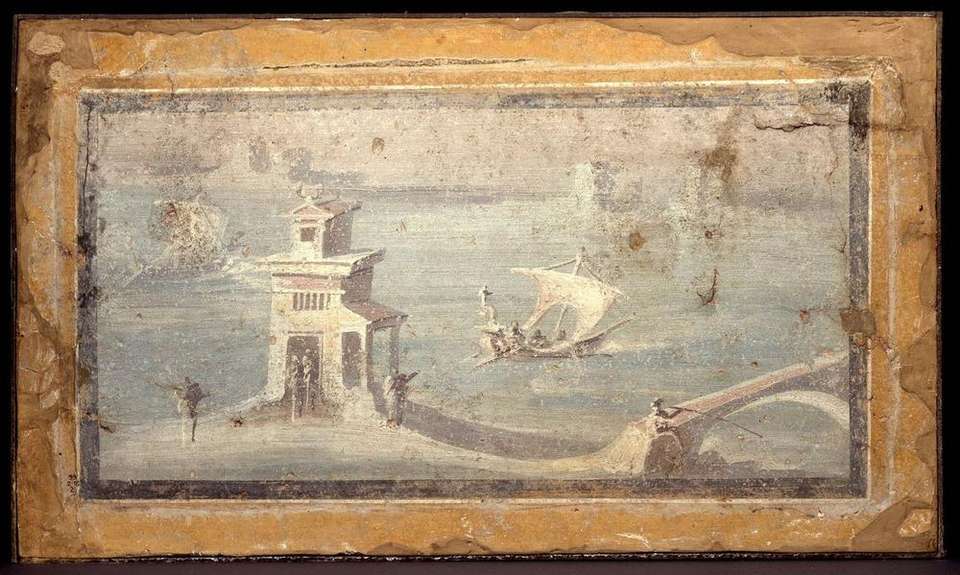
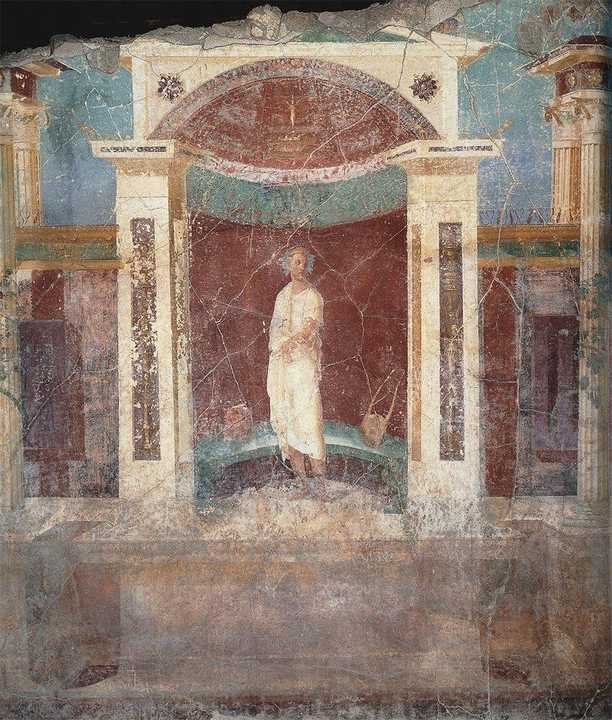
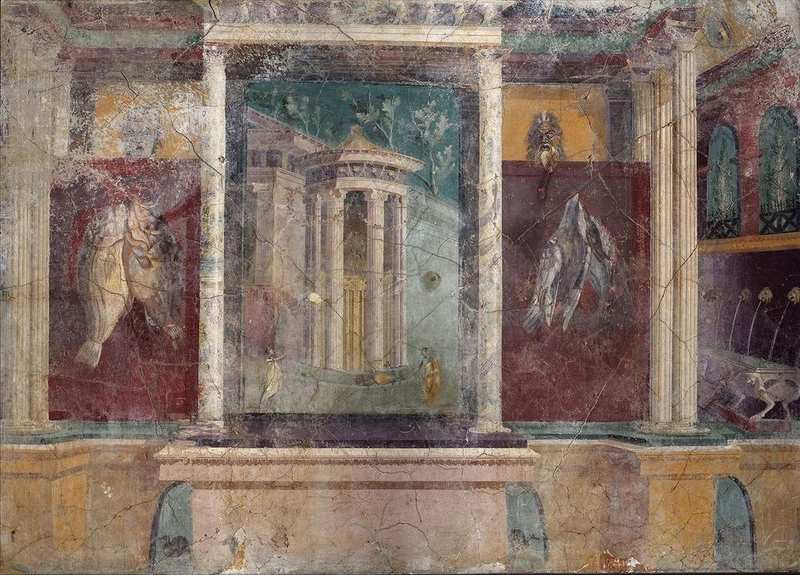
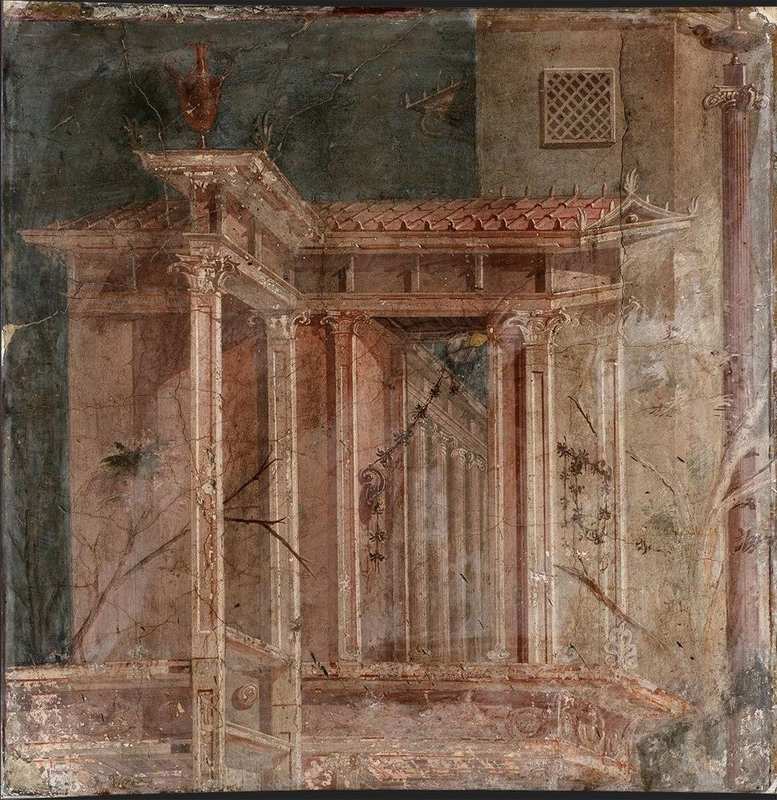
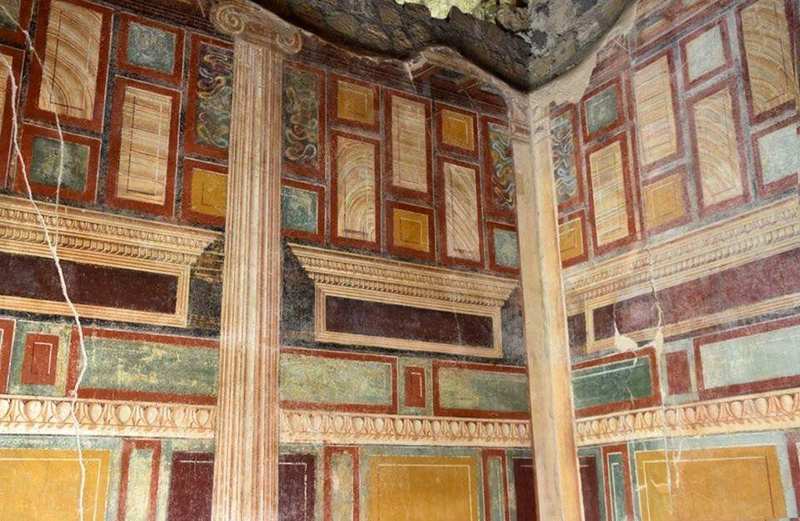
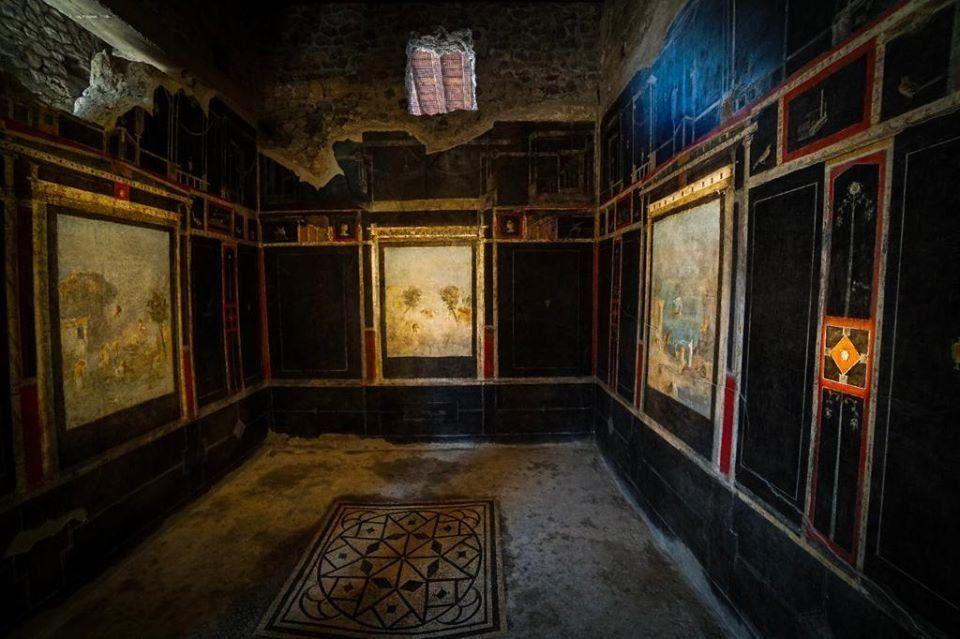
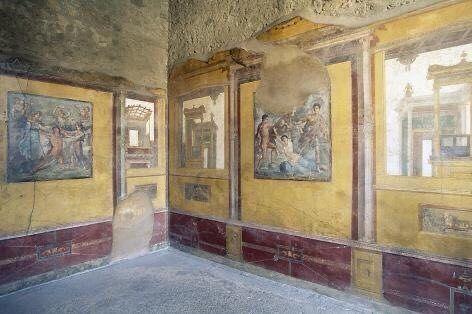
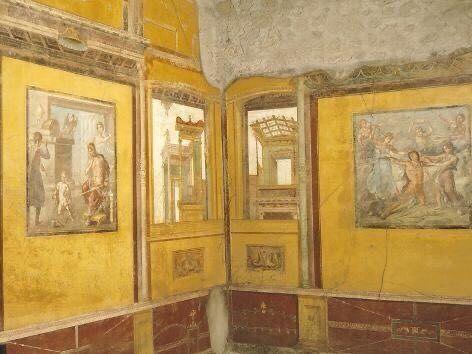
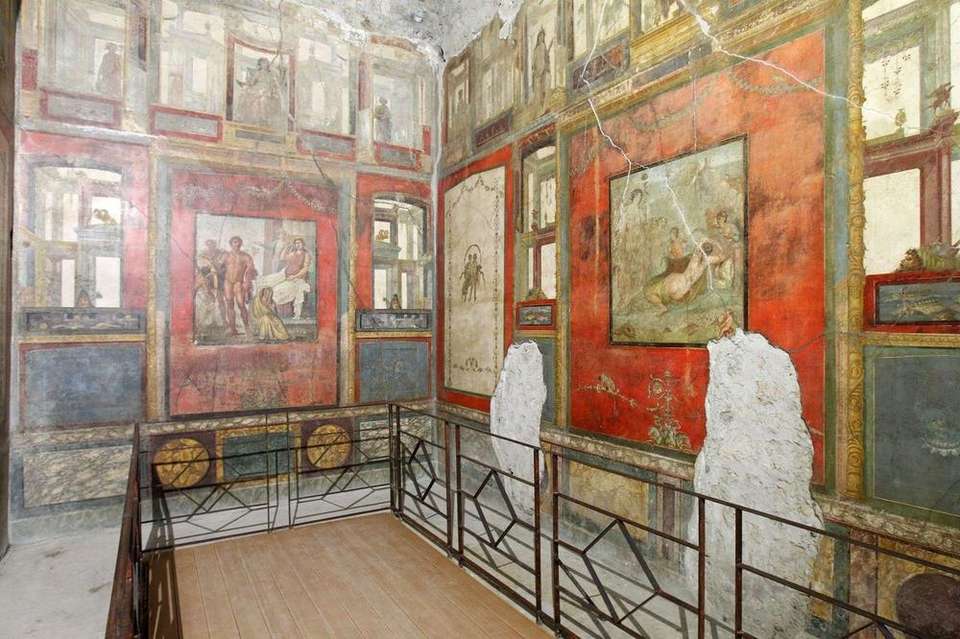
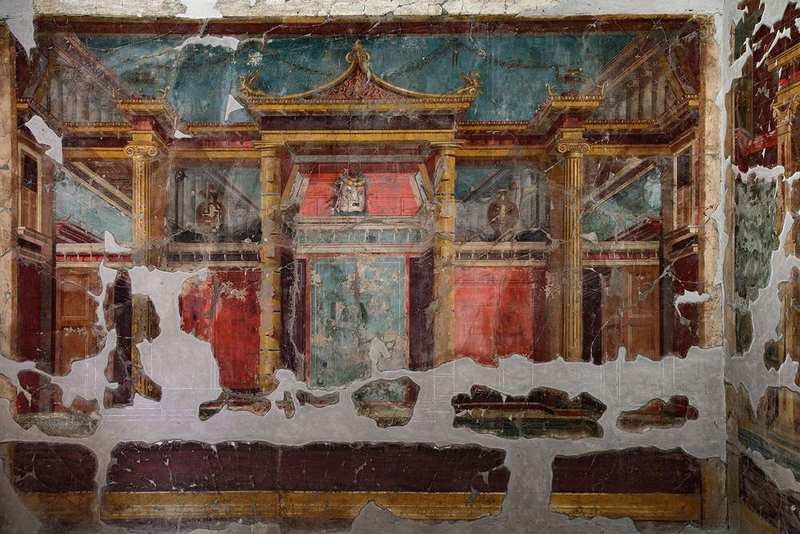
Research reference images gathered from dispersed, publicly accessible sources across the internet. Rights remain with their respective creators and institutions.
Collection 10 · 7 new references
Landscapes & Maritime Worlds
Harbours, villas, gardens, boats and imagined settings that connect architecture with the wider Mediterranean landscape. Exact subjects, sites, dates and source rights remain under image-level review.
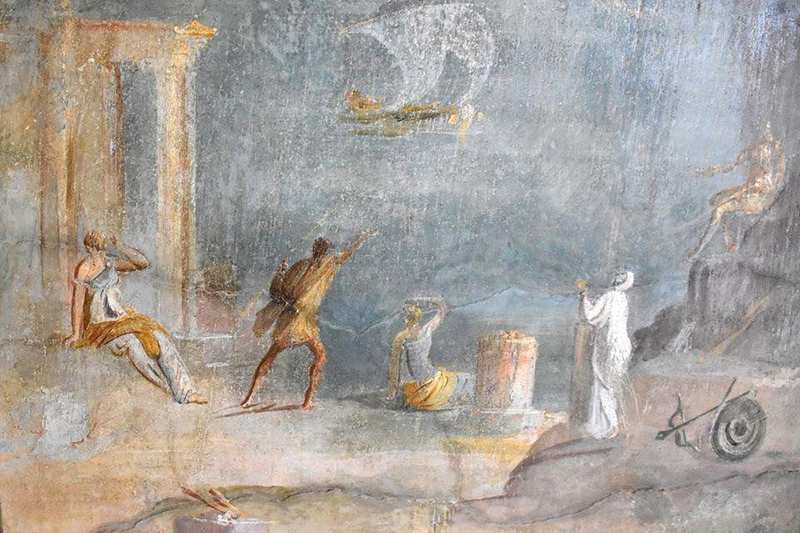
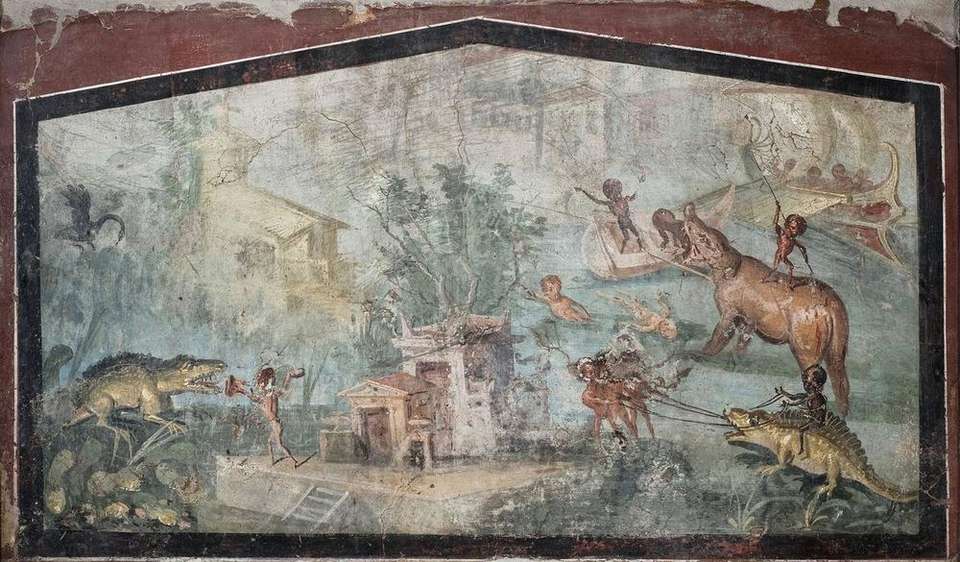
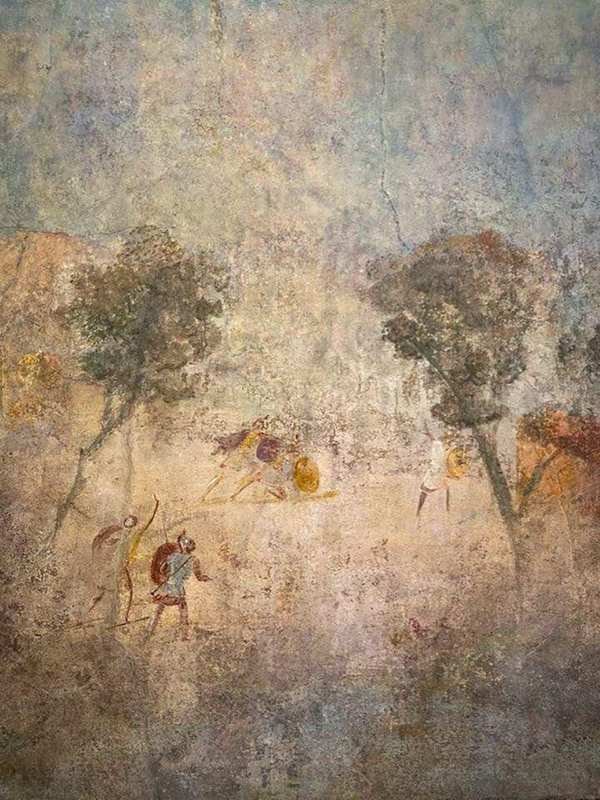
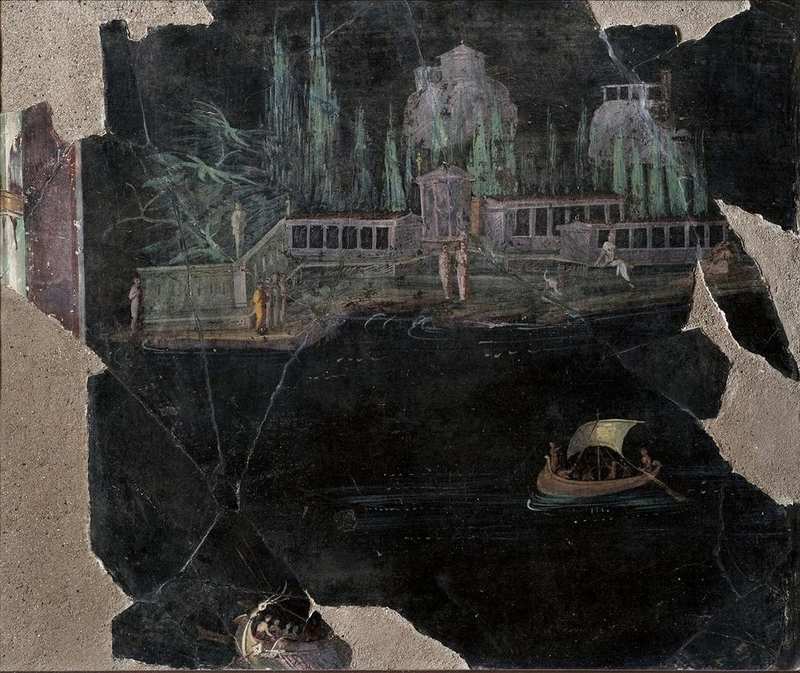
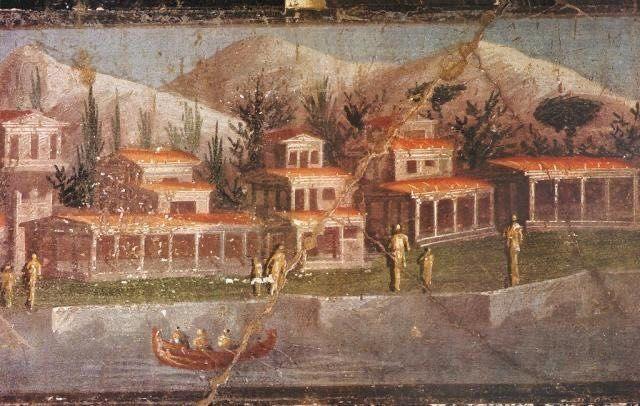
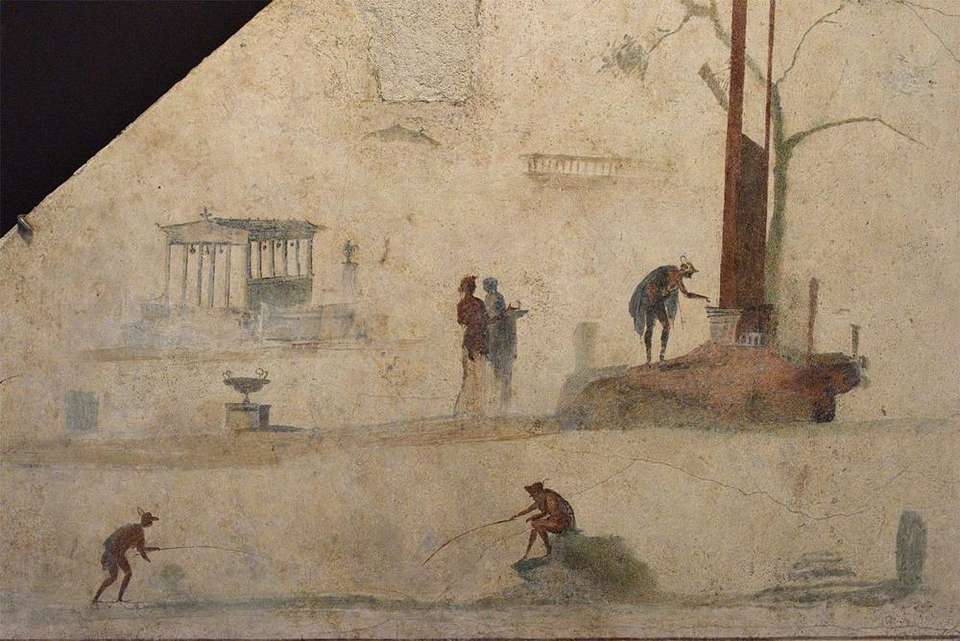
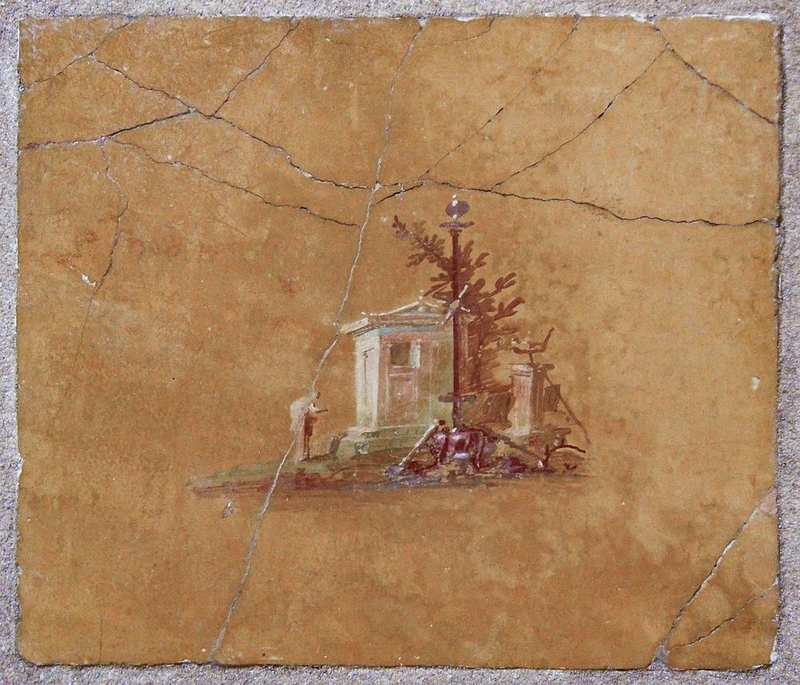
Research reference images gathered from dispersed, publicly accessible sources across the internet. Rights remain with their respective creators and institutions.
Collection 11 · 17 new references
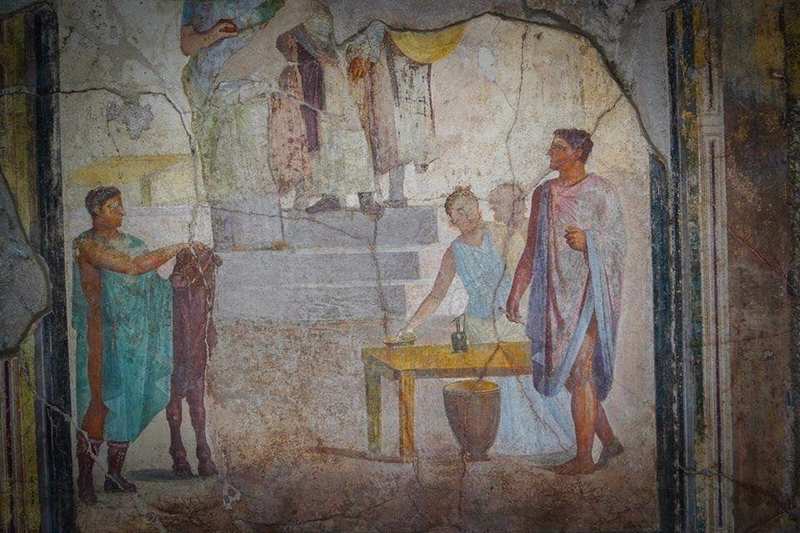
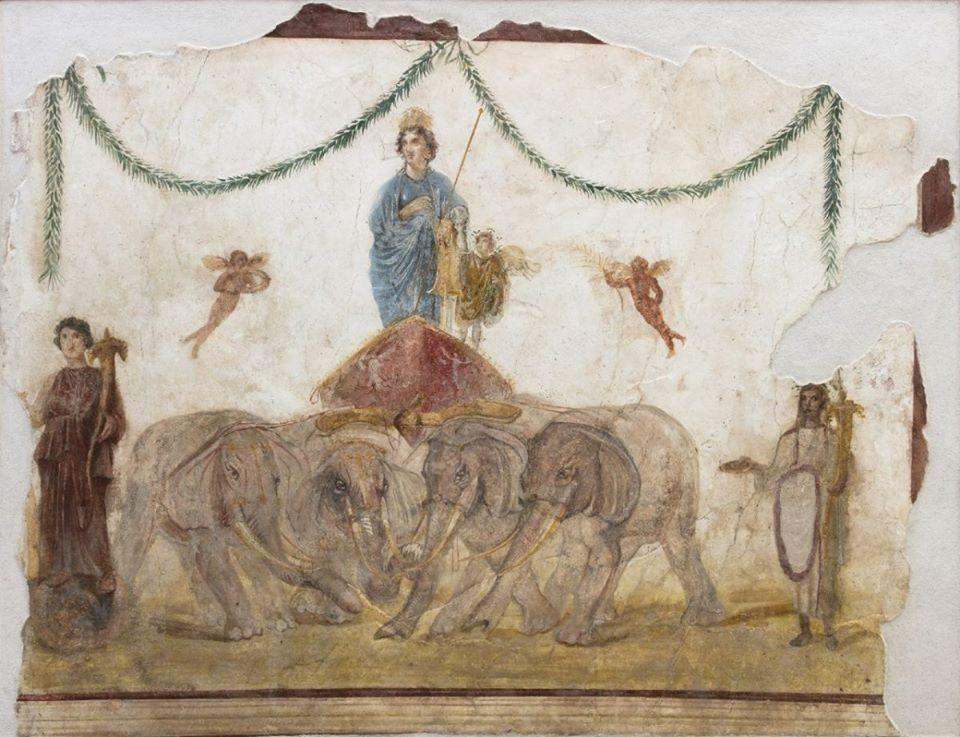
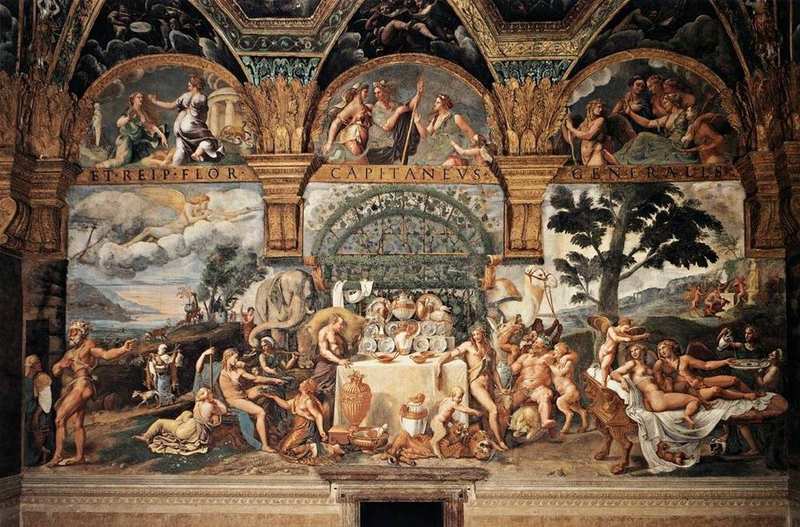
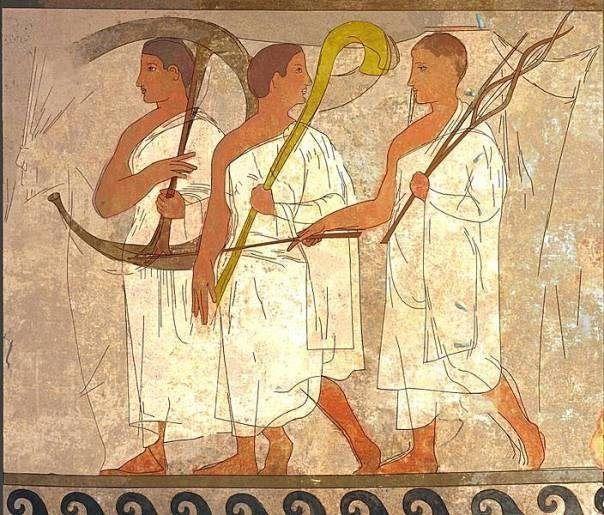
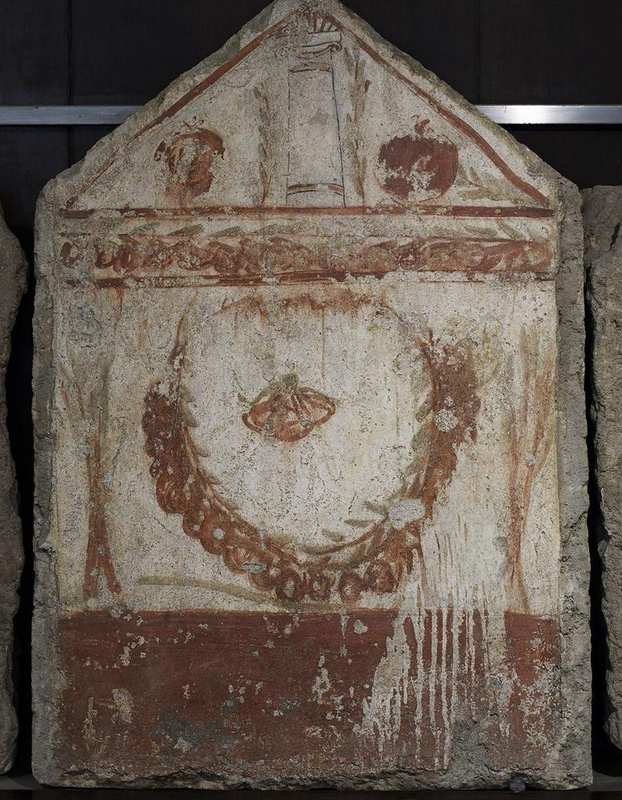
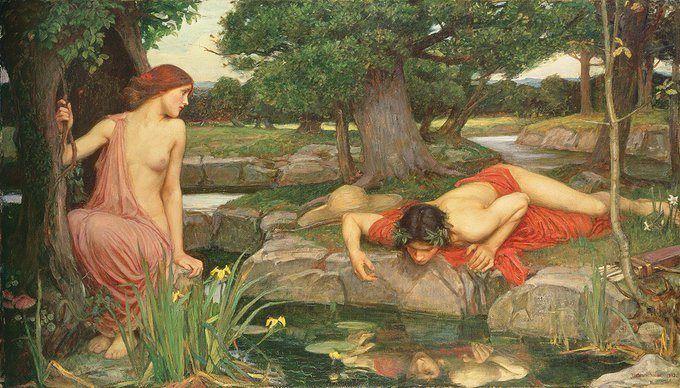
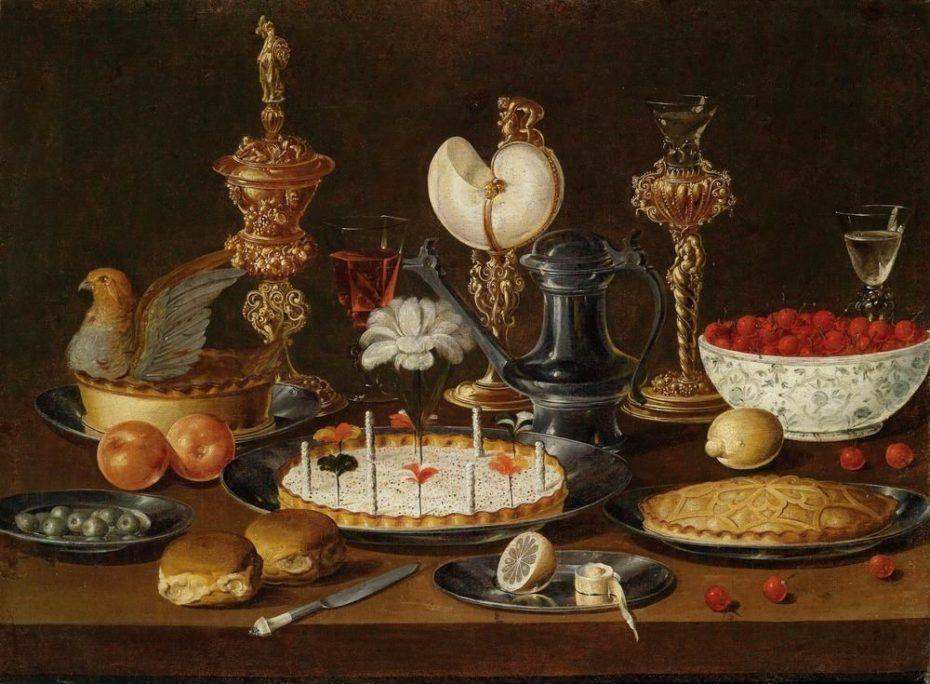
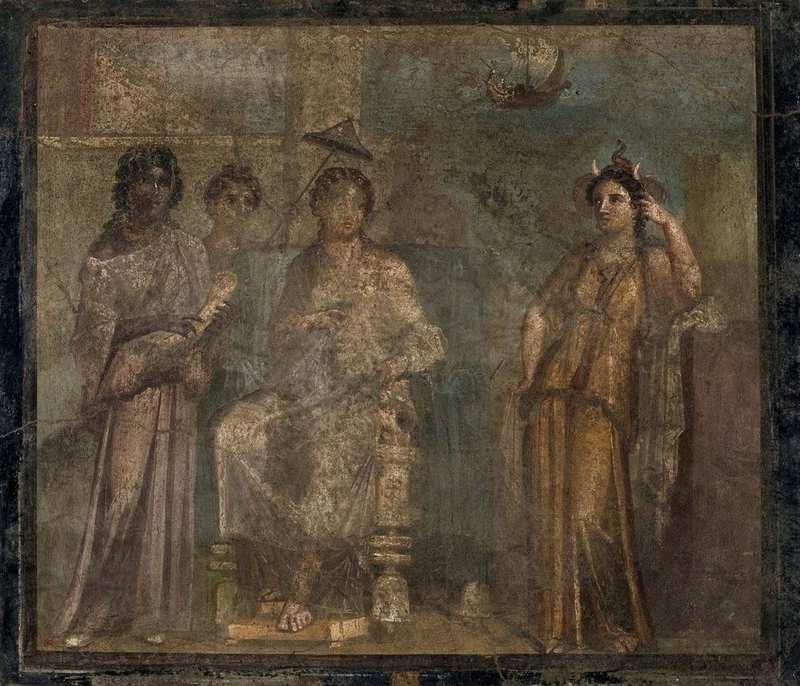
Myth, Narrative & Daily Life
Mythological episodes, ritual and social scenes, portraits and fragments of everyday action preserved across ancient and later comparative imagery. Exact subjects, sites, dates and source rights remain under image-level review.
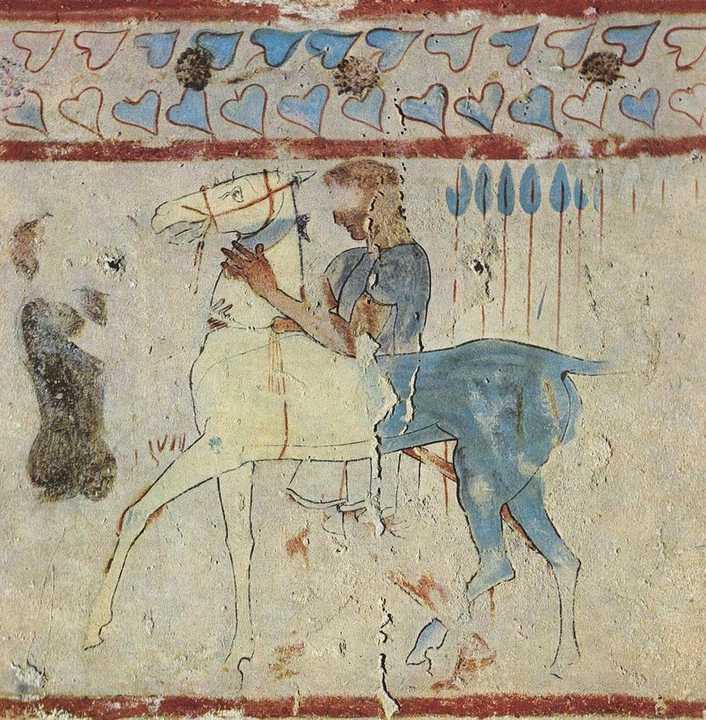
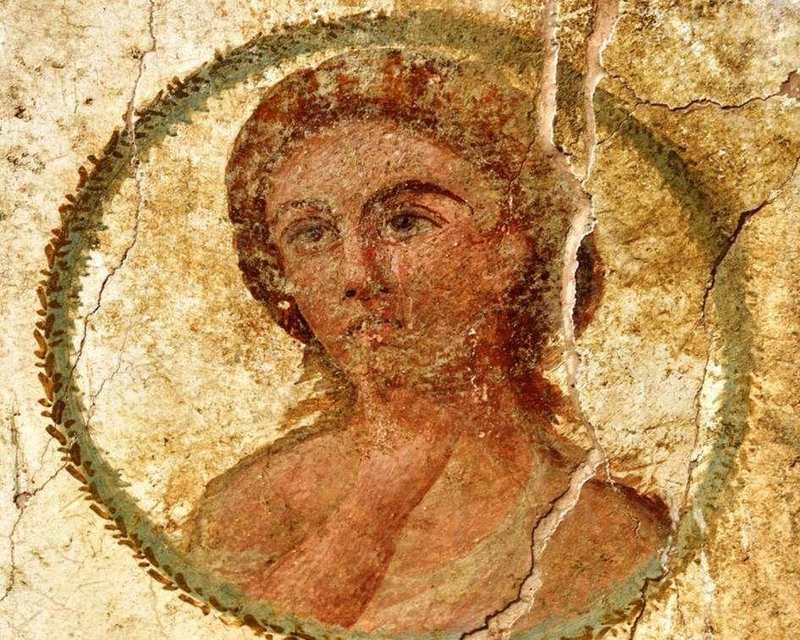
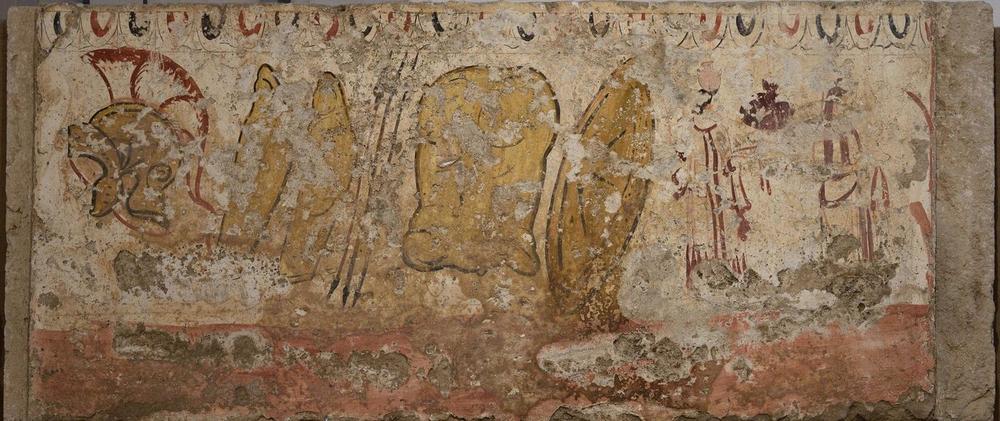
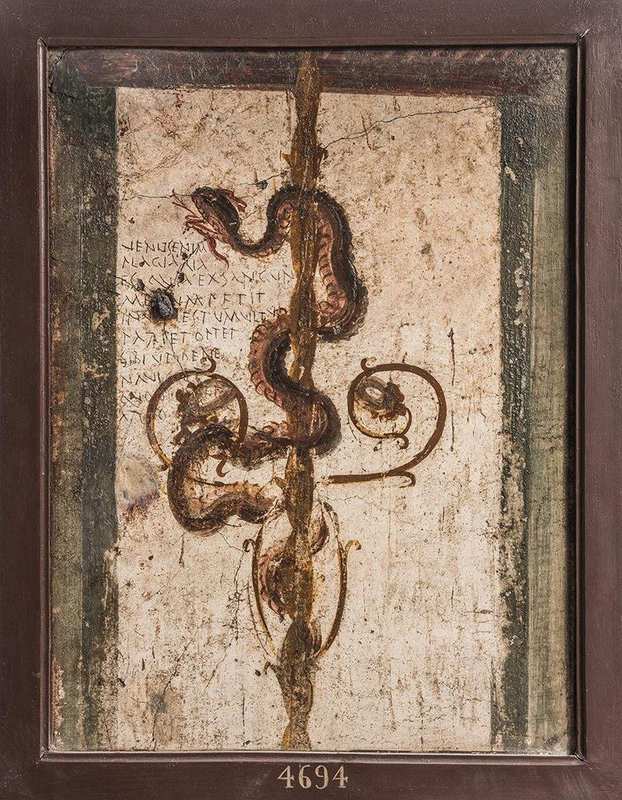
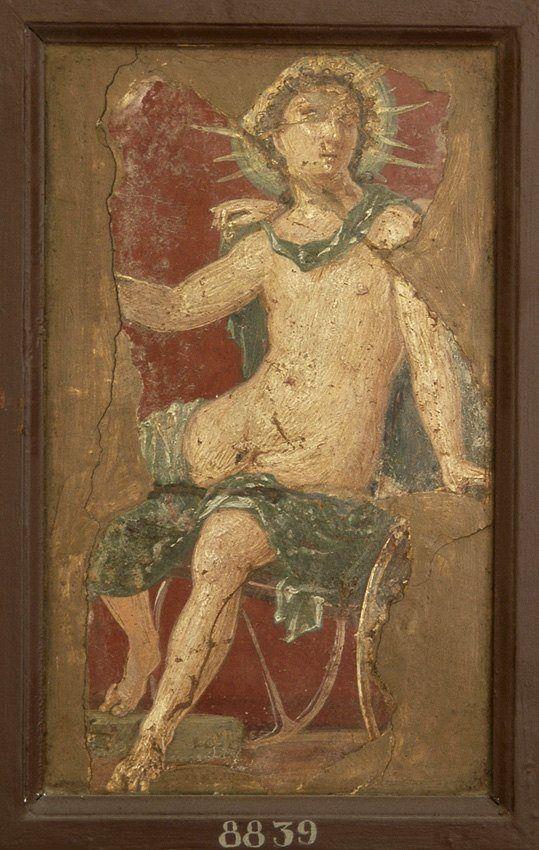
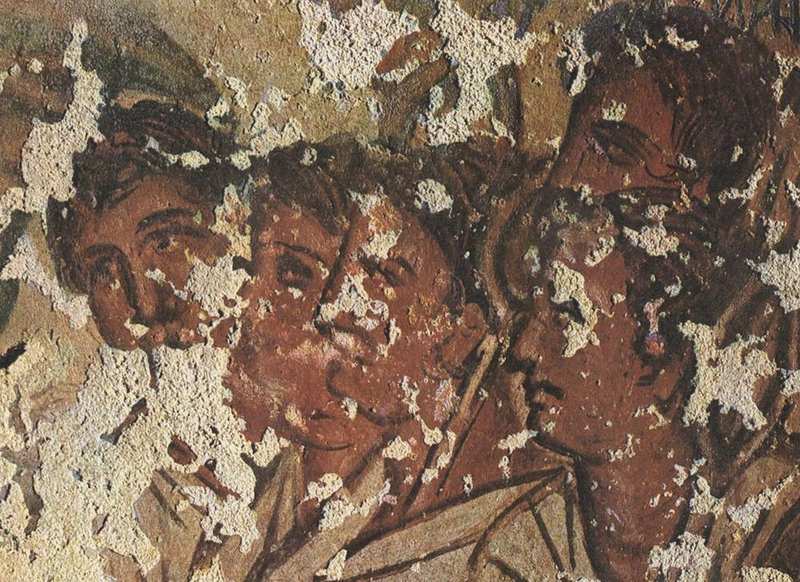
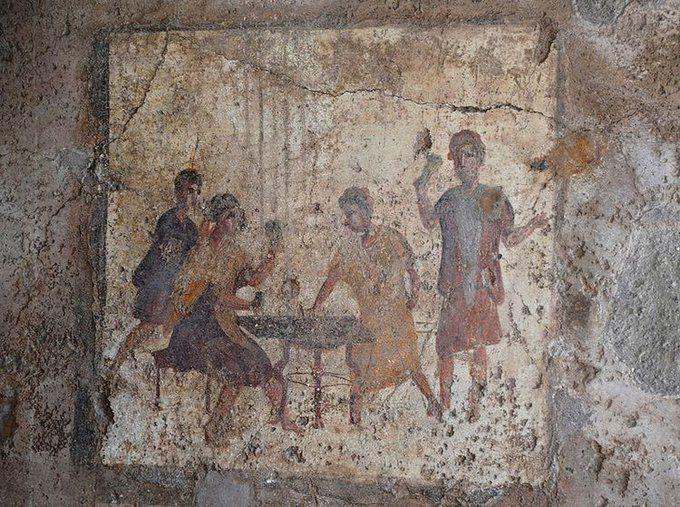
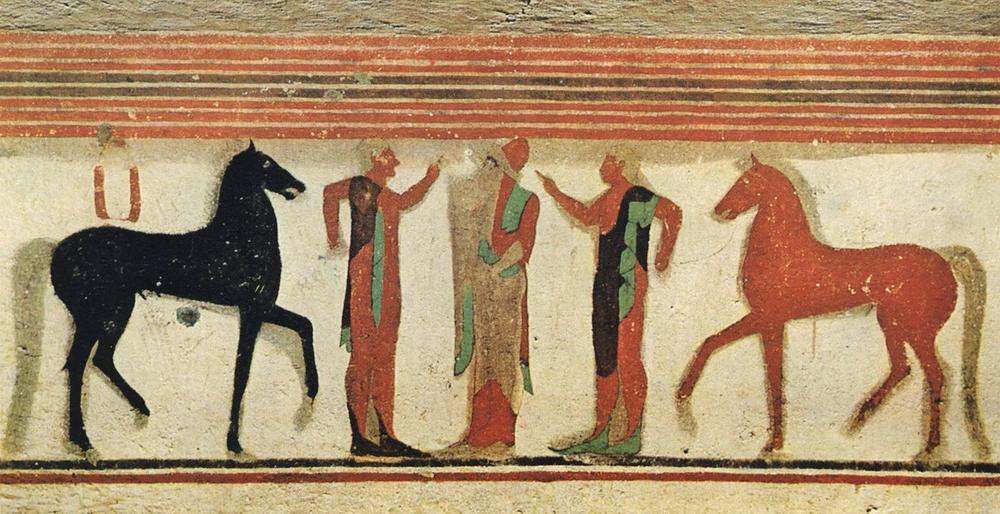
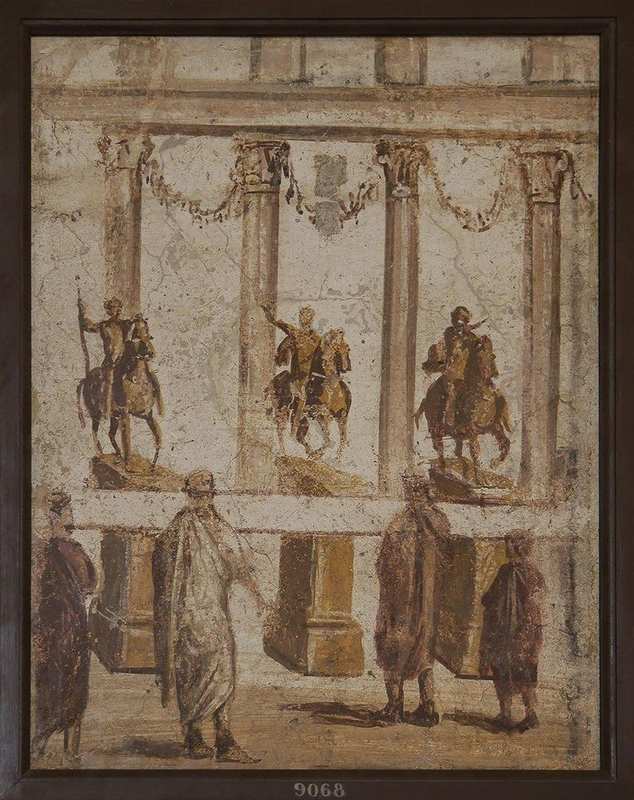
Research reference images gathered from dispersed, publicly accessible sources across the internet. Rights remain with their respective creators and institutions.
Continue exploring the Archaeopolis research-led practice.
Return to Explore