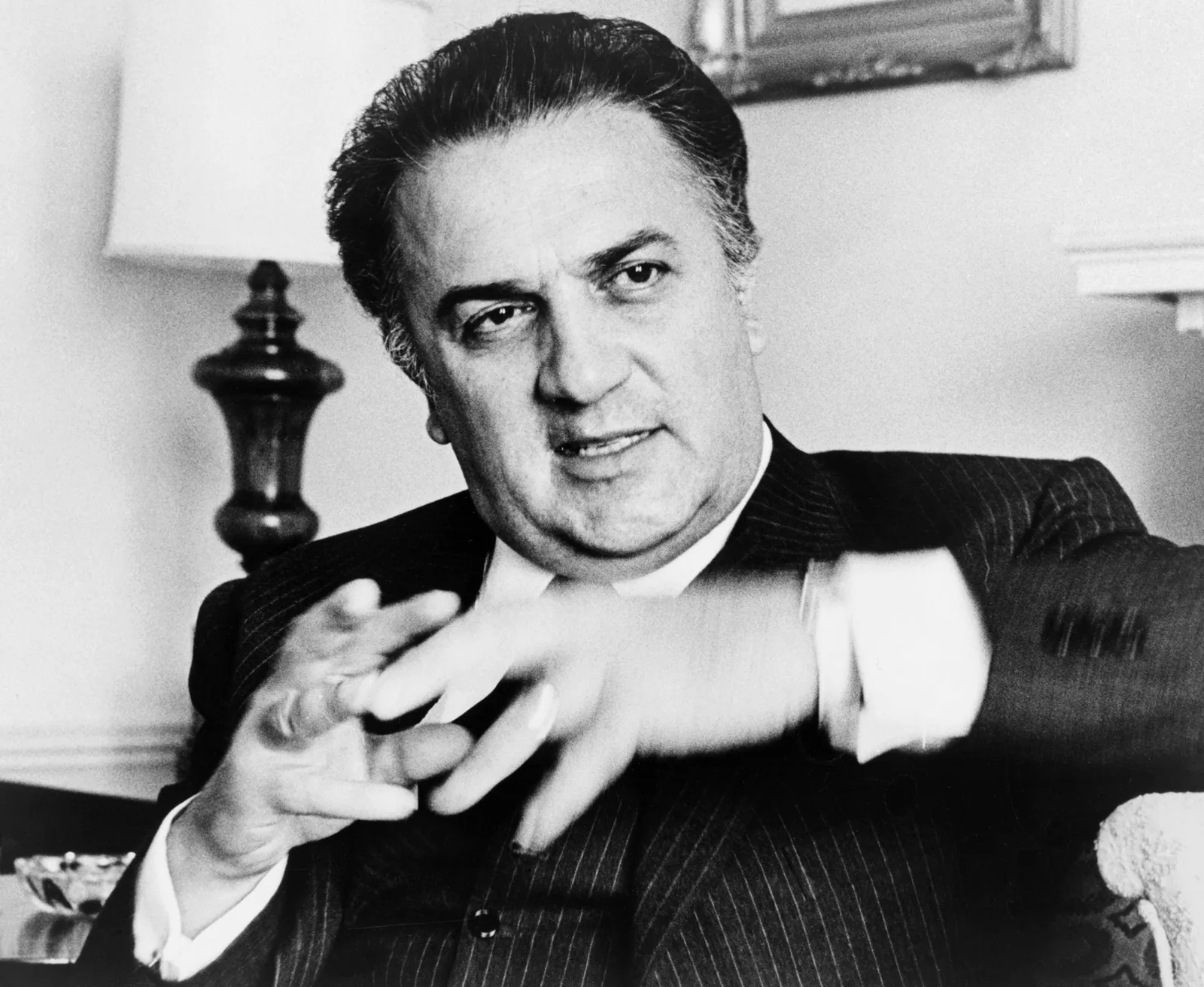
He did not reconstruct history. He made it sweat.
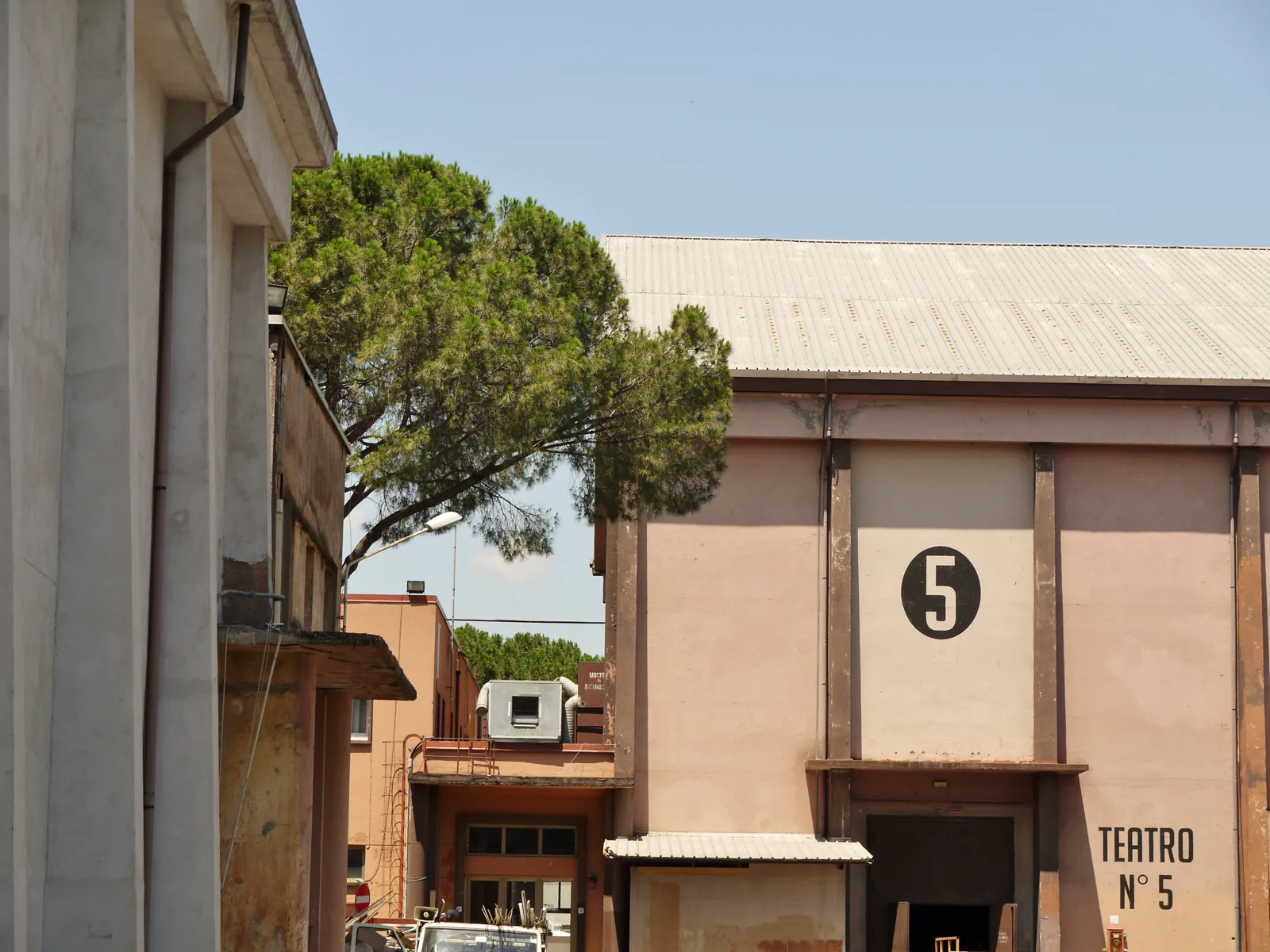
Fellini was not interested in polishing the past until it behaved. He wanted the dirt under its nails, the bad breath, the religious panic, the oversized appetite. At Cinecittà, history could be built, flooded, painted, overfed and torn down before lunch. That freedom was the engine: the set was not a polite container for the actors. It was a beast with its own pulse. A street could become memory. A plastic sea could become destiny. A painted wall could feel more truthful than a real ruin.
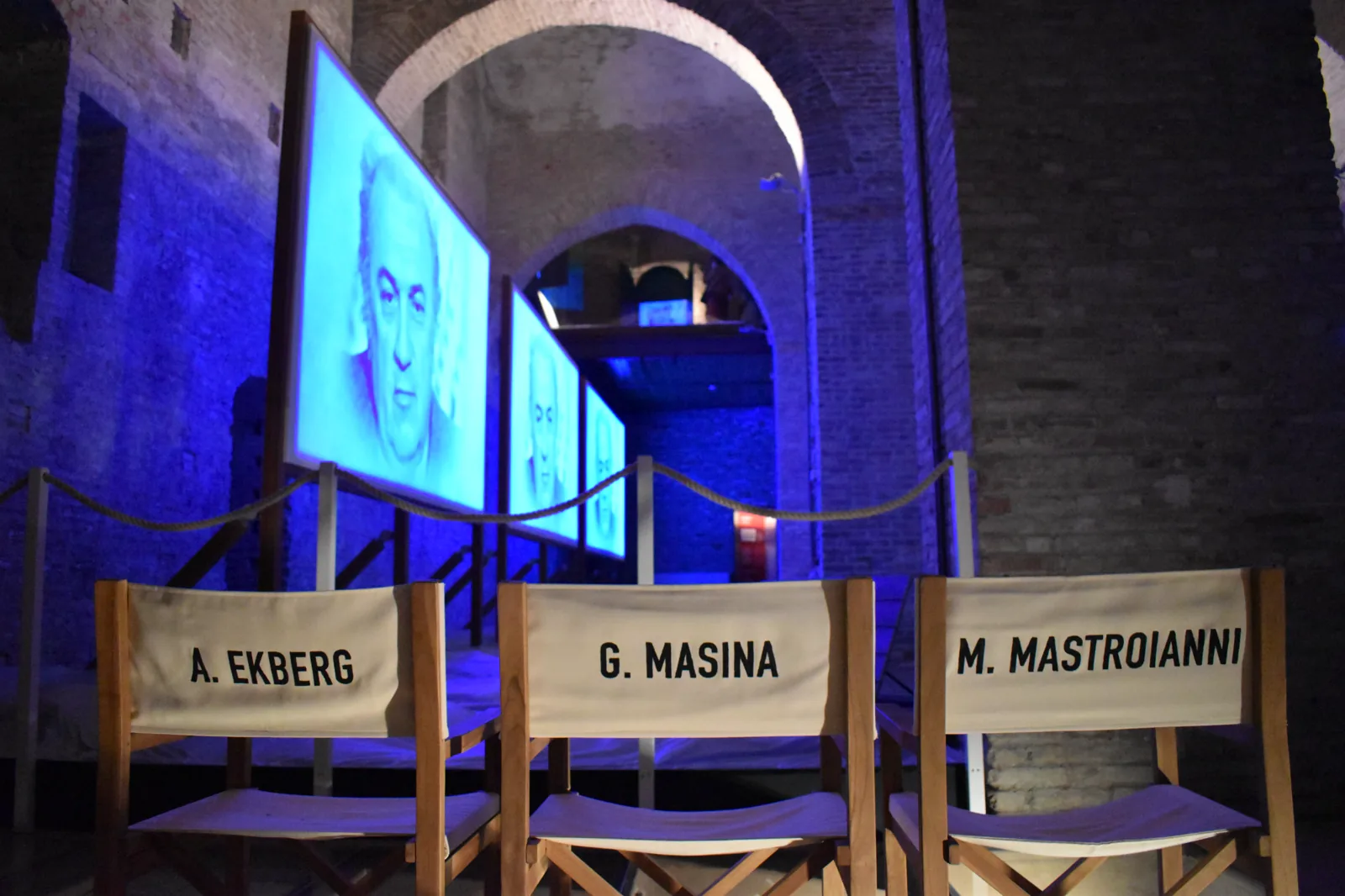
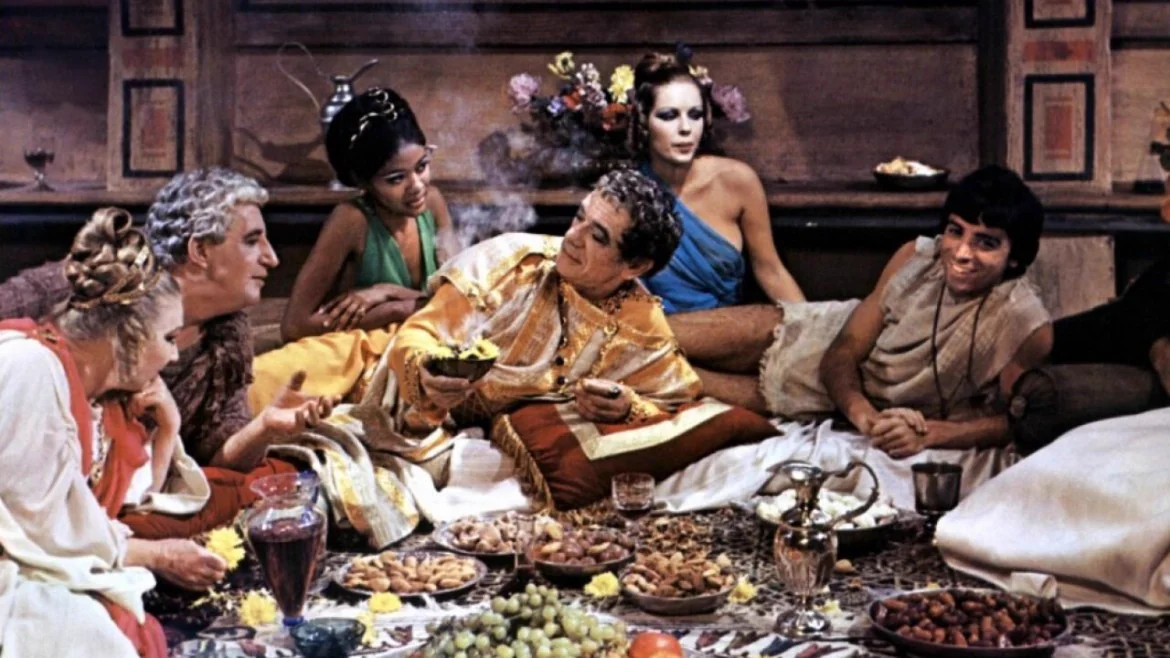
Satyricon: Rome after the aliens landed
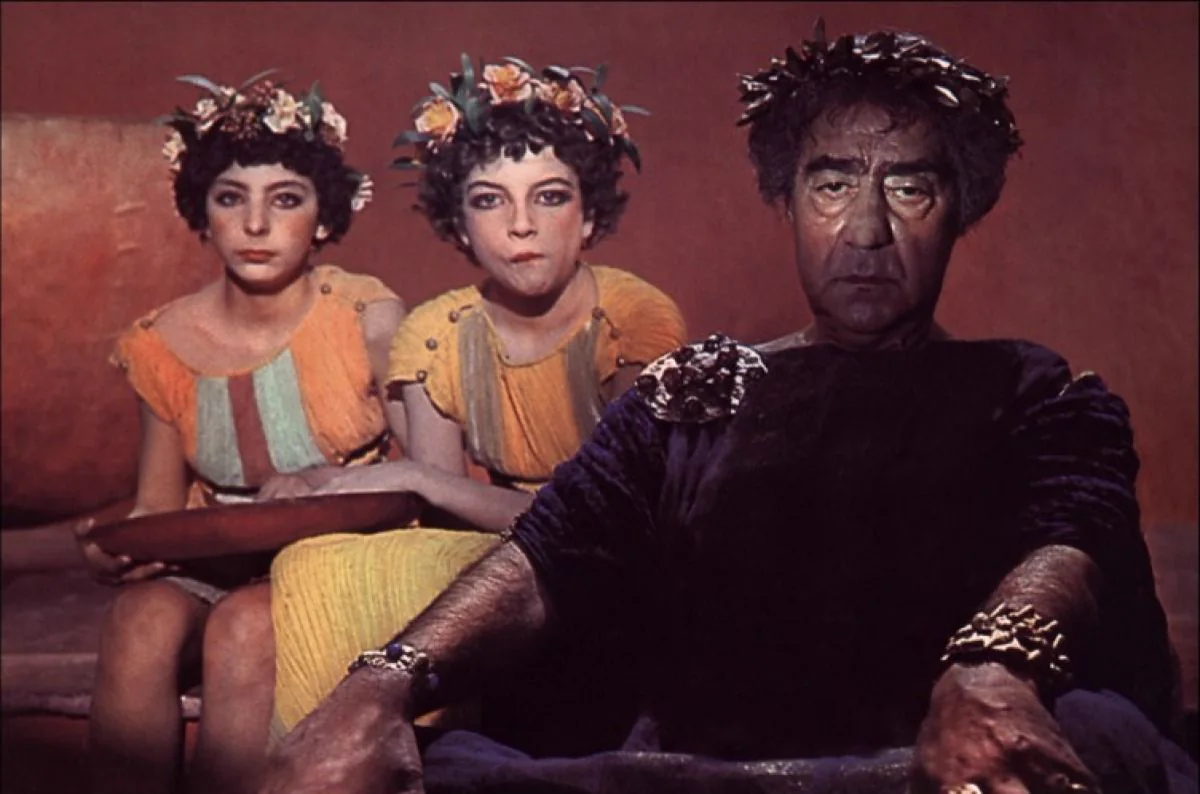
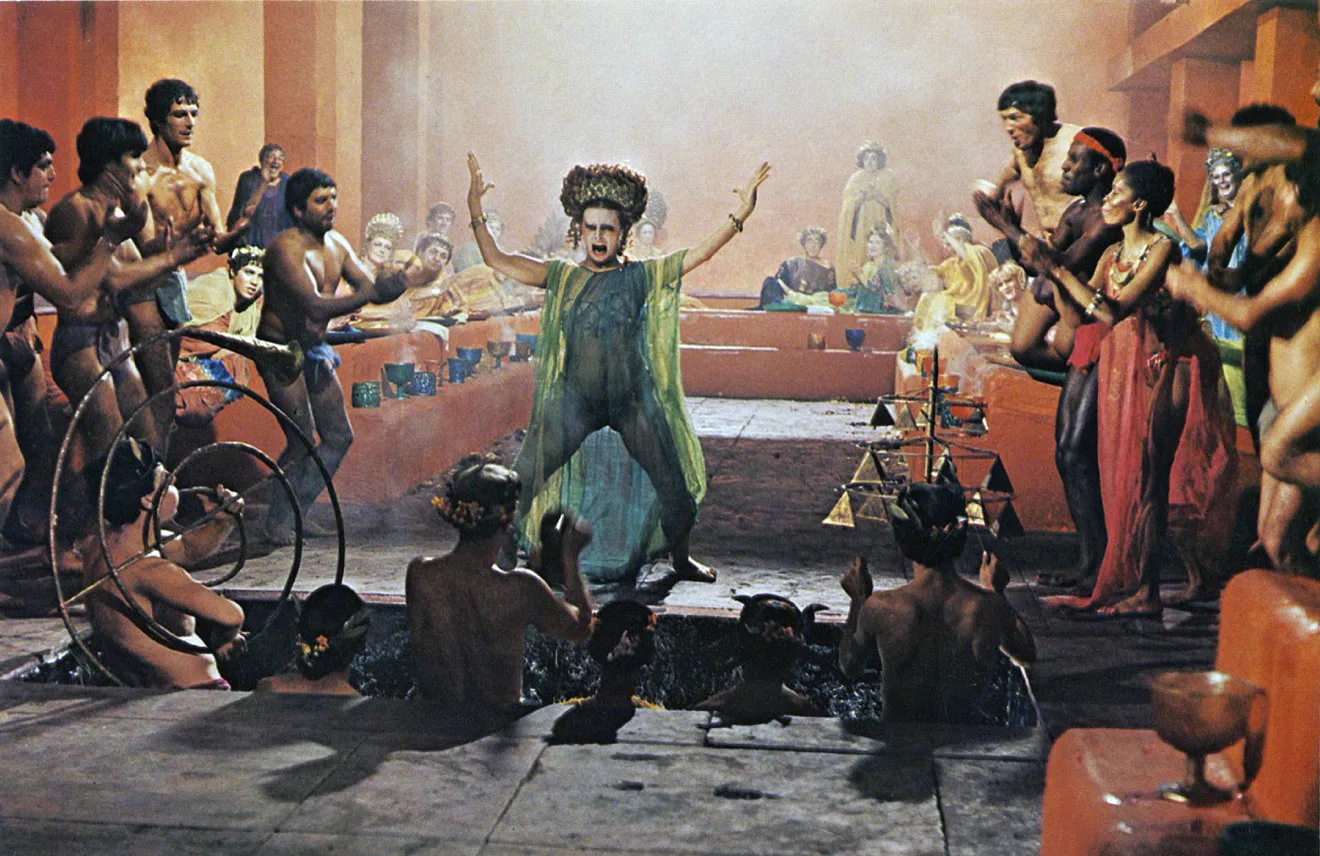
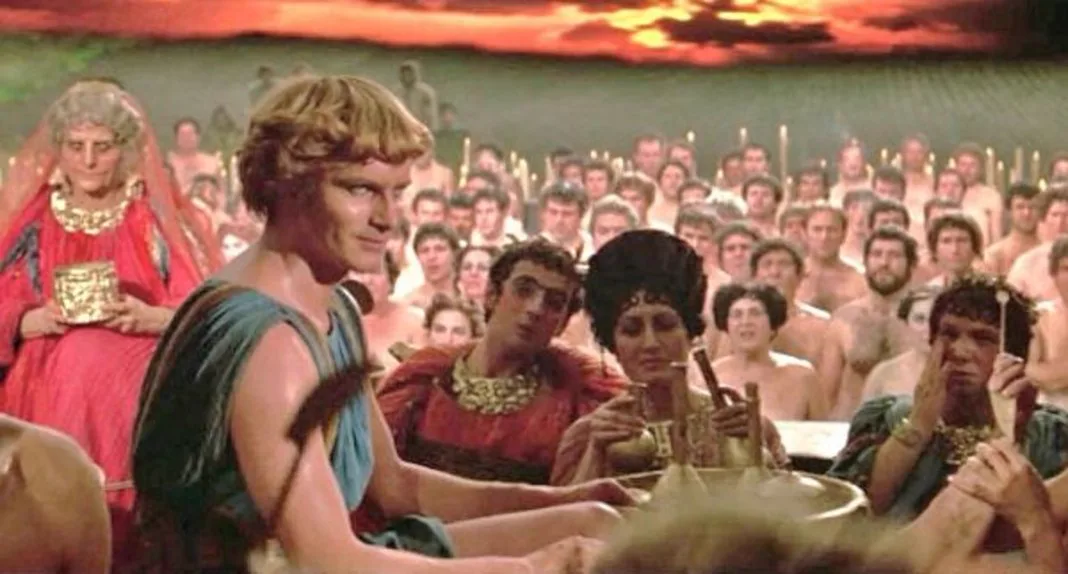
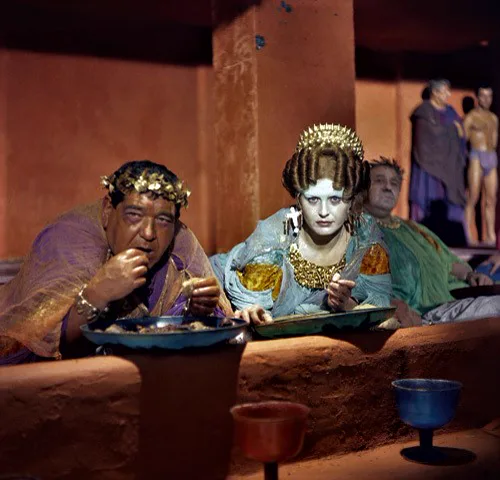
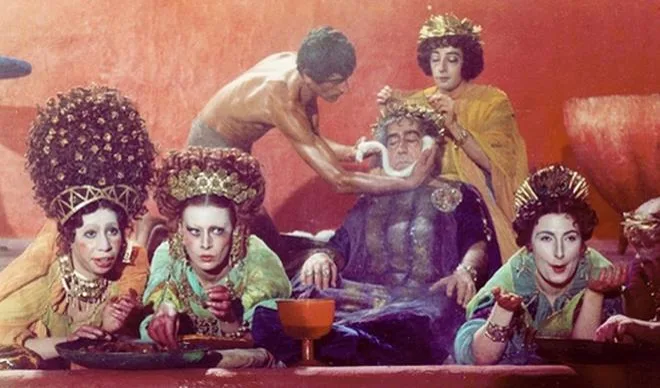
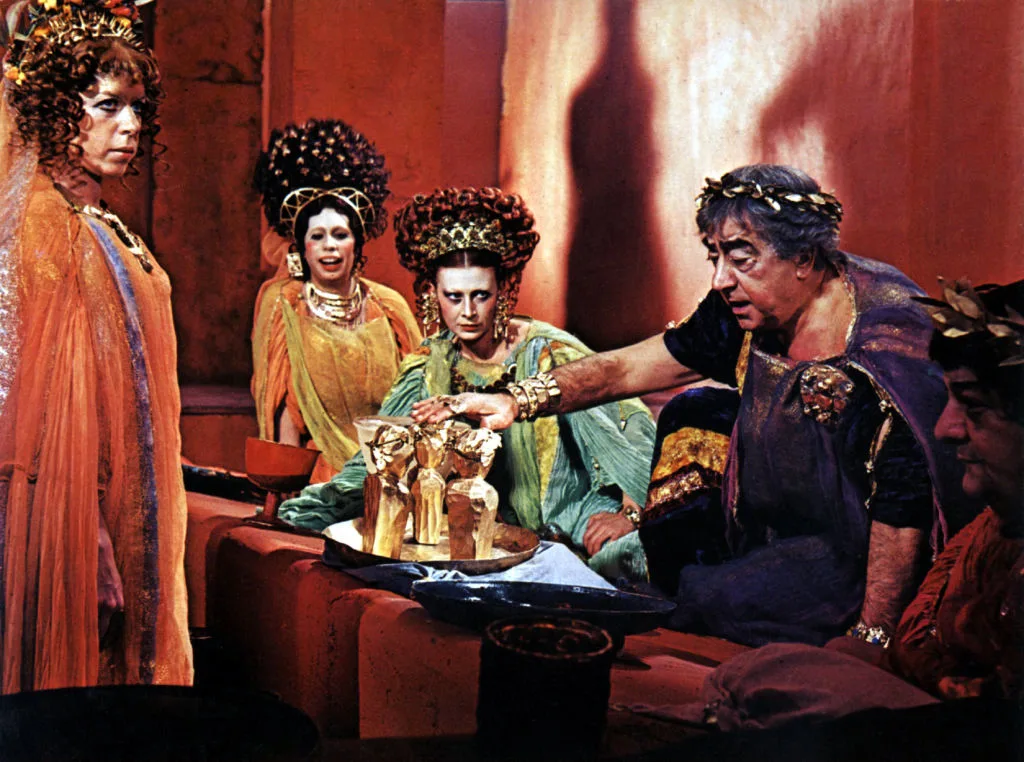
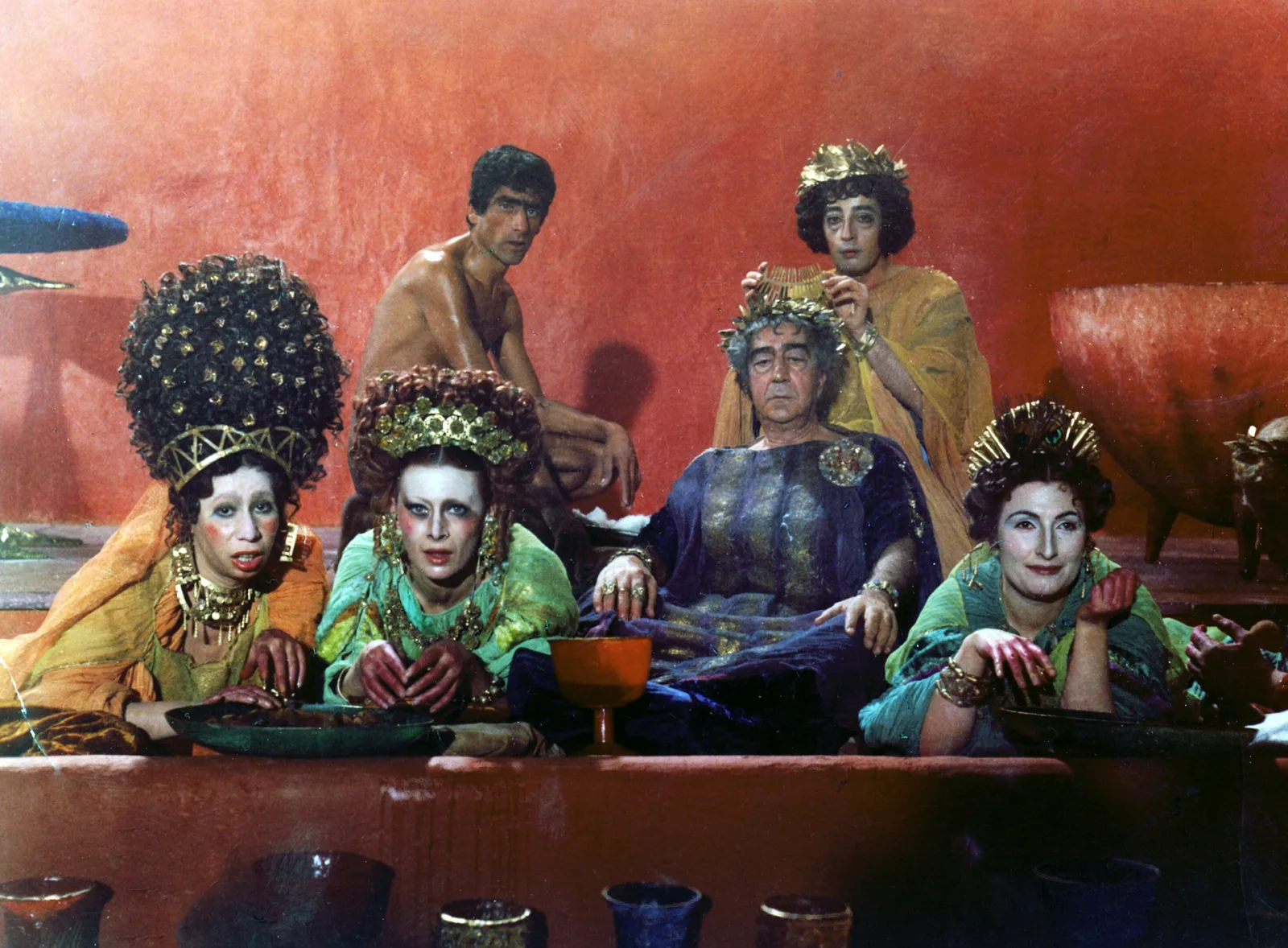
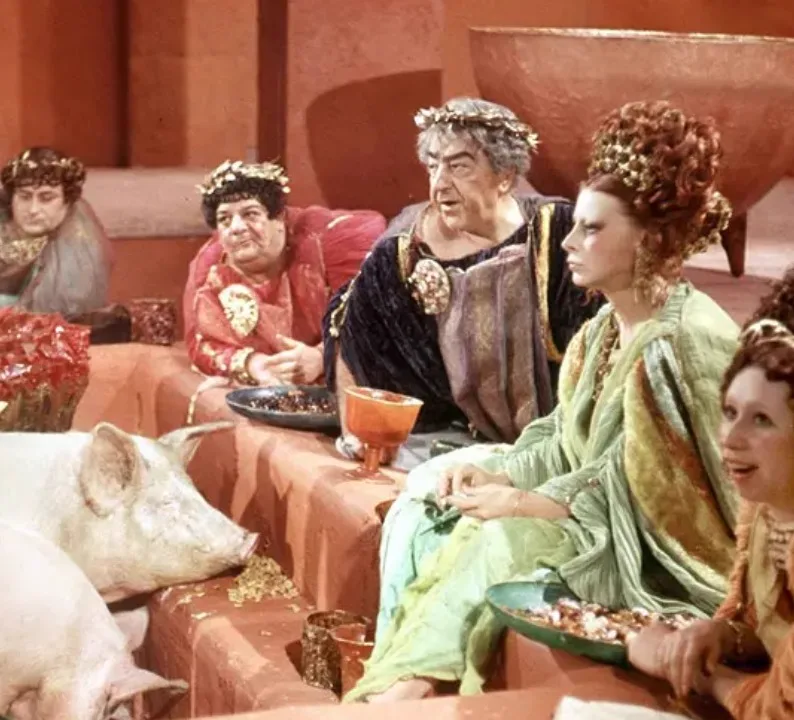
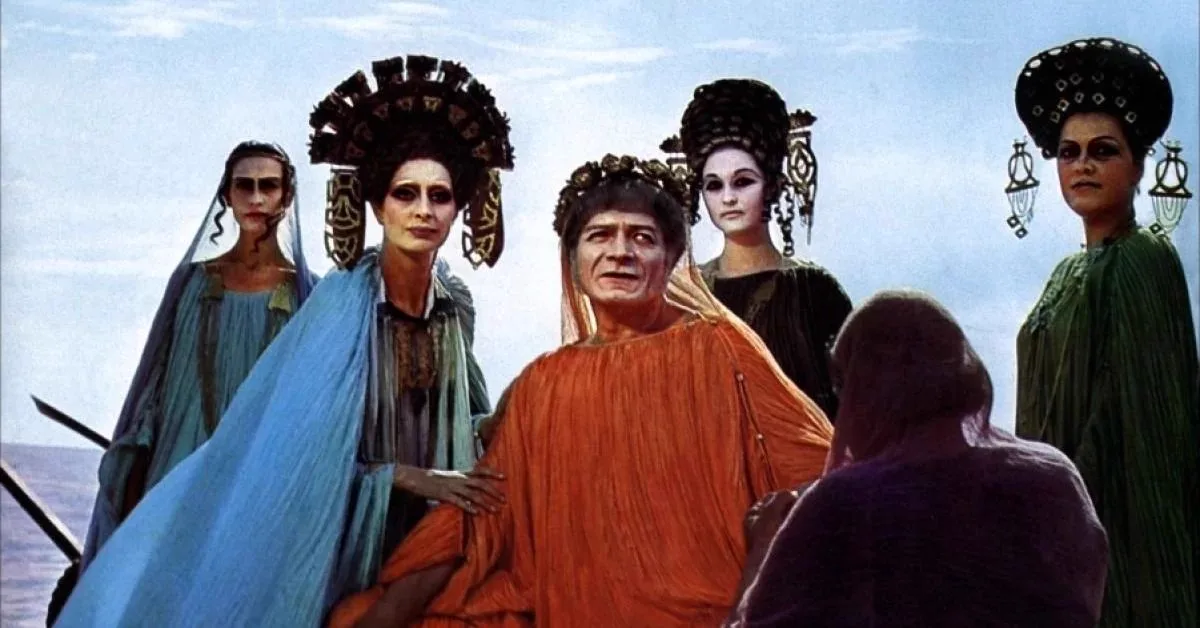
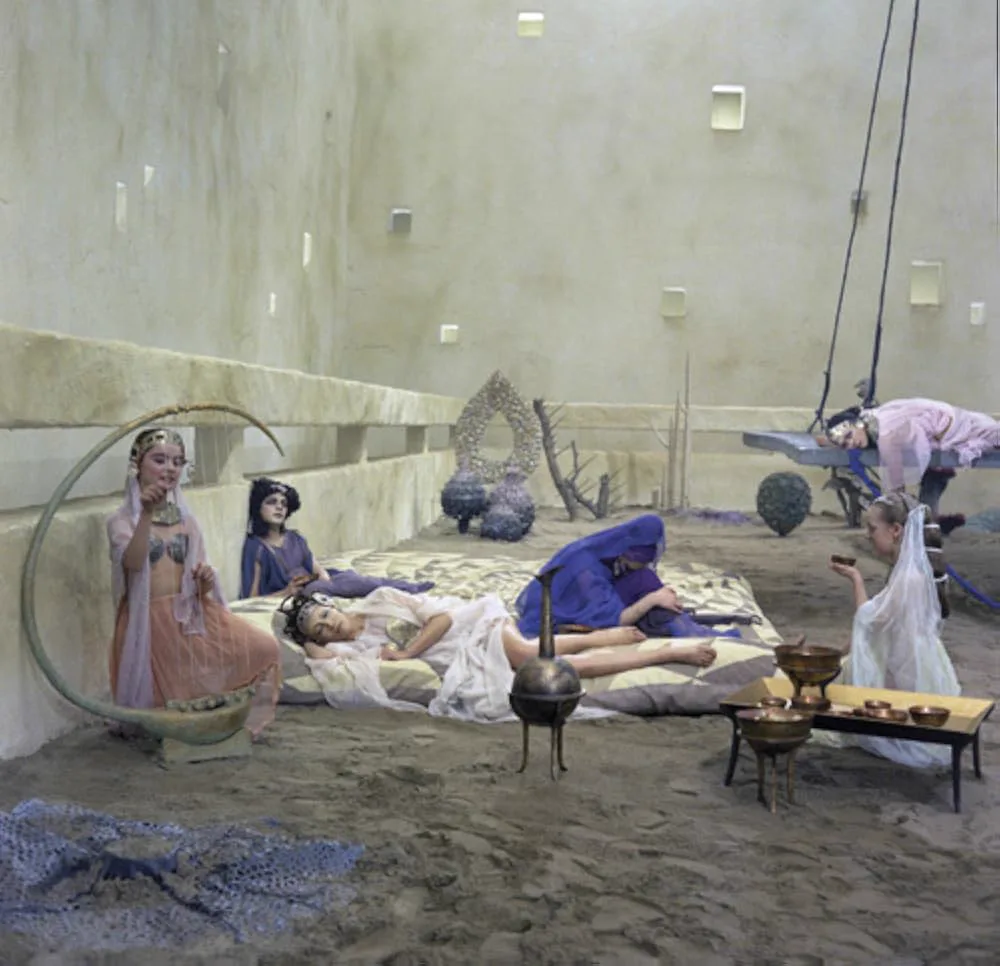
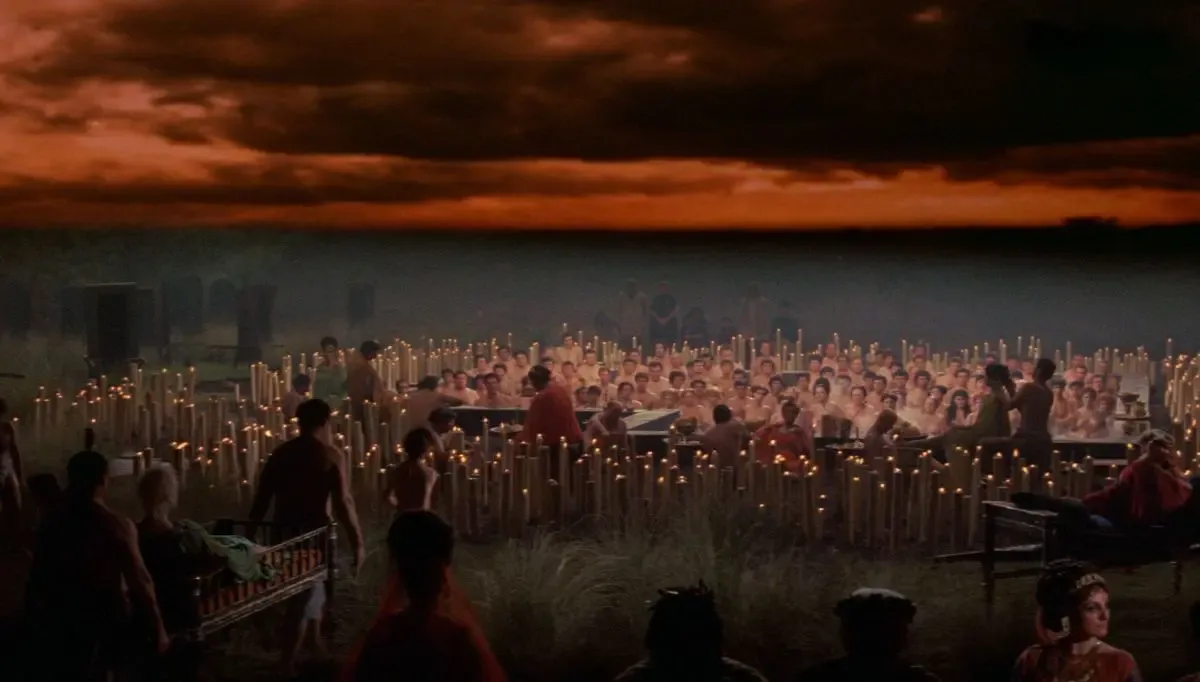
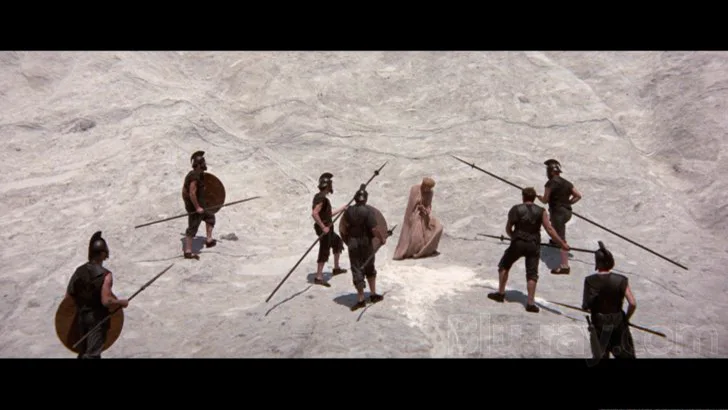
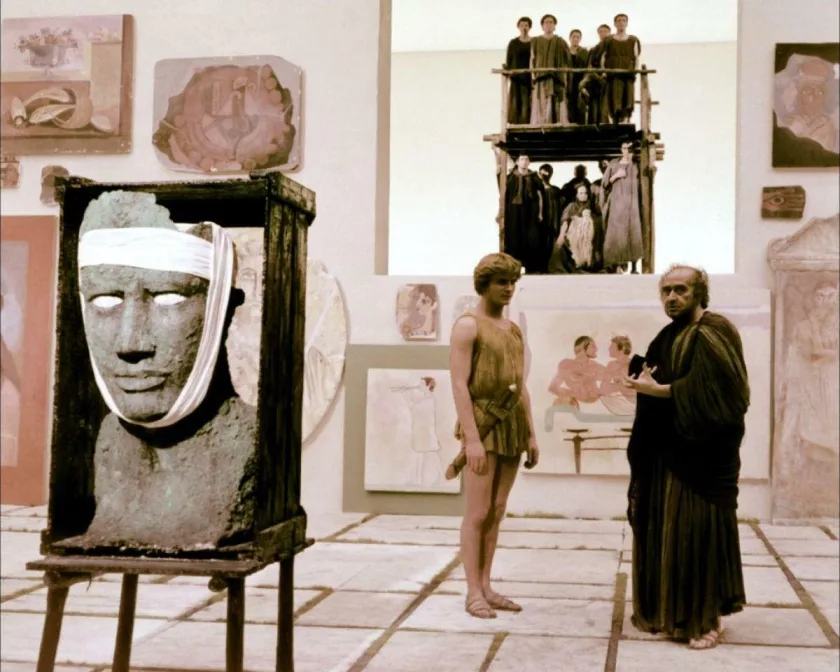
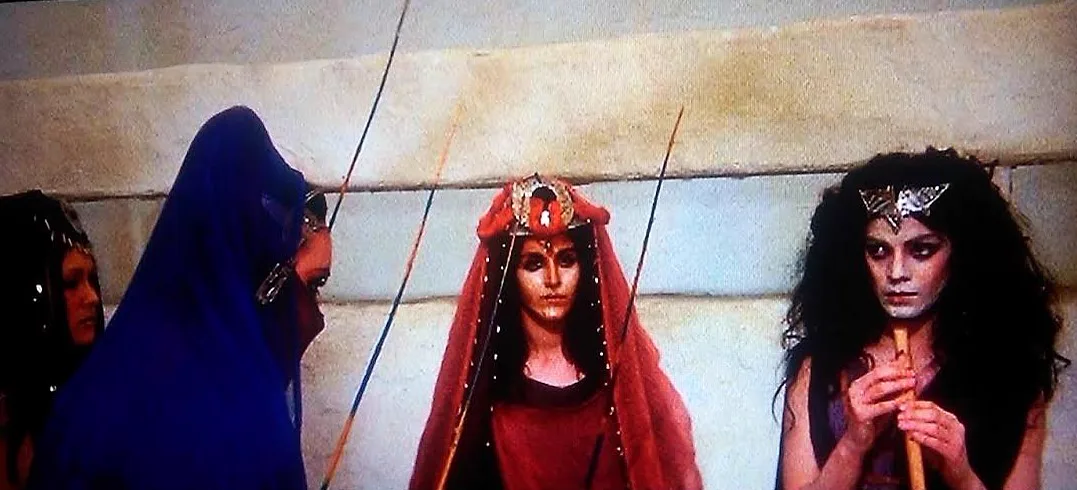
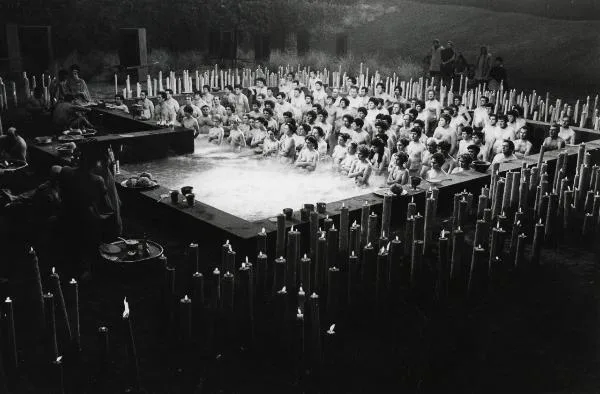
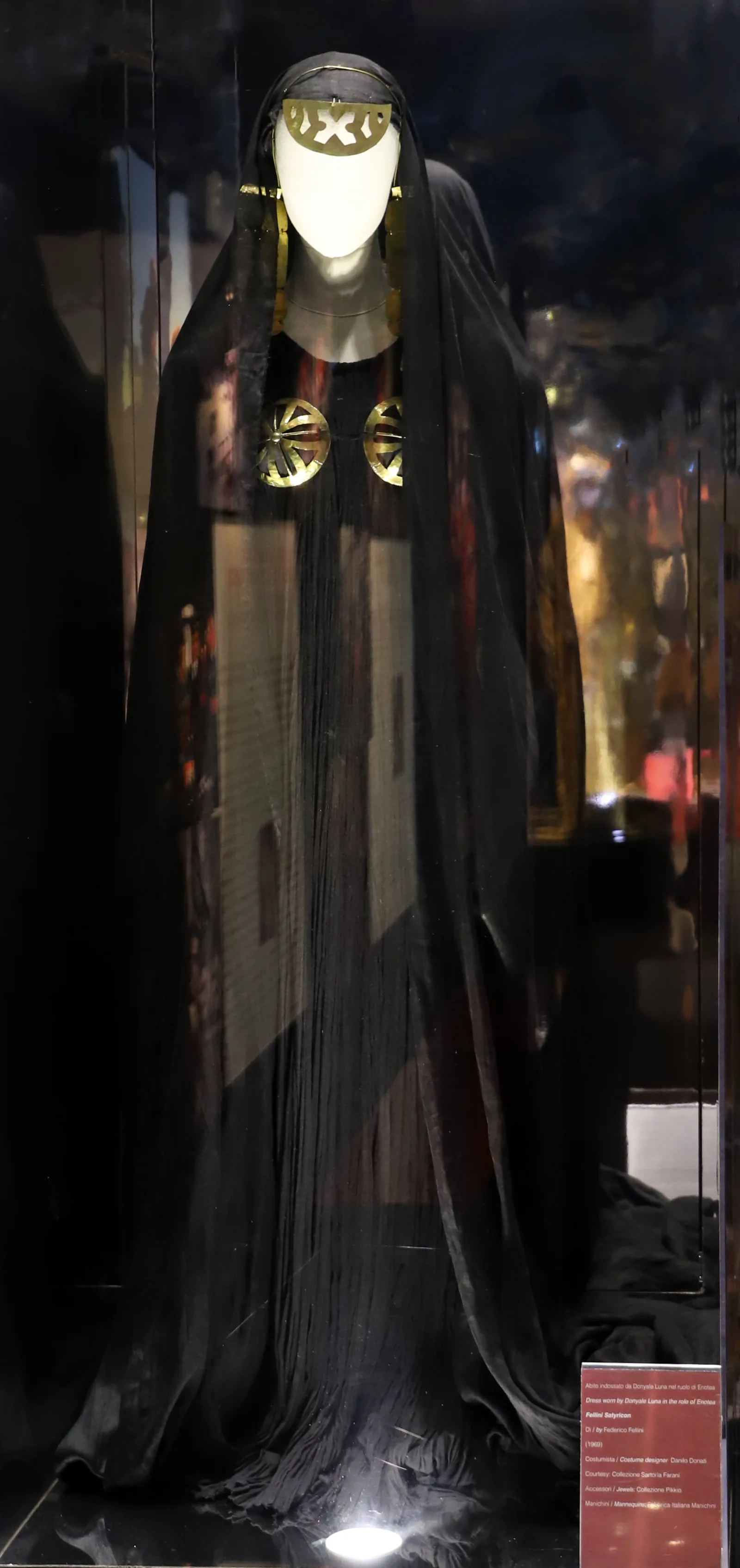
Petronius gave Fellini a broken book: episodes survive, much is missing, and the ancient world refuses to explain itself. Perfect. Fellini called his approach a kind of science fiction of the past. His Rome is not the clean marble Rome sold by textbooks; it is a sick nightclub at the end of civilisation. Bodies are painted, food sweats, faces stare back as if we are the barbarians. Luigi Scaccianoce’s environments, Danilo Donati’s costumes and Giuseppe Rotunno’s colour do not make antiquity familiar. They make it dangerous again.
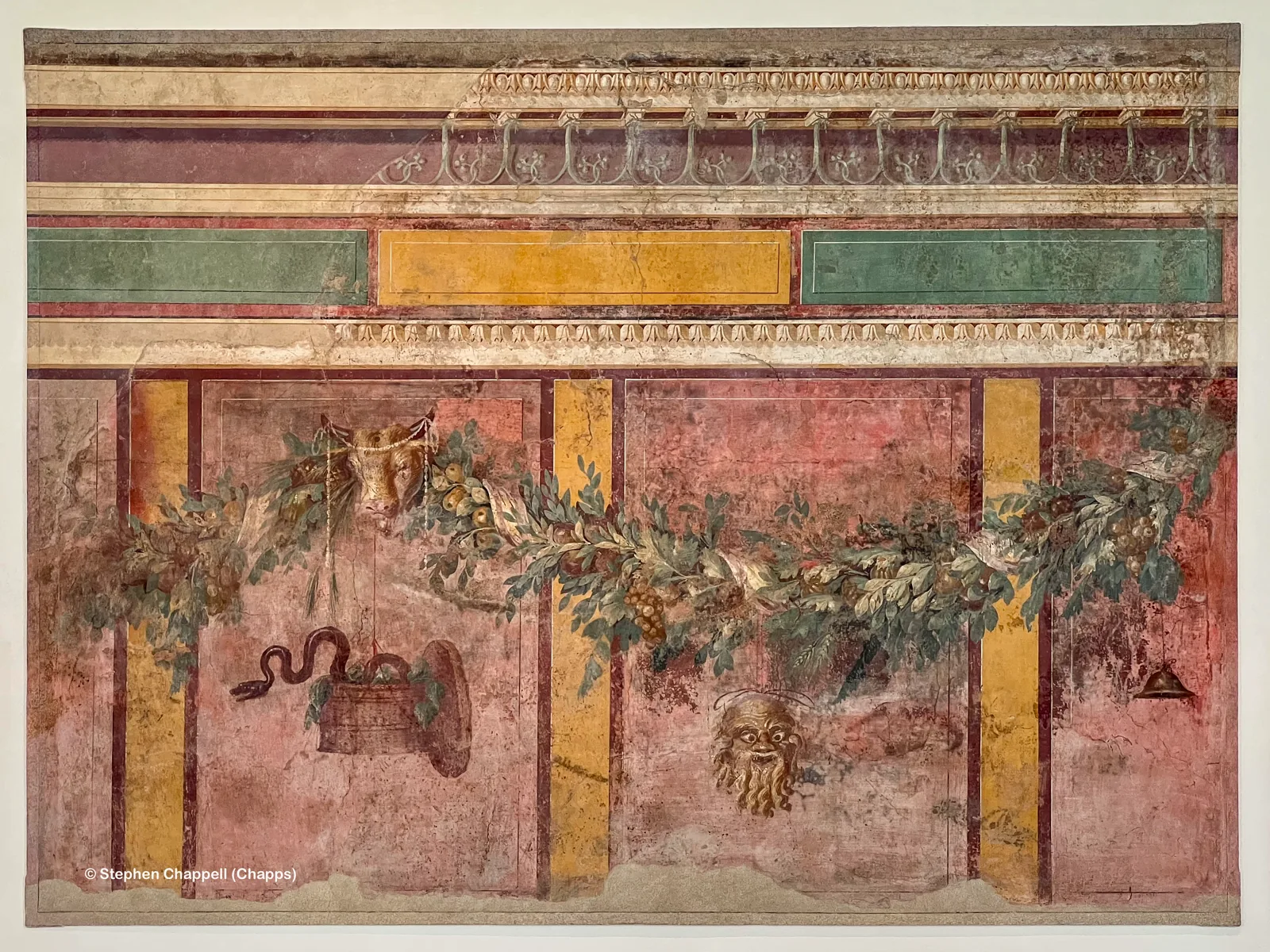
That ancient Rome did not crawl out of nowhere. Fellini’s visual archaeology fed on the Vesuvian cities—Pompeii and, even more insistently, Herculaneum—on their painted rooms, graffiti, broken architecture and indecently intimate evidence of daily life. The film finally turns its own characters into fragments of a ruined fresco in Pompeian colours, as though the hallucination had survived underground for two thousand years.
But he did not photocopy archaeology. He chewed it up. Pompeian red, framed figures, theatrical walls and buried interiors became raw material for a world that felt excavated and completely invented at the same time. That is the useful lesson for historical production: evidence is not wallpaper. It is the ignition system.
Roma: the city eats its own ghosts
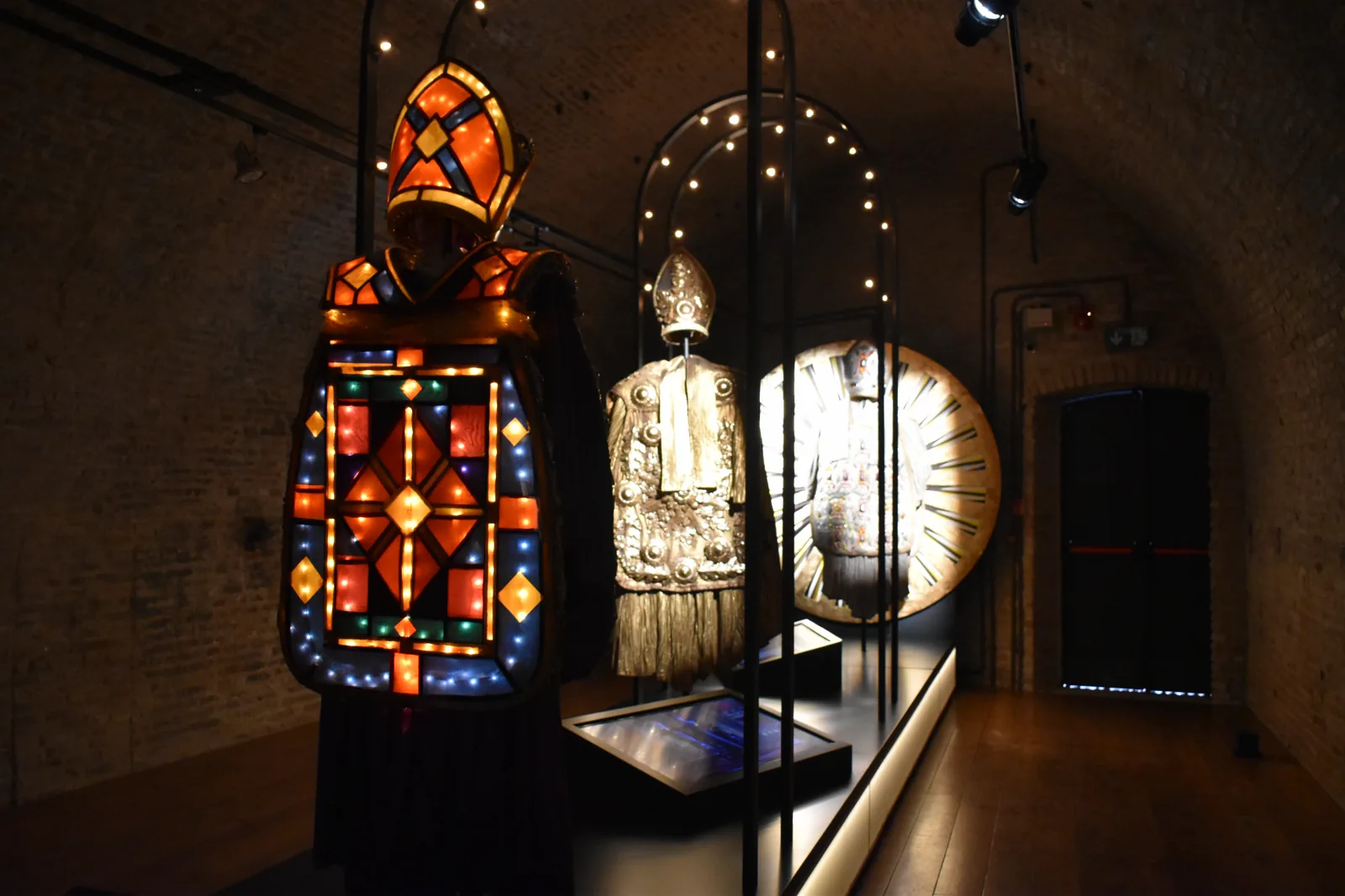
Roma begins with a boy imagining the capital through school, priests and Fascist bullshit; then the young Fellini arrives in 1939 and the city hits him like a truck. The film keeps mutating: traffic jam, brothel, bomb shelter, archaeological excavation, ecclesiastical fashion show. Ancient frescoes appear underground and start dying as modern air touches them. That is the whole movie in one vicious trick: Rome reveals the past and destroys it in the same breath.
Amarcord: memory lies beautifully
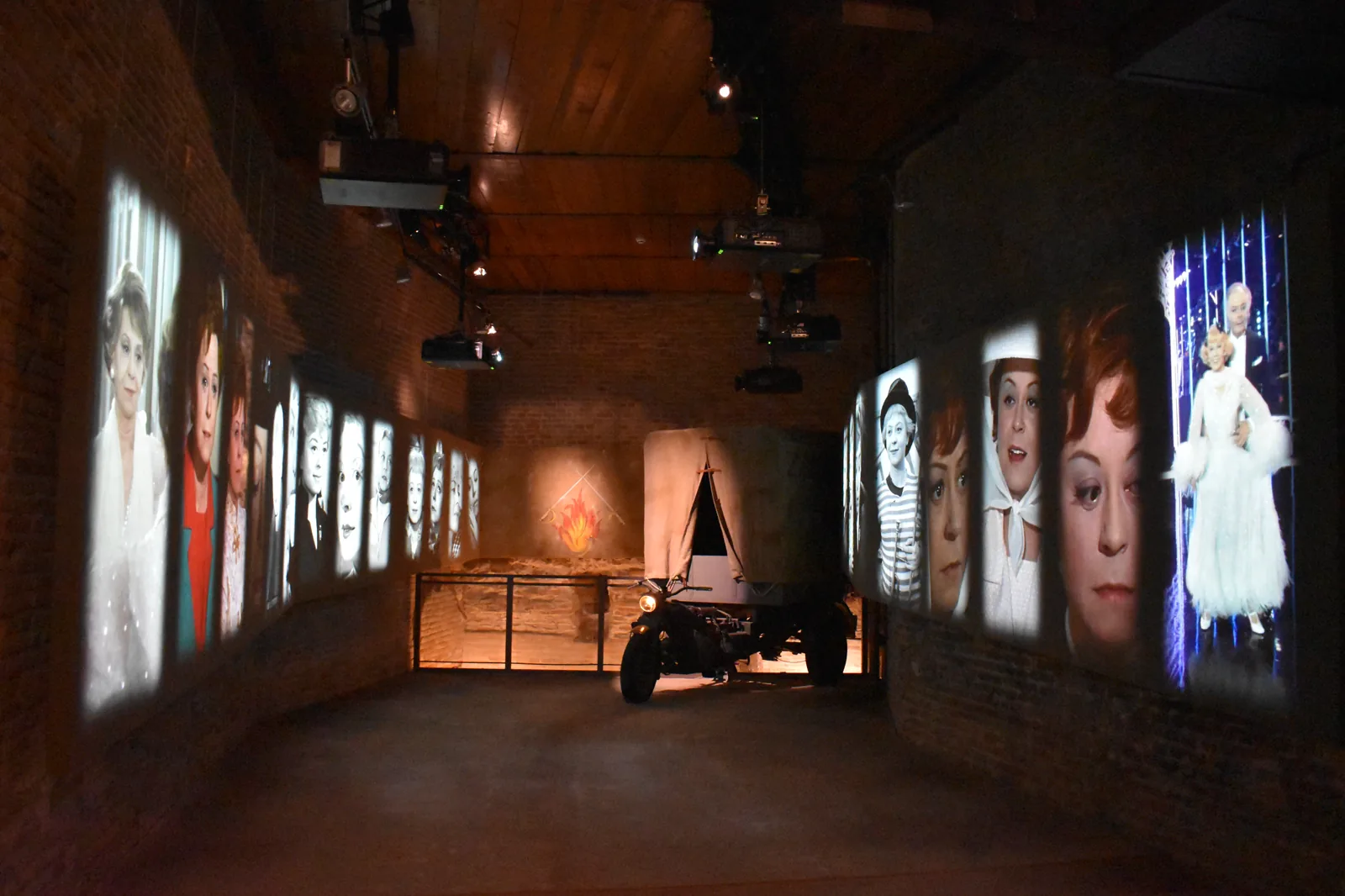
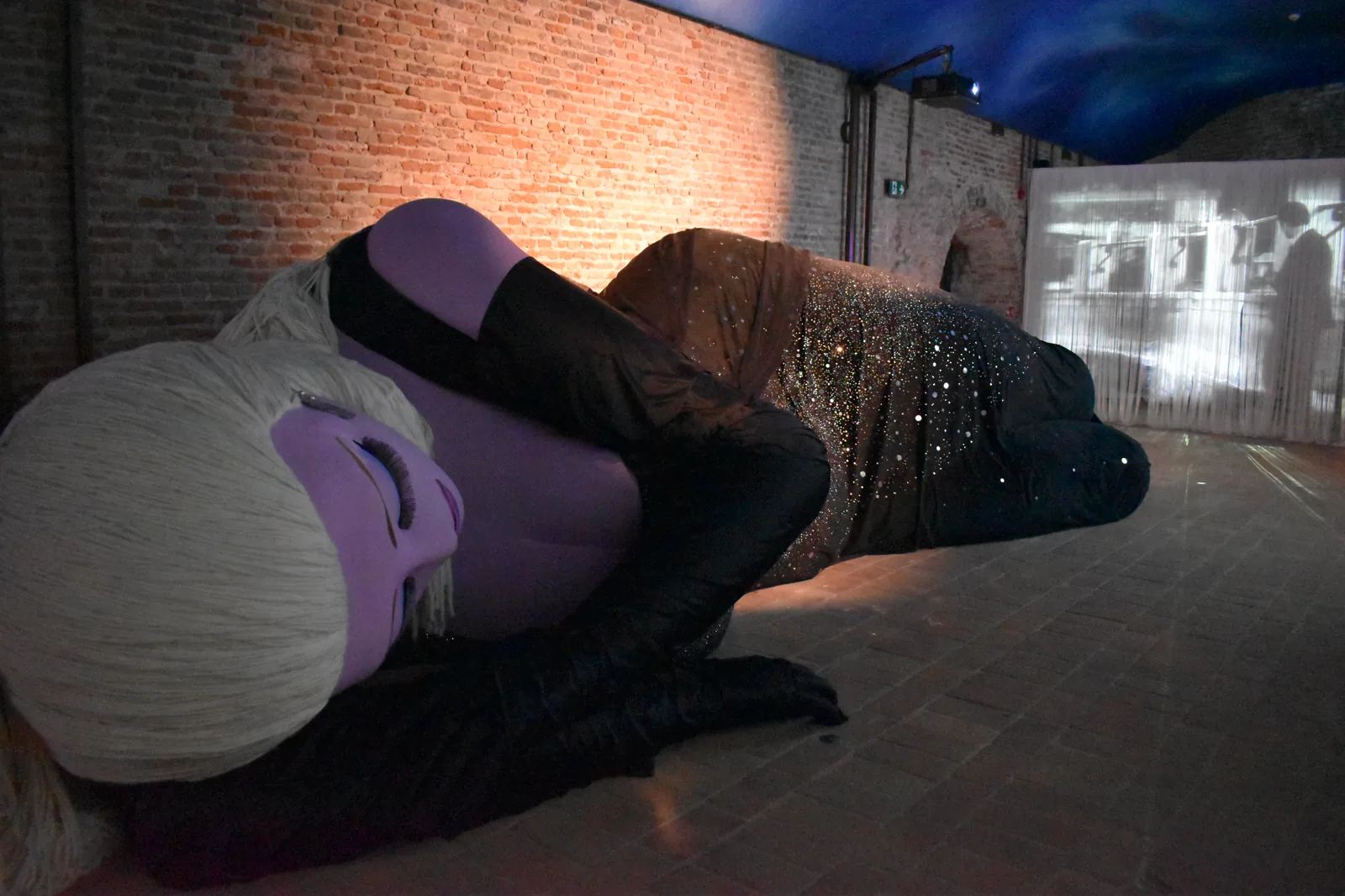
People call Amarcord autobiographical. Fellini pushed back: memory was raw material, not sworn testimony. His 1930s Rimini is rebuilt as weather, libido and political farce—spring fluff in the air, fog swallowing the streets, a peacock in the snow, Mussolini reduced to a gigantic idiot face. Then the Rex glides through the night like a cardboard god. Nobody cares whether the ship is convincing. The town believes in it. That belief is the special effect.
Casanova: sex turned into machinery
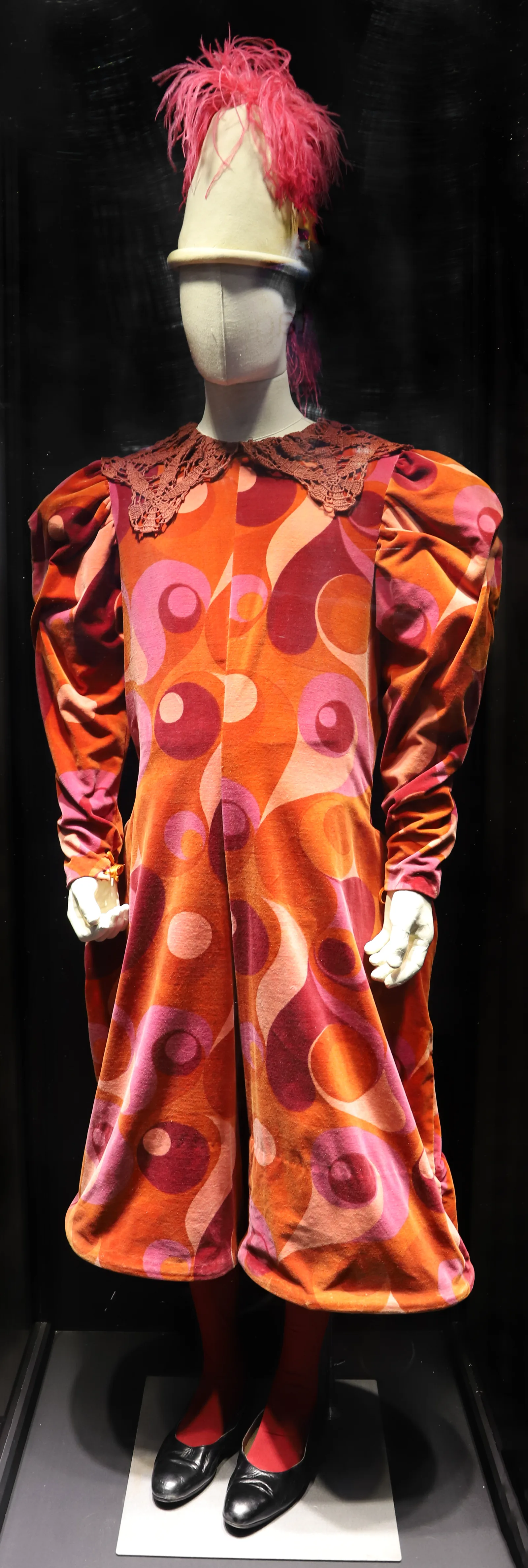
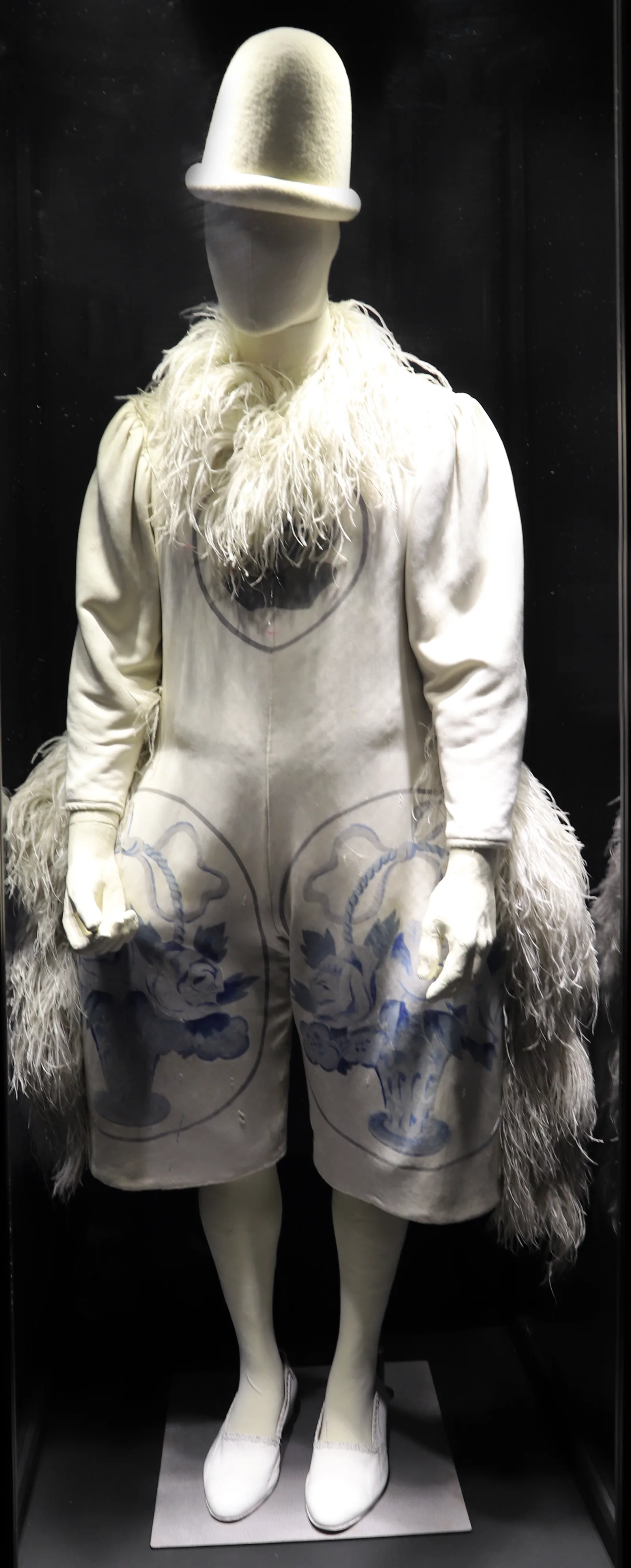
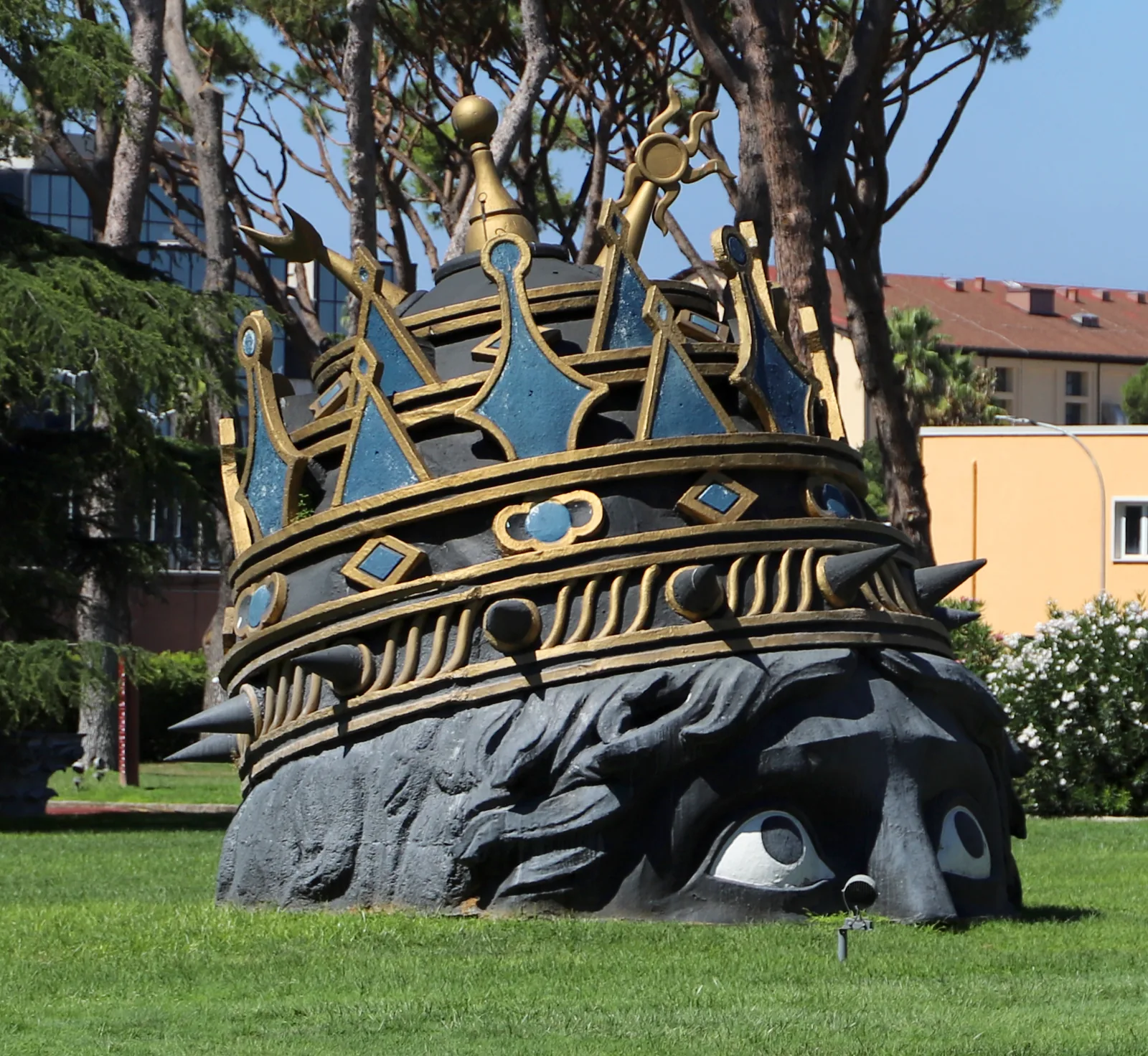
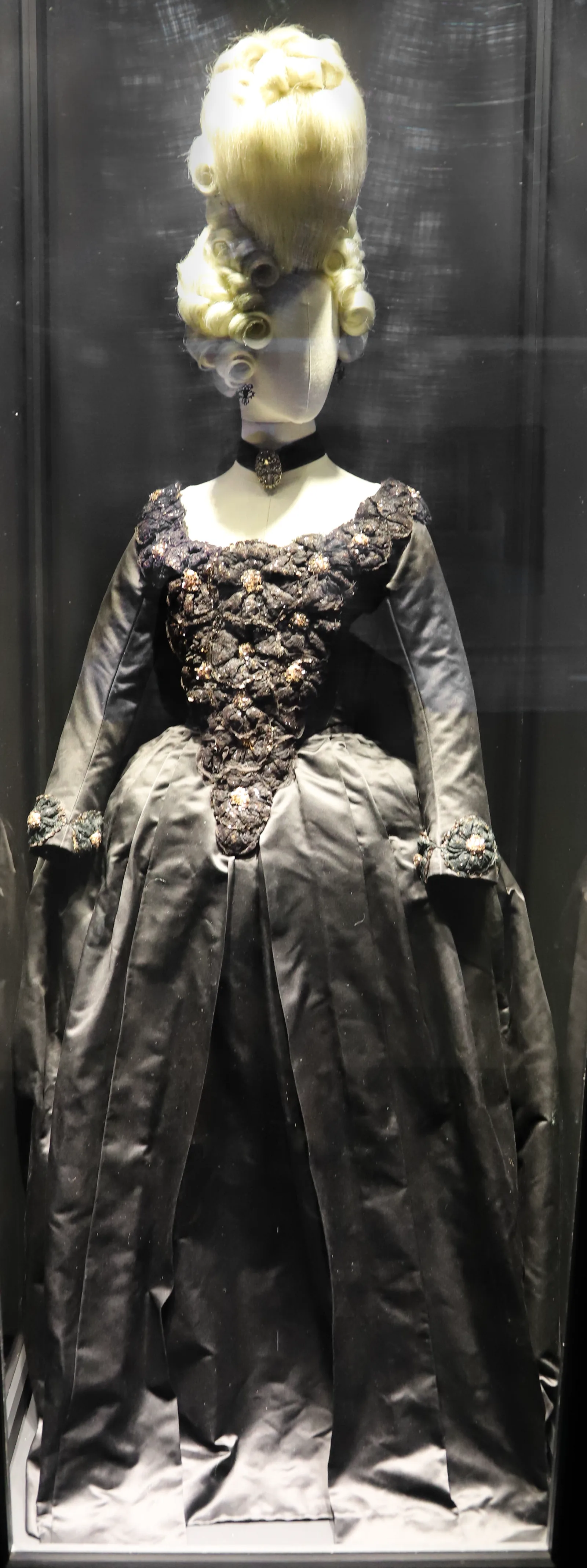
Fellini took Casanova’s memoirs and refused to make the expected seducer’s victory lap. His eighteenth century is cold, ceremonial and deeply horny in the least romantic way possible. Venice becomes a wax museum after closing time; sex becomes choreography; Casanova becomes an exhausted mechanism repeating the same number. Danilo Donati’s costumes are outrageous cages of silk, powder and ego. Even the surviving Venusia prop looks like some pagan machine washed ashore after the party died.
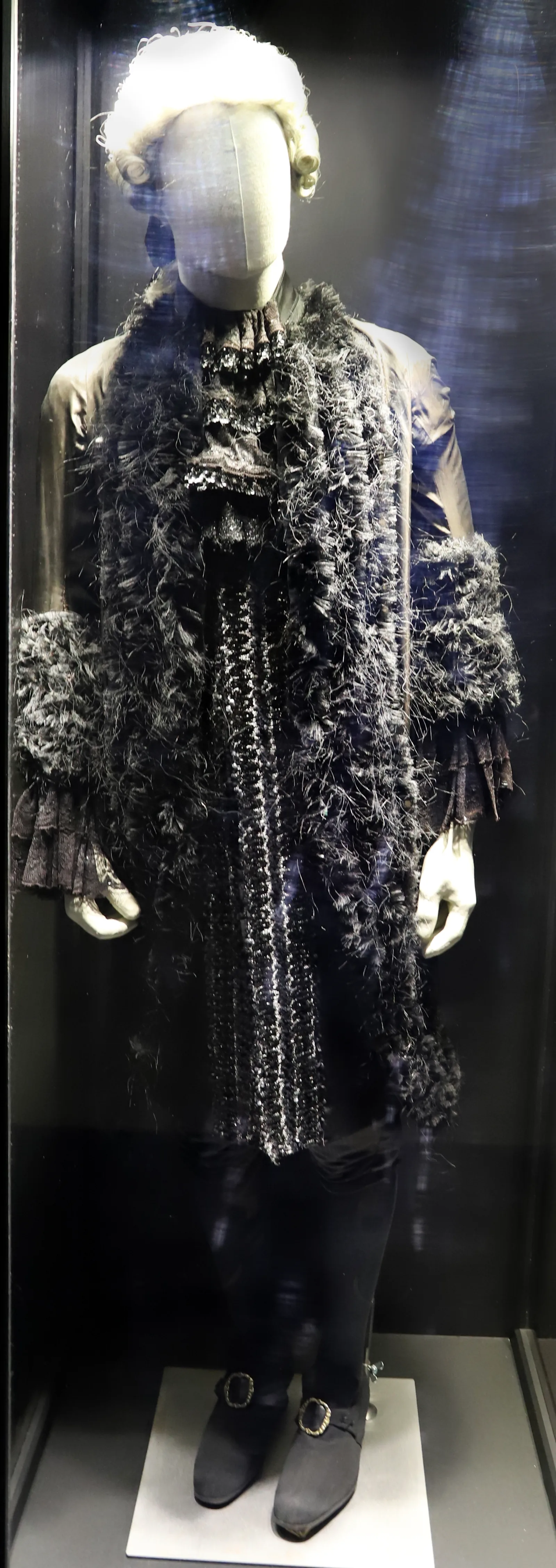
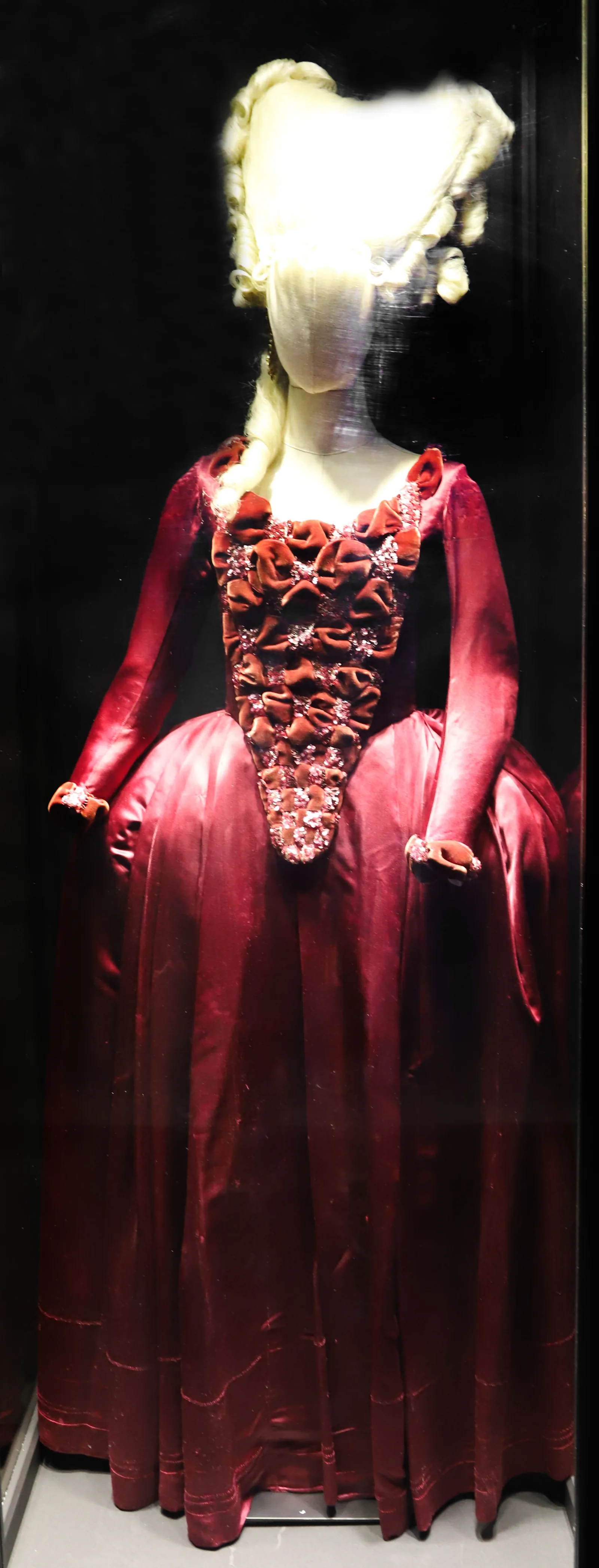
The fuel: cartoons, circus, dreams—and a killer crew
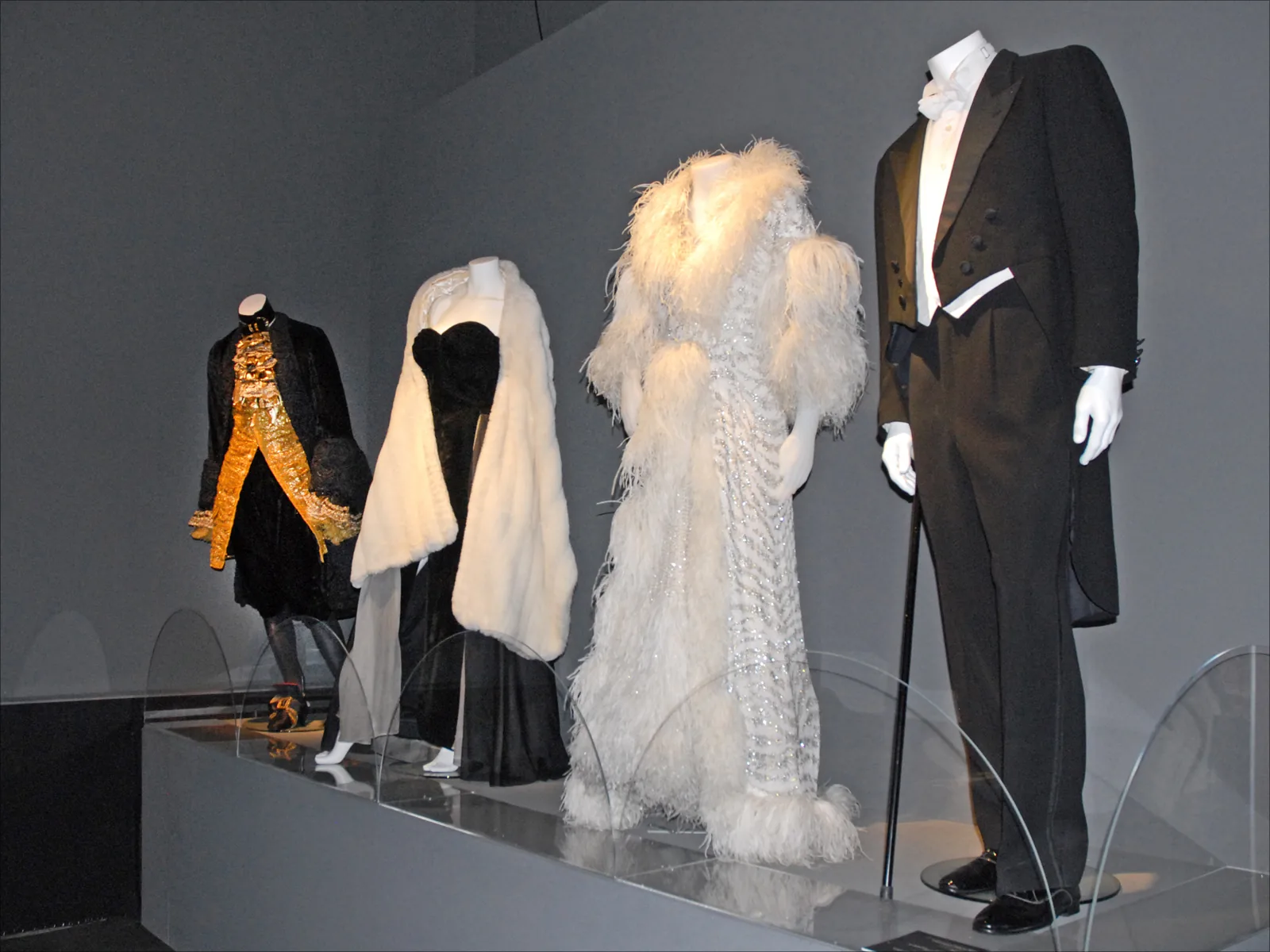
Before cinema, Fellini drew caricatures and worked in satirical publishing. He loved the circus, popular spectacle and the beautiful vulgarity of things respectable culture tried to hide. He also drew his dreams, feeding anxieties, bodies and impossible architecture back into the films. But the myth of the lone magician is lazy. Donati, Scaccianoce, Rotunno, Nino Rota, Piero Gherardi, Dante Ferretti and armies of painters, cutters, carpenters, sculptors, dressers and performers made the hallucination physical. Fellini supplied the fever. The crew built somewhere for it to live.
Evidence sets the boundaries. Production gives the encounter its life.
Selected sources and further reading
- Fellini Museum — Fellini Satyricon
- Fellini Museum — Roma
- Fellini Museum — Amarcord
- Fellini Museum — Il Casanova di Federico Fellini
- Fellini Museum — Federico Fellini biography
- BFI — The many faces of Federico Fellini
- BFI — Where to begin with Federico Fellini
- University of Milan — Fellini Satyricon and the Vesuvian sites
- The New York Review of Books — Dreaming Up Petronius
- Greek Copyright Act 2121/1993 — Article 19
- EU quotation framework — Directive 2001/29/EC, Article 5(3)(d)
Editorial standard: this article distinguishes broad historical evidence from Archaeopolis production practice. Specific dates, artefacts and quotations will only be added with named sources.