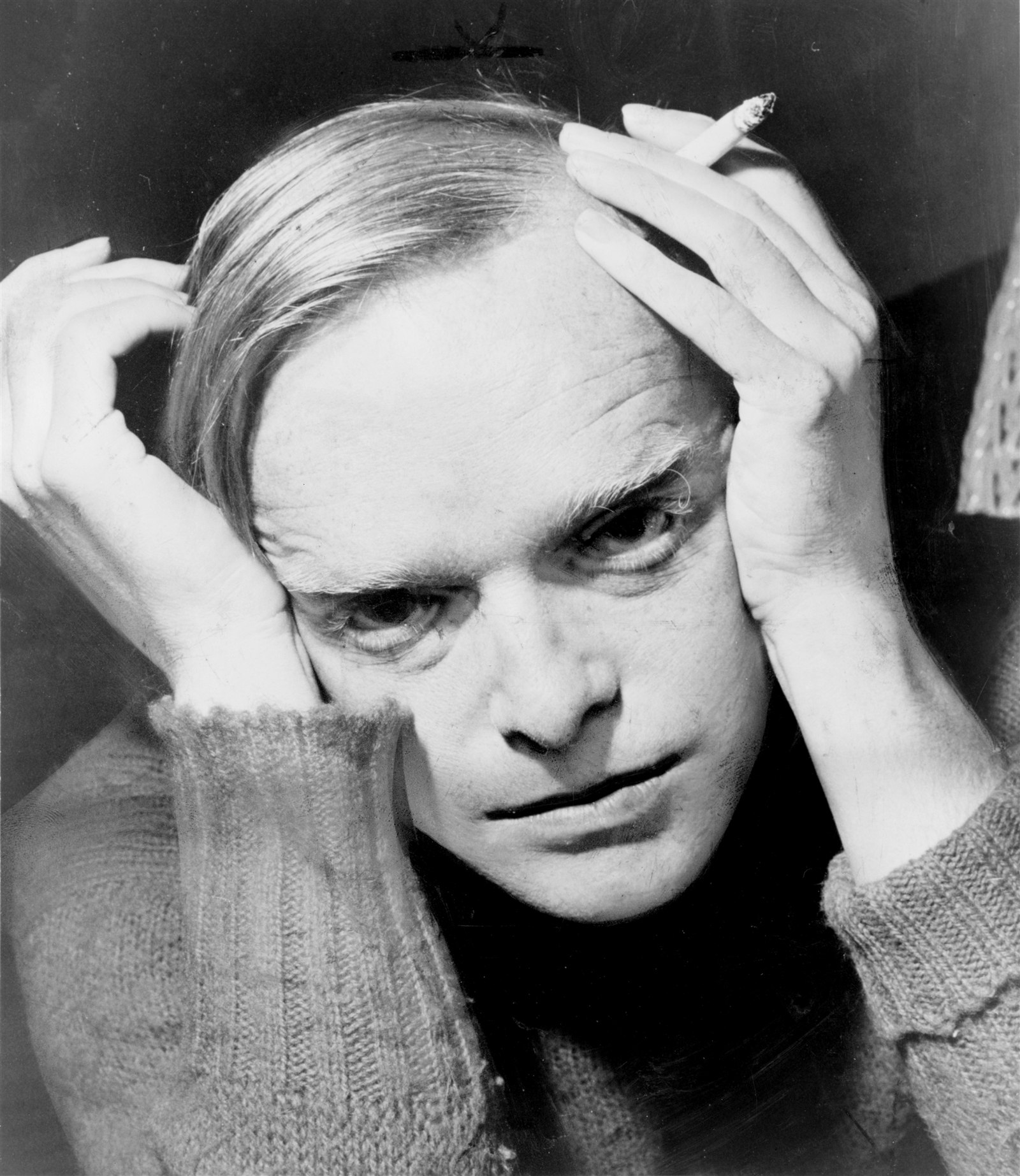
Most private parties are dead by breakfast
The flowers go into bins. The lights come down. Half the guests forget the speeches before the taxi reaches home. A successful night is not automatically a historic one.
Truman Capote’s Black and White Ball refused to die. Nearly sixty years later it still generates books, exhibitions, documentaries, television drama and arguments about whether it was the greatest private party ever staged. That question has no honest scoreboard. A royal festival, a masked ball and a three day island celebration are different animals. But the question is useful because it forces us to separate a merely expensive party from an event that enters cultural memory.
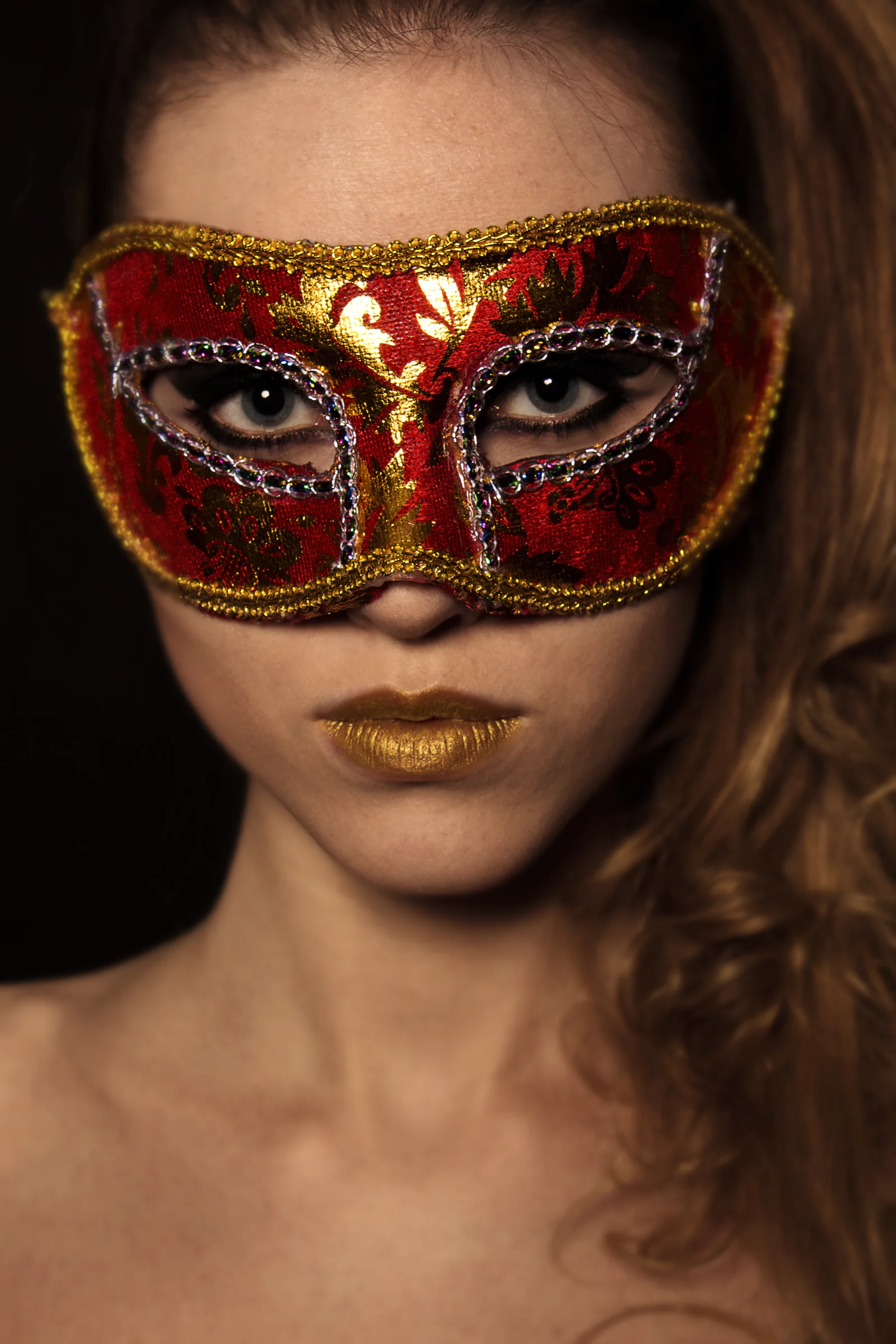
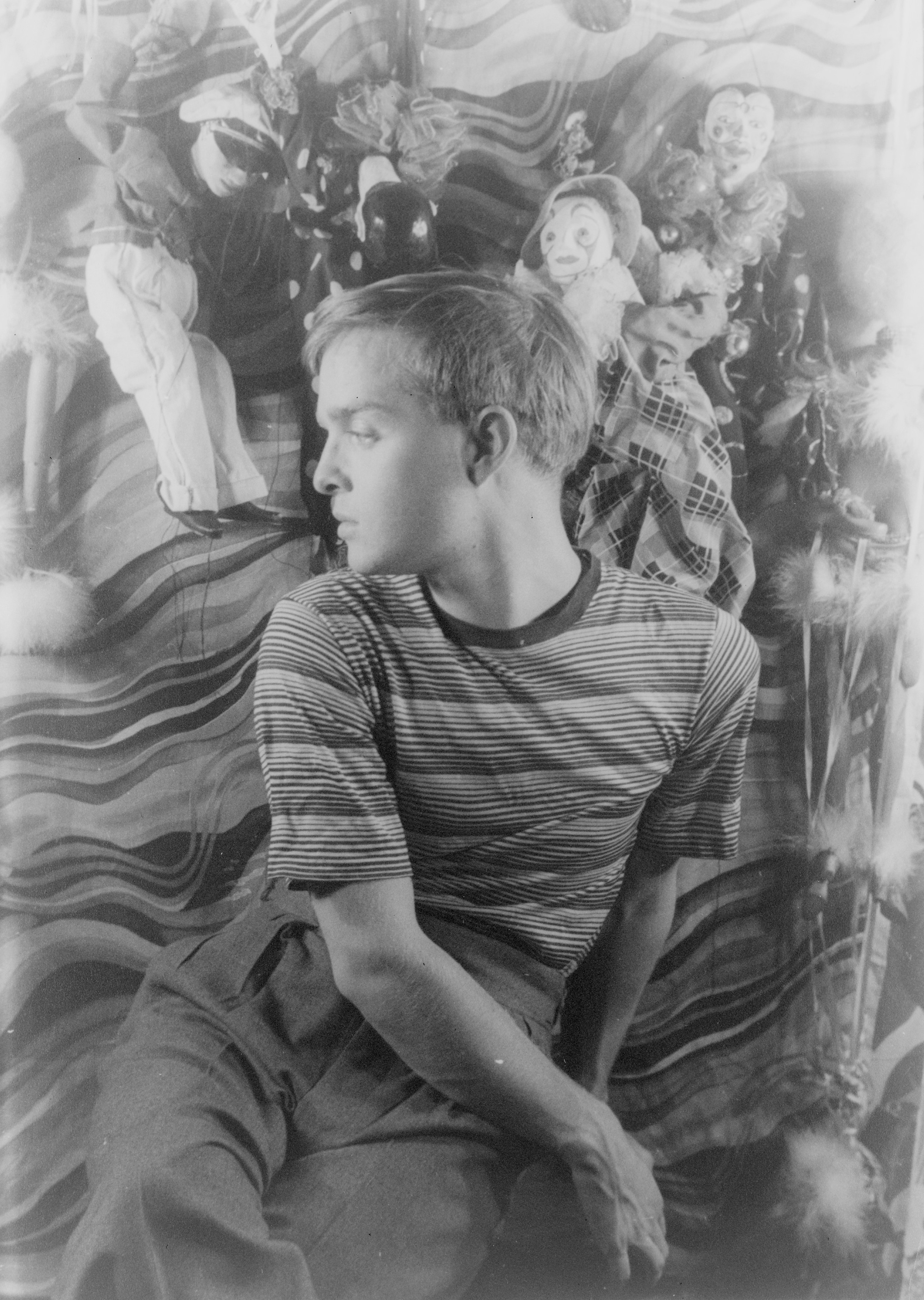
Before the ballroom, meet the man. Truman Capote was an American novelist, short story writer, screenwriter and professional social provocateur. Born in New Orleans in 1924 and raised partly in Alabama, he arrived in New York with a high voice, a sharp tongue and a talent for making himself impossible to ignore. Other Voices, Other Rooms made him famous young. Breakfast at Tiffany’s turned one of his characters into a cultural archetype. In Cold Blood, his account of the murder of the Clutter family in Kansas, made him both a literary star and a mass market celebrity.
By 1966 Capote was not simply an author invited into powerful rooms. He had become a room of his own. He moved between writers, actors, editors, politicians, European aristocracy, old American fortunes and the women he called his swans. He collected confidences, traded gossip and understood that access could be composed like prose. He was funny, dangerous, charming and capable of making intimacy feel like a privilege. That combination explains the Ball better than any flower budget ever could.
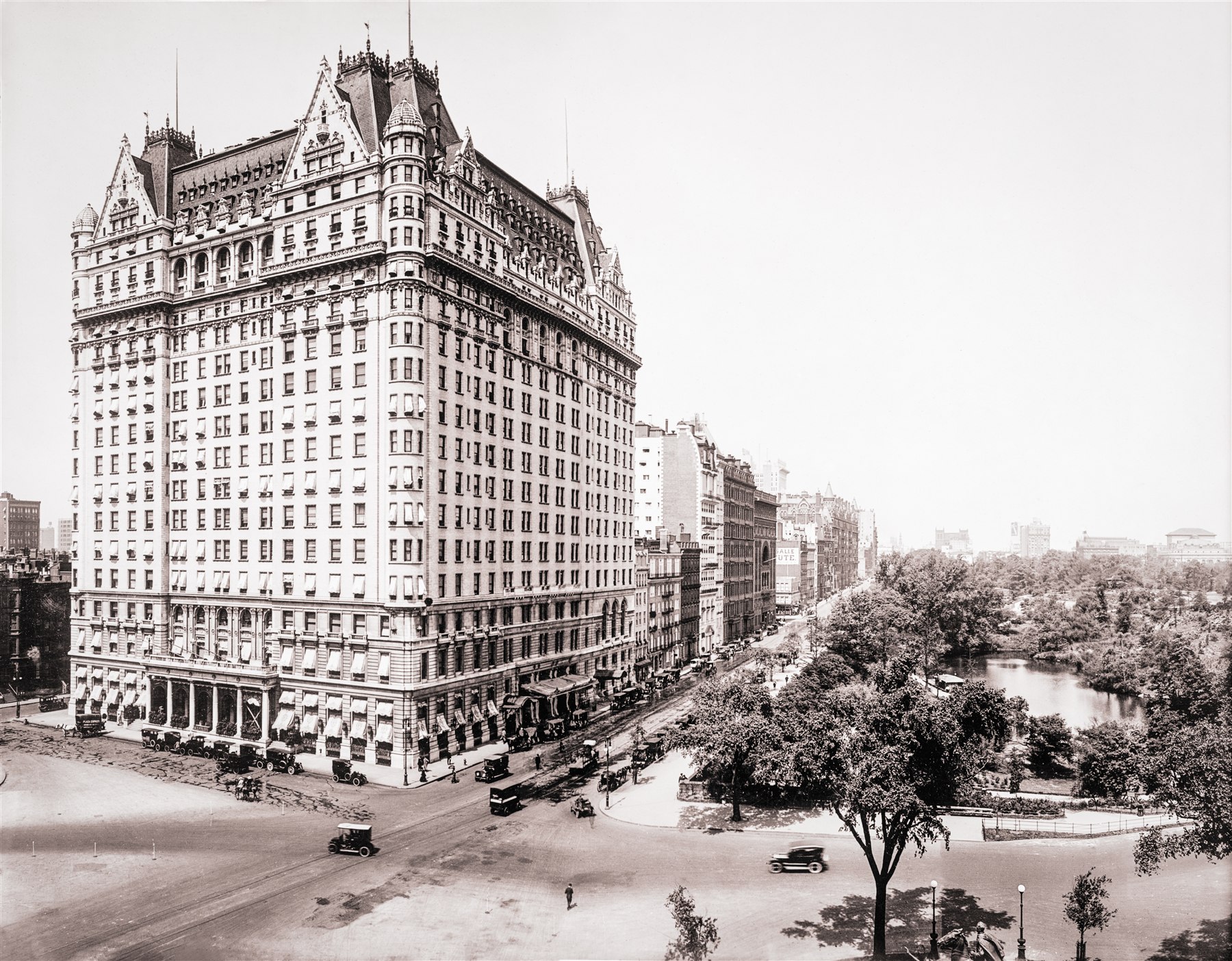
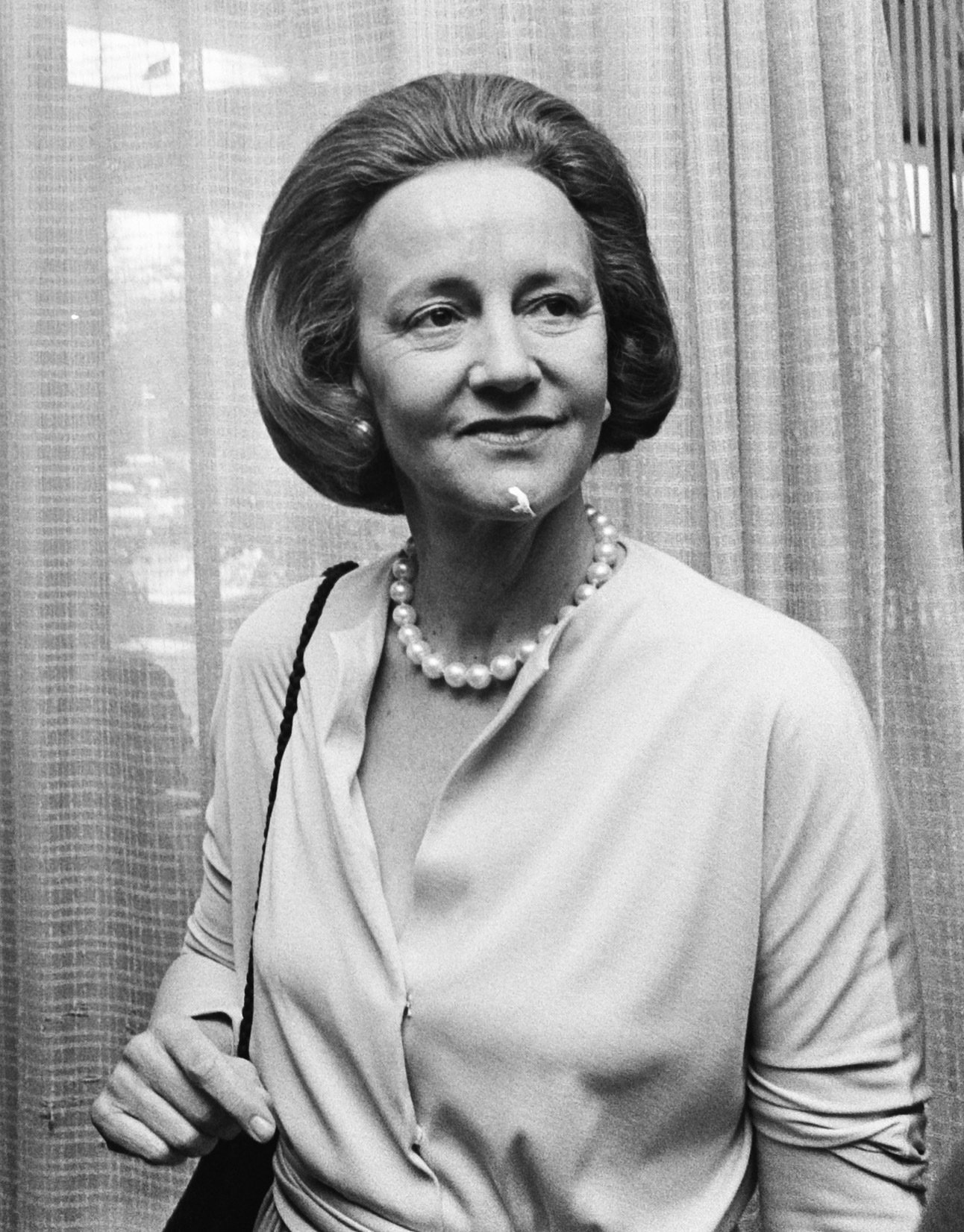
Held at New York’s Plaza Hotel on 28 November 1966 in honour of publisher Katharine Graham, the ball brought 540 invited guests into one brutally clear black and white world. The Museum of the City of New York preserves material from the occasion, while the Plaza still calls it the Party of the Century. That title is marketing. The afterlife is real.
Before the masks, there was an FBI file
Here is the part that gives the story a darker edge. Capote was not proven to be working for an intelligence service. The documented story runs the other way. American agencies were collecting material about him.
The FBI Vault now publishes two parts of a Truman Capote file. Writing in The New Yorker in 1987 after obtaining censored records, Herbert Mitgang reported that the FBI dossier ran to 185 pages, of which 110 had been released to him. He also reported that the CIA held one document on Capote and refused to release it.
The FBI told Mitgang that Capote had never been the subject of an FBI investigation. Yet one censored document carried a SECRET stamp and discussed whether someone’s activities warranted placement on the Security Index. The name in the crucial line was blacked out, so it cannot honestly be claimed that Capote himself was placed on that index.
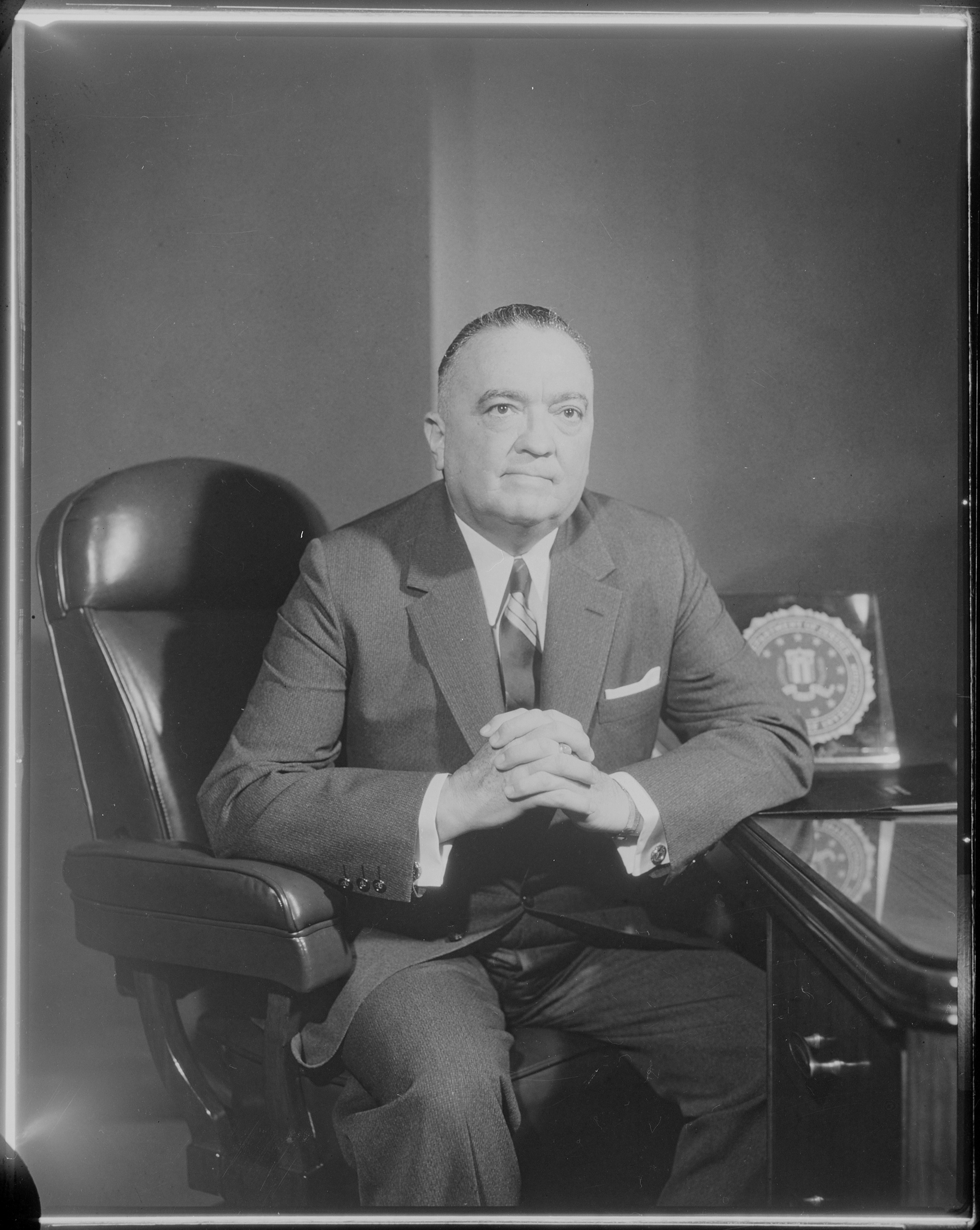
What is clear is that his name appeared in a 1960 FBI memorandum concerning the Fair Play for Cuba Committee, alongside writers and intellectuals including Jean Paul Sartre, Simone de Beauvoir, Norman Mailer and James Baldwin. A confidential document described Capote as supporting the Cuban revolution. A later file entry from 1968 recorded information he gave about the whereabouts of an acquaintance, but the surrounding names and details were censored.
So the clean version is this. Capote was connected to the machinery of Cold War surveillance because the machinery had noticed him, his associations and his political gestures. There is no solid evidence in the released material that he was an agent or collaborator. The file matters because it shows the strange climate around a man who could fill the Plaza with power while government files quietly filled with his name.
Capote did not plan a party. He planted a social bomb
The ball arrived when Capote was at the height of his public power after In Cold Blood. He had celebrity, access and a sharp instinct for attention. Instead of spending that capital quietly, he compressed it into one night.
The weapon was not money alone. It was control. Who was in? Who was out? What would they wear? What would the room look like? When would the masks come off? Every answer tightened the story. Long before anyone entered the Plaza, New York society was already performing the event through rumour, anxiety and desire.
That is the uncomfortable genius of the ball: the production began in people’s heads. Capote understood that anticipation is not publicity wrapped around an event. Properly handled, it is the event’s first act.
The whole concept fit on the back of a matchbook
Black or white. Formal dress. A mask. Take it off at midnight.
That was the architecture. No swollen creative manifesto. No ballroom fighting with six different supplier aesthetics. The visual rule was immediate, severe and easy to repeat. Historical accounts connect the palette to the Ascot sequence in My Fair Lady. The mask supplied the behaviour; midnight supplied the turn.
A powerful event idea should survive being reduced to one sentence. If the concept needs a twenty slide deck before a guest can feel it, it is probably decoration wearing strategy’s clothes.
The invitation was the first scene
Capote worked and reworked the guest list while newspapers speculated about it. An invitation became a passport; its absence became a public wound. The room eventually mixed politics, literature, fashion, film, old money and people from Capote’s own life.
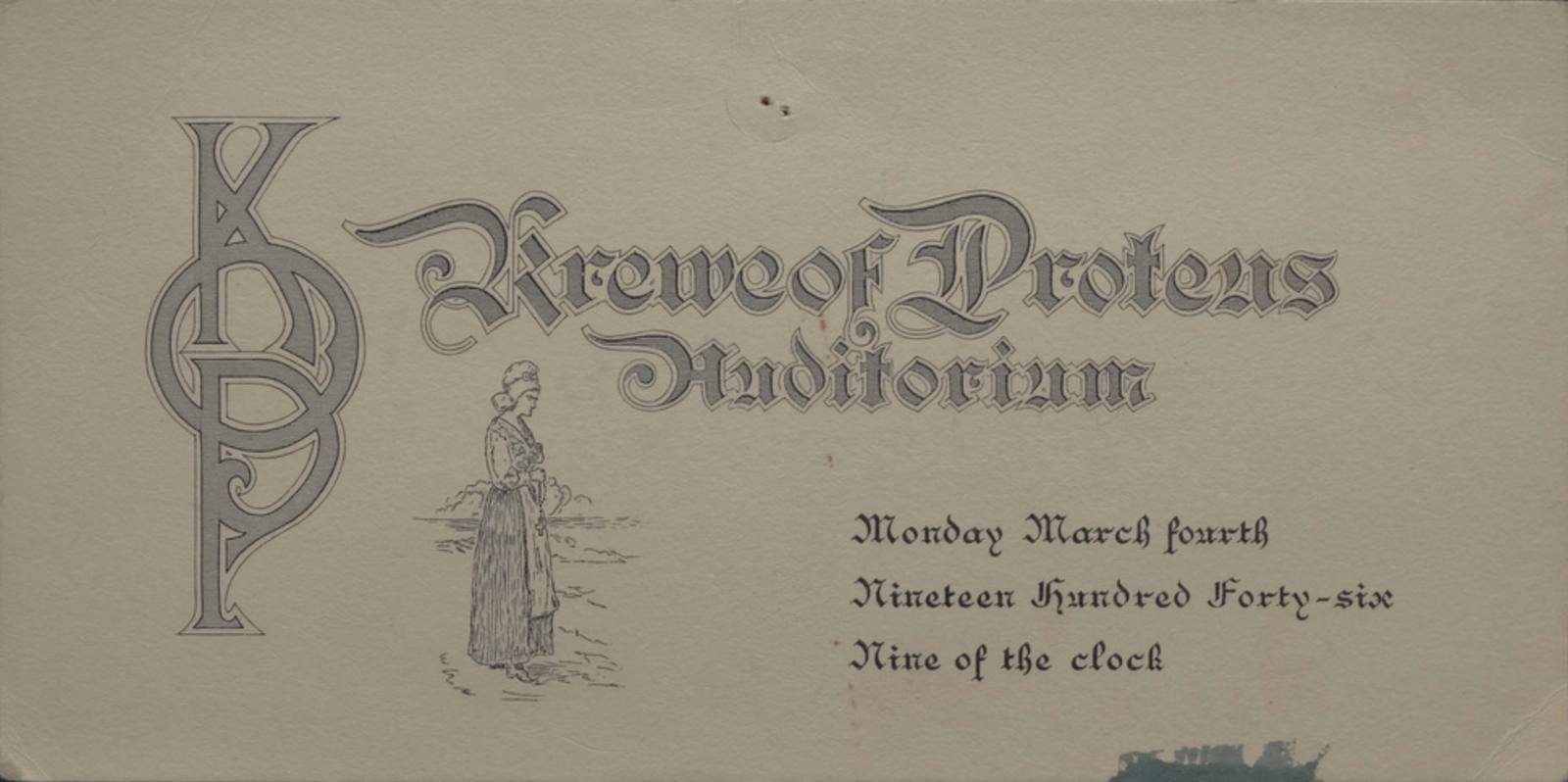
This was ruthless social choreography, and there is a line modern hosts should not cross. Deliberately humiliating the uninvited is cheap theatre. But the useful principle remains: an invitation should establish why this exact group is gathering, what world they are entering and what will be asked of them.
A PDF with a dress code is administration. A proper invitation starts a story.
The mask did the work that technology now tries to buy
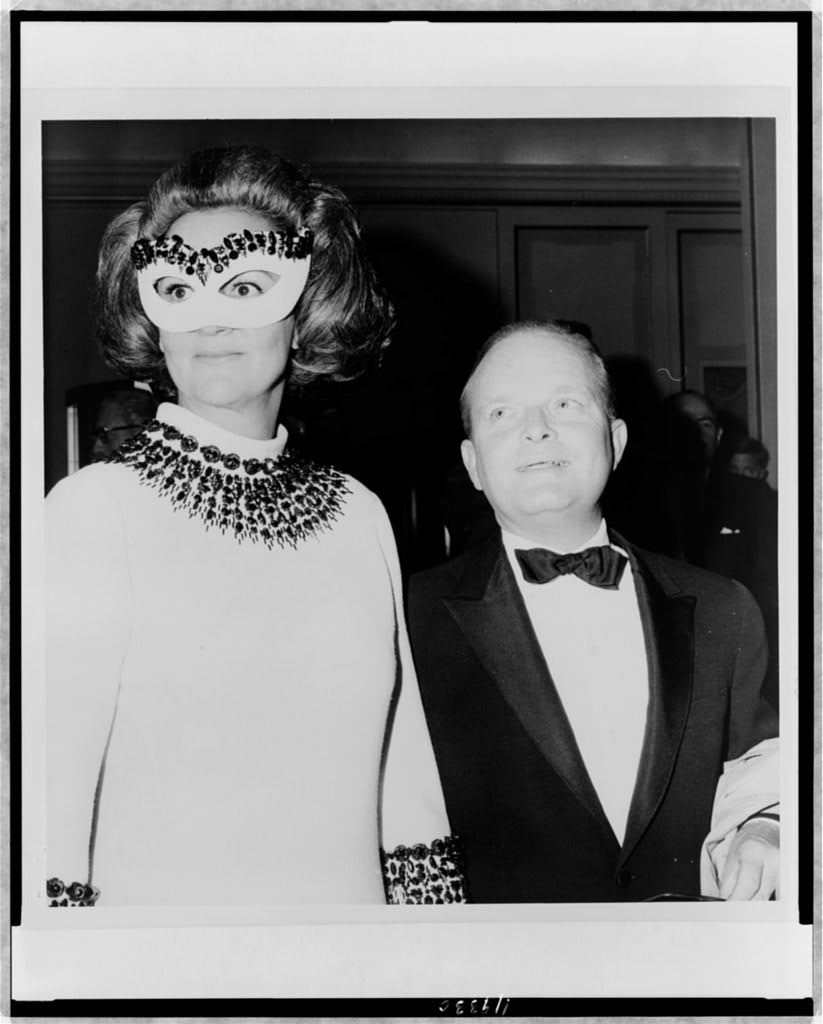
A mask changes posture, eye contact, movement and conversation. At Capote’s ball, hundreds of famous, recognisable and powerful people had to submit to the same temporary fiction. Even Capote’s own mask was famously modest: accounts describe a cheap black domino bought from F.A.O. Schwarz while other guests commissioned elaborate creations.
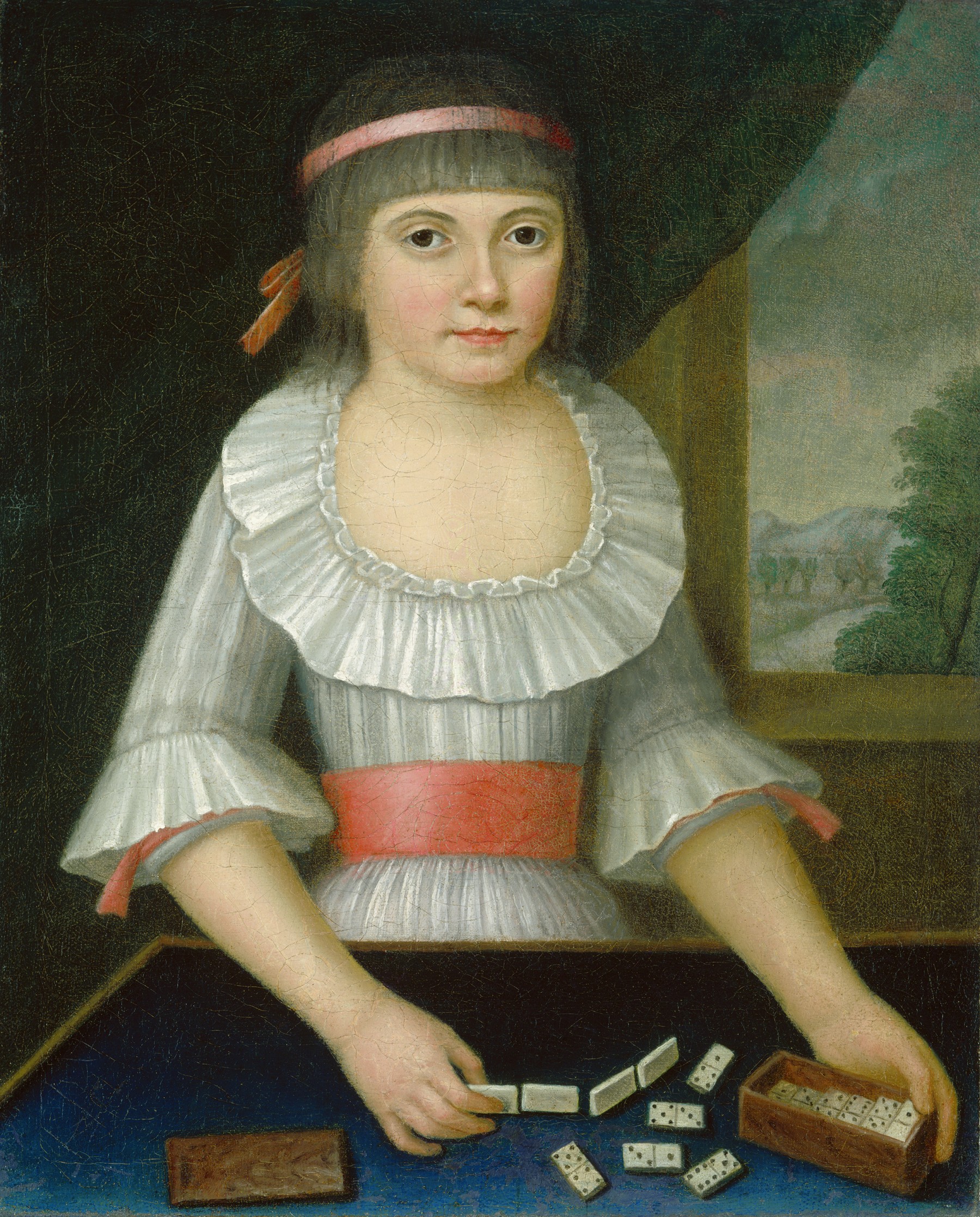
This is immersive event design stripped to the bone: one object, one behaviour, one timed transformation. No projection mapping was needed. The guests carried the central visual device on their faces.
Today the trigger might be a garment, a procession, a shared toast, a reconstructed object, a piece of music or a ritualised arrival. The object is never the point. The change in behaviour is.
Visual discipline beat decorative panic
The Black and White Ball is remembered as lavish, yet its strongest visual move was restriction. Two colours unified the ballroom, clothes, masks and press photographs. Guests could compete wildly inside the rule without breaking the world.
This is where many luxury events get mugged by their own budget. More flowers, more screens, more lighting effects and another act do not create a stronger experience. When every supplier presents a separate big idea, the room becomes an expensive catalogue. Luxury is not the number of things you can afford. It is the confidence to remove what does not belong.
The guest list was a map of power, fame and beautiful trouble
Capote did not simply stack the room with famous names. He engineered collisions between groups that normally occupied different planets.
From film and theatre came Lauren Bacall, Tallulah Bankhead, Candice Bergen, Henry Fonda, Joan Fontaine, Claudette Colbert and Mia Farrow. Frank Sinatra arrived with Farrow and brought the temperature of the lobby up before he even reached the ballroom. Johnny Carson, producer and director figures, and choreographer Jerome Robbins added another layer of entertainment power.
The writers and artists included Norman Mailer, Ralph Ellison, Tennessee Williams, James Baldwin, Marianne Moore and Andy Warhol. From politics and public life came Rose Kennedy, presidential daughter Lynda Bird Johnson, historian and Kennedy adviser Arthur Schlesinger Jr, and former national security adviser McGeorge Bundy. Katharine Graham, president of the Washington Post Company and the evening’s guest of honour, stood at the centre of that political and publishing world.
Six faces from Capote’s impossible room

.jpg)
.jpg)

_(LOC)_-_Flickr_-_The_Library_of_Congress.jpg)

Then came the society dynasties and international names. Babe and William Paley, Gloria Vanderbilt and Wyatt Cooper, Lee Radziwill, Brooke Astor, C Z Guest, Gloria Guinness, Marella Agnelli, the Duke and Duchess of Windsor, and the Maharaja and Maharani of Jaipur. Fashion figures included Oscar de la Renta and Bill Blass. Princess Luciana Pignatelli reportedly wore a borrowed 60 carat Harry Winston diamond.
Capote also invited people from Garden City, Kansas, whom he had met while researching In Cold Blood. Their presence mattered. It stopped the room from becoming a single polished caste and reminded everyone that Capote’s power came from moving between worlds.
This was casting, not accounting. Famous guests supplied heat, but contrast supplied movement. A sharp host thinks beyond status. Who creates energy? Who connects tribes? Who can carry a difficult table? Guests are not inventory to be seated. They are the principal cast. Chemistry matters more than a row of impressive biographies.
The kink was hiding in plain sight
Nobody needs to invent an orgy in a hotel suite to make this night sexually charged. The masks already did the work. They covered the face but advertised the body. They gave married people, politicians, actors and society royalty permission to stare, flirt and misbehave while remaining perfectly dressed. The erotic current came from controlled anonymity in a room where nearly everyone was famous enough to be recognised.
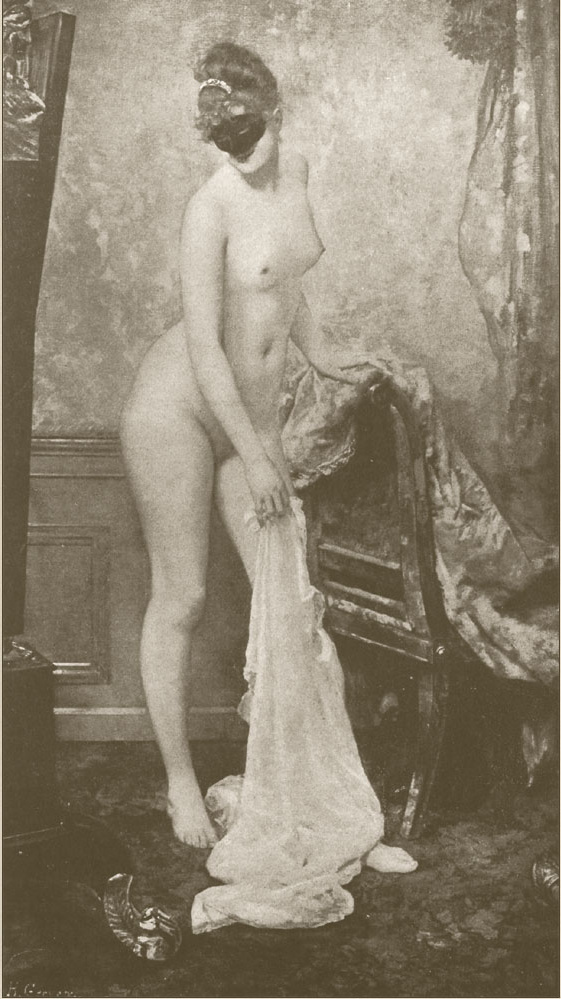
Candice Bergen arrived with a huge white mink rabbit mask, complete with tall ears, pink satin lining and a pink nose. Capote wore a black domino that reportedly cost 39 cents. Other guests treated the mask as couture, armour or provocation. A 60 carat diamond borrowed from Harry Winston appeared on Princess Luciana Pignatelli. Every disguise revealed status even while pretending to hide identity.
The room also had teeth. Norman Mailer reportedly threatened former national security adviser McGeorge Bundy over Vietnam. Lauren Bacall and choreographer Jerome Robbins ruled the dance floor. Jill Fox and George Plimpton turned economist John Kenneth Galbraith’s top hat into a football while he carried a candelabra through the room. Frank Sinatra and Mia Farrow eventually escaped through the back of the Plaza with help from Secret Service men Sinatra knew, avoiding the crush of photographers outside.
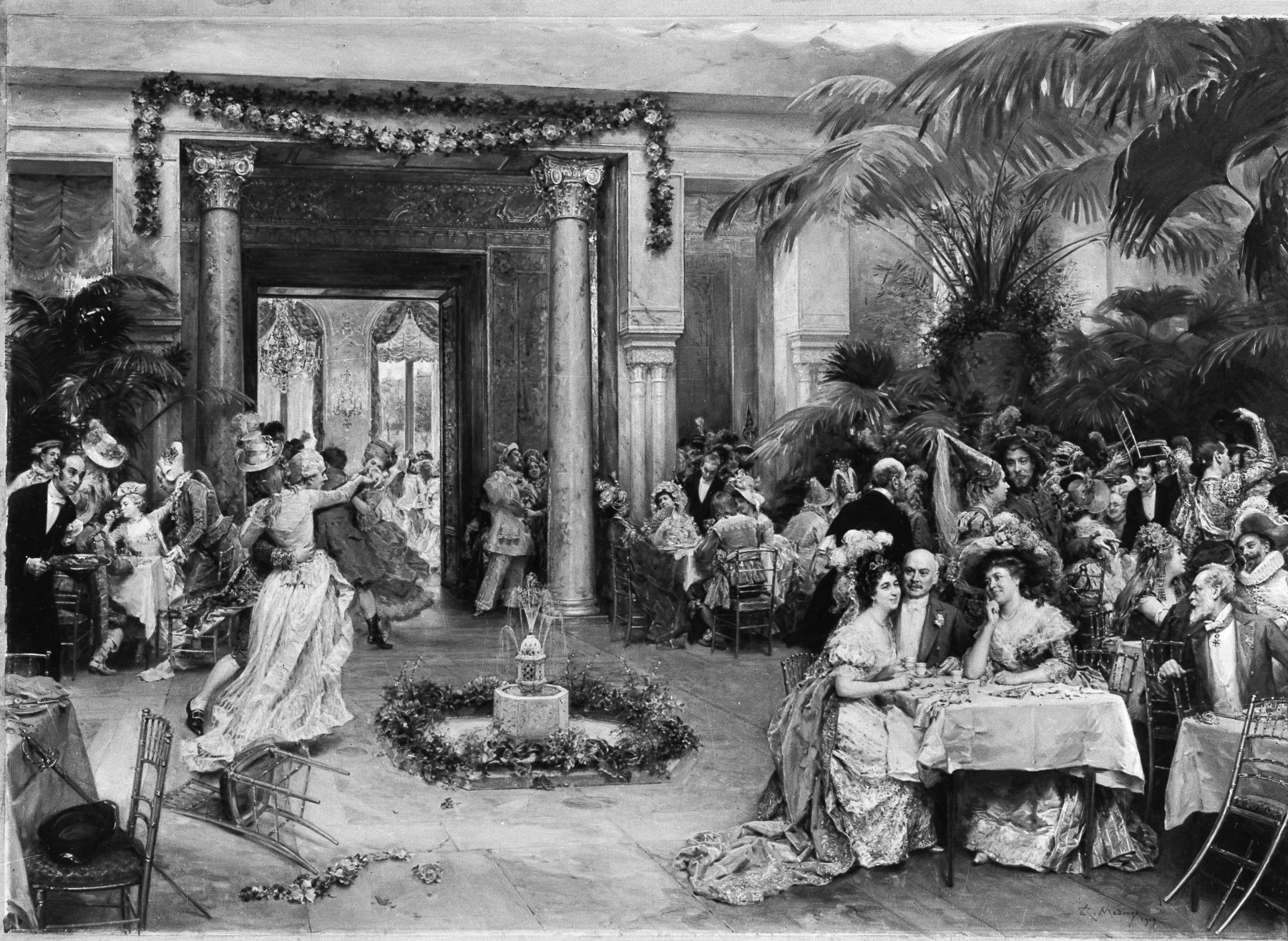
That is the genuinely kinky detail. The party placed discipline and appetite in the same cage. Everyone was formally contained, yet the masks, Champagne, gossip and proximity to power made the room feel slightly dangerous. The excitement did not come from nudity. It came from the possibility that somebody important might forget who was watching.
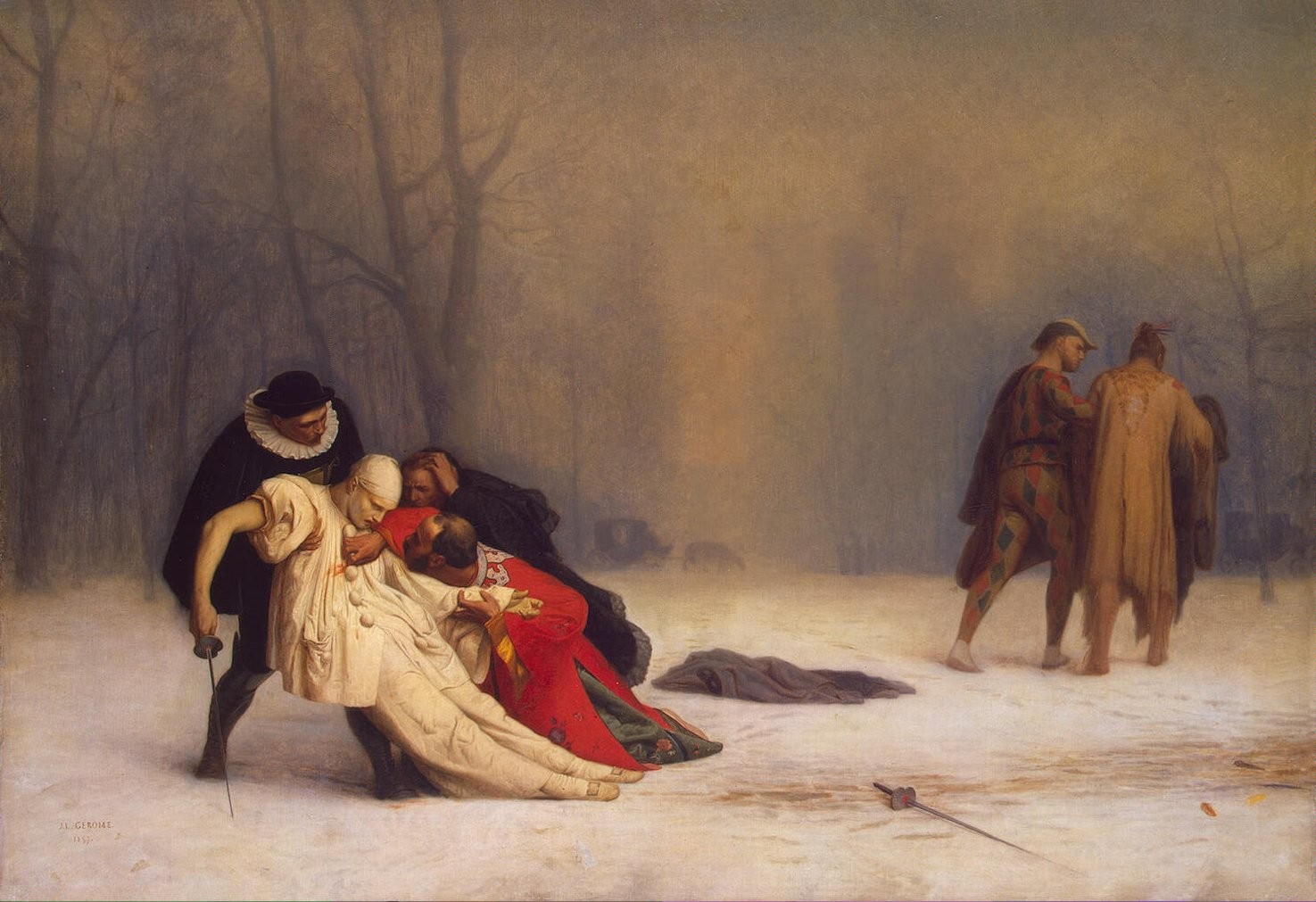
Privacy became publicity
The ball was private, but its border was spectacularly public. Photographers and reporters gathered outside the Plaza while only a tightly controlled group could cross the threshold. The result was a paradox that still drives modern cultural events: the less the public could see, the more it wanted to know.
That mechanism can still work, but only with discipline. Privacy is not an excuse to leak guests, film people without consent or turn intimacy into content bait. Decide in advance what remains inside, what may travel outside and who has the authority to publish it. Mystery creates desire; betrayal destroys trust.
The midnight buffet was rich, salty and deliberately unfashionable
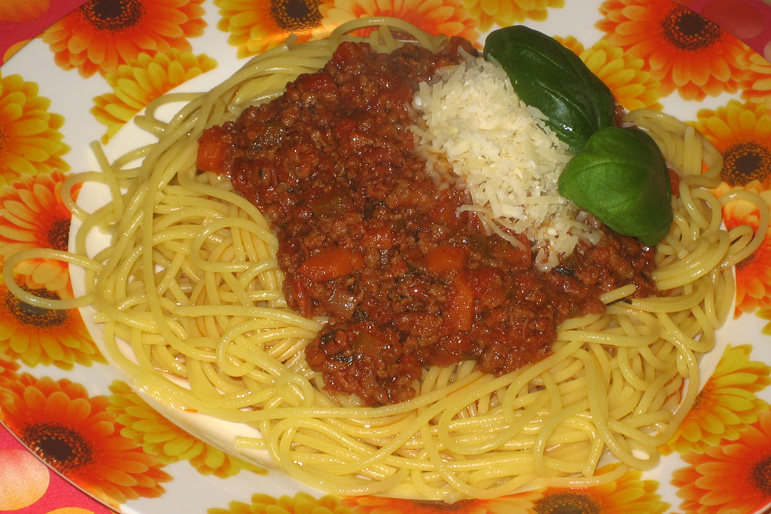
The setting was the Plaza, but Capote did not serve a parade of fragile luxury plates. At midnight the masks came off and waiters laid out food that could absorb Champagne and keep five hundred people moving. The centrepiece was the Plaza’s chicken hash, one of Capote’s favourite dishes. This was creamy, deeply savoury hotel comfort food, enriched with sherry rather than dressed up as a precious tasting course. Alongside it came spaghetti Bolognese, with other accounts listing spaghetti and meatballs, scrambled eggs, sausages, biscuits, pastries and coffee.
The drinks carried the glamour. Accounts repeatedly describe hundreds of bottles of Taittinger Champagne, with one detailed history placing the order at 450 bottles. Think cold Champagne against hot chicken hash, butter, sherry, meat sauce and pastry. It was not subtle nutrition. It was ballast for a ballroom.
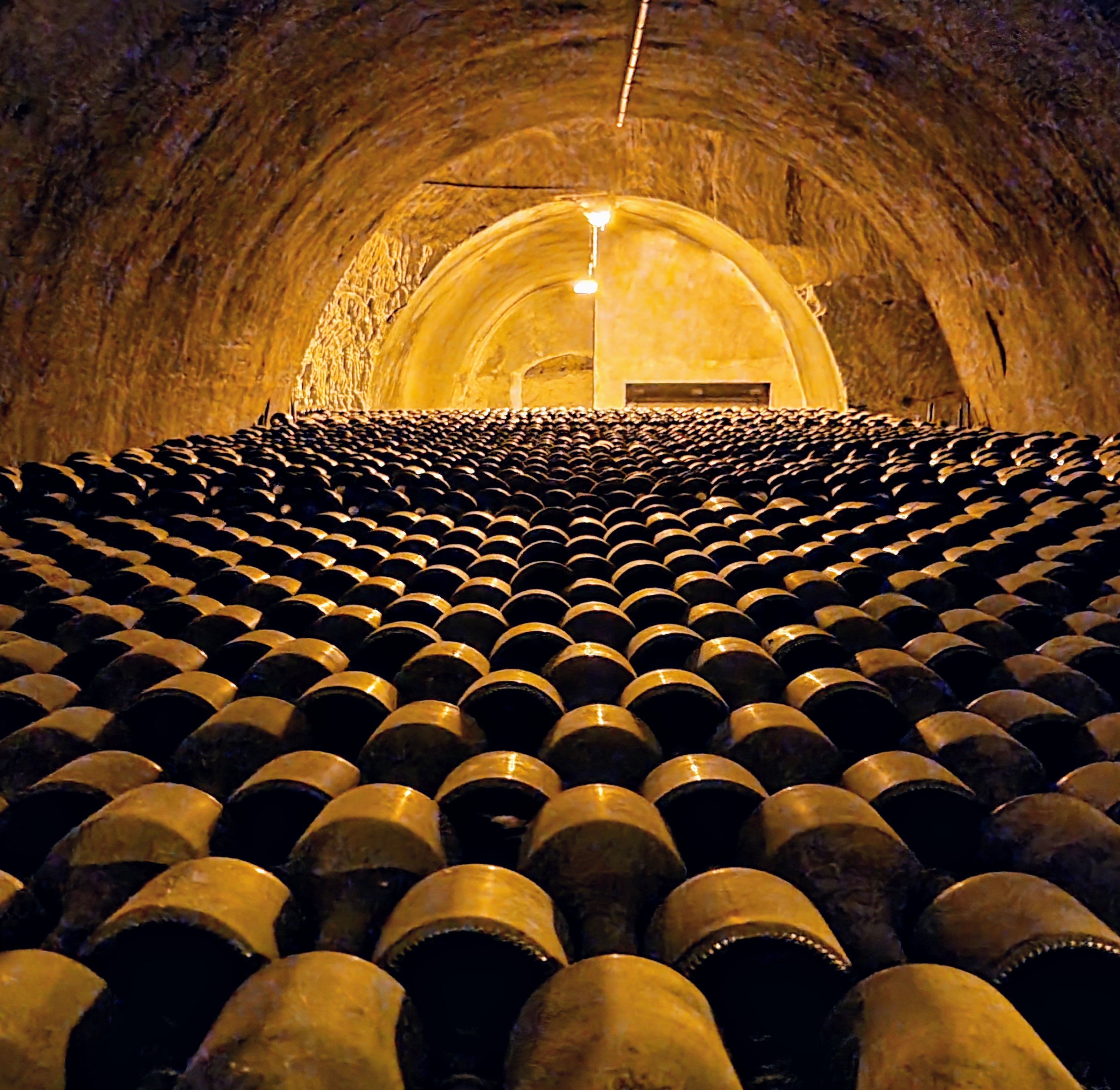
The sequence mattered. Many guests had already eaten at one of sixteen smaller dinners arranged before the Ball. Then they entered the Plaza at 10 in the evening, drank, danced and watched one another through masks. The midnight buffet was therefore not a formal dinner. It was the second wind. After eating, the room returned to dancing and kept going until roughly four in the morning.
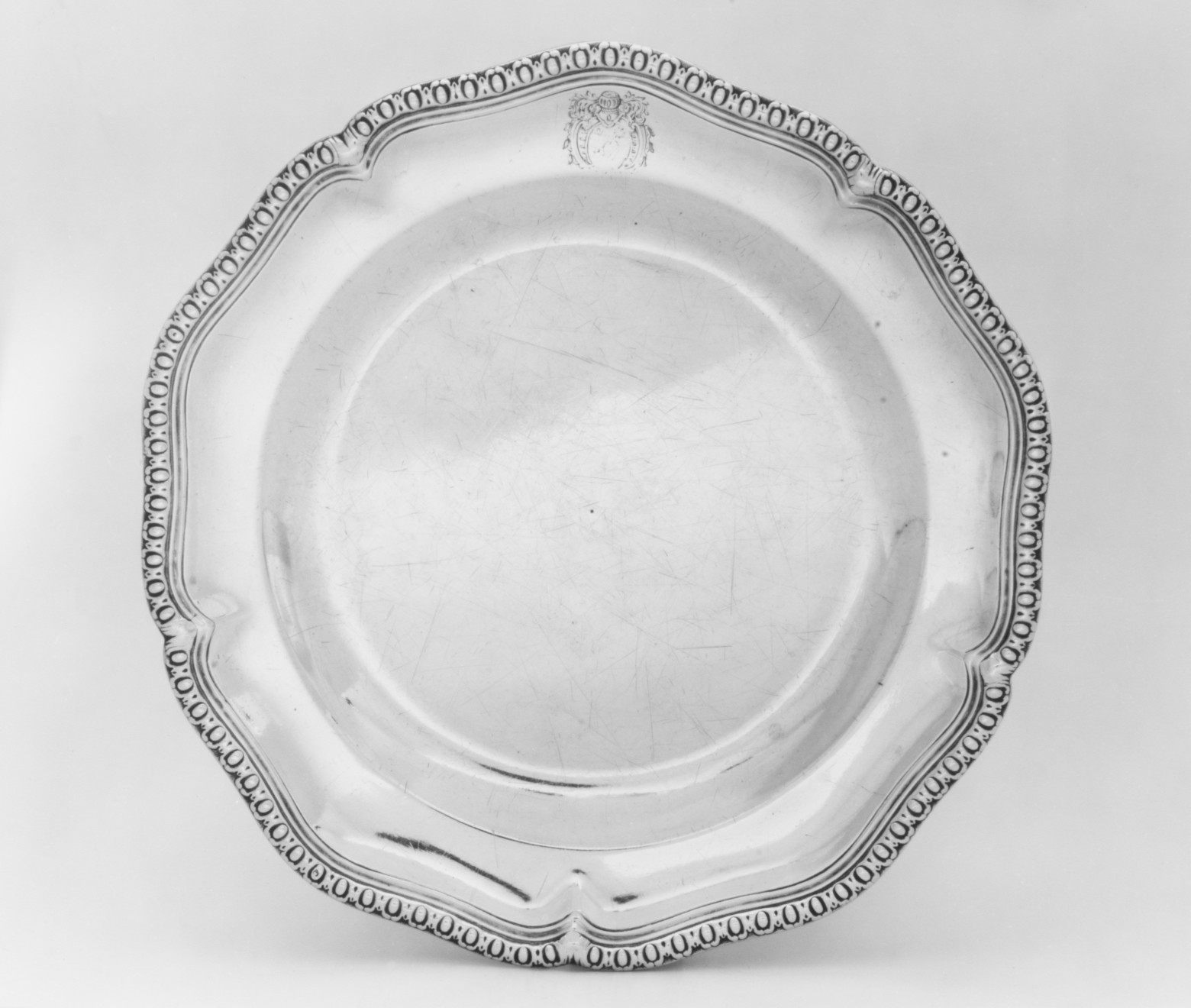
That contrast is swagger. The party did not demand that every element announce its price. Its value came from access, coherence, timing and story. A strong host knows when Champagne needs caviar and when it needs a plate of hot, salty comfort food.
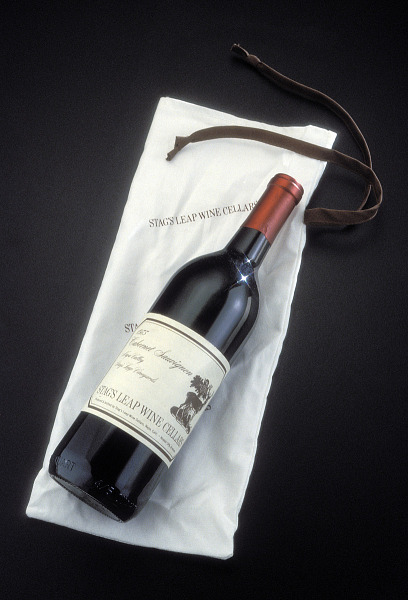
Midnight gave the night a spine
A party without sequence becomes one long middle. Guests arrive, drink, eat and eventually drift away. Capote’s instruction to remove the masks at midnight gave the room a collective beat. There was a before and an after.
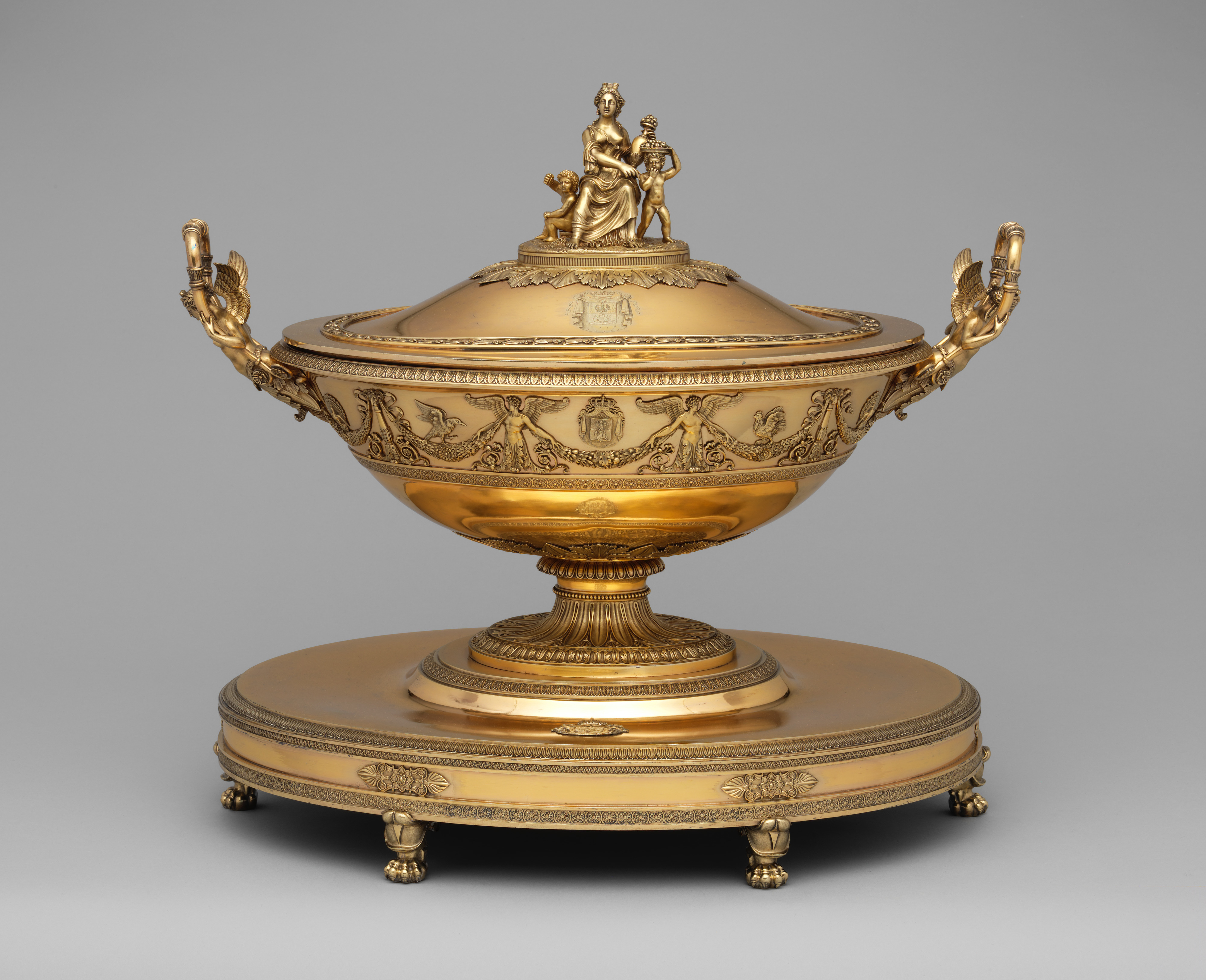
Every serious private event needs this kind of spine. It may be an entrance, a revelation, a procession, a performance, a change of location or a final table appearing where nobody expected it. The move does not need to be loud. It needs to be shared. That is how five hundred separate evenings become one memory.
Steal the discipline. Leave the cruelty
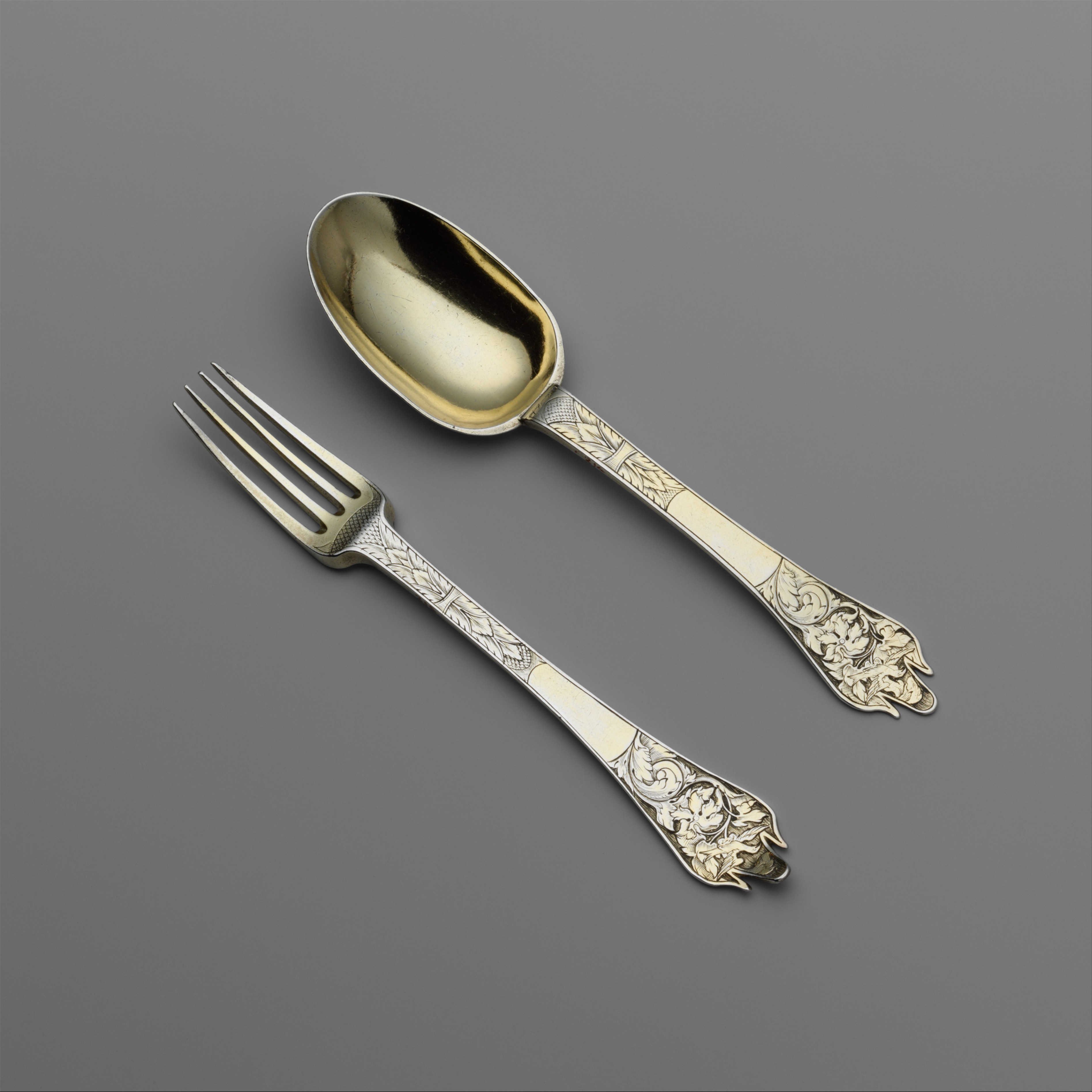
Take the decisive concept, the active guest role, the visual control, the casting and the timed reveal. Leave behind the sport of making exclusion visible. Public obsession with who was invited and who was not became inseparable from the ball’s legend, but not every famous mechanism deserves imitation.
A modern host can create rarity without humiliation, privacy without paranoia and surprise without manipulating guests. In an age when a phone can publish the room before dinner, discretion and consent are not boring legal details. They are part of the luxury.
How to use the lesson in Greece without making a Capote tribute act
Do not copy the black and white palette. Copy the nerve behind it. Define the world in one sentence. Give guests one meaningful action. Make the arrival change their state of mind. Build toward a recognisable turn. Force food, music, objects, performance and place to support the same story.
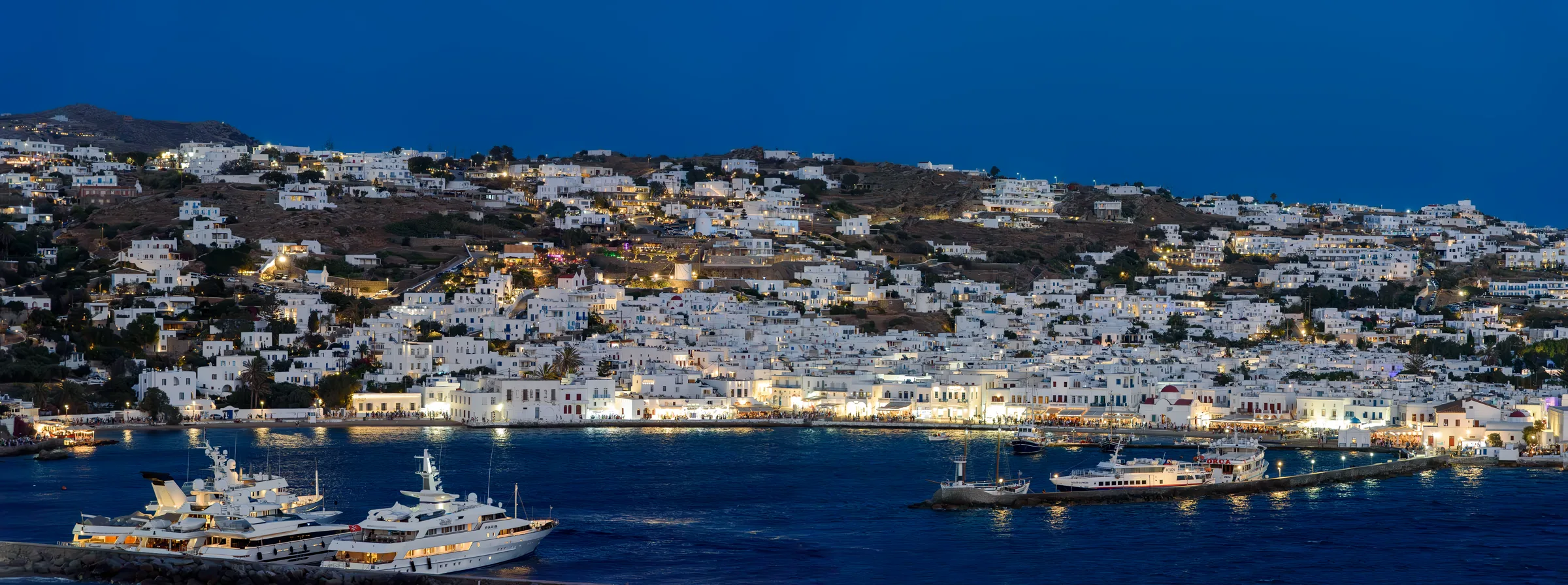
For a private event in Greece, that might mean a mythological masked arrival in Mykonos, a symposium inspired dinner in Athens, a procession through a landscape or an encounter with reconstructed material culture. It might also be a completely original world built around the host. The aim is not historical costume for its own sake. It is to make guests feel, physically and emotionally, that this night could happen nowhere else.
The five question test for a party worth remembering
Can a guest explain the concept in one sentence? Does the invitation create genuine anticipation? Must guests do something rather than merely watch? Is there a moment that divides the night into before and after? Can the experience be remembered without listing the expensive objects in the room?
If the answer is no, the event may still be beautiful. It may even be flawless. But it has not yet found its teeth. The job is not to keep adding until the budget is gone. The job is to find the one decision that makes every other decision easier.
So, was it the greatest private party ever?
Call it one of the most influential private parties of the twentieth century and the argument becomes stronger. Celebrity gave it fuel. Capote’s social power lit the match. But the machine underneath was brutally simple: two colours, one mask, a carefully cast room and a midnight reveal.
That clarity is why the story still has a pulse. The greatest private event is not necessarily the one with the largest budget or the longest famous guest list. It is the one with a sentence nobody else could have written and a memory that keeps walking after the ballroom is empty.
Evidence sets the boundaries. Production gives the encounter its life.
Selected sources and further reading
- Wikimedia Commons / Library of Congress: Truman Capote, 1959 (public domain)
- Wikimedia Commons / Library of Congress: Plaza Hotel, circa 1910 (public domain)
- Museum of the City of New York: Truman Capote’s Black and White Dance
- The Plaza Hotel: The Black and White Ball
- The Plaza Hotel: Grand Ballroom history
- Esquire: Was Truman Capote’s Black and White Ball the Greatest Party Ever?
- TIME: The True Story Behind the Black and White Ball
- Library of Congress: Capote party, Mel Finkelstein, 1966
- CBS Sunday Morning: Candice Bergen on Truman Capote’s storied Black and White Ball
- FBI Vault: Truman Capote, Part 01
- The New Yorker: When America Surveilled Its Writers
- Wikimedia Commons / Library of Congress: Truman Capote, 1948
- National Archives / Wikimedia Commons: FBI Director J. Edgar Hoover
- Wikimedia Commons / Dutch National Archives: Katharine Graham, 1975
- Vogue: Gloria Steinem’s original report from the Black and White Ball
- Vanity Fair: Truman Capote’s Grandest Affair
- History: The True Story Behind Truman Capote’s Black and White Ball
- Vogue: Candice Bergen on attending the Black and White Ball
- Wikimedia Commons: La Femme au Masque by Henri Gervex
- National Gallery of Art / Wikimedia Commons: The Domino Girl
- The Metropolitan Museum of Art / Wikimedia Commons: Masquerade Ball at the Ritz Hotel
- Wikimedia Commons: The Duel After the Masquerade by Jean Léon Gérôme
- Wikimedia Commons: Taittinger cellars in Reims
- Wikimedia Commons: Spaghetti Bolognese
- The Metropolitan Museum of Art: French silver plate
- The Metropolitan Museum of Art: French silver fork and spoon
- The Metropolitan Museum of Art: French silver gilt tureen
- Smithsonian / Wikimedia Commons: 1973 Stag’s Leap Cabernet Sauvignon
- Wikimedia Commons: Krewe of Proteus 1946 ball invitation
- Wikimedia Commons / Julija Mazhora: woman with a gold mask
- Wikimedia Commons: Mykonos harbour at night
- Wikimedia Commons: Frank Sinatra portrait
- Wikimedia Commons: Lauren Bacall portrait
- Library of Congress / Wikimedia Commons: James Baldwin portrait
- Smithsonian / Wikimedia Commons: Andy Warhol portrait
Editorial standard: this article distinguishes broad historical evidence from Archaeopolis production practice. Specific dates, artefacts and quotations will only be added with named sources.