Begin with a responsibility map, not a mood board
A private event in Mykonos may involve the client, a villa or hotel, an event planner, a concierge or DMC, chefs, performers, technical suppliers, transport teams and venue staff. The first useful document is therefore not a list of visual references. It is a clear map of who decides, who contracts, who supplies and who carries each on-site responsibility.
Archaeopolis can lead the creative production or work within an appointed local team. That distinction should be agreed before quotations and schedules begin. Venue contracting, accommodation, transfers, specialist audiovisual systems, security and wider destination logistics may remain with the appropriate partners, while concept, guest journey, cultural direction, performance, dining narrative and rehearsal sit within the creative scope.
When the boundaries are visible, the production can move quickly. When they are assumed, two teams may believe the other has confirmed the same access window, power requirement or permission.
Choose the setting for the event you are actually making
Villa, hotel, yacht, beach venue and restaurant are not interchangeable backgrounds. Each setting changes capacity, access, preparation space, weather exposure, sound, service and the kind of guest movement that is possible.
Begin with the experience. Does the evening require a seated dinner, several performance entrances, a procession, discreet preparation space or a fast transition from sunset to dancing? Then test candidate settings against those needs. A beautiful space that cannot support the programme is not the right venue for that programme.
Do not rely on a photograph or map pin. Ask the venue or appointed local specialist for current plans, restrictions, supplier rules and the route from arrival to the actual event area.
Resolve access before creative development becomes expensive
Access is a production system. The team needs to know when vehicles can arrive, where cases and food can be unloaded, how far equipment must travel, whether stairs or narrow passages affect the load-in, and where performers and suppliers can prepare without crossing the guest arrival.
The same question applies to removal. A plan that works at installation may fail after midnight if the agreed route, staffing or vehicle access changes. Confirm both directions and record who has authority on site.
For guests, examine pickup points, drop-off, waiting space, lighting and the return journey. Exact travel time should be checked for the date and route rather than copied from a generic island estimate.
Treat wind, heat and darkness as design inputs
Outdoor concepts should have a defined decision point and a workable alternative. The useful question is not simply whether there is a backup. It is whether the alternative preserves the essential guest experience when furniture, sound, flame, suspended elements, food service or performance movement must change.
Heat and exposure affect the people working before the event as well as the guests who arrive later. Build water, shade, breaks, costume management and safe preparation into the schedule. As daylight changes, test the route, steps, edges, cables and signage under the lighting that will actually be used.
Weather and safety decisions belong with the qualified venue and appointed specialists. Creative direction should respond to those limits, not compete with them.
Confirm sound and technical reality at the source
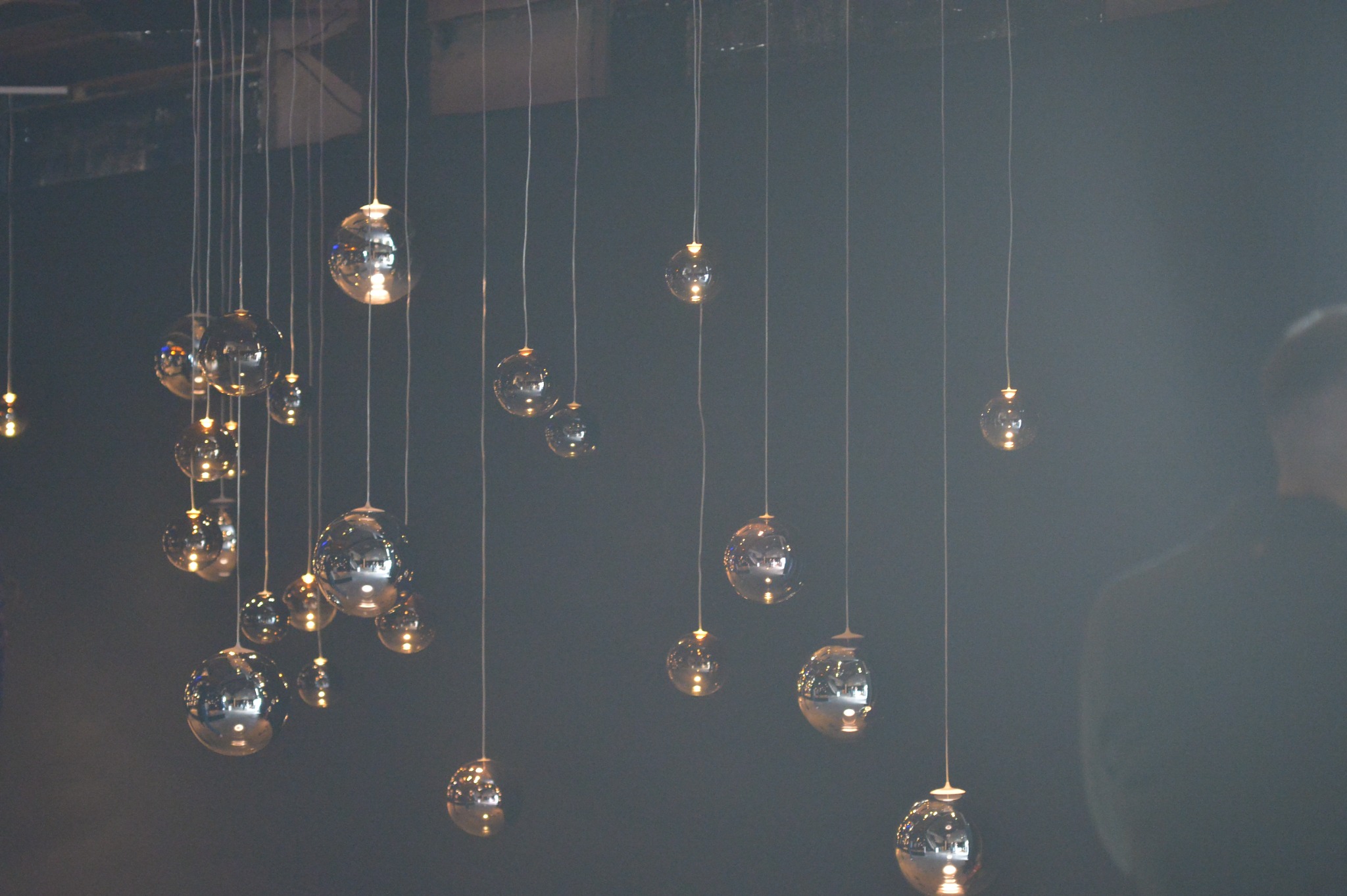
Music can be central to the atmosphere without becoming an uncontrolled technical layer. Confirm the venue's current sound conditions, the appropriate system, power, speaker positions, monitoring, performer requirements and the person authorised to make a live adjustment.
A procession, acoustic intervention, dinner soundtrack and late-night set create different demands. They need one cue structure so that the room does not become a contest between service, conversation, music and performance.
Permissions, limits and curfews must be verified for the specific setting and date. A previous event or supplier assumption is not evidence that the same arrangement is permitted now.
Write the guest journey as a sequence of changes
A strong private event has an opening, transitions and a release. Map what guests see and hear when they arrive, where attention moves, when dining begins, how an intervention enters, and what the room should feel like after it ends.
This does not mean scripting every conversation. It means preventing operational layers from fighting each other. Guests should not be moved because one supplier needs the centre of the room, and dinner should not stop abruptly because an isolated act has been booked for a fixed time.
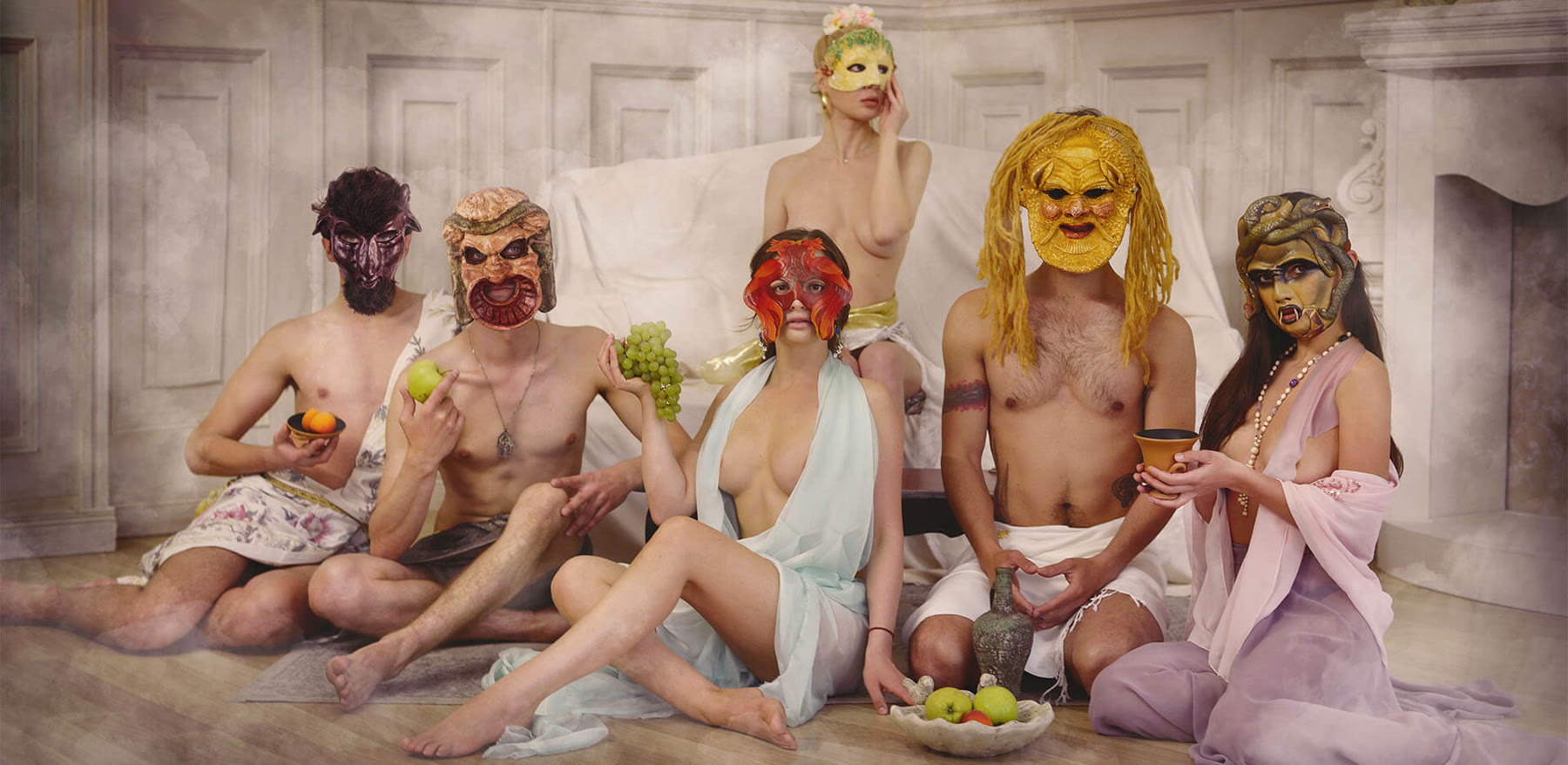
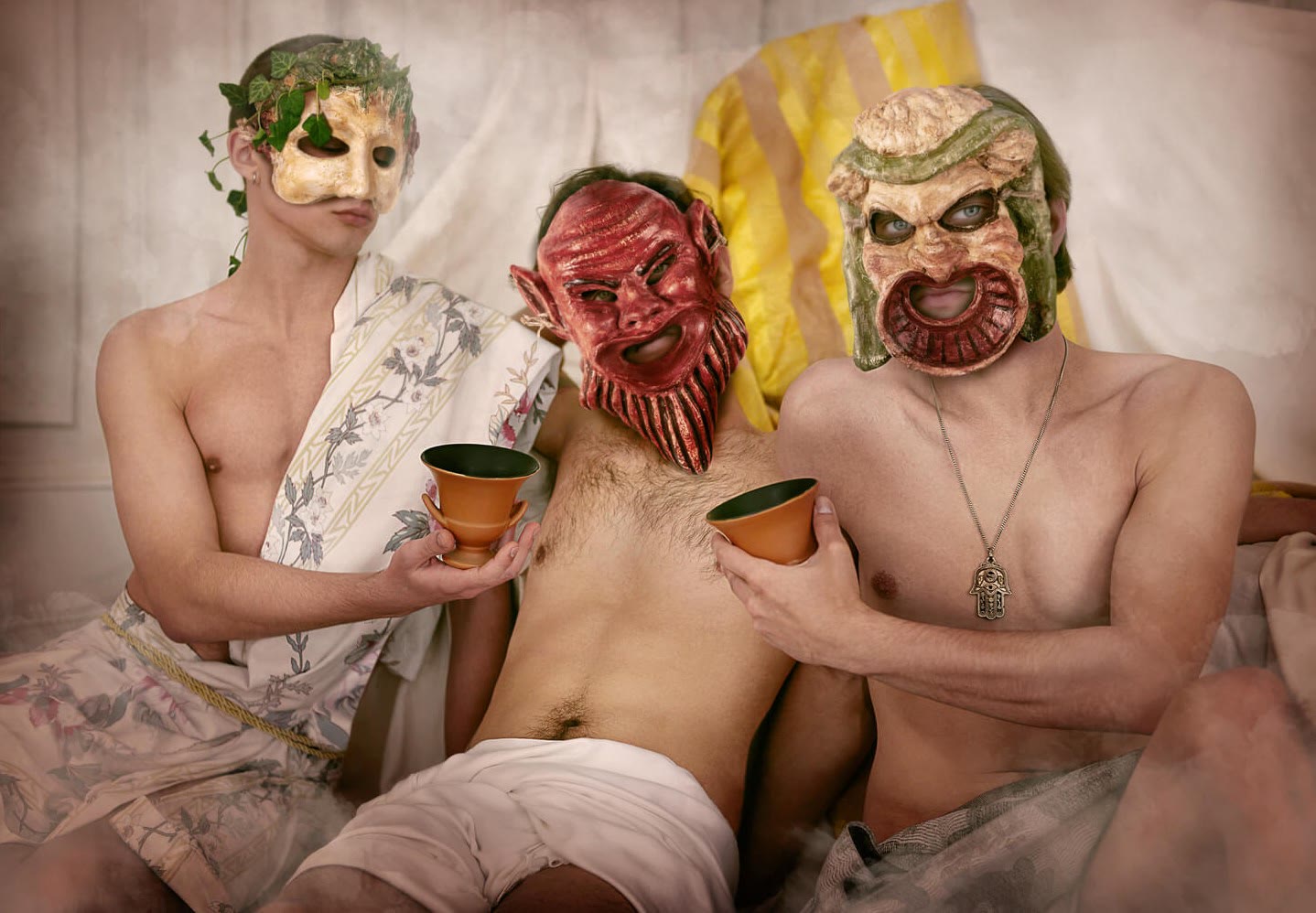
At Archaeopolis's documented mythological bachelor event, masks, movement, music, food and wine belonged to one world. The practical lesson transfers to any style: one direction is more memorable than a stack of unrelated additions.
For a new Greek mythology event in Mykonos, ancient Greek theatre, spoken poetry and live music can inform a short performance shaped around the guests and setting. Masks, character entrances and reconstructed instruments should serve a clear story, with time for listening and conversation. Archaeopolis’s music presentation at the Australian Archaeological Institute at Athens offers a documented example of this approach: instruments, performance and conversation brought into one programme.
Rehearse the handovers, not only the performance
A cue is a transfer of responsibility. Who clears the route? Who tells service that a short entrance is about to begin? Who holds the music if guests arrive late? Who decides whether an outdoor element moves inside?
The rehearsal should test these handovers with the real positions, communication method and people responsible on the day. It should also test the quiet parts: guest arrival, a delayed course, a missing supplier, a change in weather and the route to the alternative setting.
The objective is not to make the evening feel mechanical. It is to give the live team enough structure to respond calmly when reality changes.
Make privacy operational
Privacy is more than a promise in an email. Define whether guest photography is allowed, who may record production details, whether suppliers may post, how names appear on schedules and what visual material—if any—can be retained after the event.
The two Archaeopolis Mykonos projects published on this site demonstrate two different boundaries. The bachelor-party record protects the client, guests and exact venue while showing authorised production material. The private-dining record is narrower, limited to plated food and selected lighting details because wider photography was prohibited.
These decisions affect the photographer, communications, access lists, supplier briefing and the archive. They belong in the production plan before arrival.
The brief that makes a first conversation useful
A complete concept is not required. A useful first brief includes the occasion, approximate guest count, preferred date or period, possible setting, desired atmosphere, balance between dining and performance, participation level, accessibility or dietary needs, privacy requirements and any partners already appointed.
Also state what is still open. If the venue, programme or creative direction has not been chosen, that is useful information. It allows the team to propose a structure instead of pretending that every decision has already been made.
The result should be a production brief grounded in the people and place—not a standard Mykonos package with the names changed.
The strongest Mykonos production plan makes every responsibility visible and every creative element belong to the same guest journey.
Editorial standard: this article distinguishes broad historical evidence from Archaeopolis production practice. Specific dates, artefacts and quotations will only be added with named sources.